





 Portuguese
  English
  Spanish
  3 min of reading
  0 comments


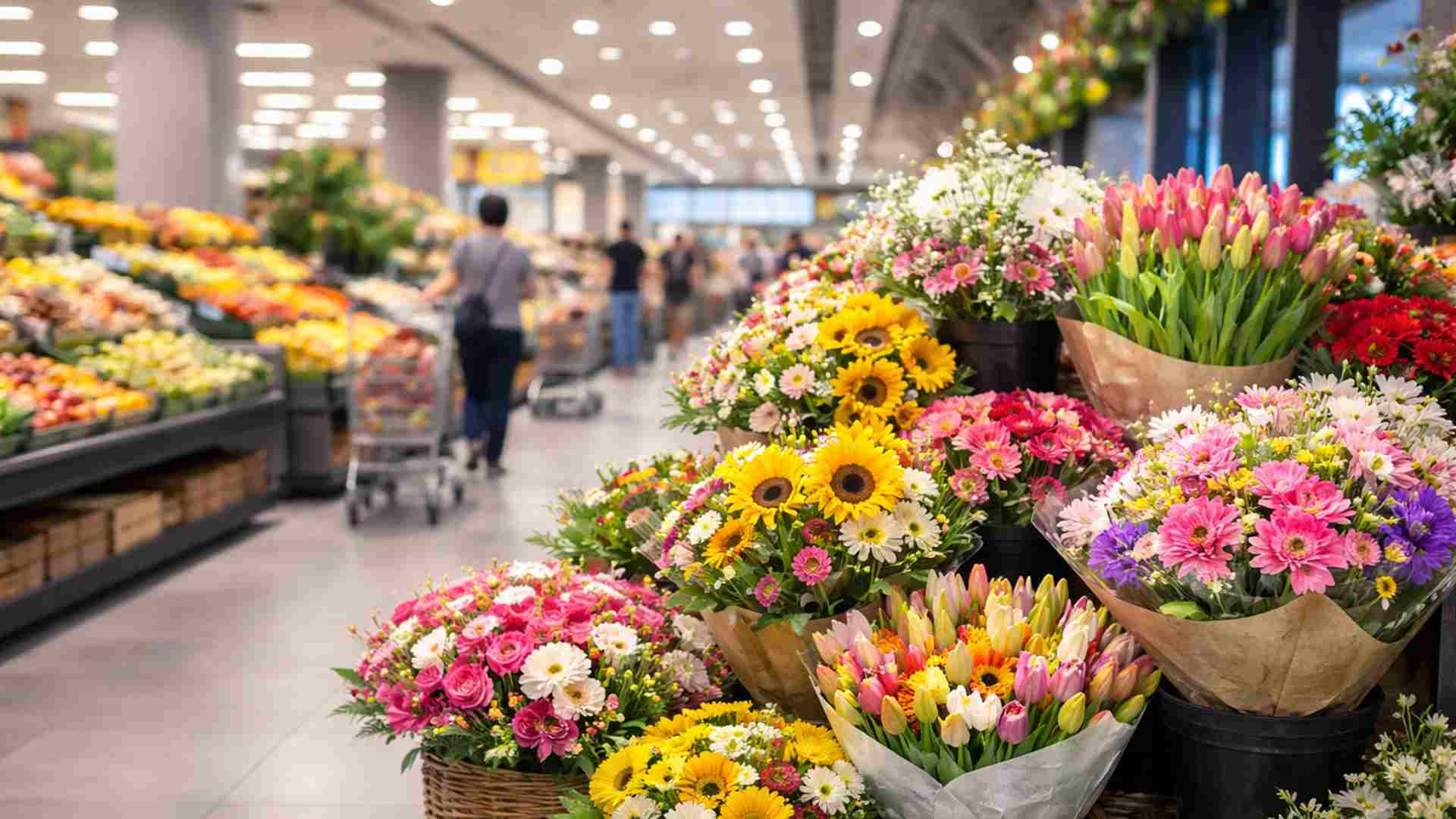
Even with low turnover, high waste, and little direct conversion in sales, supermarkets continue to place flowers right at the entrance because the smell and visual impact help create an immediate perception of freshness, cleanliness, and care that influences the whole shopping experience
In supermarkets, flowers often occupy the entrance even with low turnover, high waste, and little direct conversion in sales. This choice contradicts the logic of displaying cheaper, durable, and quick-purchase items, but serves a greater purpose: to influence consumer perception in the first few seconds.
Flowers at the entrance of supermarkets
If the priority were to maximize sales per square meter, the most strategic area of the store would be occupied by products like chocolate, corn, or gum. These items are cheap, durable, and have a high chance of being placed in the cart almost without reflection.
However, in supermarkets, large chains around the world allocate this space to an expensive, fragile, and perishable product. The presence of flowers cannot be explained by isolated sales performance, but by the effect they produce in the environment and the immediate reading of the store.
-
A study with a laser sensor reveals up to 23,000 hidden structures beneath the Amazon, pre-Columbian constructions invisible under the forest emerge in mapped areas and indicate a much broader occupation than previously thought.

-
Why is chocolate so “addictive”? Studies show how chemical compounds activate the brain, trigger intense pleasure, and make it difficult to control consumption.

-
One Beetle for every 10 residents and streets taken over by the bug: the small town in the interior of São Paulo that became the National Capital of the Beetle and preserves a Brazil that seems to have stopped in time.

-
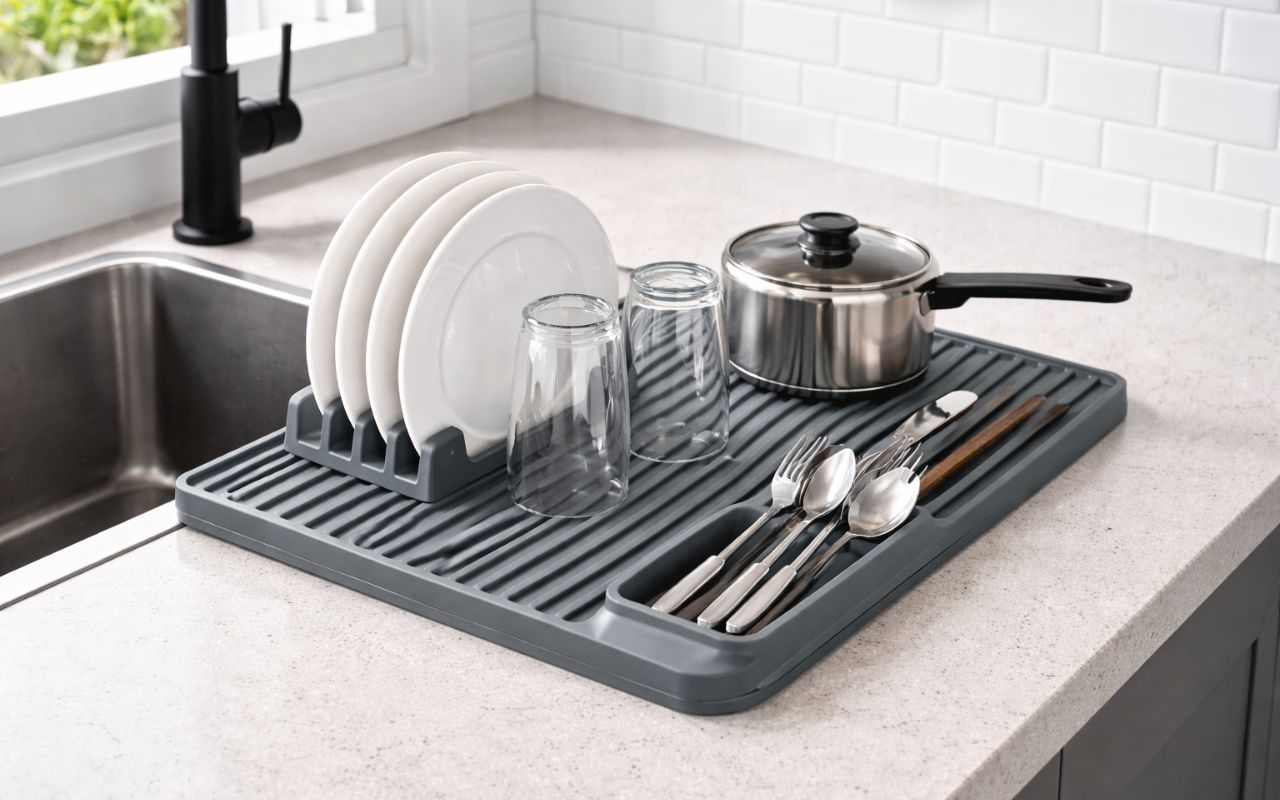
Goodbye dish rack: a new model of dish rack is gaining popularity in Brazilian kitchens for being more hygienic, compact, easy to store, and also reducing mold on countertops.
Perception of freshness and care
Upon entering supermarkets with flowers right at the entrance, the consumer first receives the smell and visual impact of this section. The brain makes an immediate association with freshness, cleanliness, and care, even before any purchase decision is made.
This initial perception is not limited to the flowers. It spreads to everything that appears later on the path, making other products seem fresher, cleaner, and better cared for.
Strategy beyond direct sales
Store managers know that the turnover of flowers is low and that waste is high. Still, the section remains in the most prime area because its role is not just to sell bouquets, but to create a feeling that enhances the rest of the operation.
In supermarkets, flowers act as a sensory trigger that prepares the customer to see the other products better.
The goal is not to make the flower the main item of the purchase, but to use its presence to improve the perception of quality throughout the store.
The effect on the cart
The consumer may even ignore the flowers and move on without taking them. Still, they will have already fulfilled their function by influencing how the rest of the supermarket will be perceived during the shopping experience.
This strategy shows that, in many supermarkets, not everything that occupies the most important space is there to sell more units. In some cases, the value lies in shaping the feeling that accompanies the entire shopping experience.






Seja o primeiro a reagir!