





 Portuguese
  English
  Spanish
  2 min of reading
  0 comments


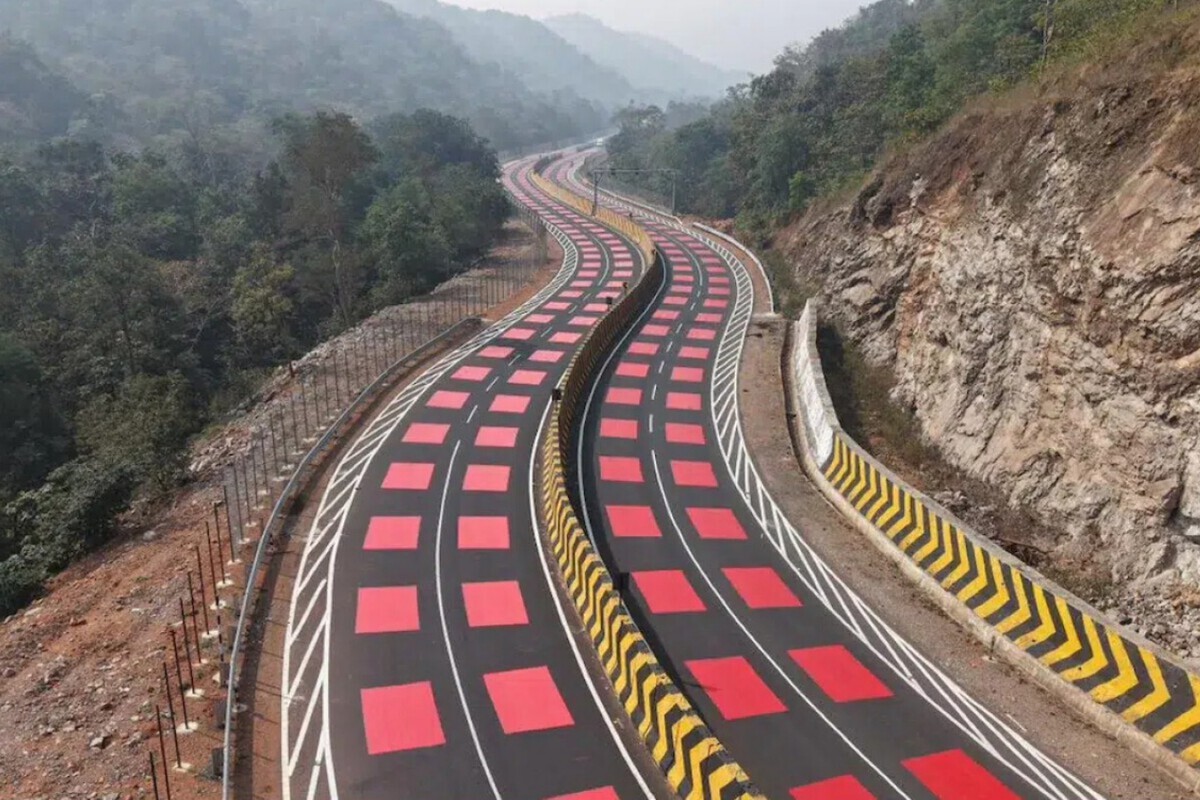
On NH-45, between Bhopal and Jabalpur, in central India, two kilometers of red asphalt have begun to signal the entrance to a wildlife corridor, combining visual alerts, light vibrations in vehicles, and underground passages to try to reduce animal collisions in the reserve
On NH-45, between Bhopal and Jabalpur, in the Indian state of Madhya Pradesh, the National Highways Authority of India has applied two kilometers of red asphalt to reduce speeds in a wildlife corridor and prevent recurring collisions.
Section signals sensitive area
The red section is located in the Veerangana Durgavati Tiger Reserve, where tigers, leopards, bears, and wild dogs live.
The change was adopted at the most frequent animal crossing point, after recurring collisions.
-
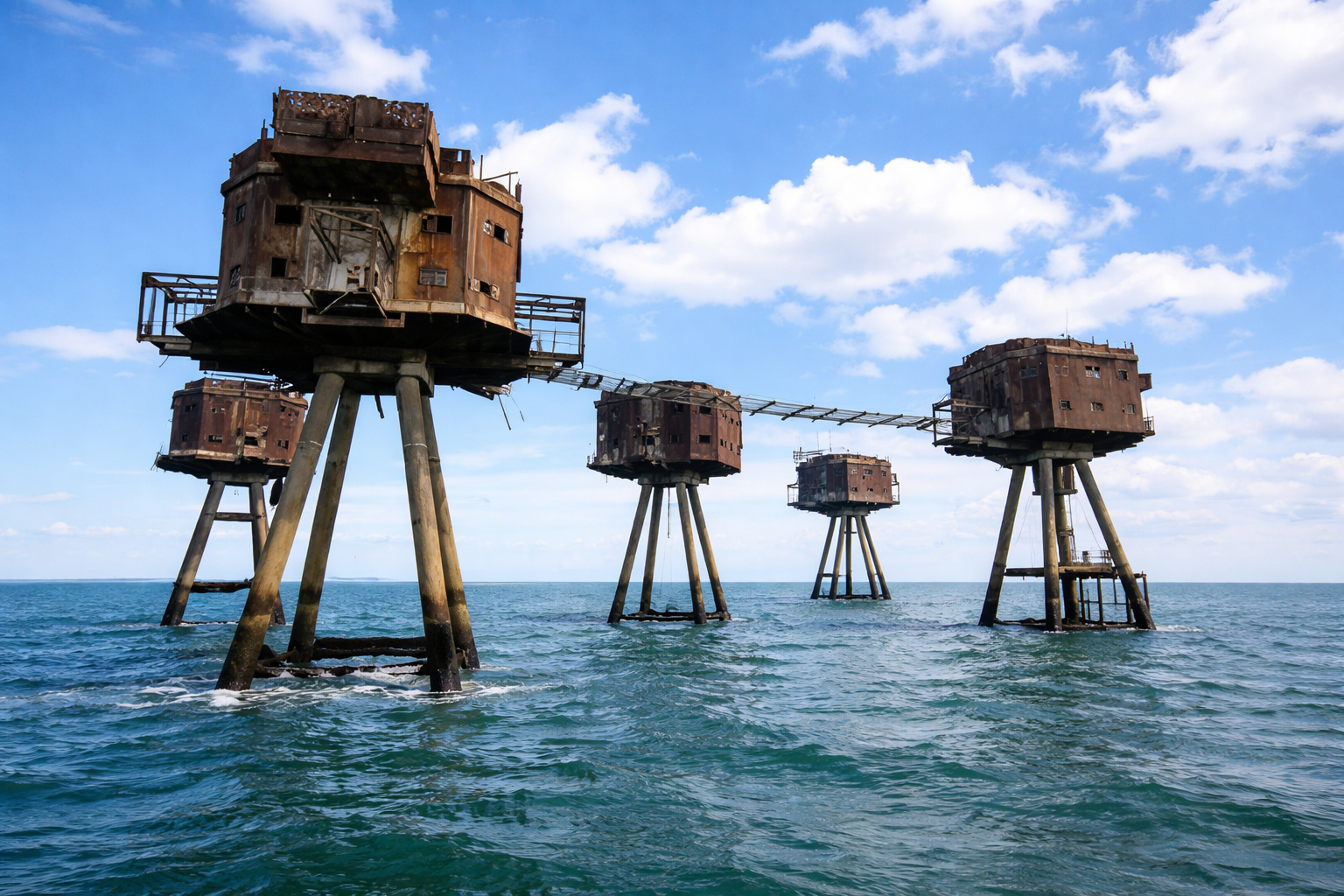
In the middle of the sea, these enormous concrete and steel structures, built by the British Navy to protect strategic maritime routes, look like they came straight out of a Star Wars movie.
-
For years, no one could cross a neighborhood in Tokyo because of the tracks, but an impressive solution changed mobility and completely transformed the local routine.

-
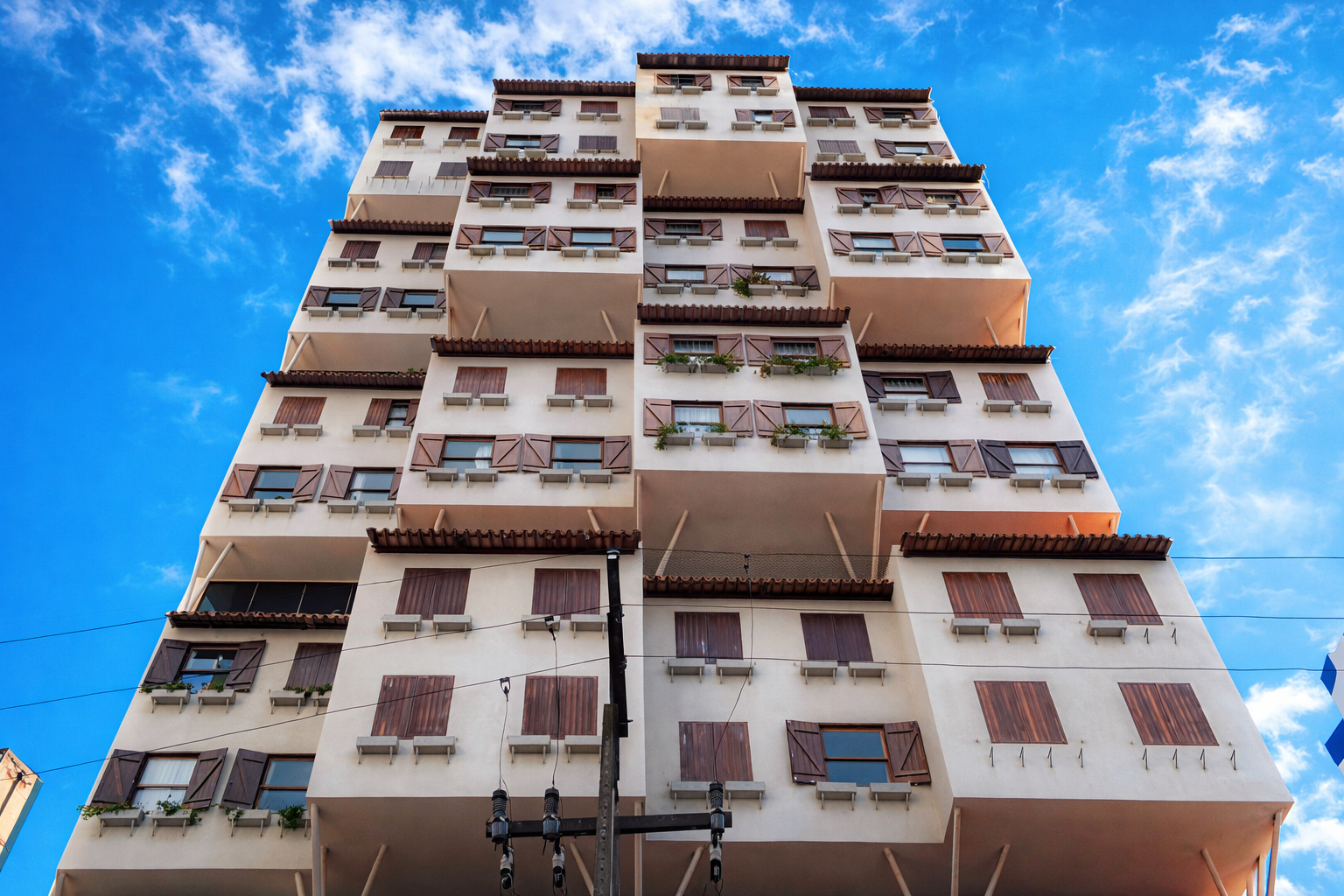
With 15 floors, an unusual building in Curitiba uses concrete, pilasters, and exposed roofs to create the effect of stacked houses.
-
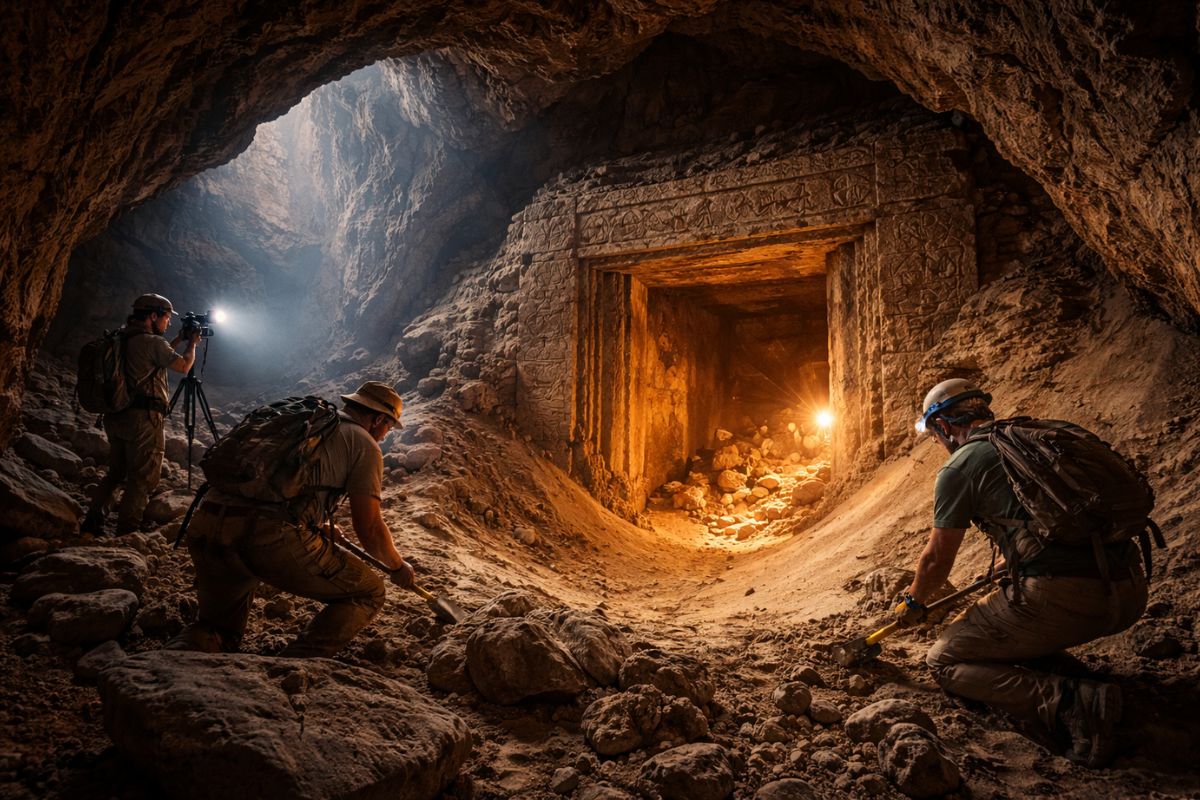
Archaeologists opened a secret chamber that had been sealed by sand for 40,000 years inside a cave in Gibraltar and found what may be the last place where Neanderthals lived before disappearing from Europe forever.

The intervention uses a red thermoplastic layer about five millimeters thick.
According to the NHAI, the goal is to provide a visual alert to drivers when entering a sensitive area for wildlife.
Visual effect reduces speed
In addition to highlighting the section from a distance, the red asphalt generates light vibrations when vehicles pass over it. The effect is felt in the steering wheel and tires, leading many drivers to slow down.
Lower speeds decrease the braking distance in emergencies. In practice, this increases the chance for the driver to notice an animal in time and avoid collisions in the reserve.
Corridor includes tunnels and fences
The measure is part of a broader project, which now covers almost 12 km within the reserve. Along this corridor, 25 underground passages for animals have been built, positioned according to the usual movement routes of the wildlife.
Metal fences on both sides of the road prevent direct access of animals to the asphalt and guide them to these passages. Cameras in the area confirm the use of the tunnels by animals in the forest.
System preserves the road
According to the material, the red asphalt offers other advantages. The applied layer does not alter the road structure or drainage, produces less noise than traditional sound strips, and can be removed relatively easily.
This allows the project to be adjusted without permanent changes to the roadway. Thus, the system combines visual warning, moderate physical stimulus, and safe passages for wildlife, within a prevention strategy.
Example cited outside India
The text also points out that a similar solution would make sense on roads in Spain. Every year, more than 30,000 accidents involving wild animals are recorded in the country, mainly with wild boars, roe deer, and red deer.
In this context, a visual alteration in the asphalt could encourage speed reduction in critical sections.
The logic is the same applied in the NH-45 corridor, where the red asphalt acts as an immediate alert.
With information from Xataka.






Seja o primeiro a reagir!