





 Portuguese
  English
  Spanish
  5 min of reading
  0 comments


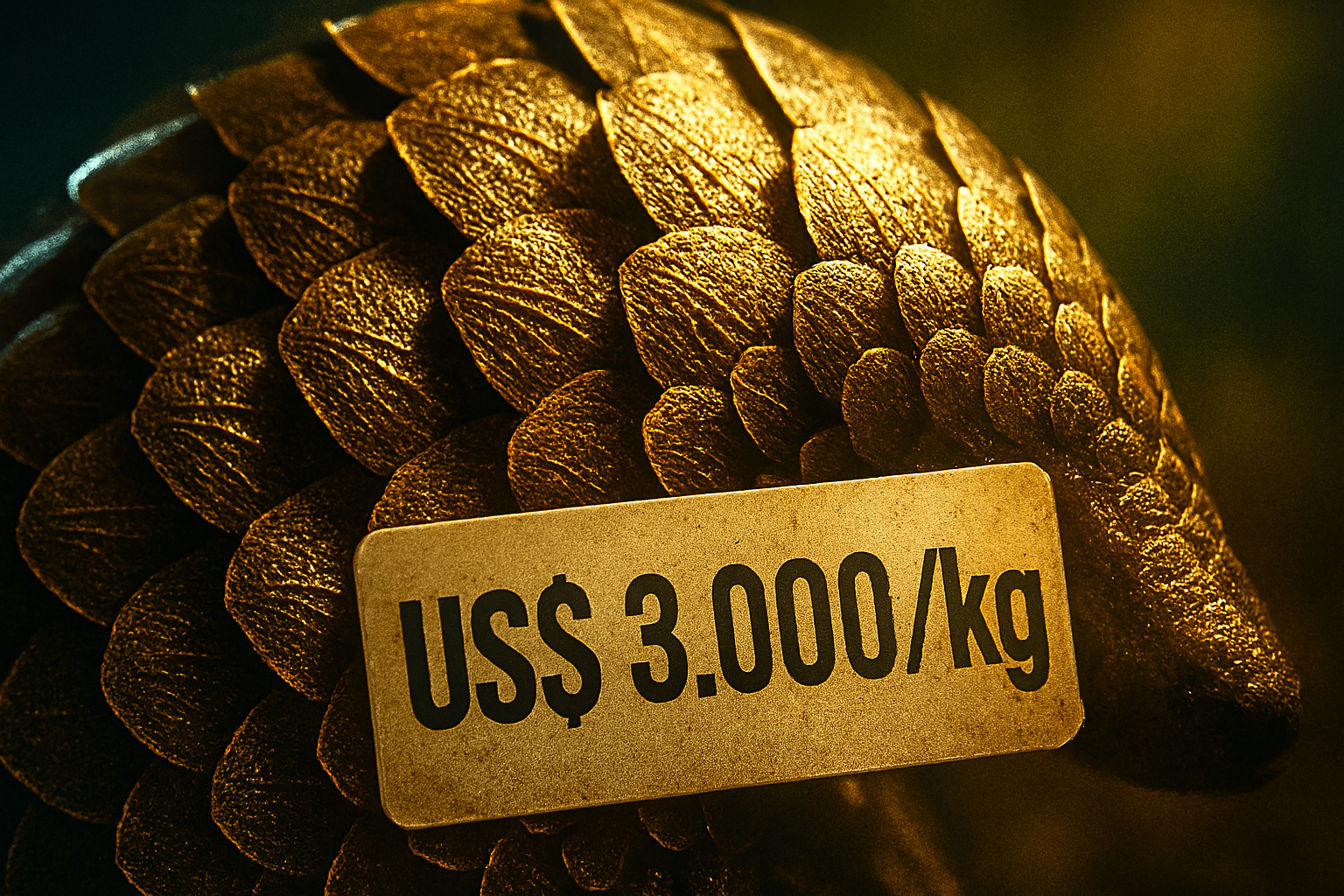
Pangolin Scales Can Be Worth Up to US$ 3,000 Per Kilo in the Asian Market. The Billion-Dollar Trafficking Threatens to Extinct the Most Hunted Animal in the World, a Symbol of Illegal Wildlife Exploitation.
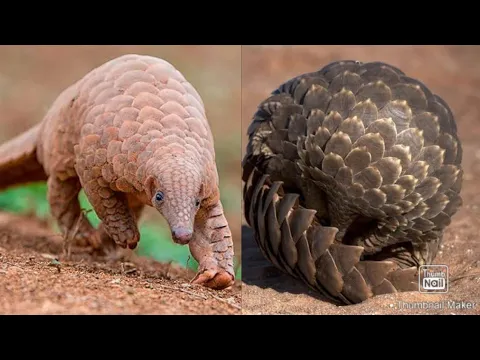
Few people have heard of the pangolin, but this discreet mammal has become a symbol of one of the largest environmental crimes of the century. Solitary, nocturnal, and with habits reminiscent of anteaters, it lives in burrows or climbs trees in search of ants and termites. The big difference is its armor: the body is covered in scales made of keratin, the same substance that forms our nails.
There are eight species of pangolins in the world — four in Asia and four in Africa. All are currently in a threatened situation, with the Asian species nearing population collapse. When sensing danger, the pangolin rolls up into a ball, exposing only its hard scales. This defense works against natural predators, but is useless against human hunters armed with bags and boxes.
Scales Worth More Than Gold
What makes the pangolin a target is the value attributed to its scales. In traditional Asian medicine, they have been used for centuries as a supposed treatment for inflammation, joint pain, and even infertility.
-
With 1,066 acrylic panels, the building known as the friendly alien is supported by a steel skeleton, has a façade that functions as a giant screen, and impresses the world without any internal columns.

-
Scientists warn that a comet about 1 km in size that has started to release gases may actually change direction in space. It was spotted by NASA and surprises with potential impacts near Earth.

-
These living root bridges and ladders are over 700 years old and help indigenous people survive in one of the rainiest regions in the world.

-
From sertanejo star to international investor: Ana Castela invests millions in a mansion in the USA, creates a themed accommodation in Orlando, and shows that the “boiadeira” also wants to grow away from the stage.


Despite the lack of scientific evidence for any therapeutic effect, the belief persists — and with it, a billion-dollar black market.

The prices are impressive:
- In Africa, a kilo of scales is sold for only US$ 10 to US$ 15 to local hunters.
- On smuggling routes, middlemen can pay US$ 250 to US$ 600 per kilo.
- In China and Vietnam, the price skyrockets to as much as US$ 3,000 per kilo, making pangolin scales a product more expensive than gold by weight.
This astronomical profit explains why international mafias are interested in the business. In 2019, for example, authorities in Singapore seized 12.9 tons of scales, valued at US$ 38 million — each ton representing thousands of dead animals.
The Most Trafficked Animal on the Planet
According to data from TRAFFIC, an NGO that monitors illegal wildlife trade, more than one million pangolins were removed from the wild between 2000 and 2020. This figure makes it the most trafficked mammal in the world, surpassing tigers, rhinoceroses, and elephants.
The trafficking operates on an industrial scale:
Hunters capture pangolins in African or Asian forests.
Intermediaries buy and stock scales in clandestine ports.
International routes carry shipments to Asia, hidden in containers of wood, frozen fish, or coffee.
Final market: the scales are sold as traditional medicines or displayed as items of social status.
Nigeria has become one of the main points of illegal export, with tons going by sea to Hong Kong, Vietnam, and China.
Luxury Meat and Status Symbol
In addition to the scales, pangolin meat is also consumed in some countries as a rare delicacy. Clandestine restaurants offer extremely expensive dishes, served only to wealthy clients, as a demonstration of power and exclusivity.
This custom transforms the animal into a paradoxical symbol: while its meat and scales are associated with healing and prosperity, it is heading towards extinction due to the very demand that should “value” it.
The Threat of Extinction
All eight species of pangolin are listed on the IUCN Red List as threatened or critically endangered. The slow reproduction — females give birth to only one offspring per year — makes it impossible to replenish populations in the face of mass hunting.

In Asia, some populations have already completely disappeared. Today, traffickers are turning to Africa, especially West and Central African countries, which have become the new epicenter of hunting. This shift shows how trafficking adapts: when one region is depleted, another is exploited.
The Largest Seizures in History
The pangolin trade involves such large sums that authorities have already recorded historic seizures:
- 2017 – Hong Kong seized 8 tons of scales in containers coming from Nigeria.
- 2019 – Singapore intercepted 12.9 tons, valued at over US$ 38 million.
- 2022 – African authorities confiscated dozens of smaller shipments, revealing the ongoing pattern of exploitation.
Each ton represents about 1,600 dead pangolins, according to TRAFFIC calculations. This means that, just in the two largest seizures, nearly 30,000 animals were sacrificed.
The Role of China and Recent Changes
In 2020, China officially removed the pangolin from the list of animals approved for use in traditional medicine. In addition, it elevated the legal protection level of the species.
Despite the measures, investigations show that the black market persists, with scales circulating in illegal markets and online.
Part of the difficulty lies in culture and tradition: many families believe in the healing powers of the scales and continue to buy them even though the trade is illegal. Additionally, the demand for social status keeps meat on secret luxury menus.
Global and Environmental Consequences
The disappearance of the pangolin affects not only biodiversity but also ecological balance. As it feeds on ants and termites, each pangolin can consume up to 70 million insects per year, playing a vital role in the natural control of pests. Its extinction could alter food chains and impact entire ecosystems.
Moreover, the pangolin’s case exposes how environmental crime is globalized: animals hunted in African forests are sold as medicines in clandestine pharmacies thousands of miles away.
Organizations like WildAid, Save Pangolins, and WWF have been working on international awareness campaigns. Simultaneously, joint police operations try to intercept routes. But the challenge is immense: as long as there are those willing to pay up to US$ 3,000 per kilo, there will be those who take risks to hunt and smuggle.
The pangolin has become a symbol of the conservation dilemma: a virtually unknown animal to the global public, yet disappearing faster than iconic species like the elephant or rhinoceros.
The Race Against Time
Saving the pangolin requires more than laws. There needs to be cultural change in consumer countries and economic support for local communities that need alternative sources of income. Without this, the animal is at risk of disappearing in the coming decades.
If that happens, the world will have lost not only one of the most peculiar mammals in nature but also an opportunity to learn from its habits and resilience. The extinction of the pangolin would be a cruel portrait of how luxury and superstition can erase an entire lifetime of evolutionary diversity.








-

-

-

-

-

16 pessoas reagiram a isso.