





 Portuguese
  English
  Spanish
  3 min of reading
  0 comments


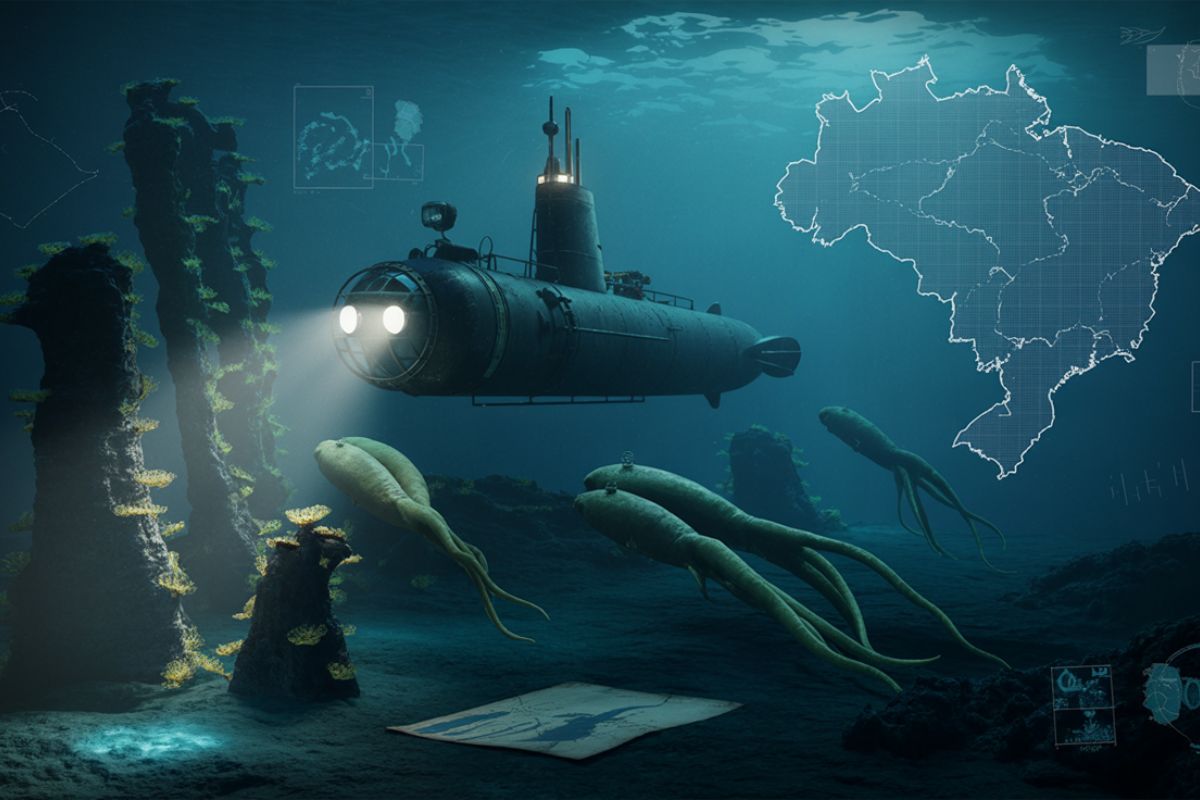
As We Explore Distant Galaxies, Most of Our Own Planet Remains a Mystery. Understand the Challenges That Make the Ocean Floor the Last Great Frontier on Earth.
It’s a fascinating paradox: humanity has sent probes to Mars and telescopes that observe the birth of stars, yet we still know surprisingly little about the ocean floor. Covering more than 70% of the Earth’s surface, the oceans hold secrets we have barely begun to unravel. It is estimated that over 90% of marine species are still unknown to science, living in a world of darkness and extreme pressure.
The truth is that exploring the depths of our planet is, in many ways, more challenging than traveling into space. Conditions on the ocean floor are so hostile that they require extremely advanced technologies and massive investments. This inhospitable environment, combined with the vastness of the oceans, is the main reason why much of our “home” remains a big question mark.
A More Hostile Environment Than Space
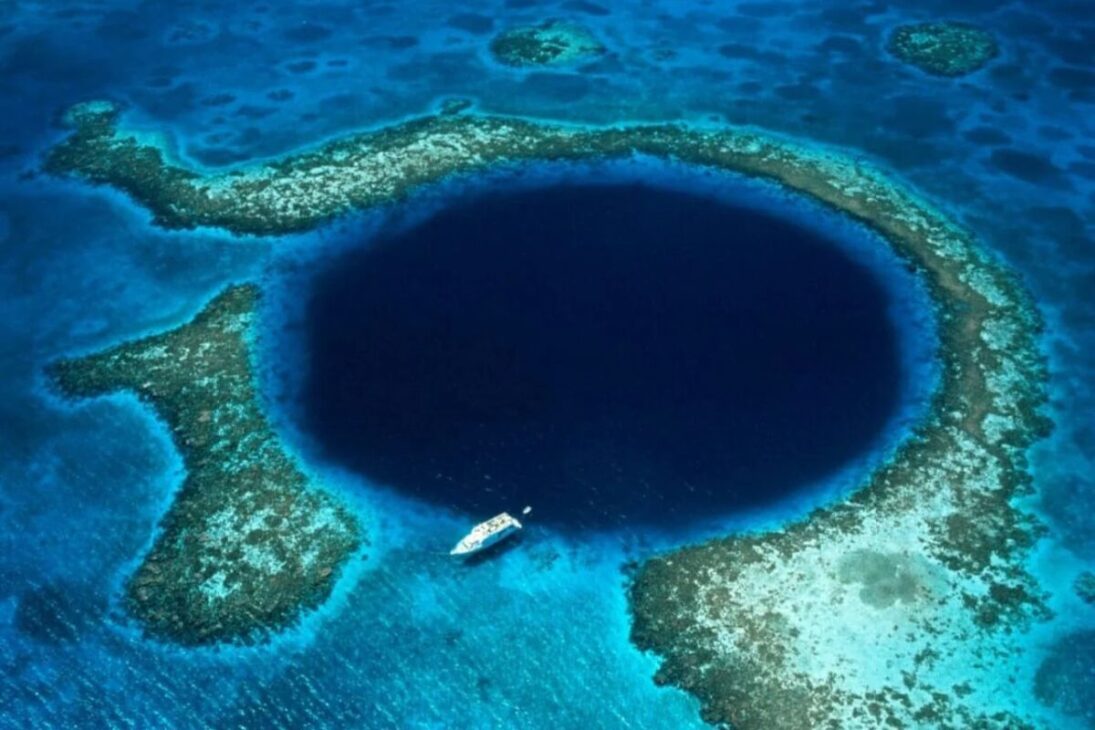
Diving to the ocean floor is not a simple task. Explorers, whether human or robotic, face three major challenges that test the limits of engineering and endurance.
-
Family buys mansion destroyed by fire for $1.5 million, faces over 500 days of construction, transforms loss into high-end property, and leaves neighbors in awe.

-
The world consumes 50 billion tons of sand per year and no one is monitoring it: the UN warns that the second most used resource on the planet after water is running out and has even created an international mafia.
-
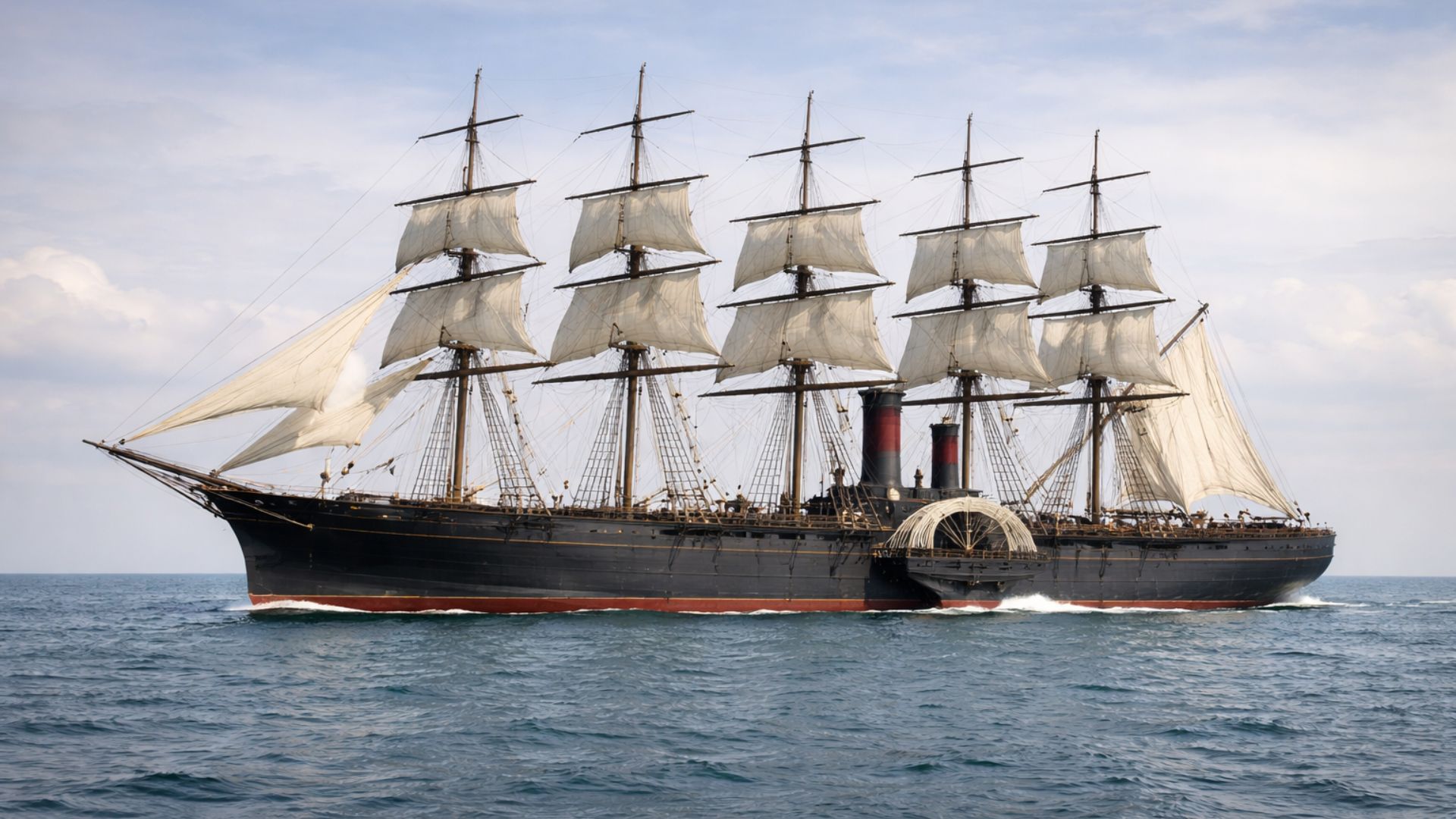
With a length of 211 meters, a double iron hull, and propulsion by sails, paddles, and a screw propeller simultaneously, the Great Eastern was the largest ship on the planet and ultimately laid the first successful transatlantic telegraph cable.
-
A truck driver spent 21 years building a 15-meter replica of New York using balsa wood, cardboard, and regular glue; the work, featuring hundreds of thousands of buildings, has become an attraction in a museum in the city itself.

Crushing Pressure: For every 10 meters of depth, the pressure increases by one atmosphere. In the Mariana Trench, the deepest point on Earth, at about 11,000 meters, the pressure is more than 1,000 times greater than at the surface. It’s like having the weight of an elephant on every square centimeter of your body. This force can crush most submersibles like a soda can.
Absolute Darkness: Sunlight penetrates only the first 200 meters of the ocean, a region known as the “euphotic zone.” Below that, darkness is absolute. To explore the ocean floor, vehicles need to carry their own illumination, which only extends a few meters ahead, making navigation and observation extremely difficult.
Freezing Temperatures: In the abyssal depths, water temperature remains permanently close to 4°C, a bitter cold that requires thermal protection systems for electronic equipment and, of course, for any human crew.
The Slow Conquest of the Depths
Exploring the ocean floor is a story of courage and innovation. The most significant milestone occurred in 1960 when the bathyscaphe Trieste, crewed by Jacques Piccard and Don Walsh, became the first vehicle to take humans to the deepest point on the planet.
However, this feat was so complex that it was repeated only a few times. For decades, more people had walked on the Moon than had visited the Mariana Trench. It was only in 2012 that filmmaker James Cameron made the second manned descent. Today, thanks to ultramodern submersibles like the Limiting Factor, the number of explorers who have reached the ocean floor has increased, but it is still an extremely select group.
Mapping the Unknown: The Seabed 2030 Project
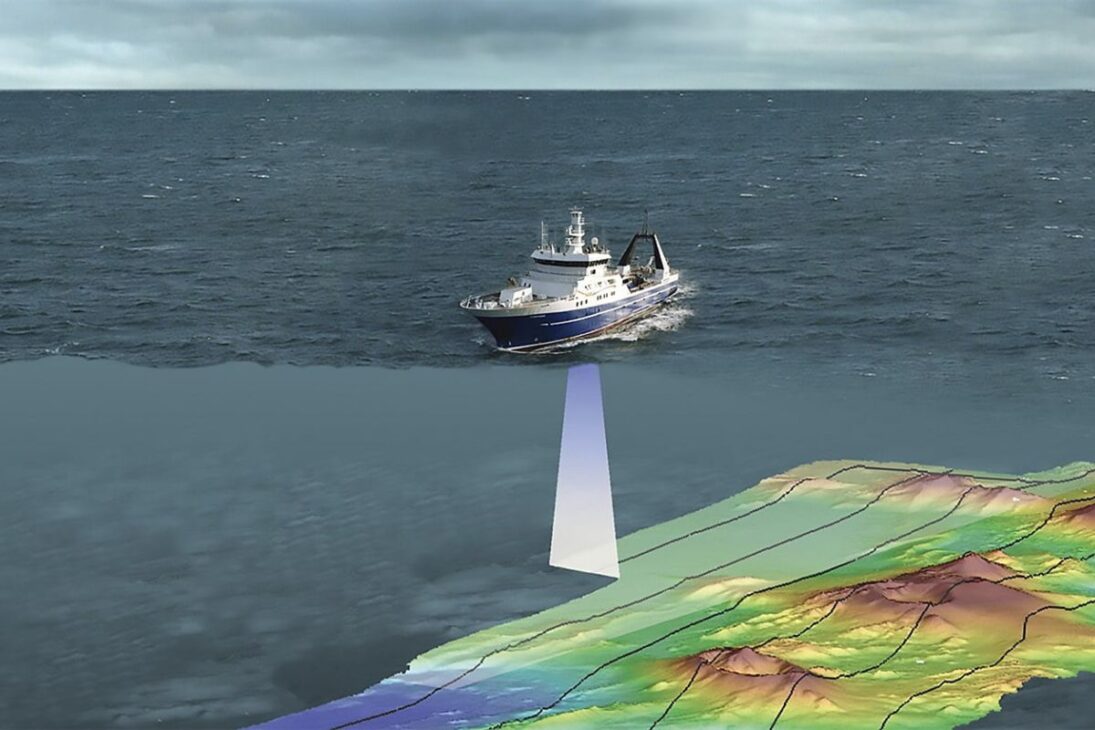
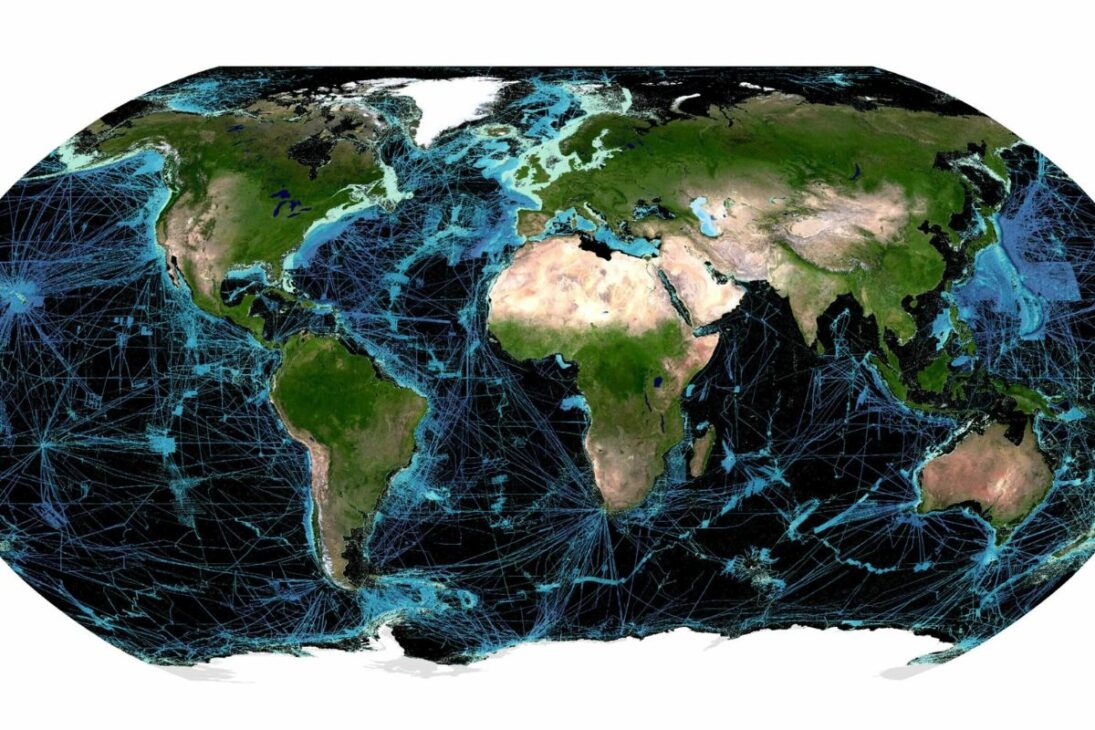
One of the biggest challenges is simply knowing what the terrain of the ocean floor looks like. Currently, only about 25% of the ocean floor has been mapped in high resolution. To change this reality, the Seabed 2030 project was created, a global initiative that brings together governments, companies, and research institutions with an ambitious goal: to map 100% of the ocean floor by the end of this decade.
Using sonar technologies on ships, underwater drones, and other autonomous vehicles, the project is compiling data to create the first complete and detailed map of our planet.
Why Is Exploring the Ocean Floor So Important?
Mapping and understanding the ocean floor is not just a matter of curiosity. This knowledge has direct implications for our lives. It is crucial for:
- Predicting tsunamis and earthquakes more accurately.
- Understanding ocean currents and their impact on global climate.
- Discovering new forms of life and biochemical compounds that can lead to new medications.
- Managing natural resources sustainably, such as minerals and energy sources.
Exploring the ocean floor is, in essence, exploring ourselves and the functioning of our planet. It is the last great frontier on Earth, a place of mysteries that we are slowly beginning to illuminate.
What do you think we will still discover in the secrets of the ocean floor? Share your thoughts in the comments!








Seja o primeiro a reagir!