





 Portuguese
  English
  Spanish
  9 min of reading


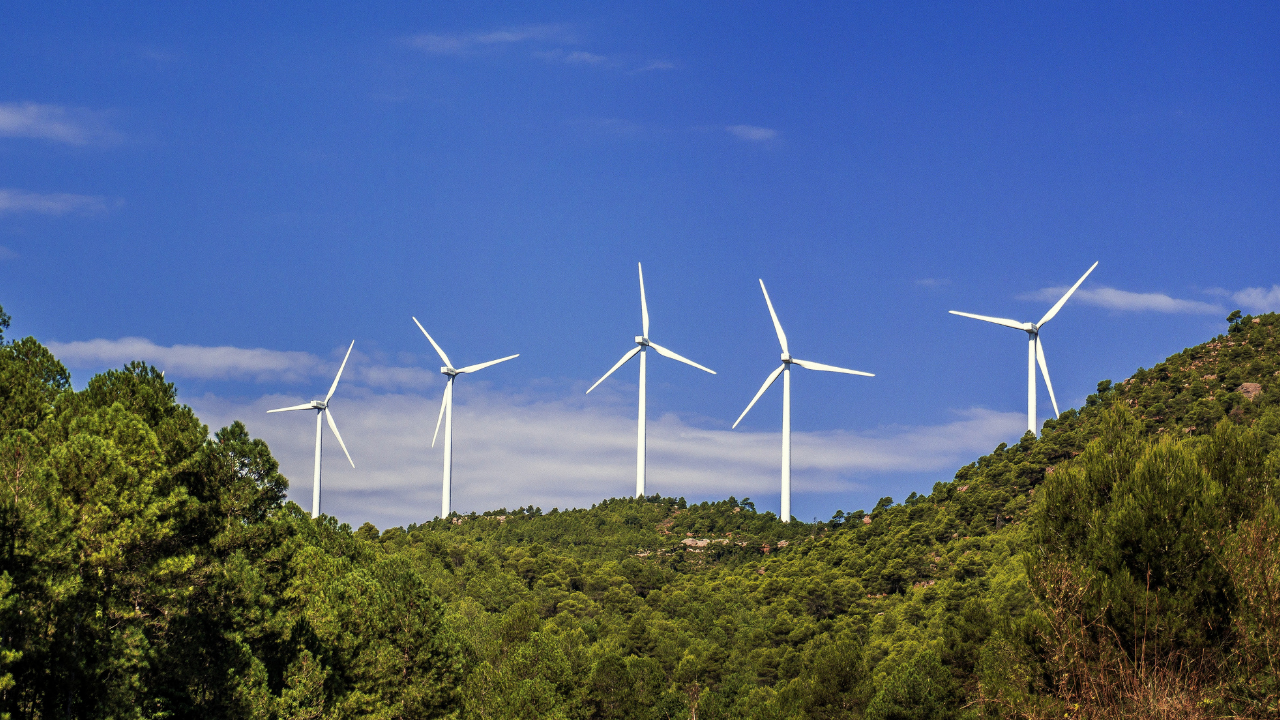
Wind Energy Is One Of The Most Abundant And Clean Renewable Energy Sources Available Everywhere. Additionally, It Is Considered The Cleanest Energy On The Planet.
The term wind energy describes the process by which wind is used to generate mechanical power or electricity. People have been using wind energy for over 2000 years in activities like grain milling and water pumping, to minimize the expenditure of human and animal drive power.
Different types of turbines are deployed to meet consumers’ specific needs, including agricultural, industrial, commercial, governmental, institutional, and residential. Just a 4.8 W turbine is capable of supplying the consumption for 7,500 homes.
Brazil has great energy potential for wind energy generation. Furthermore, when considering external factors such as air quality, human toxicity, or climate change, wind energy is cheaper than energy produced from coal, gas, or nuclear energy.
-
Researchers discover a possible hydrogen deposit of up to 46 million tons beneath an ancient coal basin, and the volume could exceed half of the entire global production.

-
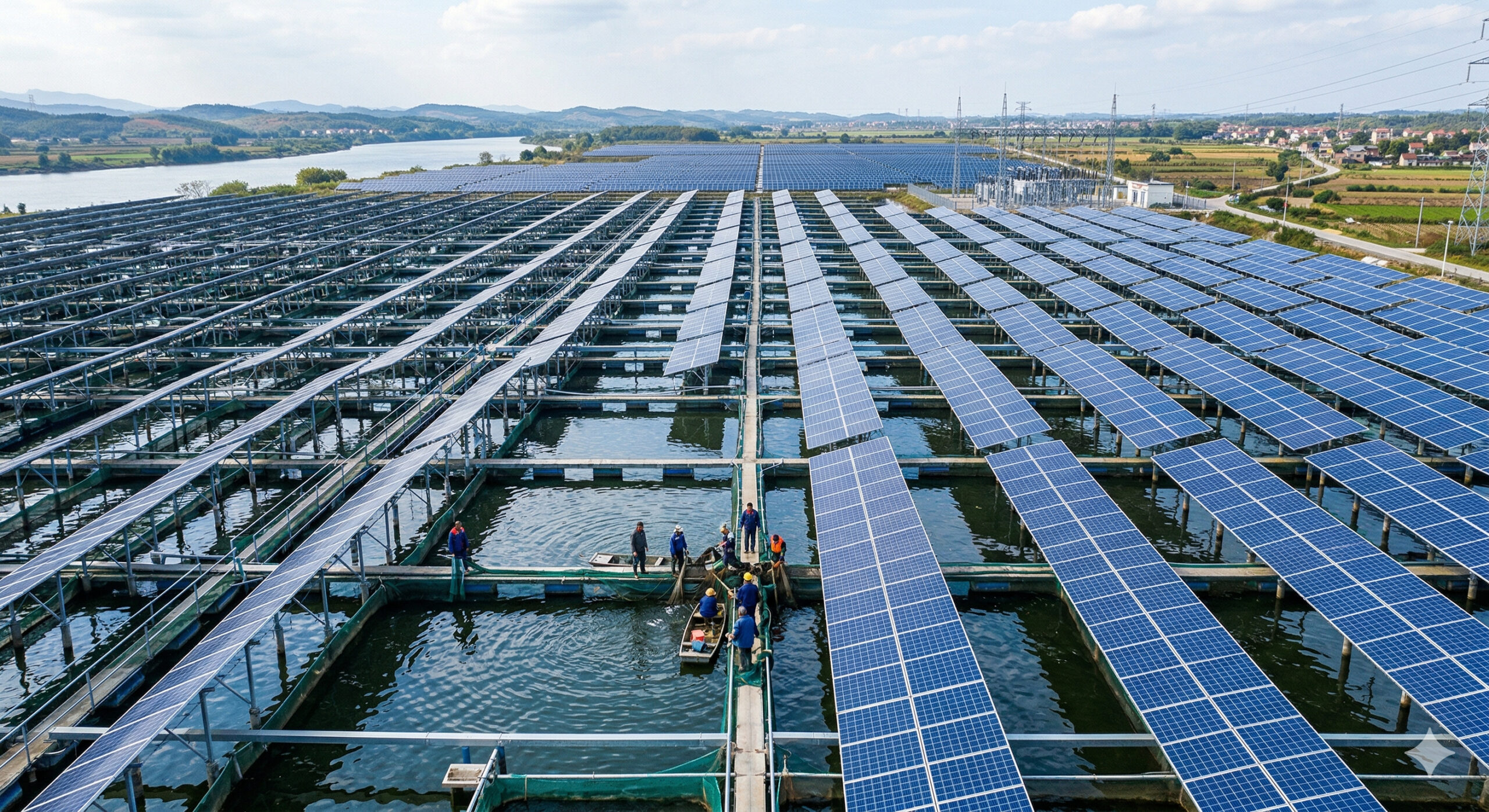
China bets on the Fishery-PV model and transforms fish farms into giant solar plants, covering ponds with panels that generate energy while utilizing the same space for large-scale aquaculture production.
-
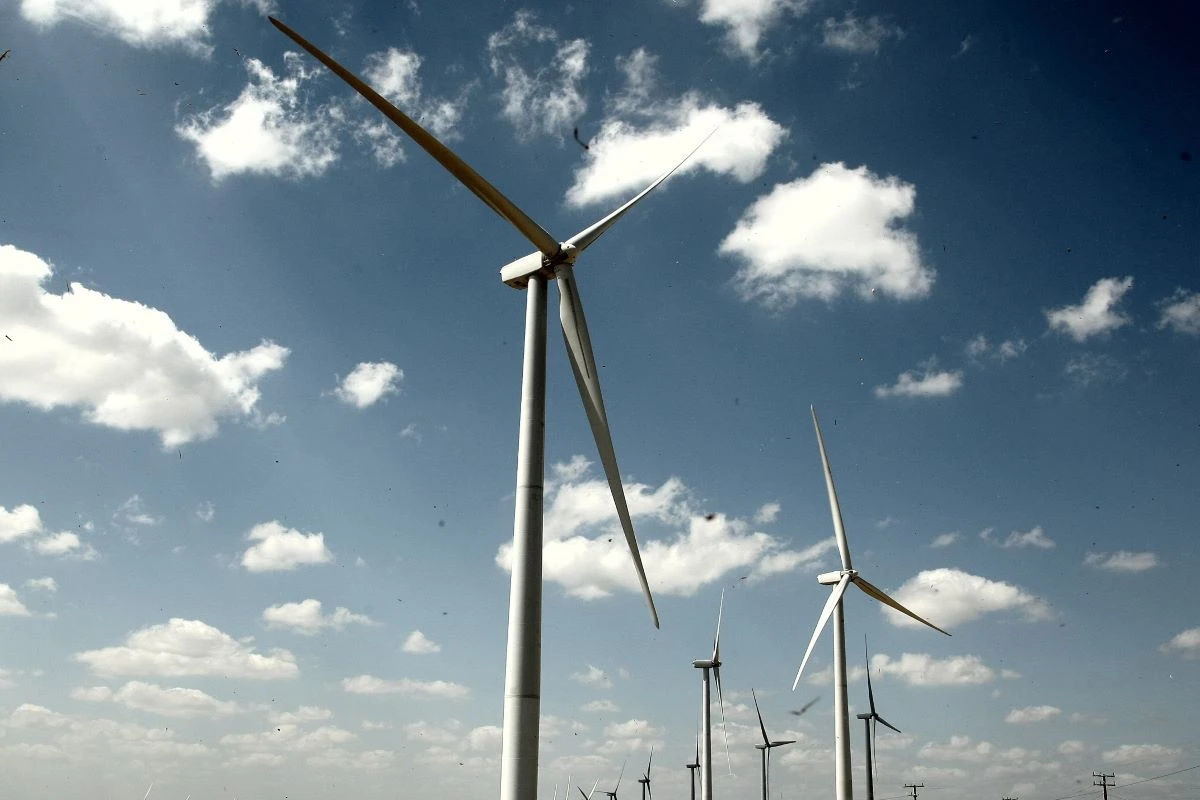
Urgent energy transition: Greenpeace advocates for massive investments and points to Brazil as a global leader in wind energy production in the coming years.
-
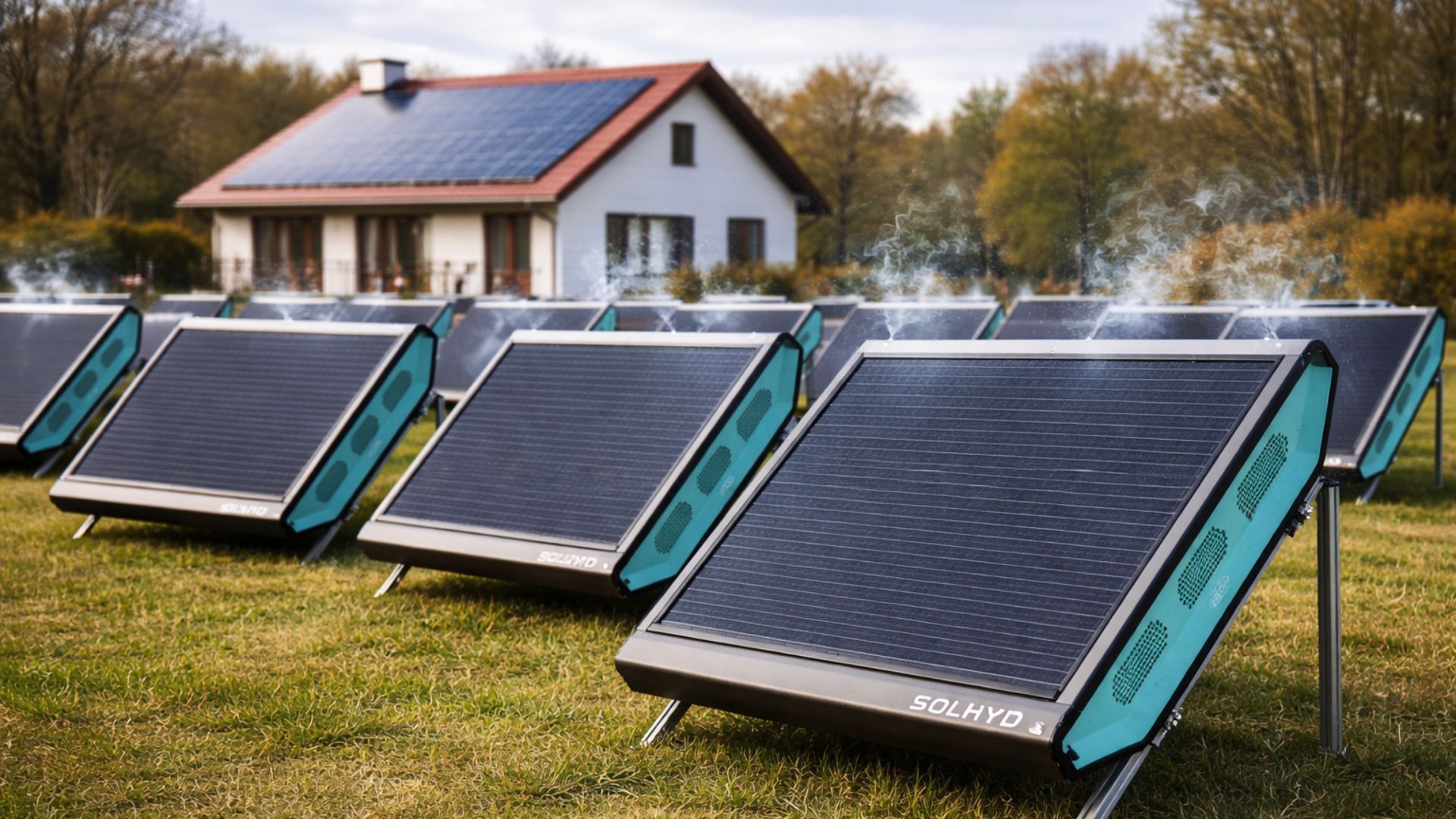
Green hydrogen at home: Belgium launches new technology that makes solar panels produce fuel from the moisture in the air, which could boost the energy transition.

Depending on where the wind turbines are installed, the wind energy produced can be onshore or offshore. Onshore wind energy produces electricity through winds from wind farms located on land. In contrast, offshore wind energy is generated through the force of winds created offshore.
Globally, Scotland has the largest floating offshore wind farm in the world. The Kincardine Offshore Windfarm can supply energy to 55,000 residences. In Brazil, although there are already some projects, this market is still in regulation.
Types Of Wind Energy Systems: Isolated, Hybrid Systems, Or Grid-Connected Systems
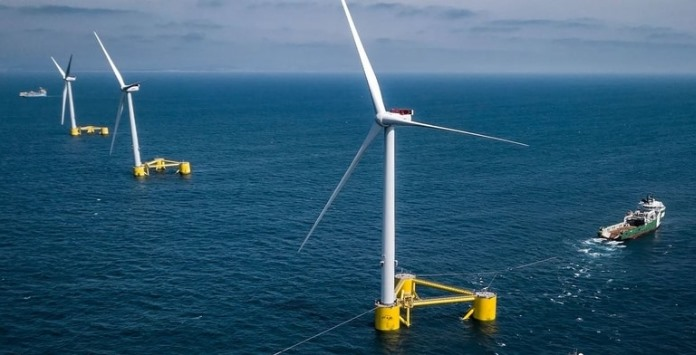
One of the pioneers in wind energy is Denmark. It was the first country to install an onshore wind farm, which was the Vindeby wind farm near Lolland. Additionally, Denmark’s onshore wind energy is among the best in the world. Wind energy plays such an important transformative role in the country that Denmark will no longer be dependent on fossil fuels by 2050.
The wind system also has 3 application forms, consisting of isolated systems, hybrid systems, or grid-connected systems.
Isolated systems are small scale and are commonly used to supply areas where extending the power grid is not feasible. The hybrid system uses more than one source to generate energy, such as solar and wind energy.
The hybrid system is generally used in locations where the population is larger. Finally, the grid-connected system uses a large number of wind turbines, forming a wind farm. In this way, all the energy produced is distributed directly through the electrical grid.
Also Read These News
- Renewable – The State Of Rio Grande Do Sul Will Receive A New Wind Power Park Worth R$ 1.09 Billion
- Joint Venture Formed By Shell, Equinor, And Total Orders 2 Wind And Natural Gas Transport Ships From Chinese Shipyard
- Federal Government Will Regulate Offshore Wind Energy Exploration By The End Of The Year
- Casa dos Ventos And Unigel Form A 20-Year Partnership To Build A New Wind Energy Complex In Bahia
- Brazilian Engineers Are Developing An Unprecedented Wind Energy Generator That Promises To Be Cheaper, More Compact, And Have More Autonomy
- Campo Largo 2 Wind Complex Operates 100% And ENGIE Reaches 1.26 GW Of Installed Capacity In Wind Energy In Brazil
Principle Of Operation Of Wind Turbines
Wind turbines (wind turbine or wind generation system) are the equipment known as giants of renewable energy, responsible for transforming the kinetic energy of winds into electrical energy.
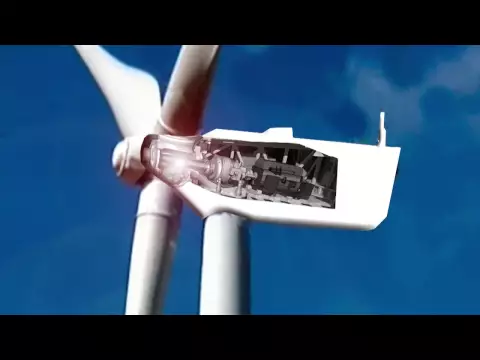

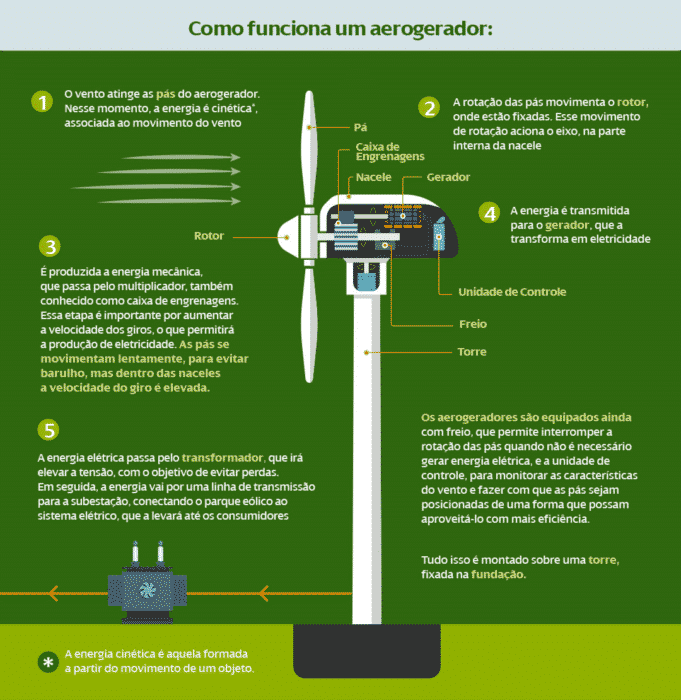
Their operating principles consist of a wind turbine that transforms wind energy into electricity using the aerodynamic force of the rotor’s wind blades. They operate like the rotor blade of a helicopter, decreasing the air pressure on the other side of the blade when the wind flows between it.
The blades capture the wind, converting its power at the center of the rotor. In this way, the lift force of the tower, the element that supports the rotor, is greater than the drag, allowing the motor to spin. A tower can support the weight of up to 15 adult elephants; such is the size of its structural component.
The heaviest component of the system is the nacelle, which is equipped with brakes that can stop the movement of the blades when it is not necessary to produce electricity and is installed at the top of the tower.
The rotor, which is a fixing element of the blades, transmits the rotational movement to the drive shaft through the gearbox and connects to the electric generator.
The electric generator converts mechanical energy into electrical energy. This connection between the rotor and the generator can be direct, through a drive turbine, or through a shaft and a series of gears (gearbox or transmission) that speed up the rotation and allow for a physically smaller generator.
The proper positioning of the turbines (or wind turbines) is done with the aid of the anemometer, which measures the instantaneous wind speed locally, and the wind vane, which is a meteorological item located next to the anemometer capable of measuring the instantaneous direction of the incident wind, ensuring full operation and optimization for the machine’s energy production.
Wind Turbines: How Are Their Components Manufactured?
Blades And Wind Turbines
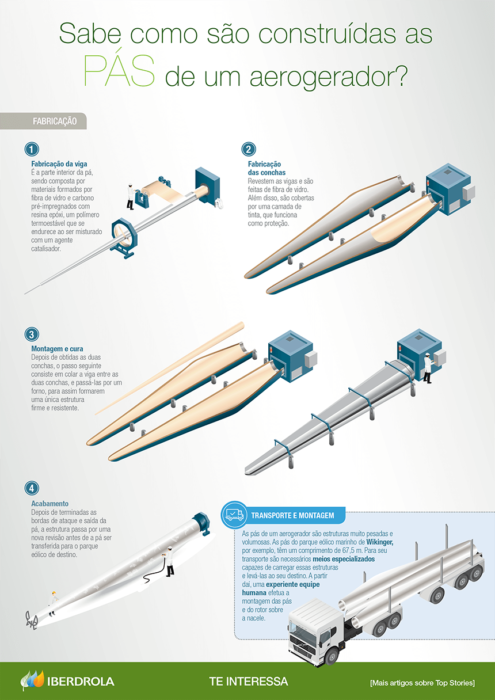
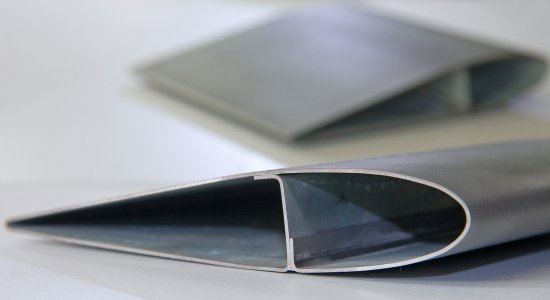
The wind blades are commonly made from composite materials, such as polymer (plastic) reinforced with fibers. The most frequently used materials in manufacturing wind blades are polyester or epoxy reinforced with fiberglass.
Another material used for reinforcement is carbon fiber or aramids. These materials are light and strong; however, they are more expensive than steel wind blades.
The high recycling rate of steel led companies to create steel wind blades, which cost up to 90% less than wind blades made from reinforced polymers. This type of material is used in blades for small wind turbines and is made entirely from formed metal, in addition to being significantly more ecological as most of the steel can be recycled.
As for the wind turbines, most of them are imported by the Brazilian industry. They are mechanical devices that convert the kinetic energy of winds into electrical energy.
The materials used in each of its components play a fundamental role in its performance. Generally, they are constructed using metal, fibers, and even wood, while other small-scale generators use aluminum or composite materials, such as fiberglass.
Main Components For Tower Construction
The towers are built from steel and concrete, with an average height reaching 110 to 130 meters. They support a massive weight; therefore, they must undergo an adequate construction process.
They are composed of several rings, also known as segments. These rings become smaller as they approach the top of the tower.
Inside the rings, ensuring structural stability, there is a steel rebar framework. There are also tendons for prestressing used to interconnect the segments (rings) and make them monolithic, meaning they behave as a single rigid system, forming the prestressed concrete.
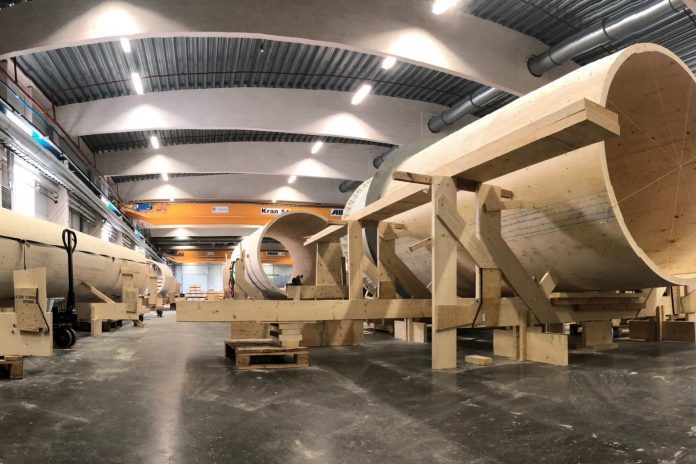
The latest technology for tower construction comes from Sweden, where researchers at the Swedish Centre for Wind Energy Technology are building the first wooden wind tower. This major advancement will make the wind turbine entirely carbon-neutral. Moreover, they are significantly cheaper than steel and concrete towers.
Installed Wind Farms In Brazil Until 2021 And Their Energy Generation Capacity.
A concentration or cluster of wind turbines forms a wind farm.
Wind farms, or wind power plants, are infrastructures capable of generating electrical energy through wind. They house the turbines that must meet certain parameters for system optimization. Therefore, it is essential to analyze the spatial, temporal, and vertical variations of the wind over the years. To this end, there are computing technologies that assist in developing the project for establishing wind farms.
The size of the land designated for the installation of the wind farm sets the guidelines for the distances between the towers. It is important that a study is carried out by specialized professionals to ensure that the tower installations are positioned in the best possible way, so that no tower “steals” the wind from another.

Additionally, it is necessary to carry out an Environmental Impact Study or Environmental Impact Report (EIA/RIMA), which must consider, among other factors, the geological and geotechnical conditions of the installation site, environmental viability, legal constraints, and accessibility of the place.
The wind energy industry in Brazil has an energy capacity of 19.6 GW, consisting of 752 wind farms. There are over 8,585 wind turbines in operation, distributed across 12 Brazilian states.
The first wind power turbine was installed in Fernando de Noronha, Pernambuco, in 1992. A large part of Brazil’s wind production is in the Northeast, a region that has one of the best winds in the world for wind energy production. The winds are constant, have a stable speed, and do not frequently change direction.
Installed Capacity And Number Of Parks By Brazilian State
Rio Grande Do Norte
Power: 5,869.8 (MW)
Parks: 197
Bahia
Power: 5,261.1 (KW)
Parks: 205
Ceará
Power: 2,384.6 (KW)
Parks: 93
Piauí
Power: 2,354.6 (KW)
Parks: 81
Rio Grande Do Sul
Power: 1,835.8 (KW)
Parks: 81
Pernambuco
Power: 800.3 (KW)
Parks: 35
Maranhão
Power: 426.0 (KW)
Parks: 16
Santa Catarina
Power: 250.0 (KW)
Parks: 18
Minas Gerais
Power: 156.0 (KW)
Parks: 1
Paraíba
Power: 361.6 (KW)
Parks: 21
Sergipe
Power: 34.5 (KW)
Parks: 1
São Paulo
Power: 2.24 (KW)
Parks: 1
Rio De Janeiro
Power: 28.0 (KW)
Parks: 1
Paraná
Power: 2.5 (KW)
Parks: 1
Main Wind Complexes And Parks In Brazil
Giribatu Wind Farm
Location: Santa Vitória Do Palmar (RS)
Installed Capacity: 258 MW
Alto Do Sertão I Wind Complex
Location: Caetité, Guanambi And Igaporã (BA)
Installed Capacity: 293.6 MW
Osório Wind Farm
Location: Osório (RS)
Installed Capacity: 300 MW
Desenvix Bahia Wind Complex
Location: Macaúbas, Novo Horizonte And Seabra (BA)
Installed Capacity: 95.2 MW
Sangradouro Wind Farm
Location: Arroio Sangradouro (RS)
Installed Capacity: 50 MW
Elebrás Cidreira 1 Wind Farm
Location: Tramandaí (RS)
Installed Capacity: 70 MW
Enacel Wind Farm
Location: Aracati (CE)
Installed Capacity: 31.5 MW
Giruá Wind Farm
Location: Giruá (RS)
Installed Capacity: 11 MW
Cabeço Preto Wind Farm
Location: João Câmara (RN)
Installed Capacity: 19.8 MW
Lanchina Wind Farm
Location: Tenente Laurentino Cruz (RN)
Installed Capacity: 28 MW
Calango Wind Complex
Location: Bodó (RN)
Installed Capacity: 150 MW
Volta De Rio Wind Farm
Location: Acaraú (CE)
Installed Capacity: 42.4 MW
Bons Ventos Wind Farm
Location: Aracati (CE)
Installed Capacity: 50 MW
Praia Formosa Wind Farm
Location: Camocim (CE)
Installed Capacity: 104.4 MW
Gargaú Wind Farm
Location: São Francisco De Itabapoana (RJ)
Installed Capacity: 28 MW
Beberibe Wind Farm
Location: Beberibe (CE)
Installed Capacity: 25.6 MW
Check here for the complete list of all 752 wind farms according to information on the ANEEL website.
Wind Energy And The Environment: Benefits And Its Environmental Impacts For A Low-Carbon Policy.
The use of wind energy has several advantages and benefits for the environment, mainly related to the non-emission of carbon dioxide into the atmosphere, contributing to the low-carbon policy.
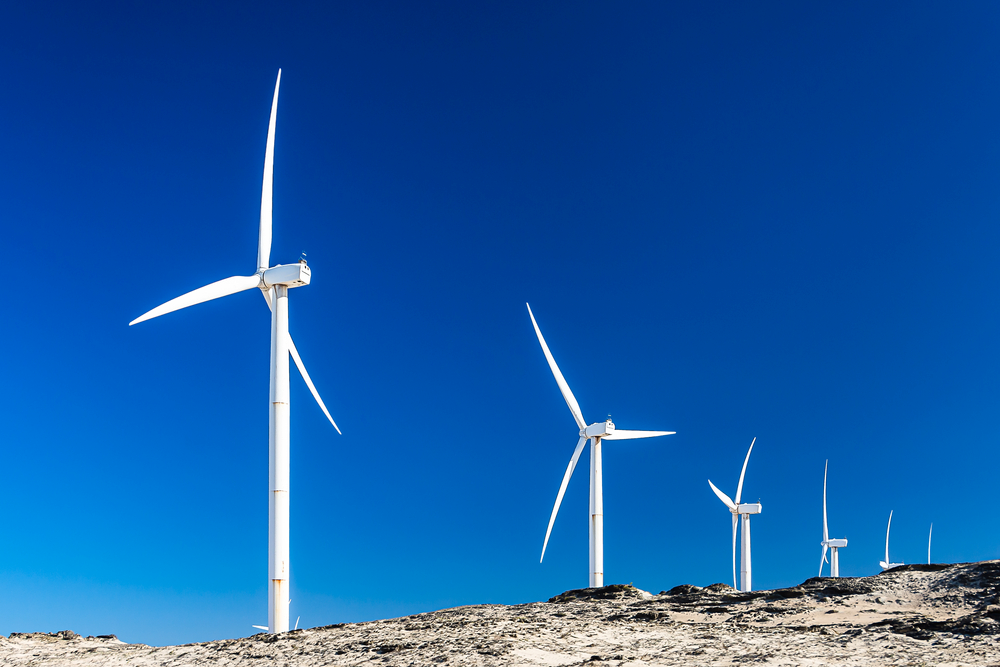
The use of wind energy has several advantages and benefits for the environment, mainly related to non-emission of carbon dioxide into the atmosphere, contributing to the low-carbon policy.
Carbon dioxide is one of the main contributors to the worsening greenhouse effect, which has caused disastrous consequences for the environment and contributes to climate change.
Wind energy features modern technology in its manufacturing, installation, and service (maintenance) processes throughout its life cycle, and it does not emit pollutants or CO2 during its operation.
With the advancement of energy efficiency programs associated with low-carbon policies, the concern about the consequences of greenhouse gas emissions by various countries has created a favorable environment for wind energy as a renewable and clean energy source. Among the main advantages, wind energy stands out as an inexhaustible energy source since, unlike other sources, there is no chance that the wind will run out one day.
In addition to being a clean and sustainable energy, wind energy is economical, as the cost of the system technology has become increasingly accessible. It preserves environmental resources, as the effects of installing a wind farm are so minimal that they do not affect the local fauna and flora.
Finally, the construction of a wind farm positively impacts the localities where they are installed, which are generally remote and low-income areas, as they help generate jobs.








Seja o primeiro a reagir!