





 Portuguese
  English
  Spanish
  5 min of reading
  0 comments


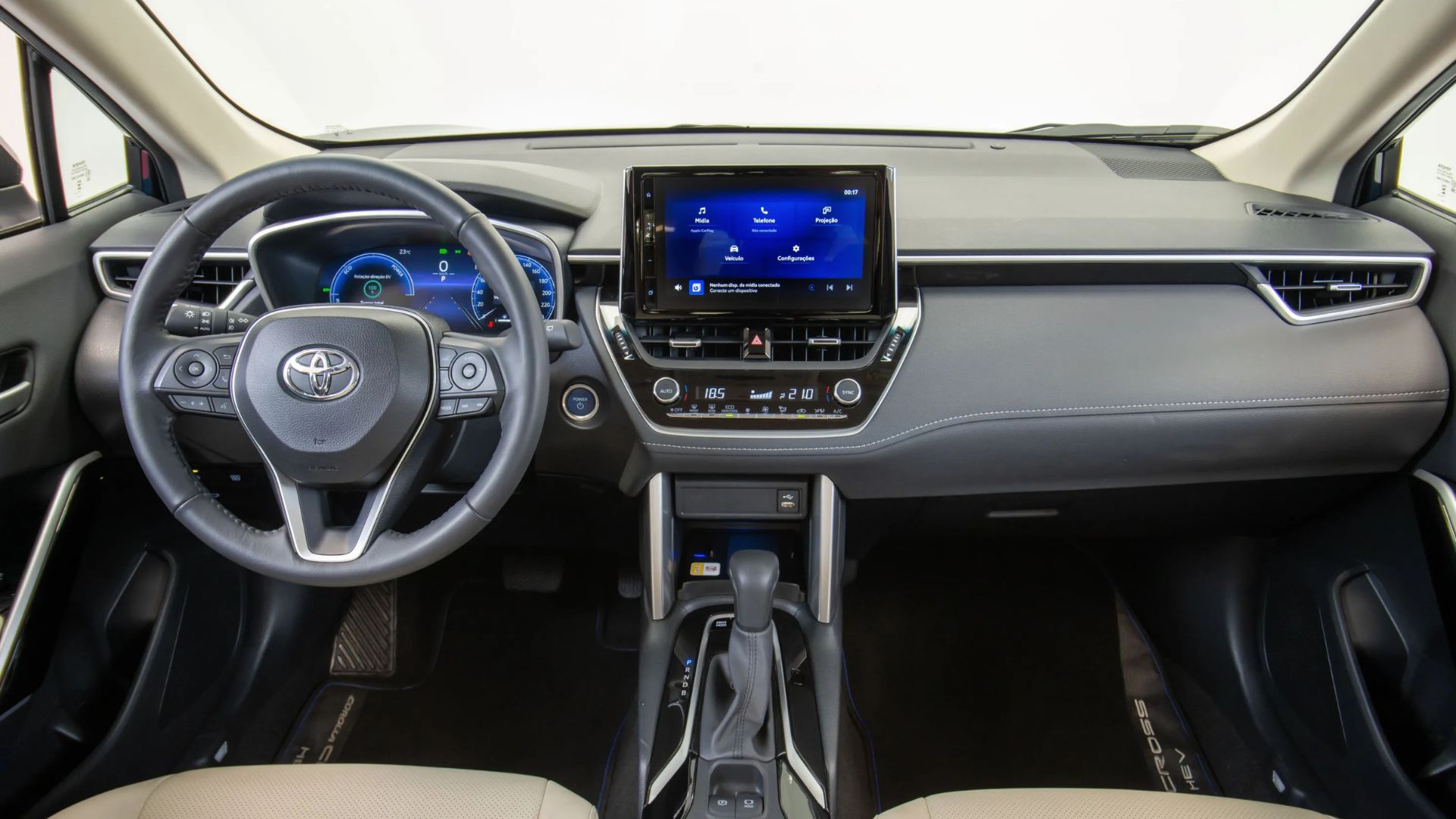
Price difference between Toyota hybrid SUVs exposes dilemma between space, performance, and economy, with versions that exceed R$ 50 thousand in distance and distinct proposals within the same brand, directly impacting the purchase decision of the Brazilian consumer.
Paying more for the Toyota Corolla Cross Hybrid still makes sense for those who prioritize space, balanced performance, and position in a segment above the Yaris Cross, but the price difference has become less easy to defend.
In Toyota’s public pricing table from April 2026, the Corolla Cross XRX Hybrid appears at R$ 222,690, while the Yaris Cross Hybrid starts at R$ 172,390 in the XRE version and reaches R$ 189,990 in the XRX.
In practice, the distance today is R$ 32,700 compared to the Yaris Cross XRX Hybrid and R$ 50,300 against the XRE Hybrid, above the previously mentioned range.
-
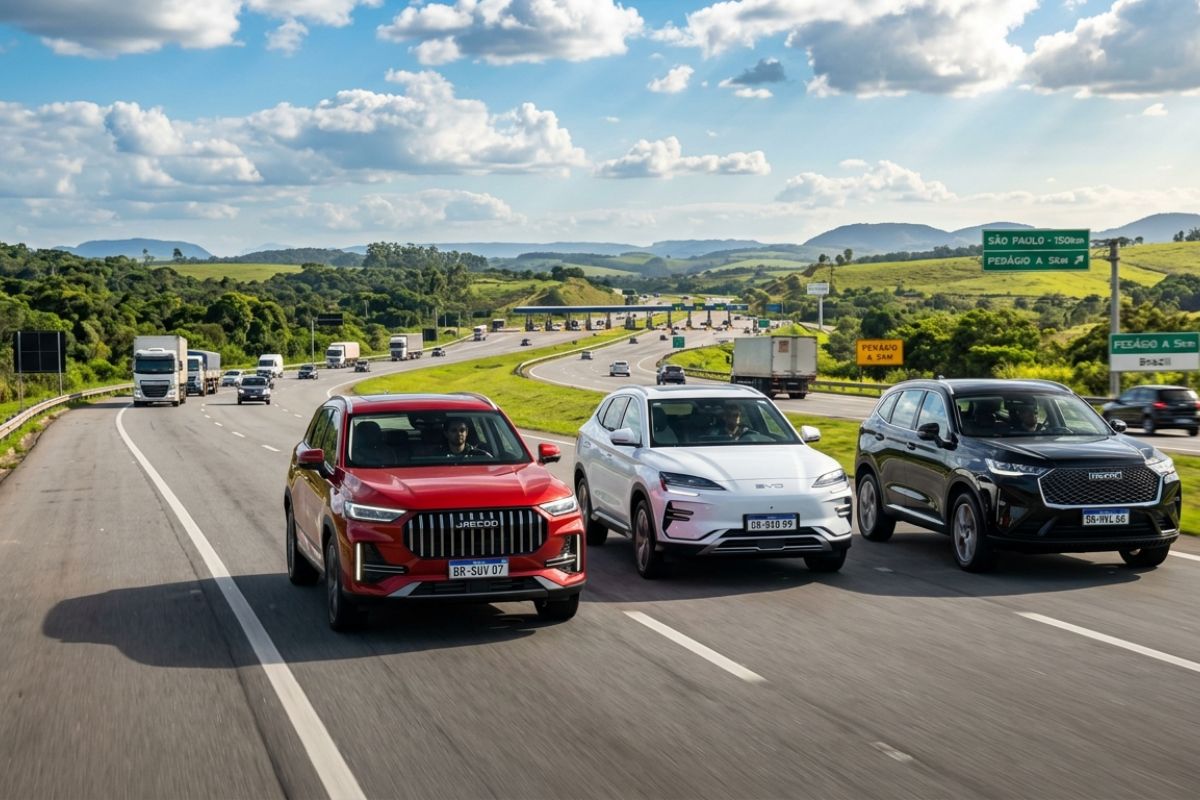
600 km with three Chinese plug-in SUVs, same mode and air conditioning on: Jaecoo 7, BYD Song Plus, and Haval H6 hit the road, and the pump reveals who was truly the most economical.
-
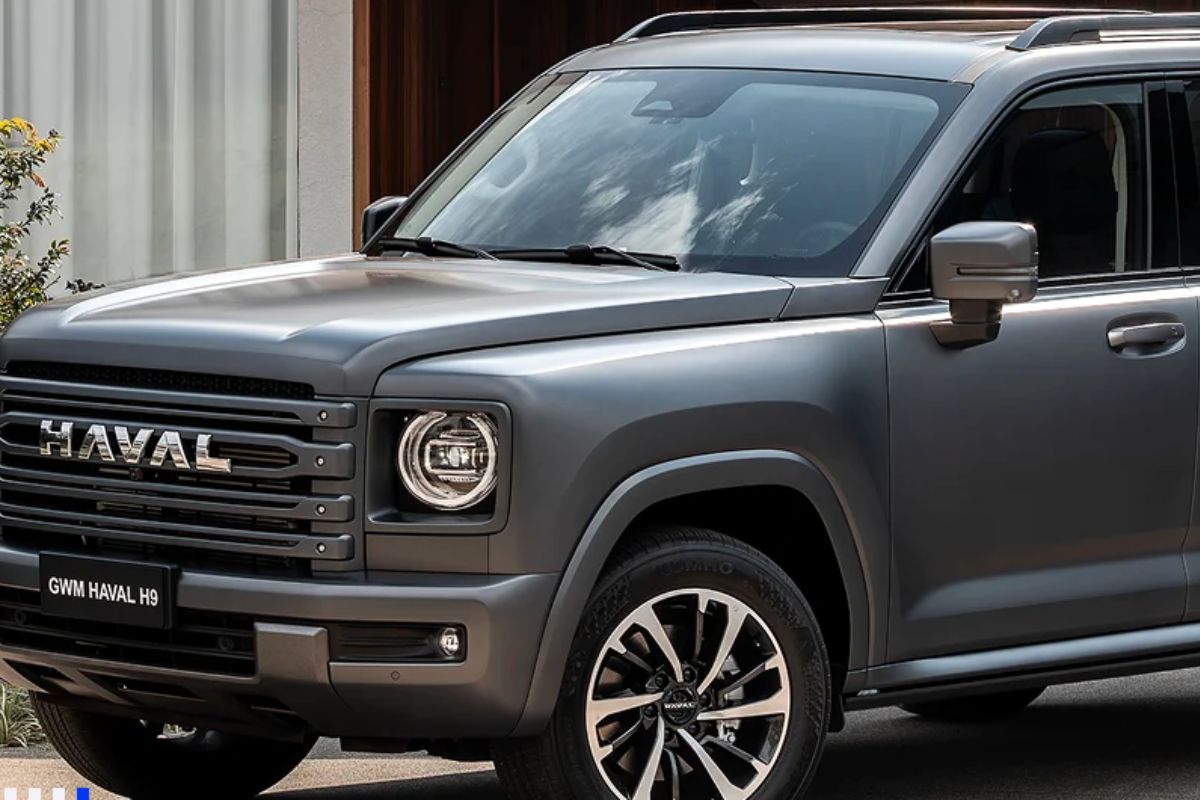
With a price almost R$ 100 thousand lower, the Haval H9 surpasses the SW4 for the first time in March, but Toyota still leads in the accumulated total for 2026; the Chinese SUV bets on technology and premium finishing to compete at the top.
-
6 used cars that cost less than a new Honda CG 160 Titan and still provide trunk space, four seats, and comfort that many new motorcycles cannot offer.
-
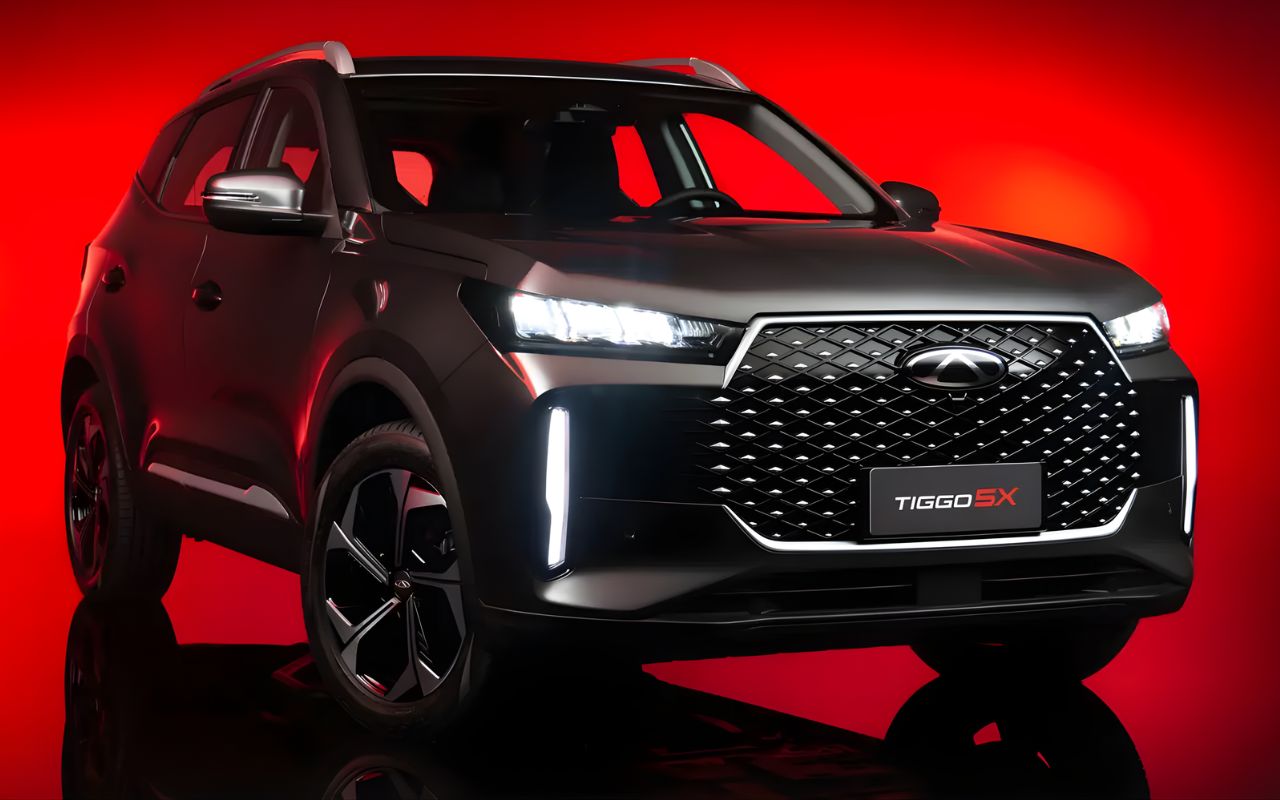
Caoa Chery Tiggo 5X skyrockets in sales in Brazil: a 2,318% increase and waiting lists of up to 4 months to acquire the model.

Positioning and proposal of Toyota hybrid SUVs
The comparison becomes more interesting because the two models do not exactly compete for the same audience, although they may overlap in the garage of someone wanting a Toyota hybrid SUV.

The Corolla Cross is positioned among medium utilities, with size and proposal closer to models like Jeep Compass and Volkswagen Taos, while the Yaris Cross was launched to operate among compact vehicles and expand the brand’s presence in a more accessible market segment.
This distinction helps to understand why the Corolla Cross remains more expensive.
Dimensions, internal space, and trunk
The larger SUV measures 4.46 meters in length, 1.82 meters in width, 1.62 meters in height, and has a 2.64-meter wheelbase, with a 440-liter trunk.
On the other hand, the hybrid Yaris Cross has 4.31 meters in length, 1.77 meters in width, 1.65 meters in height, 2.62 meters in wheelbase, and 391 liters of luggage space.
In other words, the Corolla Cross delivers more car in size and capacity, even though the wheelbase difference is small on paper.
In family use, this gain in space weighs more in the trunk and in the perception of a wider cabin than in the distance between the axles.
Those who transport large suitcases, strollers, or often travel with the back seat occupied tend to perceive a real advantage in the Corolla Cross.
On the other hand, the Yaris Cross responds with more city-friendly external dimensions and a proposal that targets consumers who want electrification without jumping to the medium SUV segment.
Hybrid engine and performance in practice

Under the hood, both adopt the full hybrid architecture, eliminating the need for external charging.
In the Corolla Cross, the setup combines a 1.8 flex engine and an electric system to deliver 122 hp of combined power, with a Hybrid Transaxle CVT transmission.
In the hybrid Yaris Cross, Toyota uses a 1.5 flex engine paired with two electric motors, providing 111 hp of combined power.
The distance between them is not huge, but it exists, and the Corolla Cross has an advantage when the demand for power is greater.
This difference in proposal also appears on the road.
The Corolla Cross was not designed to be sporty, but it offers a performance reserve more compatible with its size and loaded trips.
The Yaris Cross, on the other hand, focuses on calibration aimed at efficiency and urban use.
Fuel consumption and energy efficiency
When it comes to consumption, the smaller model really comes out on top, but the advantage is not broad enough to justify a segment change on its own.
According to Toyota and the launch material for the Yaris Cross based on the PBEV from Inmetro, the compact hybrid achieves up to 17.9 km/l in the city and 15.3 km/l on the highway with gasoline.
In the Corolla Cross Hybrid, the brand reports 17.8 km/l in the city and 14.7 km/l on the highway under the same conditions.
The most important reading here is another: both are very efficient for their size and the proposal they deliver.
This point deserves attention because there were numbers circulating inversely between city and highway.
In the update with the most recent public data found, the Yaris Cross maintains the lead in efficiency, but the Corolla Cross is very close in urban cycles and only loses more clearly on the highway.
For those who mainly drive in heavy traffic, the practical difference may be smaller than the table suggests.
Sales, market, and impact of the Yaris Cross
The good commercial phase of the Corolla Cross helps explain why it remains strong even with the arrival of its smaller sibling.
In August 2025, the Toyota SUV led the monthly ranking of the segment in Brazil, with 7,737 units, narrowly surpassing the Volkswagen T-Cross.
It was a peak that reinforced the strength of the Corolla name and the brand’s appeal among consumers who associate Toyota with reliability, resale value, and low purchase risk.
Still, the advance of the Yaris Cross changed the conversation within the network itself.
Toyota began offering a cheaper, smaller hybrid more aligned with the daily use of those who primarily circulate in urban centers.
As a result, the Corolla Cross is no longer the entry point for those wanting an electrified SUV from the brand.
Finish, proposal, and driving experience
In the cabin, the distinction in positioning also appears.
The Yaris Cross features soft-touch finishes in parts of the dashboard and doors in the higher versions, along with an active safety package and good connectivity content.
The Corolla Cross, however, continues with the mission of delivering a perceived experience as more robust within the national range of Toyota SUVs.
This resonates better with buyers who do not want just economy but a larger car to stay in the garage for several years without feeling like a step down.
Therefore, the answer to the choice relies less on the isolated technical sheet and more on the usage profile.
The Yaris Cross Hybrid is the more rational choice for those who want to enter the world of Toyota flex hybrids while spending less.
On the other hand, the Corolla Cross XRX Hybrid remains the most complete product for those willing to pay significantly more for a larger trunk, wider body, and a setup that aligns with a higher segment.








Seja o primeiro a reagir!