





 English
  Francês
  Alemão
  Italiano
  Japonês
  Norueguês
  Portuguese
  Spanish
  5 min of reading
  0 comments


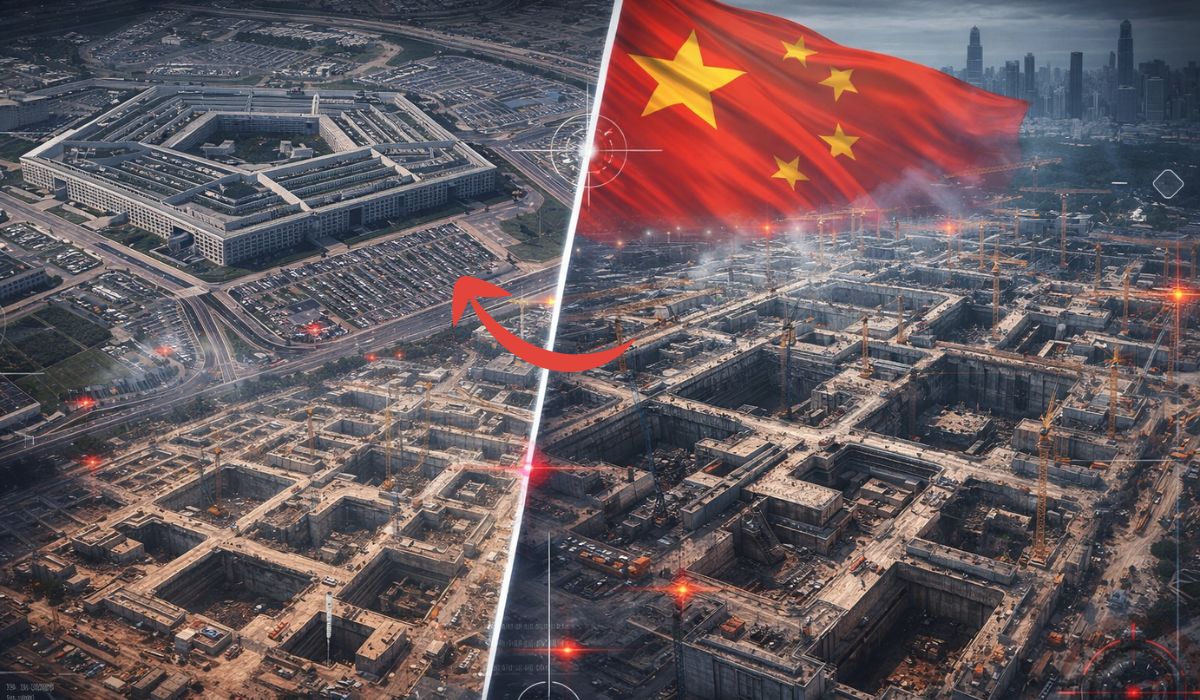
Work monitored by satellite images and intelligence reports focuses attention on the advancement of Chinese military modernization and the possible redesign of strategic command structures in a conflict scenario.
An area under construction in the western zone of Beijing has begun to be monitored by intelligence analysts, satellite image specialists, and defense-related sources.
Amid the modernization process of the Chinese Armed Forces, the site is treated by authorities and researchers interviewed by the Financial Times as part of a project with potential impact on the country’s military command structure in the event of war.
According to information obtained by the newspaper from current and former American officials, the Chinese Army is constructing a large-scale complex about 30 kilometers southwest of Beijing.
-
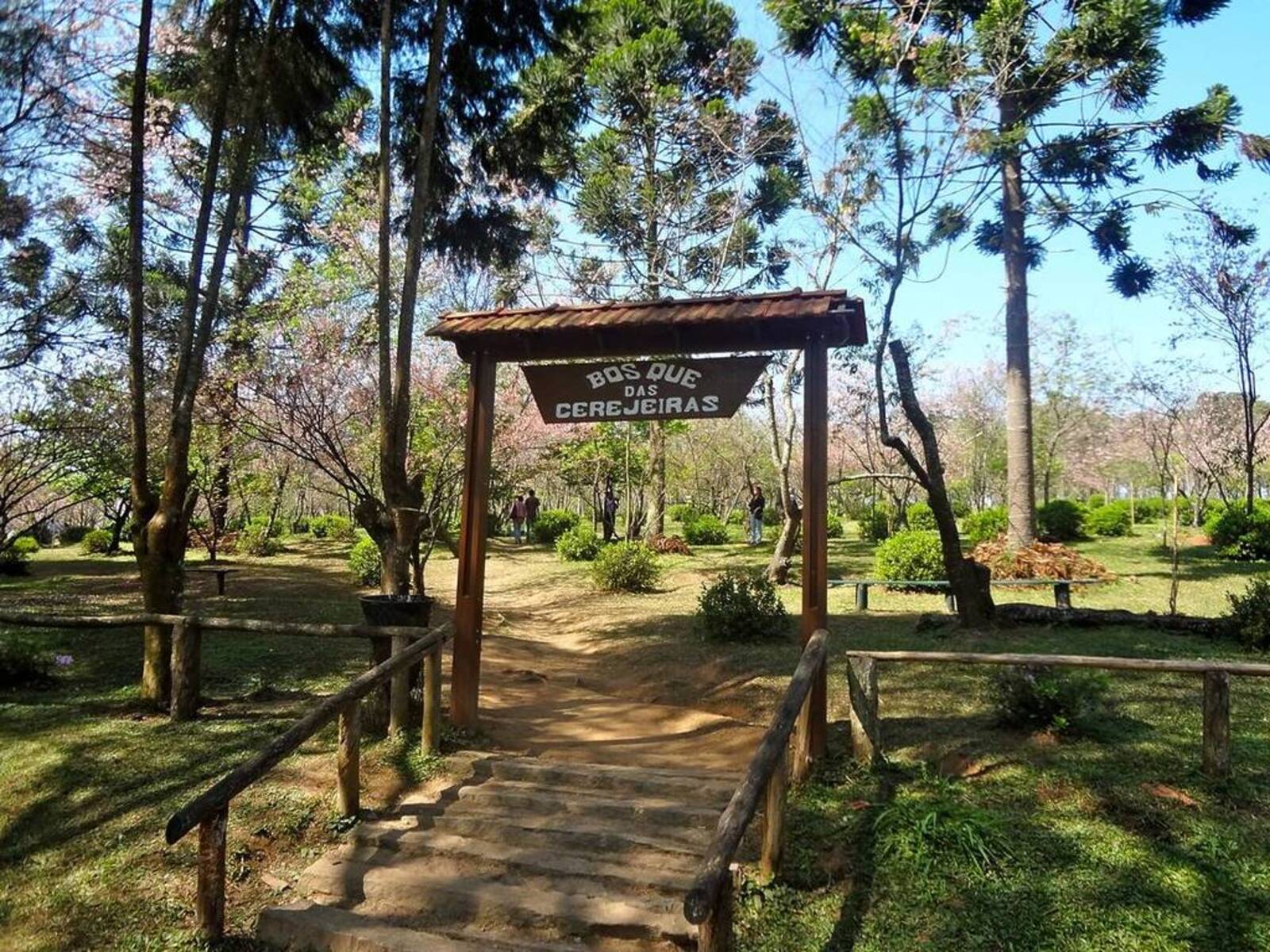
Few people know, but São Paulo houses in Itaquera one of the largest cherry blossom groves in the world, with 2,300 trees outside of Japan.
-
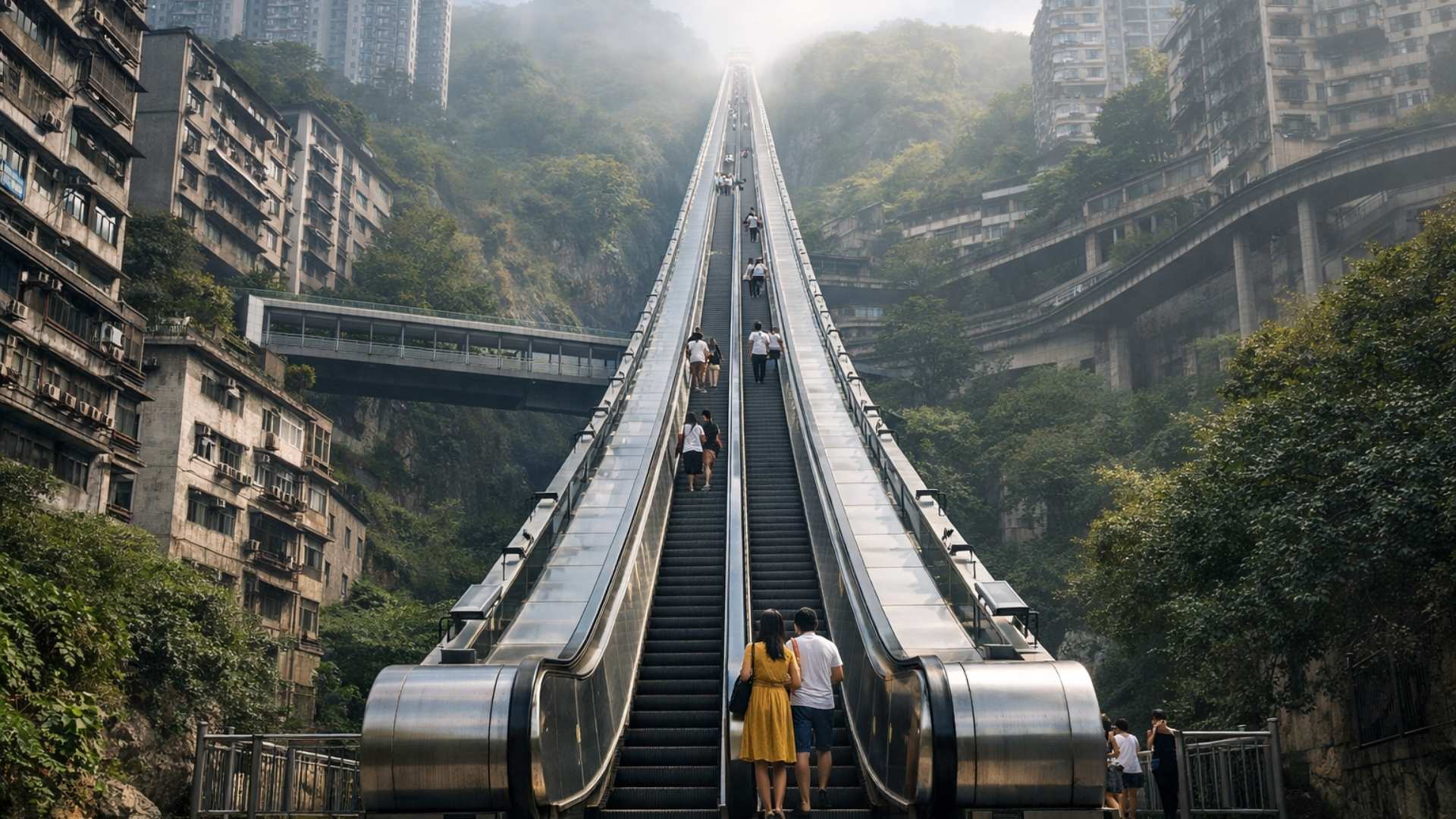
With 905 meters, China has built the world’s largest urban escalator in Chongqing, overcoming a height difference of more than 240 meters, equivalent to 80 floors, and reducing the journey from 1 hour to just 20 minutes.
-
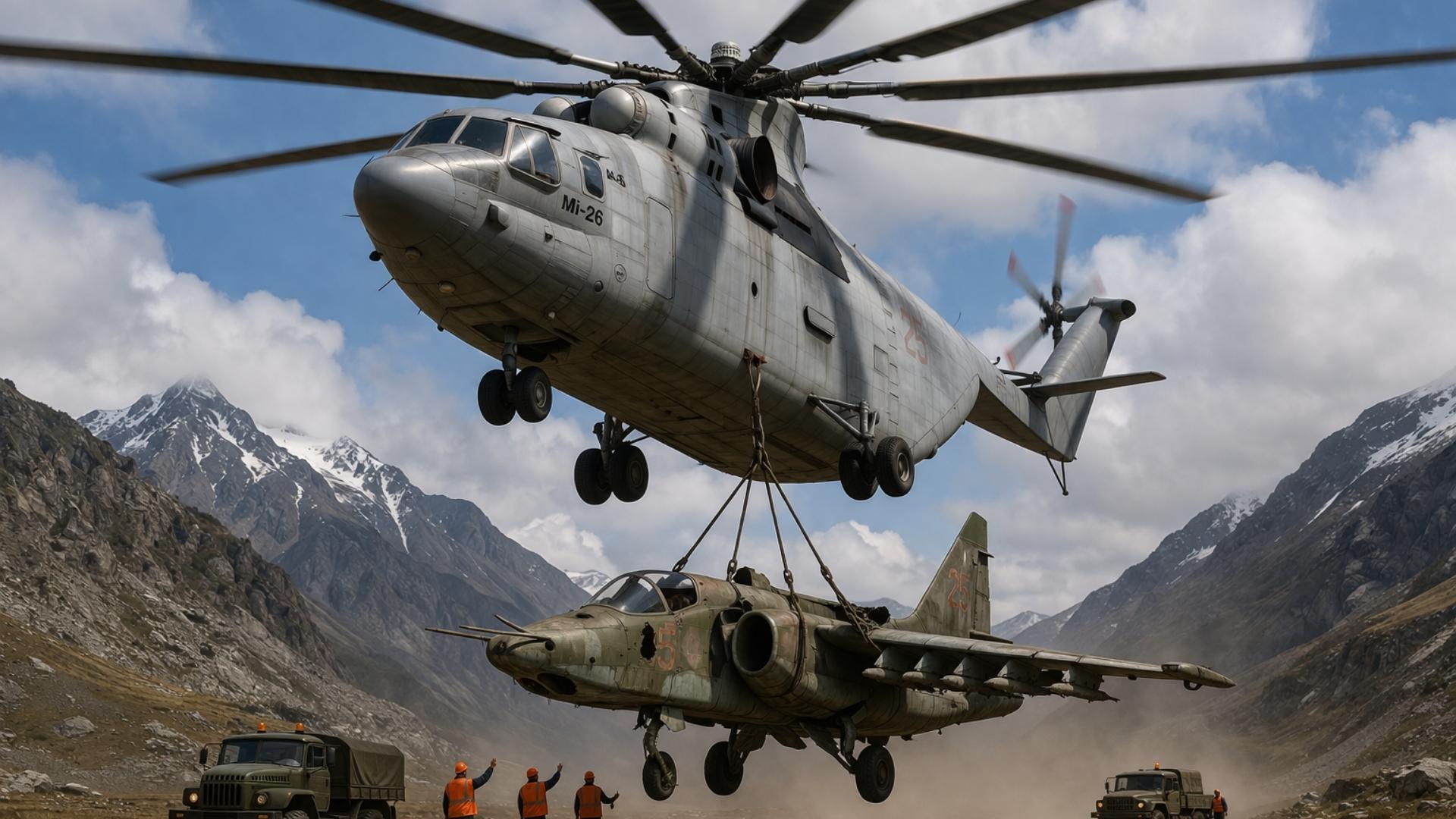
Weighing 56 tons, the largest and most powerful helicopter in the world is a giant measuring 32 meters that consumes 9 liters per second, has already rescued entire airplanes in extreme missions, and its height is equivalent to a 3-story building.
-
What motivates children to learn and what doesn’t work: a study with over 200,000 students reveals why curiosity outweighs rewards and how grades, praise, and prizes can reduce performance and creativity.


The assessment of U.S. intelligence members is that the facility could function as a war command center larger than the Pentagon, with reinforced underground structures to house Chinese military leadership in the event of a conflict.
Satellite images analyzed by specialists show a construction site of approximately 1,500 acres, equivalent to about 6 square kilometers, with deep excavations and signs of heavy construction.
According to people familiar with the monitoring, the project has begun to be closely watched by the American intelligence community and has received, among some analysts, the informal nickname of “Beijing Military City.”
The construction is advancing at a time when the People’s Liberation Army is expanding its armament programs, accelerating integration among its different branches, and pursuing goals linked to the centenary of the force in 2027.
U.S. officials also state that Xi Jinping has ordered the military to develop the capability to attack Taiwan by that milestone.
At the same time, the expansion of the nuclear arsenal and the strengthening of the command chain appear, according to these assessments, as central elements of Chinese military restructuring.
Satellite images and signs of the military construction in Beijing
Dennis Wilder, former chief of China analysis at the CIA, stated that if the suspicion is confirmed, the project will indicate Beijing’s intention to go beyond building a first-rate conventional force.
In his assessment, the existence of an advanced underground bunker for military leadership, including Xi Jinping at the helm of the Central Military Commission, would also point to a structure aimed at nuclear warfare.
In response to the Financial Times, the Chinese embassy in Washington stated that it was unaware of the details of the construction but reiterated that China maintains a defensive defense policy and a commitment, according to the diplomatic representation, to peaceful development.

Renny Babiarz, former imagery analyst at the National Geospatial-Intelligence Agency, stated that he identified at least 100 cranes in operation in an area of 5 square kilometers aimed at developing underground infrastructure.
According to him, the reading of the images suggests the construction of several facilities possibly connected by underground passages, although more data is still needed for a definitive conclusion.
Another point noted by specialists is that the site does not exhibit characteristics associated with large civil real estate projects.
For example, there are no sales booths common in commercial projects.
Moreover, the construction hardly appears in official mentions on Chinese internet, something that, according to analysts, is inconsistent with the disclosure pattern of projects of this magnitude.
Access restriction and control in the surroundings of the construction site
Although the available images do not show overt military presence, the surroundings of the area gather signs of restriction.
Signs prohibit the use of drones and photography.
Guards block access and avoid commenting on what is being built.
At one of the entrances, the Financial Times team reported hearing from security personnel that passage was prohibited.
At the back of the construction, there is a control post.
A local merchant described the area as a “military zone,” while a security guard stated that the public could no longer access nearby trails and tourist spots.
Individually, these reports do not prove the function of the complex, but they were considered by the newspaper as elements that reinforce the perception of it being a sensitive installation.
Why the new complex entered the international radar
An American source who held a high position in intelligence stated that the current headquarters of the Chinese Army, in central Beijing, is relatively new but was not designed as a secure combat command center.
According to this assessment, China’s main protected center is located in Western Hills, northeast of the new facility, and was built decades ago during the Cold War.
According to this former official, the size of the construction, its scale, and the partially buried characteristics indicate that the new complex may replace the old structure as the main command center in wartime.
He added that the Chinese leadership may consider the new facility more resistant to munitions capable of penetrating bunkers and more suitable to withstand a nuclear attack.
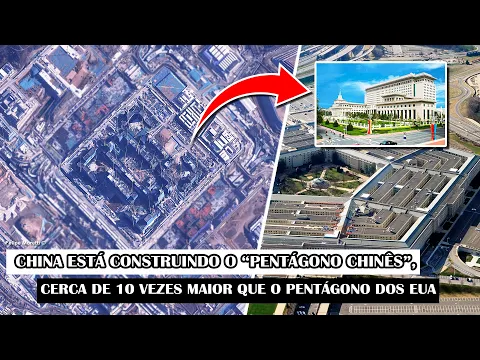

There would also be space, according to this source, to incorporate more secure communications and accommodate the expansion of the country’s military capabilities.
Another researcher familiar with the images stated that the site exhibits “all the traits of a sensitive military installation,” with heavily reinforced concrete and deep underground tunnels.
In the same assessment, the project, “almost 10 times larger than the Pentagon,” would align with the ambition attributed by analysts to Xi Jinping to expand China’s military power relative to the United States.
Qinglonghu, local speculations, and analysts’ reading
The construction is taking place amid a broader process of remodeling the western outskirts of Beijing.
Still, demolitions of properties in the Qinglonghu area have begun to fuel speculation among Chinese on local networks and forums.
In a post on Baidu Zhidao, a platform compared to Quora, a user asked whether the government was building the “Chinese Pentagon” there.

In addition to American sources, two people close to the Taiwan Ministry of Defense said that the People’s Liberation Army appears to be erecting a new command center.
However, the hypothesis is not treated as consensus.
Hsu Yen-chi, a researcher at the think tank Council on Strategic and Wargaming Studies in Taipei, noted that, given the size of the land, the site could also house a large administrative organization or a training base.
The researcher also raised doubts about the suitability of the area for underground bunkers.
Still, the combination of unusual dimensions, deep construction, strong access control, and official silence has turned the site into a target of attention among military analysts.
If the assessment of authorities and experts interviewed by the Financial Times is confirmed, the facility could raise international concerns about China’s level of preparedness for crisis scenarios and about the protection of its command chain in the event of war.






Seja o primeiro a reagir!