





 Portuguese
  English
  Spanish
  6 min of reading
  0 comments


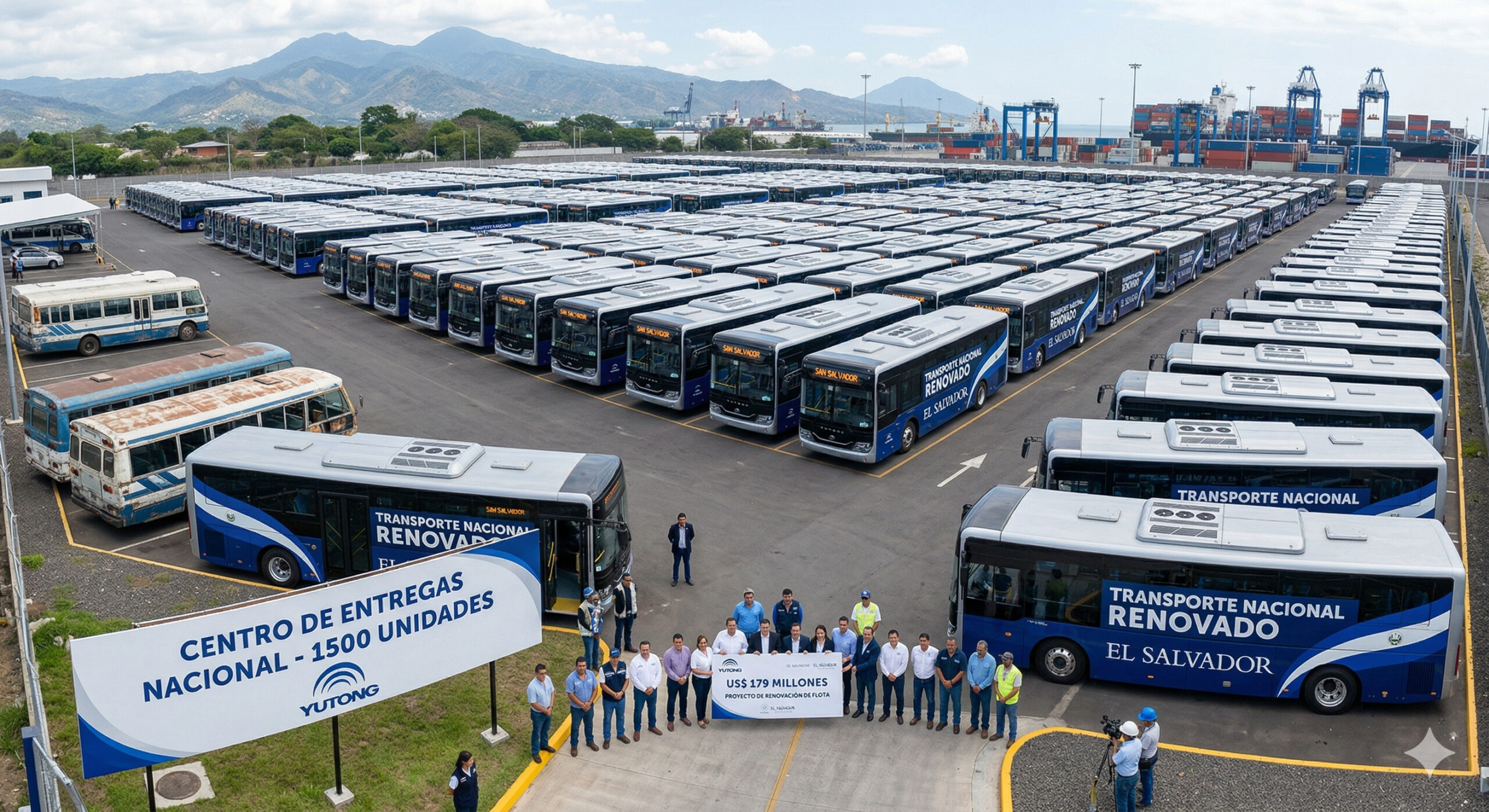
El Salvador plans to renew its entire bus fleet with 1,500 Yutong vehicles in a US$ 179 million project that could transform national transportation.
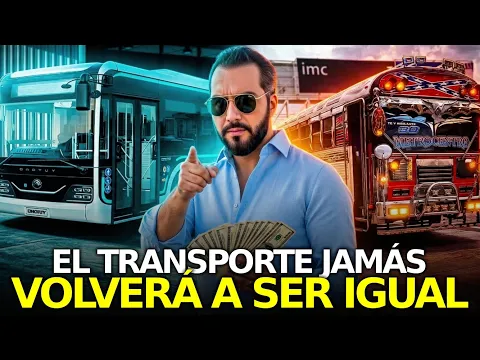
In 2024, the government of El Salvador, under the administration of President Nayib Bukele, advanced a plan considered the most ambitious ever proposed for the country’s public transportation: the large-scale replacement of the national bus fleet with new vehicles, with strong participation from the Chinese manufacturer Yutong. The initiative was structured based on international financing of up to US$ 179 million, as reported by Busworld Latin America. The project planned for the acquisition of up to 1,500 buses, a number that drew attention not only for its volume but also for its potential impact. According to industry coverage and subsequent statements from Salvadoran authorities, the proposal was presented as capable of renewing 100% of the country’s public transport units or, in later versions from the government, at least promoting a structural renewal of the fleet in the Metropolitan Area of San Salvador. The timeline also underwent adjustments: in November 2024, Minister Romeo Rodríguez stated that the vehicles should arrive by the end of 2025; in April 2025, Deputy Minister Nelson Reyes said he expected their arrival by the end of 2025 or the beginning of 2026.
The initiative emerged in a context of pressure for modernization of Salvadoran public transport, historically marked by old vehicles, high wear, and low operational efficiency. The plan sought to change this scenario structurally, with the introduction of a new generation of more modern buses. However, by April 2026, the project still appeared publicly as pending, with no widely disseminated official confirmation that the total fleet renewal announced in 2024 had been completed.
Project with 1,500 buses could represent nearly total replacement of the national fleet
The number of vehicles involved in the project is one of the central points of the government’s agenda. In many countries, fleet renewals occur gradually, over several years and with smaller volumes. In the case of El Salvador, the proposal stands out precisely for its scale.
-
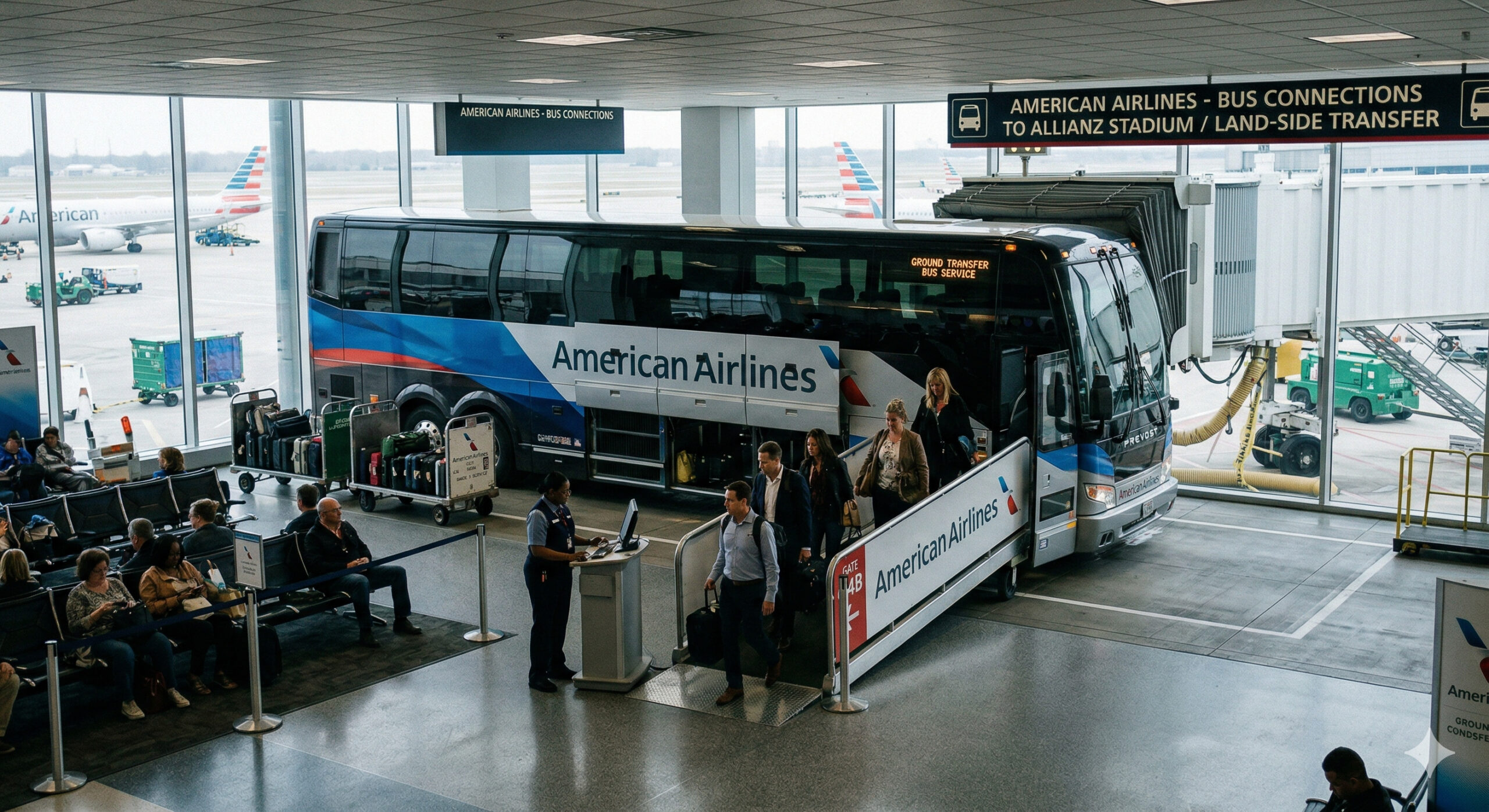
American Airlines starts selling trips as if they were flights, with check-in and baggage check at the airport, but on short routes, passengers board luxury buses connecting cities to major hubs in the U.S.
-
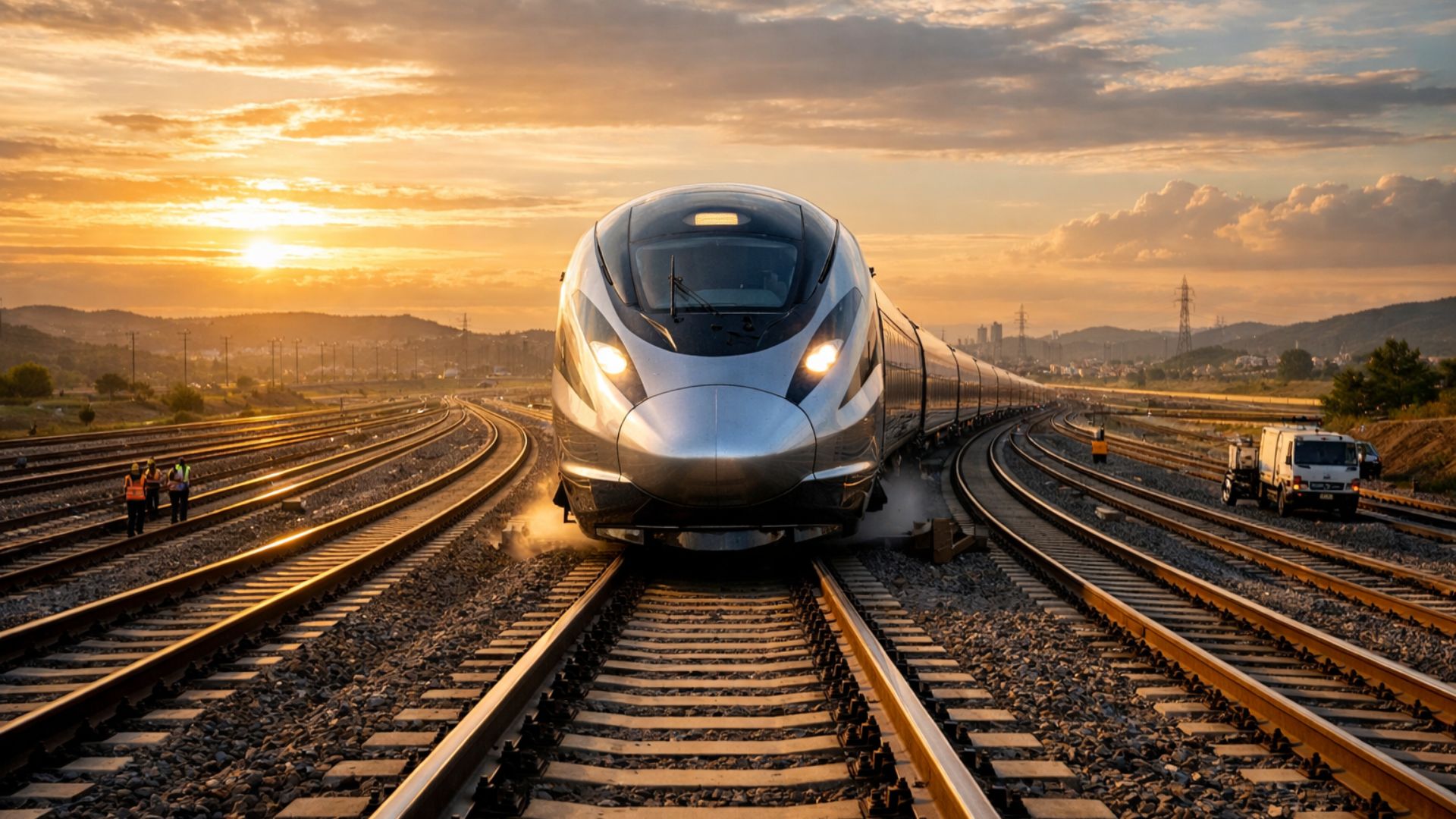
São Paulo surprises the world with a colossal railway network project that promises over 1,000 km of tracks, R$ 194 billion in investments, and 40 projects connecting the capital to the interior with fast and sustainable trains.
-
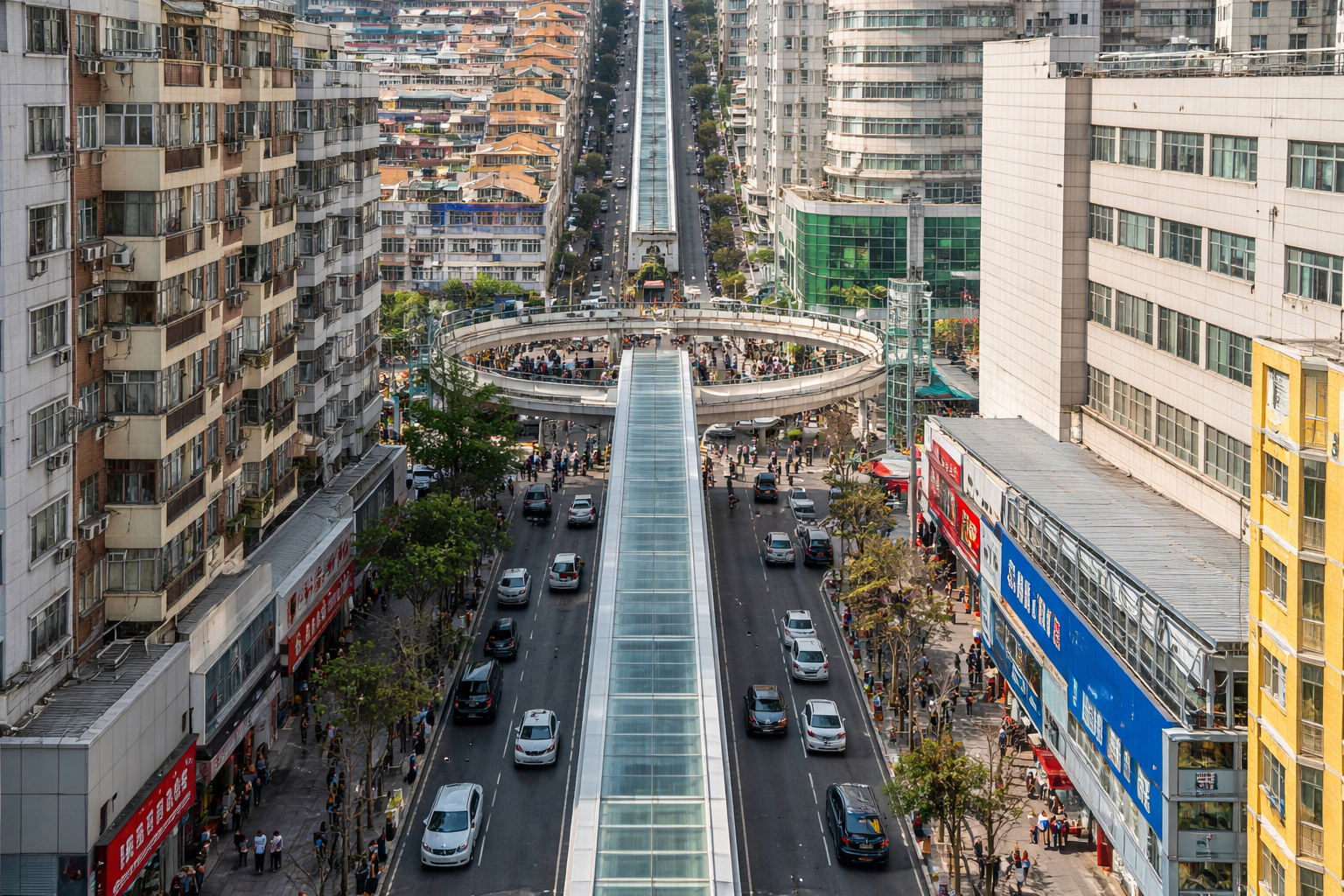
The world’s largest escalator, measuring 905 meters in China, reduces urban travel time from 1 hour to about 20 minutes and transforms mobility in mountainous regions with an engineering solution adapted to the terrain.
-
A R$ 300 million logistics giant is taking shape in Serra with over 100,000 m² and raises a question: how can this transform e-commerce and distribution in the state?
The acquisition of up to 1,500 buses represents a volume capable of replacing a significant portion, or even the entirety, of the existing fleet, depending on the final implementation of the project. This transforms the initiative into one of the largest attempts at restructuring public transportation ever recorded in a Central American country.
This type of approach has direct implications for the operation of the system, as it allows for vehicle standardization, improvement in maintenance, and potential reduction of operational costs in the medium term.
Partnership with Chinese manufacturer Yutong reinforces China’s presence in Latin American transportation
The choice of the company Yutong as the supplier of the vehicles places the project in a broader geopolitical context. The Chinese manufacturer is one of the largest bus producers in the world and has expanded its presence in Latin America through contracts with governments and transport operators.

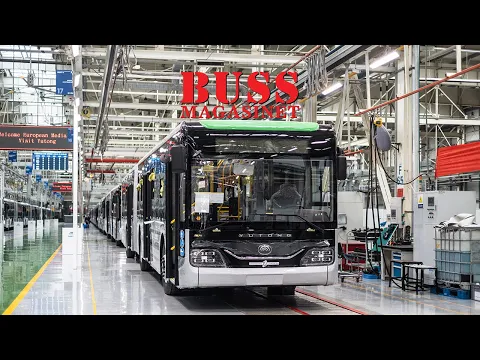
Yutong’s participation in a project of this scale reinforces the strategy of expansion of the Chinese industry in the urban mobility sector, especially in developing countries seeking to modernize their transport systems with external financing.
In recent years, Chinese companies have stood out in delivering large batches of buses, including electric and conventional models, in various countries in the region. The case of El Salvador adds to this movement, indicating a trend of strengthening this presence.
International financing enables large-scale project with national impact
One of the elements that make the project possible is the financing model adopted. Instead of relying exclusively on internal resources, the plan was structured with international financial support, allowing for the acquisition of a high volume of vehicles in a short period.
The estimated value of up to US$ 179 million highlights the magnitude of the investment, especially for a country with the economic size of El Salvador. This type of financing is often used in infrastructure and mobility projects, enabling changes that would be difficult to implement with domestic resources alone.
The financial structure of the project also indicates that the fleet renewal is not just an operational initiative, but part of a broader strategy for transportation modernization.
Renewal seeks to address historical problems of Salvadoran public transport
The collective transport system in El Salvador faces structural challenges that include fleet aging, low service quality, and coverage limitations. Many vehicles in operation show high wear, which directly impacts the user experience.
The introduction of a new fleet has the potential to improve aspects such as comfort, safety, and efficiency, in addition to reducing costs associated with maintaining old vehicles. Standardization also facilitates system management, allowing for greater operational control.
These factors make the renewal not just a technological update, but an attempt to solve historical problems affecting transportation in the country.
Scale of the project puts El Salvador in the spotlight in the regional scenario
The magnitude of the initiative positions El Salvador in a select group of countries seeking to make structural changes in public transportation on a large scale. While many cities in Latin America adopt gradual strategies, the country bets on a concentrated transformation.
This type of approach can accelerate results, but also requires significant logistical and operational coordination, as the introduction of a large number of vehicles in a short time involves integration challenges with the existing system.
Still, the project puts the country in the spotlight in the debate about public transportation modernization in the region.
Possible standardization of the fleet could alter the operational dynamics of the system
The replacement of old vehicles with a more uniform fleet can bring important changes to the operation of transportation. Standardization facilitates processes such as maintenance, operator training, and parts management.
With more modern and technologically updated vehicles, the system can operate with greater predictability and efficiency, reducing failures and improving service reliability.
This change may also impact how transportation is perceived by the population, contributing to a possible revaluation of the public system.
Project fits into a global trend of urban fleet renewal
The initiative in El Salvador aligns with a global trend of modernizing collective transport, driven by factors such as urbanization, population growth, and the need to reduce environmental impacts.
Although the Salvadoran project has not been presented exclusively as an electrification initiative, it follows the logic of replacing old vehicles with more efficient models, aligning with movements observed in various regions of the world.
Fleet renewal is considered one of the main strategies to improve urban mobility, especially in countries where public transport plays a central role in the population’s movement.
Large-scale implementation will require adaptation of infrastructure and operation
The introduction of up to 1,500 new buses does not occur in isolation. For the system to function properly, it will be necessary to adapt infrastructure, such as garages, workshops, and operation points.
Training of drivers and technical teams will also be an essential factor, as new vehicles may require specific knowledge for operation and maintenance.
Additionally, the integration of the new buses into the existing system must be planned to avoid negative impacts during the transition.
If implemented as planned, the project has the potential to significantly change how the population moves in El Salvador. The improvement in service quality could encourage greater use of public transport, reducing dependence on individual vehicles.
This change could generate indirect effects, such as reduced congestion and improved efficiency of the urban system, although these results depend on various additional factors. The scale of the renewal positions the project as one of the most relevant ever proposed in the country in this sector.
Do you believe that a mass renewal can transform the public transport of an entire country?
The proposal to replace almost the entire bus fleet of El Salvador in a single project raises an important question about the future of urban mobility. Large-scale changes can redefine entire systems, but they also require precise planning and execution.
In light of this scenario, the reflection arises: can a renewal of this magnitude really transform the public transport of a country, or do structural challenges go beyond just replacing vehicles? Leave your opinion in the comments.








Seja o primeiro a reagir!