





 Portuguese
  English
  Spanish
  4 min of reading
  1 comment





With 365,000 m² and 1,100 Rooms, The Romanian Parliament Palace Is The Second Largest Administrative Building In The World and The Heaviest Ever Built.
Located in the heart of Bucharest, the Romanian Parliament Palace is one of the most monumental constructions ever erected by man, a true colossus of concrete and marble that dominates the landscape of the Romanian capital. According to official data from UNESCO and Guinness World Records, it is the second largest administrative building in the world, surpassed only by the Pentagon in the United States, and the heaviest ever built in history, weighing about 4 billion kilograms.
Started in 1984, during the communist regime of Nicolae Ceaușescu, the project was conceived to be the center of political power and the ultimate symbol of the “new socialist Romania.” However, the grandeur of the work exceeded all reasonable limits: the building occupies 365,000 square meters of usable area, distributed over 1,100 rooms, 12 floors, and 8 underground levels — including a gigantic nuclear shelter that remains functional to this day.
The Concrete Empire of the Ceaușescu Era
The Palace was envisioned during the height of the communist dictatorship, in a period of economic crisis and extreme rationing. While the population faced shortages of food and energy, Ceaușescu ordered the demolition of one-fifth of the old city of Bucharest, about 40,000 buildings, including houses, churches, and historical monuments — to make way for the new “House of the People.”
-
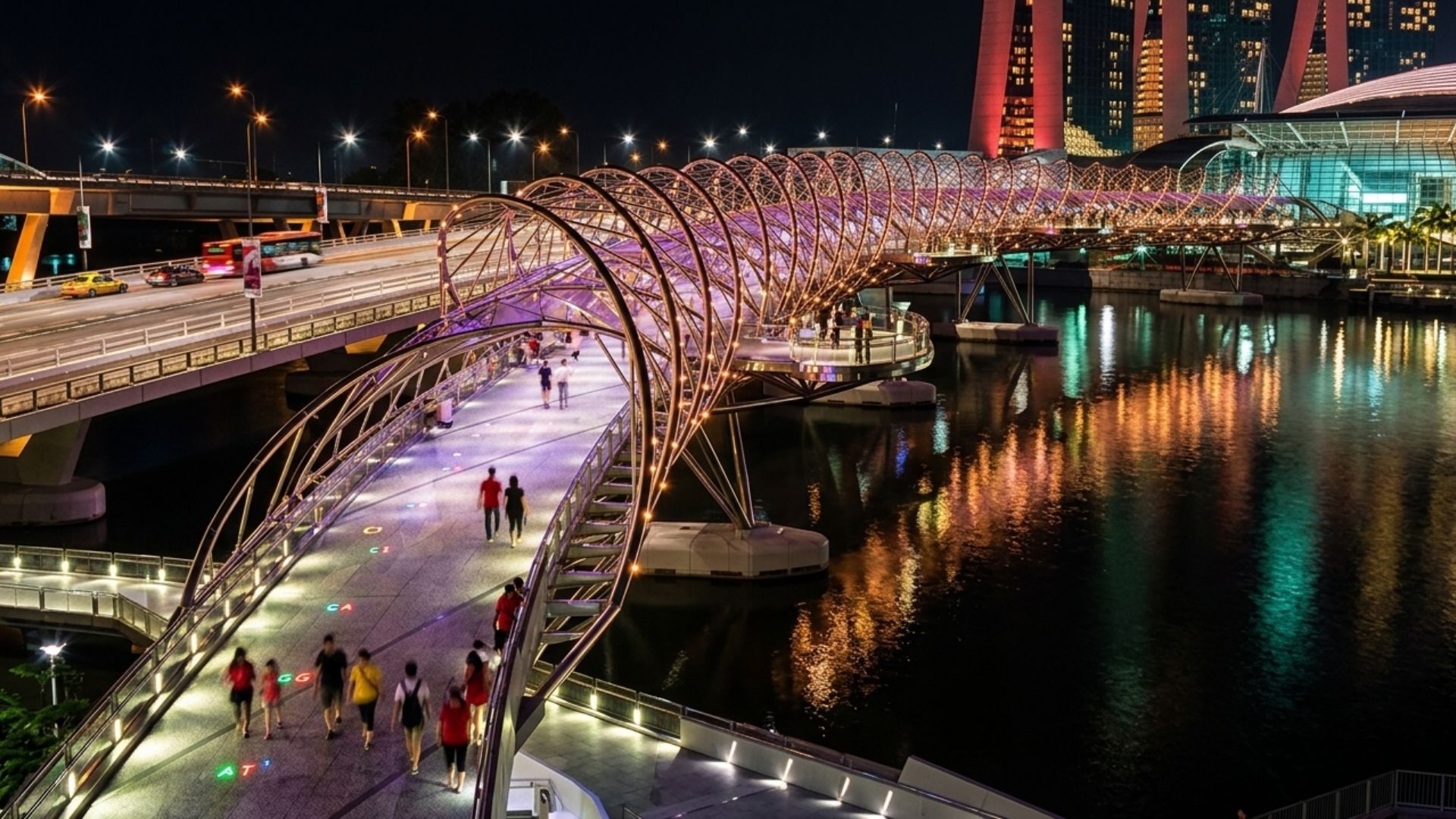
With a DNA shape, this bridge in Singapore draws attention in modern architecture and surprises tourists by transforming a simple crossing into an unforgettable visual experience in the urban heart.
-
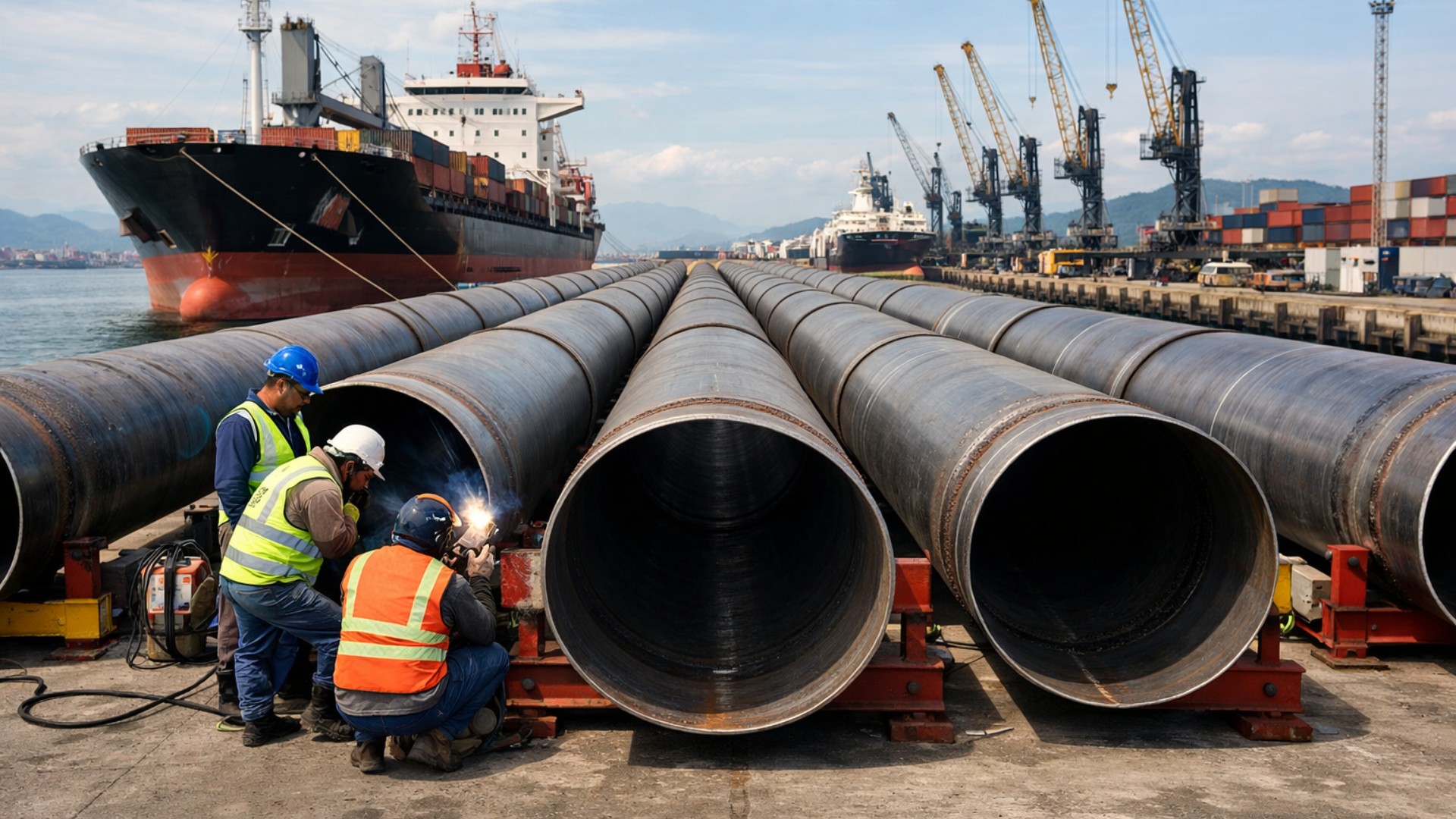
Giant underwater pipeline begins to take shape with a R$ 134.7 million project at the Port of Santos: the 1.7 km structure uses 12-meter and 700 mm pipes to supply water to 450,000 people in Guarujá.
-
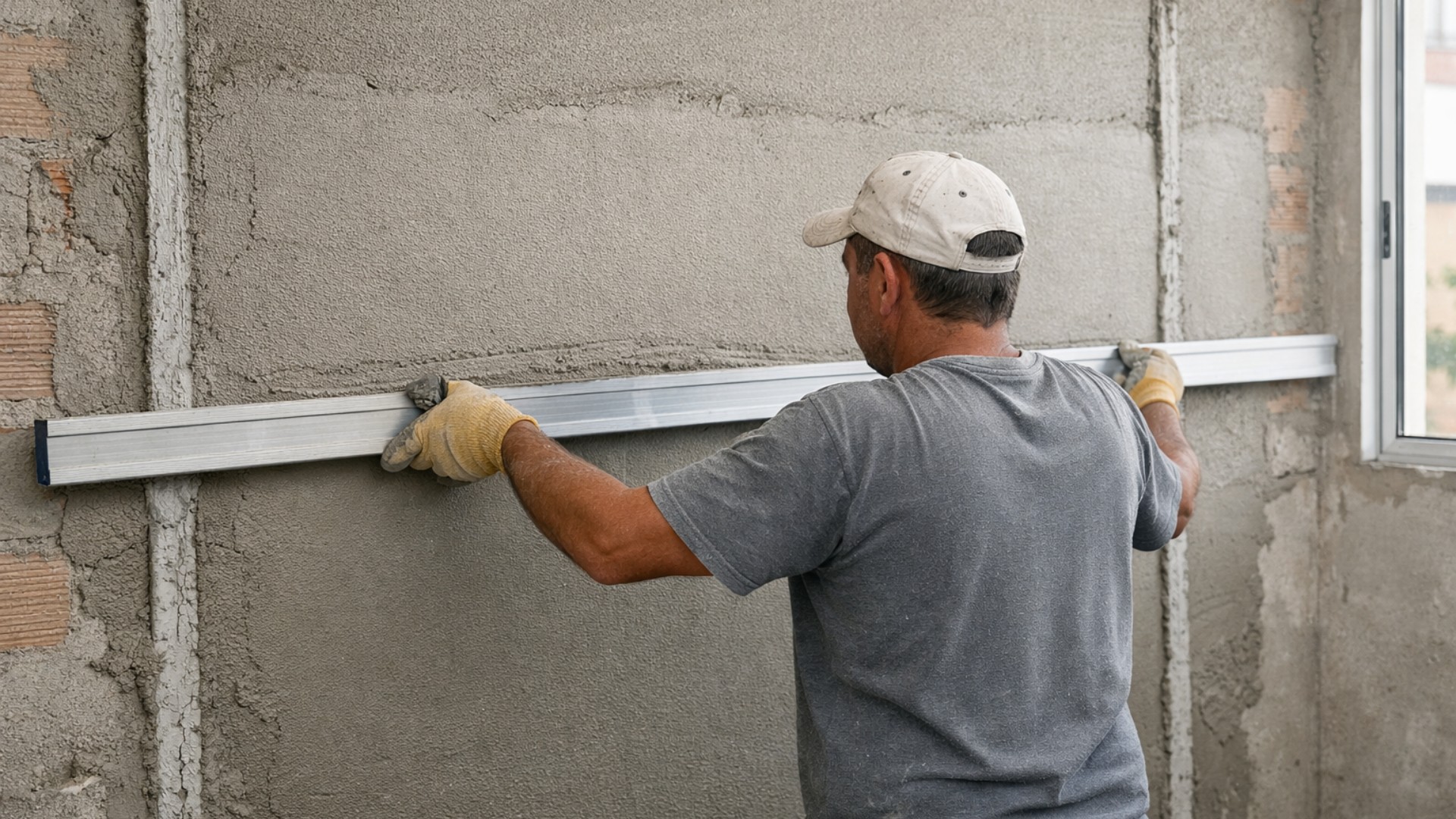
A mason reveals a professional plastering technique that uses aligned guides and a 3-meter ruler to plaster an entire wall in up to 3 hours, without visible seams, with uniform thickness, perfect plumb, and a finish ready for painting without rework.
-
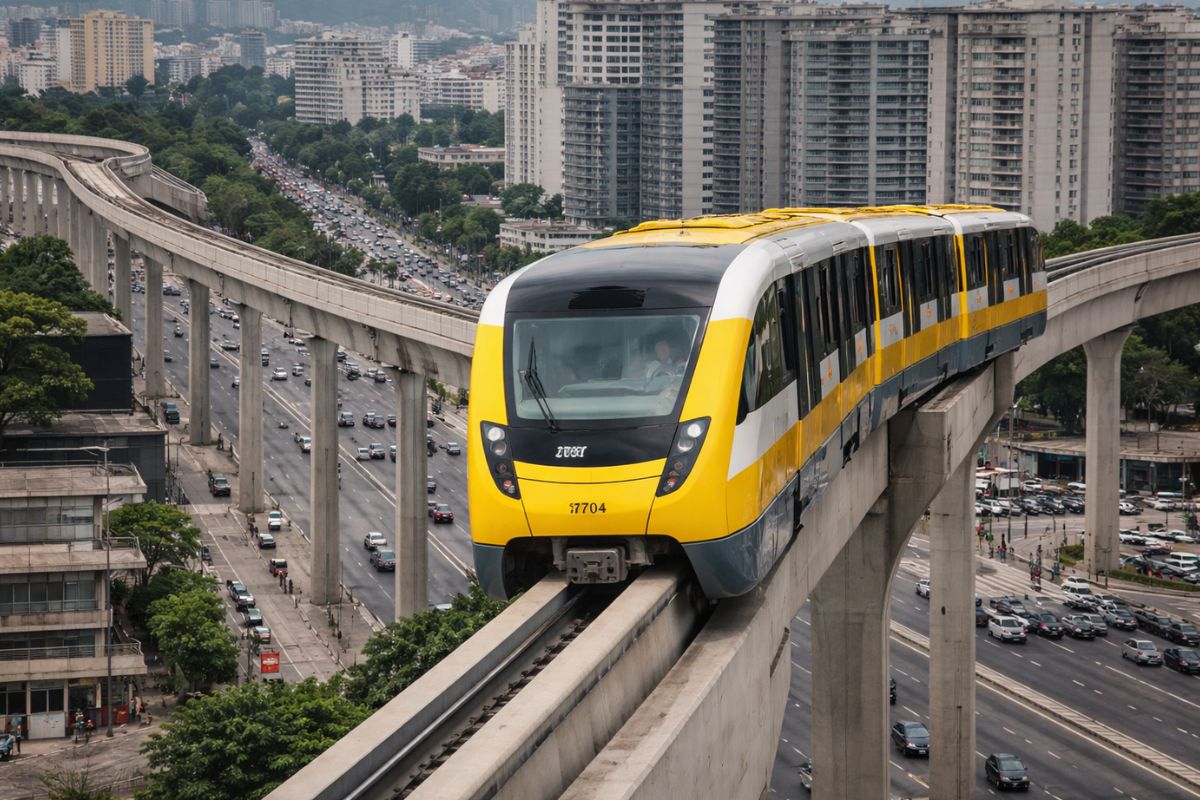
The project that was supposed to be ready for the 2014 World Cup in Brazil debuted with a 12-year delay and nearly R$ 6 billion invested: the Line 17-Gold of the São Paulo monorail opened with reduced hours and is only expected to operate fully in October.

Construction began on June 25, 1984 and involved around 20,000 workers and 700 architects, under the leadership of chief architect Anca Petrescu, who was only 28 years old at the time.


The pace was brutal: work progressed 24 hours a day, in rotating shifts, and it is estimated that more than 3,000 workers died in accidents or from exhaustion during the process.
The total cost, although never officially disclosed, is estimated at US$ 4 billion, a colossal amount by the standards of the time — reinforcing its reputation as one of the most megalomaniac projects of the 20th century.
Monumental and Opulent Architecture
The Parliament Palace was designed in monumental neoclassical style, with strong inspiration from elements of Baroque and French Renaissance.
The structure uses exclusively Romanian materials, in an attempt to assert national pride: there are 1 million cubic meters of Transylvanian marble, 3,500 tons of crystal, 700,000 tons of steel and bronze, and 900,000 cubic meters of precious wood.
The internal dimensions are equally impressive. The Union Hall, with over 2,200 m², is decorated with crystal chandeliers weighing up to 3 tons each.
The Honor Hall, used for diplomatic receptions, features marble columns over 12 meters high. And the Parliament Hall, intended for official events, has a capacity for 1,000 people and silk curtains weighing more than a ton.
Even after nearly 40 years, the work is still not fully completed — about 30% of the interior remains unfinished, reflecting the abrupt end of the communist regime with the fall and execution of Ceaușescu in December 1989.
From A Symbol Of Dictatorship To A National Icon
After the revolution that overthrew Ceaușescu, the building was initially rejected by part of the population, who saw it as a symbol of oppression. However, over the decades, the Parliament Palace went through a process of re-signification: today, it houses the Chamber of Deputies and the Romanian Senate, as well as three museums, the Parliament Museum, the Romanian Museum of Contemporary Art, and the Museum of Totalitarianism and Communism.
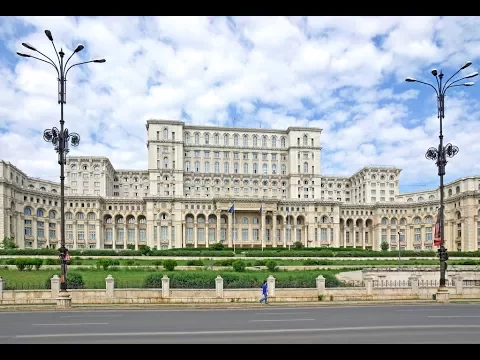
The building has also become one of the country’s major tourist attractions, receiving over 500,000 visitors a year. It is possible to visit about 10% of its total area, including the main halls, staircases, and internal galleries.
The rest is restricted, but the tour is enough to reveal the splendor and symbolic weight of a construction that summarizes the paradox between power and oppression.
One Of The Most Expensive And Heaviest Buildings On Earth
The Guinness World Records officially recognizes the Parliament Palace as the heaviest administrative building in the world, with a structure estimated at 4.1 billion kilograms. Its total volume exceeds 2.55 million m³, surpassing even the Great Pyramid of Giza.
The annual maintenance costs about US$ 6 million, and just the heating consumes energy equivalent to that of a city of 10,000 inhabitants. Nevertheless, it remains fully functional, being one of the rare legacies of communism that have become global tourist icons.
The Legacy Of A Political And Historical Colossus
Today, the Parliament Palace is an ambiguous symbol: on one hand, it represents the excesses of an authoritarian regime that sacrificed its people in the name of grandeur; on the other, it is an invaluable testimony to human capacity to design and erect colossal structures.
Its profile dominates the skyline of Bucharest and serves as a permanent reminder of the past, while continuing to house the political future of the country.
Just like the Istana Nurul Iman of the Sultan of Brunei, the Romanian Palace is more than a building — it is a vertical city of power, history, and contradictions, molded in concrete, marble, and ambition.







Thanks I have just been looking for information about this subject for a long time and yours is the best Ive discovered till now However what in regards to the bottom line Are you certain in regards to the supply