





 Portuguese
  English
  Spanish
  5 min of reading
  0 comments


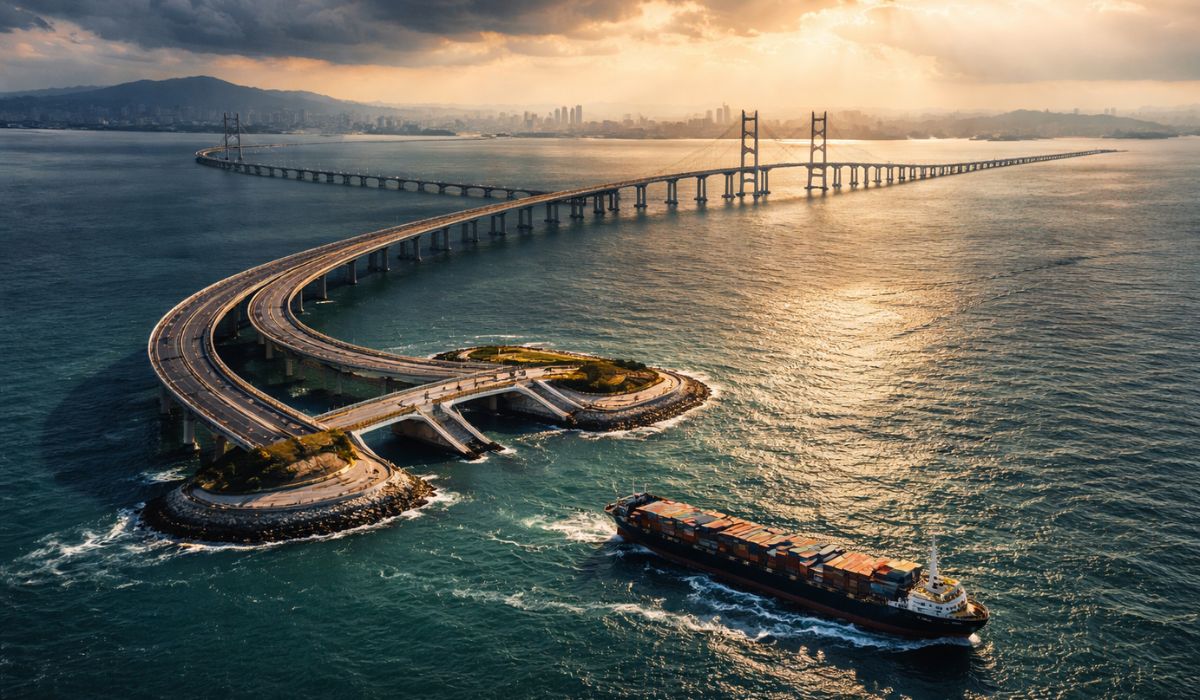
A maritime crossing that combines a bridge, underwater tunnel, and artificial islands in one of the main infrastructure projects in southern China, with a direct impact on regional mobility and integration between Hong Kong, Zhuhai, and Macau.
The Hong Kong–Zhuhai–Macau Bridge began operations on October 24, 2018, connecting Hong Kong, Zhuhai, and Macau by land across the Pearl River Estuary in southern China.
With a 55-kilometer length for the entire crossing, the structure reduced travel time between strategic areas in the region.
Official data indicates that the project consumed 420,000 tons of steel, a volume often compared to that needed to build about 60 Eiffel Towers.
-
A trick with joint compound transforms a Styrofoam ceiling into a plaster-like ceiling: leveled panels, wires and mesh at the joints, sand, paint, and change the environment while spending little today.

-
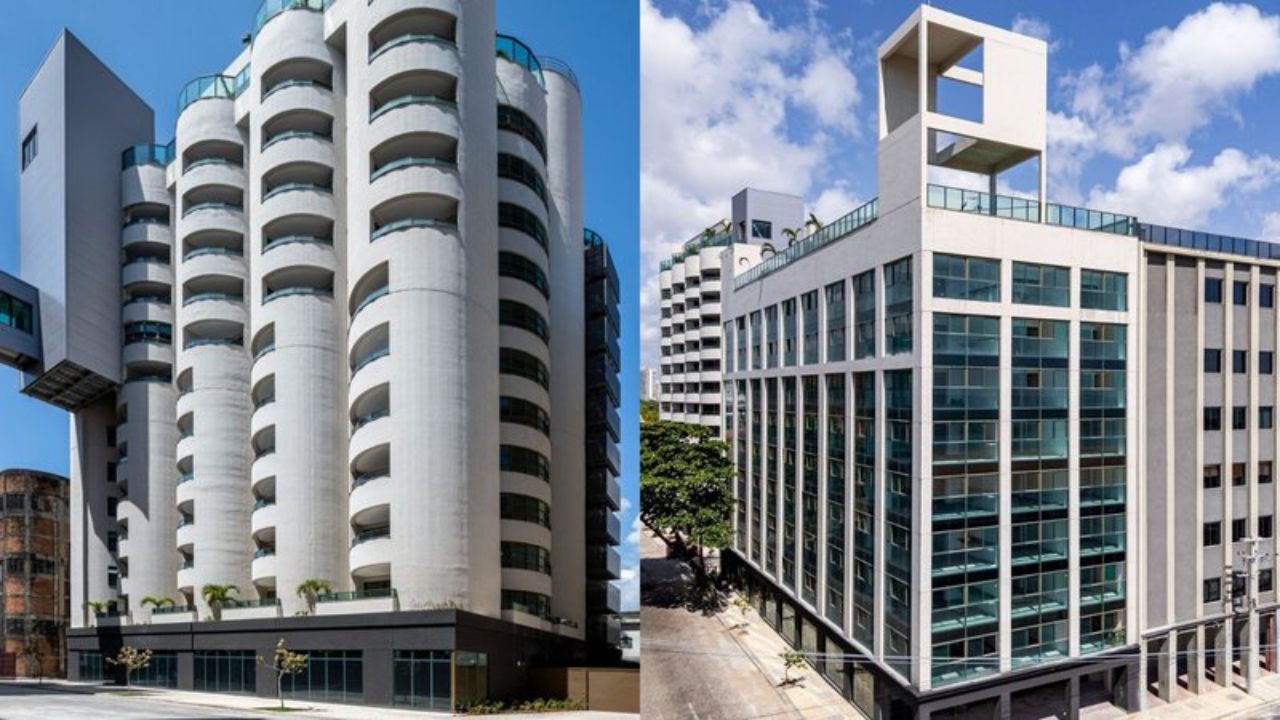
Abandoned for over a decade, century-old silos in the state of Recife have been transformed into 251 apartments with curved walls in one of the most complex retrofits ever done in Brazil.
-
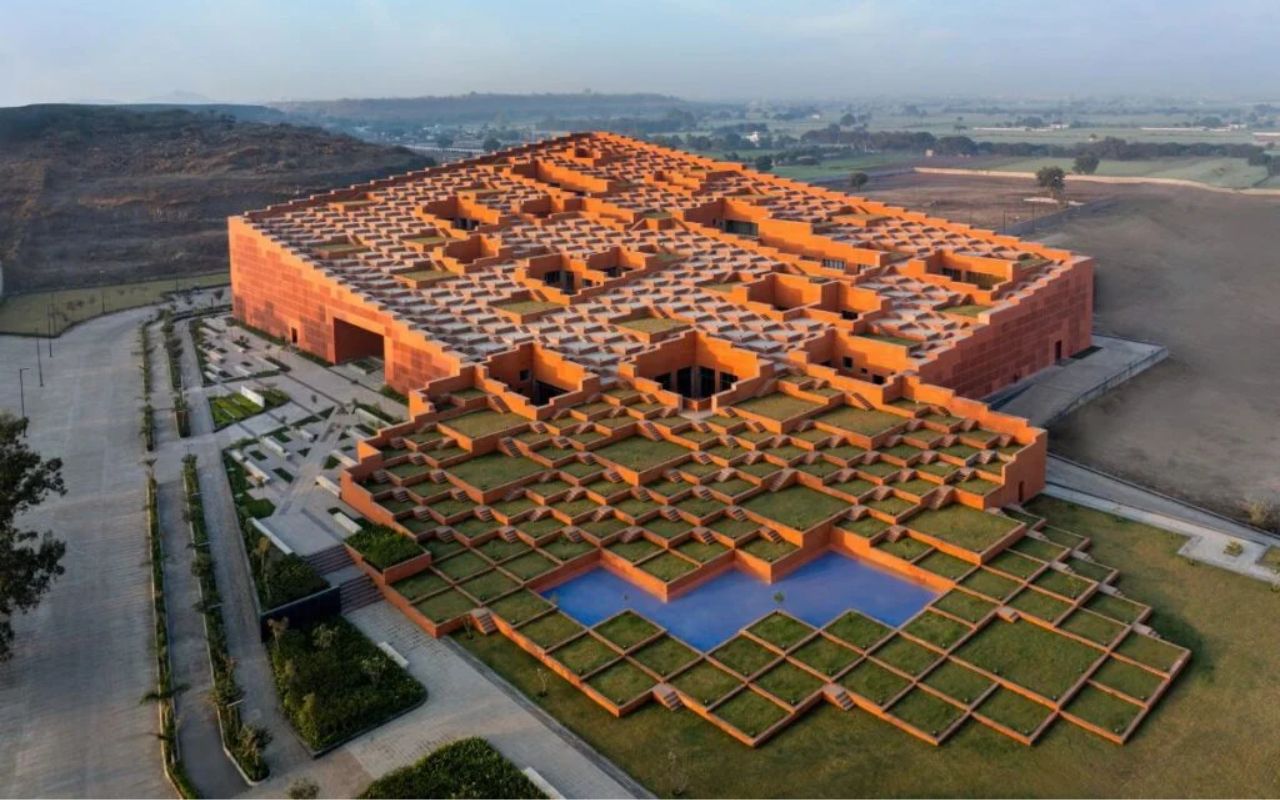
Inspired by millennia-old structures, a “differentiated” roof with 463 levels and a capacity for 9,000 people was built on top of a building in India; the tiered roof is almost a kind of giant garden of 9,000 m², reducing energy consumption and promoting interaction among students of Prestige University.
-
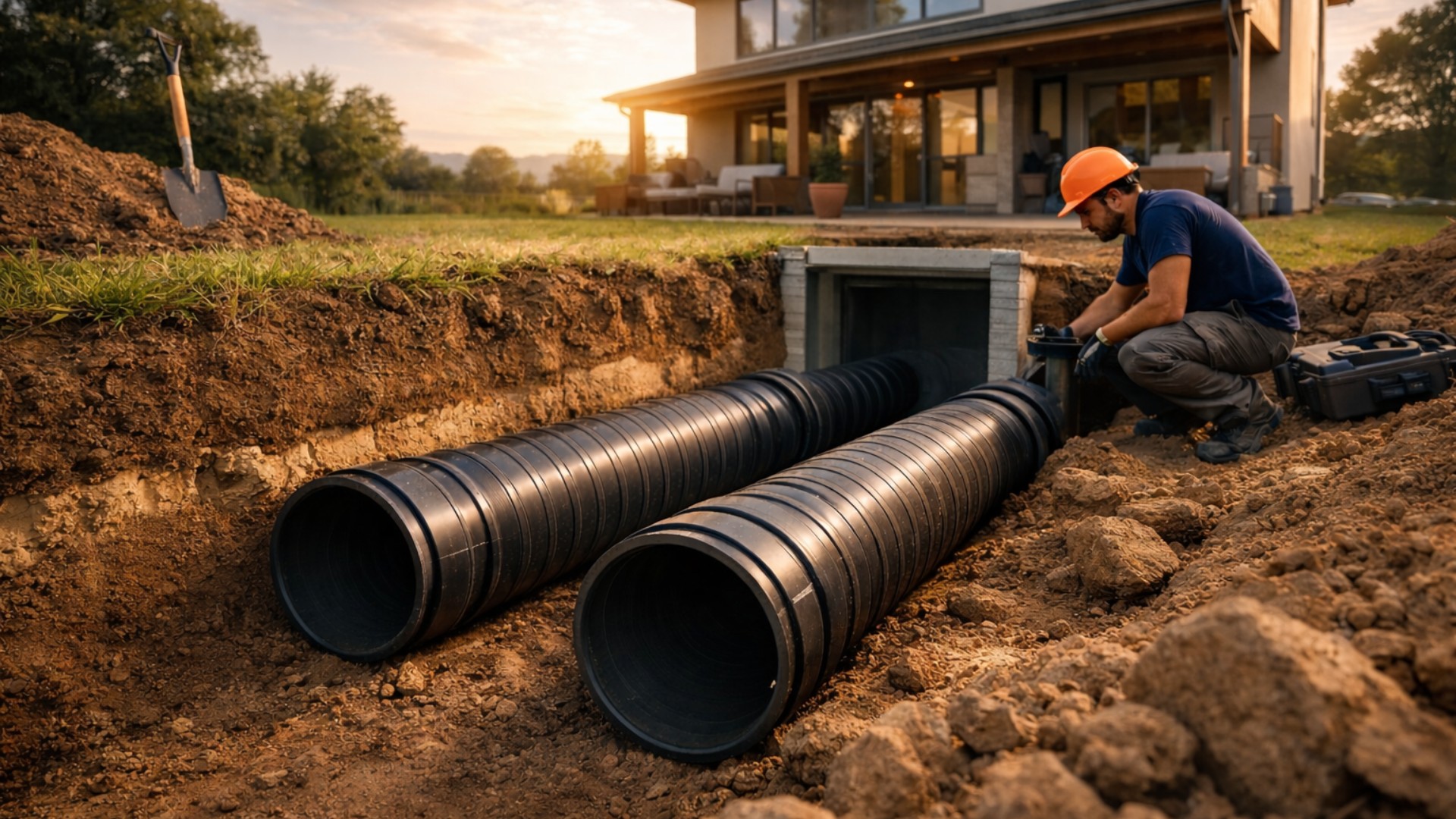
Architects are burying plastic pipes 2 meters deep and using ducts up to 30 meters long to cool homes without electricity, with low-consumption fans and natural heat exchange that drastically cuts the electricity bill.

The most cited total cost is US$ 18.8 billion, although some international coverage rounded the figure to US$ 20 billion.
The connection is not formed solely by a conventional bridge.
The project includes bridges, access roads, artificial islands, and an underwater tunnel.
In practice, it is a roadway corridor created to integrate three centers with distinct economic profiles: Hong Kong, with a strong presence of the financial and service sectors; Macau, primarily focused on tourism and entertainment; and Zhuhai, a city in Guangdong province with industrial and technological activity.
According to Chinese authorities and the Hong Kong government, the crossing is part of the strategy to strengthen the so-called Greater Bay Area Guangdong-Hong Kong-Macau, a region considered one of the main economic development hubs in the country.
The project thus took on logistical and regional functions, in addition to the symbolic role attributed by local governments to the advancement of Chinese infrastructure.
Hong Kong–Zhuhai–Macau Bridge: how the crossing works
Although the section over water is the most well-known, the Hong Kong–Zhuhai–Macau Bridge is a broader system.
The project includes a 30-kilometer main bridge, a 23-kilometer bridge section within the total system, as well as a 7-kilometer underwater tunnel and road connections in each of the three cities.

The tunnel was incorporated into the project to allow the passage of large vessels in an area of intense maritime traffic.
The two artificial islands connect the submerged part and the elevated sections of the crossing.
These elements were integrated to maintain road circulation without interrupting navigation in the estuary.
According to official material from the Hong Kong government, the structure was designed with a 120-year lifespan.
The project also considered severe conditions in the region, such as typhoons, strong currents, and intense cargo movement.
Therefore, the construction required engineering solutions adapted to the maritime environment and the expected traffic volume.
Reduction of travel time between Hong Kong, Zhuhai, and Macau
One of the most immediate effects of the project was the reduction of travel time between Hong Kong, Zhuhai, and Macau.
Before the direct connection, part of these routes depended on ferries or longer road trips.
With the opening of the crossing, access between the cities began to occur via a shorter route.
Official data from the Hong Kong government indicates that the trip between Zhuhai and Hong Kong International Airport dropped from about four hours to 45 minutes.
In the case of travel between Zhuhai and the Kwai Tsing container terminal, the reported time decreased from 3.5 hours to 75 minutes.

The change expanded the land connection between the western portion of the Pearl River Delta and Hong Kong.
In addition to reducing travel time, the bridge began to be used on an increasing scale.
In 2024, the border checkpoint linked to the crossing recorded 28.47 million passengers and 4.29 million vehicles on the Hong Kong side.
During the same period, Chinese authorities reported more than 27 million entries and exits of passengers through the Zhuhai port.
The numbers indicate an increase in regional circulation of people and goods after the first years of operation.
China’s project took years of planning and construction
The execution of the project took almost a decade.
Official material summarizes the process as six years of preparation and nine years of construction.
Public records indicate that construction began in December 2009, with structural completion in February 2018 and inauguration in October of the same year.
Throughout the construction, the schedule was altered and costs increased compared to initial forecasts.
International media reports noted that the opening to the public occurred after successive delays.


The project also faced questions related to environmental impact, workplace safety, and quality control in parts of the work, especially on the Hong Kong side.
These episodes led to the bridge being analyzed from different perspectives during its execution.
On one side, authorities presented the project as a central piece of regional integration.
On the other hand, there was public scrutiny regarding costs, timelines, and oversight.
Still, the structure was completed and began operations as the longest maritime crossing by bridge-tunnel in the world, according to official project documentation and records from international coverage at the time of the inauguration.
Regional integration and economic impact of the crossing
The significance of the project goes beyond mobility between the three cities.
According to the Hong Kong government, the connection strengthens the link between the eastern and western banks of the Pearl River, facilitates the transport of passengers and goods, and enhances the economic integration of the Greater Bay Area.
As a result, the crossing has taken on a strategic position in a region that concentrates a significant portion of China’s productive activity.
Operationally, the bridge shortened routes and brought areas with complementary functions closer together.

Hong Kong plays an important role in services and finance, Macau concentrates a significant portion of tourism activity, and Zhuhai integrates the industrial and technological expansion of Guangdong.
The land connection between these points now serves both daily commuting and commercial flow.
The project’s figures also help to gauge its scale.
The use of 420,000 tons of steel, the construction of artificial islands, and the implementation of an underwater tunnel in open sea place the project among the largest infrastructure initiatives in China in recent decades.
For this set of characteristics, the Hong Kong–Zhuhai–Macau Bridge has been treated by authorities and international coverage as one of the main physical integration projects in the southern part of the country.







Seja o primeiro a reagir!