





 Portuguese
  English
  Spanish
  5 min of reading
  0 comments


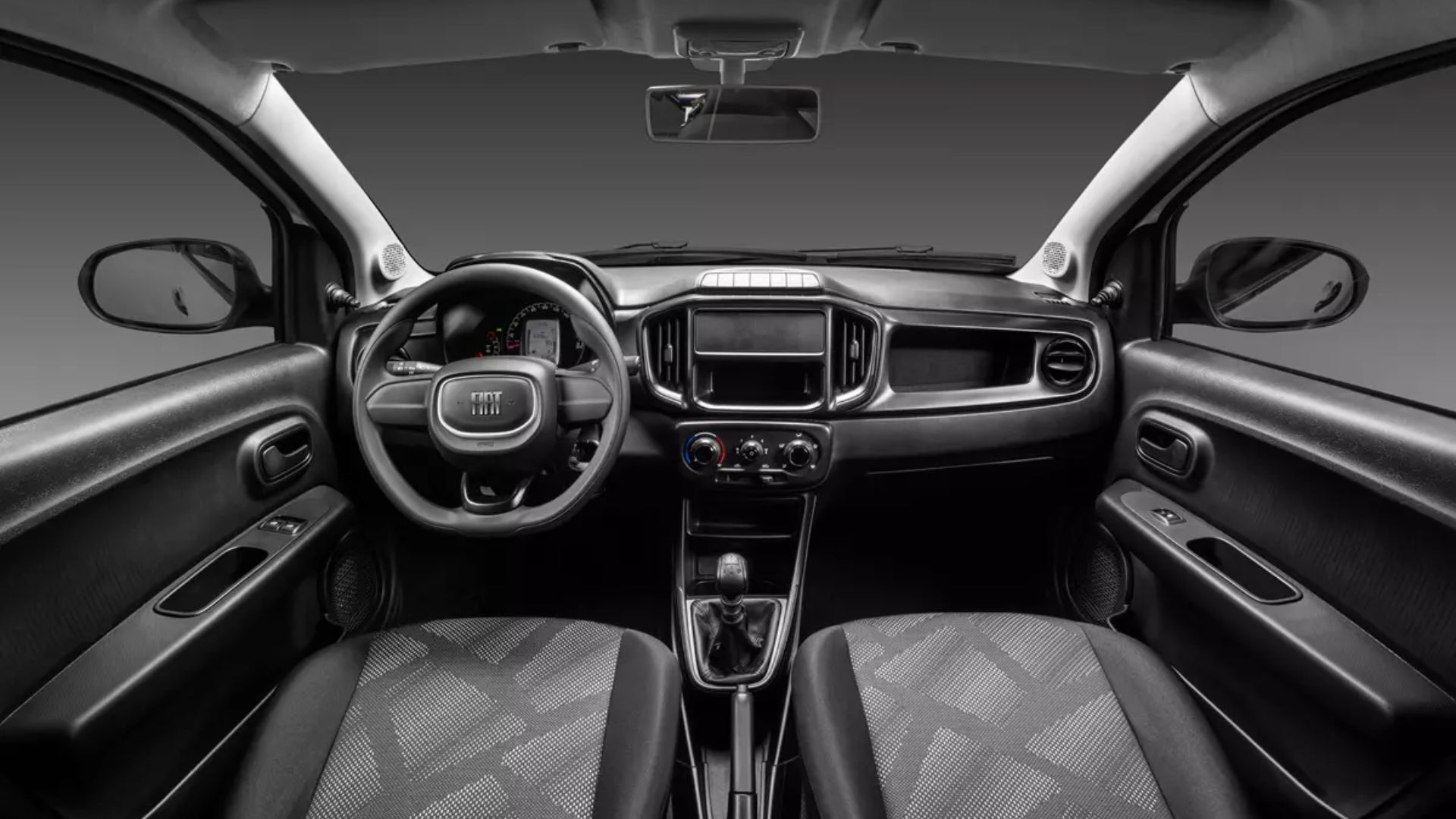
Updated Engine, Efficient Urban Consumption, and High Final Price Put the Fiat Mobi Trekking 2026 at the Center of the Debate About Cost-Benefit Among Entry-Level Cars, After Mechanical Changes, New Testing Calibration, and Option Package That Significantly Alters the Final Value.
The Fiat Mobi Trekking 2026 Remains One of the Most Accessible Entry Points for Those Seeking a New Car in Brazil, Now with Relevant Changes in the Mechanical Set and Driving Experience.
The Subcompact Adopted the 1.0 Firefly Three-Cylinder Engine, Now Features Electric Steering, and Achieved Urban Consumption of 12.5 km/l with Gasoline and Air Conditioning On in the Reported Test.
Still, the Price Increase with the Inclusion of Options Causes the Final Value to Exceed R$ 87 Thousand, Rekindling the Debate About the Model’s Cost-Benefit.
-
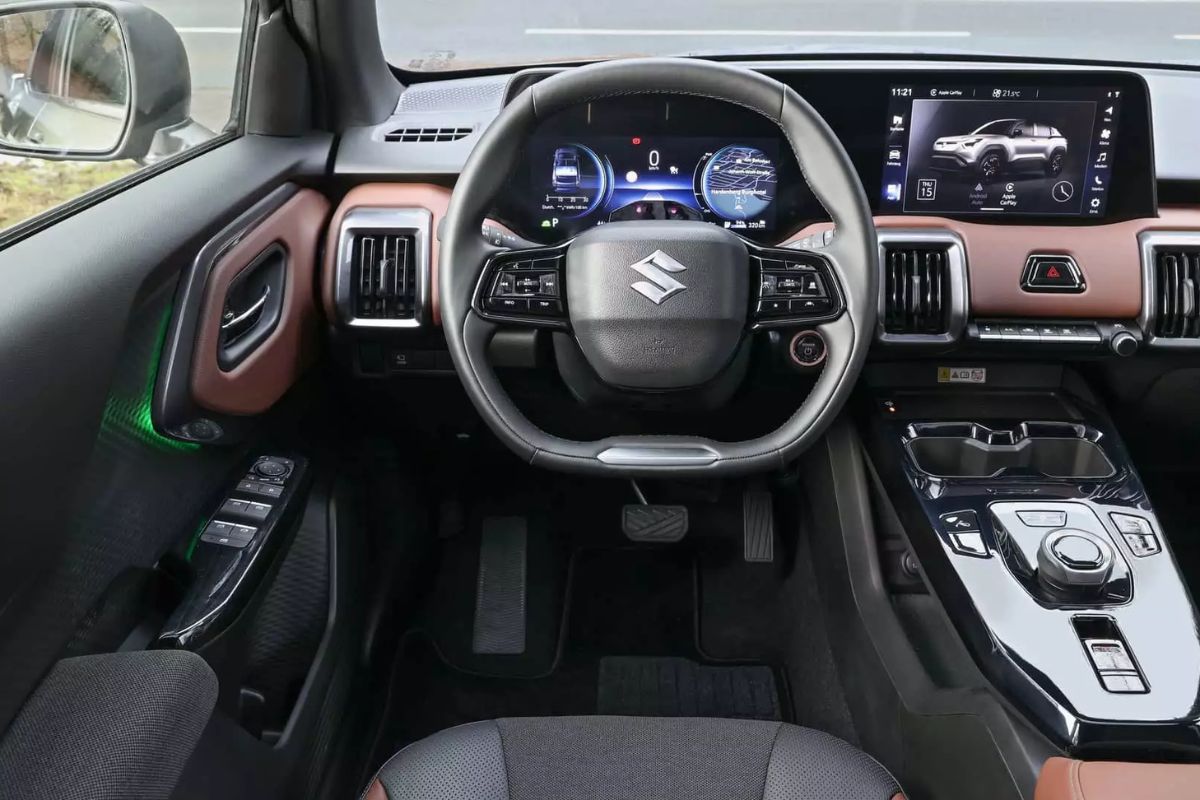
The 2026 electric Vitara arrives in Brazil and proves that Suzuki is not leaving: 4×4 traction, 184 hp, 61 kWh LFP battery, 293 km range, R$ 259,000, and a trunk capacity of 224 L.
-
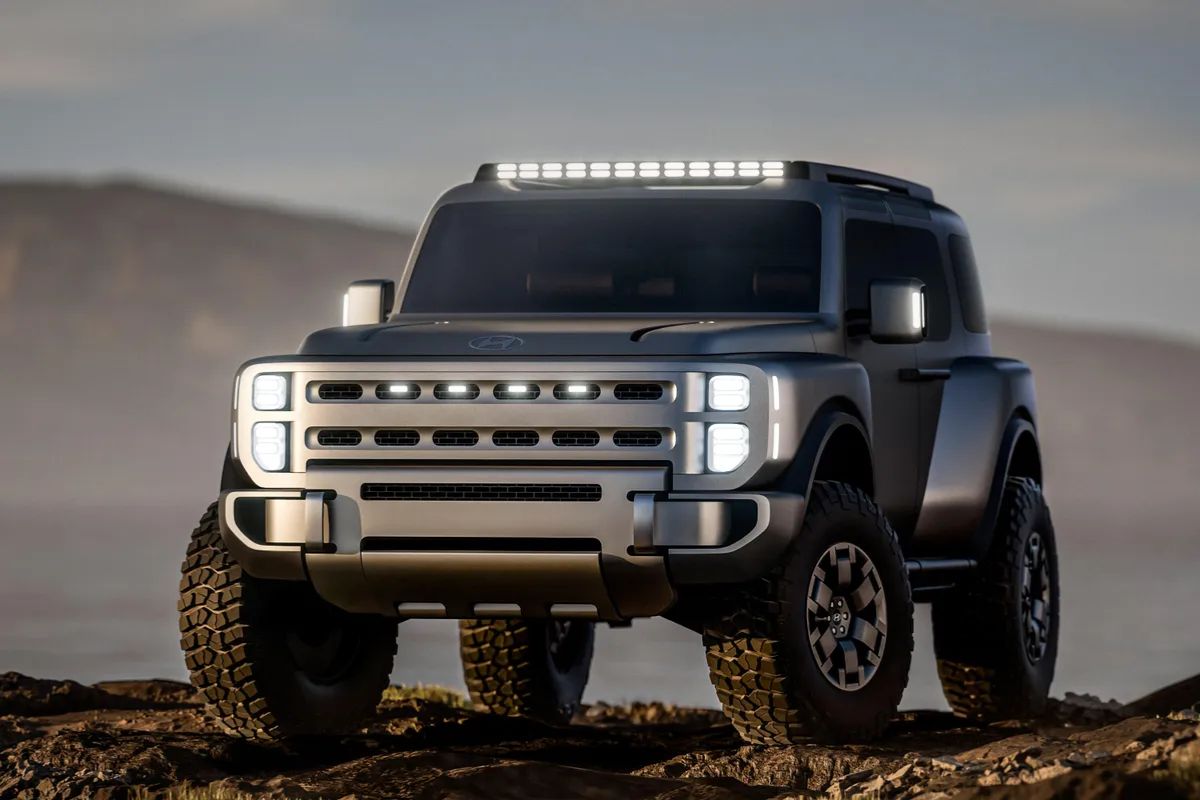
Hyundai has unveiled the Boulder, a square SUV with a body-on-frame design, 37-inch mud tires, and carriage-style doors that seems to be made to take on the Ford Bronco and the Scout Traveller in the United States.
-
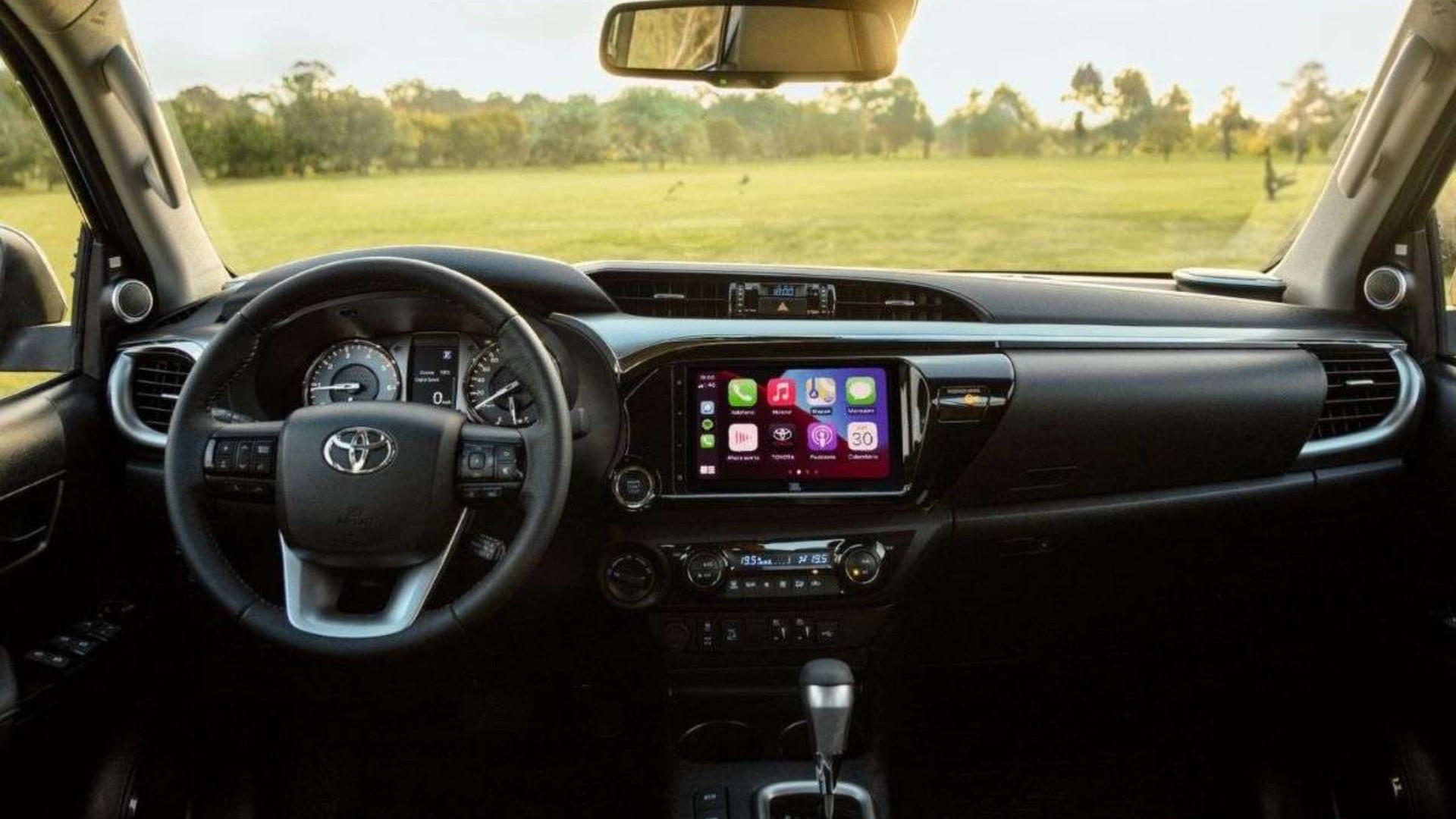
The Toyota Hilux is R$ 75.5 thousand cheaper and bets on the 2.8 turbodiesel engine with up to 204 hp and 50.9 kgfm to catch up with the VW Saveiro, which leads with 4,472 sales.
-
The new Renault Koleos has a screen exclusively for the passenger that is invisible to the driver, heated rear seats, and 29 assistance systems, but its Chinese competitors cost R$ 40,000 less and deliver more power.

According to a Report Published by Autoesporte, the Reencounter with the Mobi Occurs Four Years After a First Test Conducted in 2021, When the Hatch Was Still Using the Old 1.0 Fire Engine.
Since Then, Both the Car and the Market Context Have Changed.
The Model Had to Adapt to Stricter Emission Standards and Now Offers a More Modern Set, While Prices for Entry-Level Vehicles Have Increased Significantly in Brazil.
1.0 Firefly Engine and New Environmental Requirements
The Main Technical Innovation Lies Under the Hood.
Due to the Requirements of Phase L8 of Proconve, the Mobi Has Definitively Abandoned the Four-Cylinder Fire Engine to Adopt the 1.0 Firefly, Three-Cylinder, and Six-Valve Engine.
Although This Combination Is Not Unprecedented in the Model’s History, It Gains New Significance in the Current Scenario.

Between 2017 and 2020, More Expensive Versions of the Mobi Used This Engine, Including with Automated Transmission, Before the Configuration Was Discontinued.
Now, Fiat Has Reintroduced the Firefly as a Permanent Solution.
Urban Consumption and New Testing Methodology
According to Investigations by Autoesporte, the Engine Change Was Accompanied by an Update in the Way Consumption Is Measured.
The Most Recent Tests Have Been Conducted with Gasoline in the Tank and Air Conditioning On, Which Prevents Direct Comparison with the Numbers Obtained in Previous Evaluations Conducted Under Different Conditions.
Still, the Recorded Result Indicates a Clearly Urban Profile.
There Were 12.5 km/l in the City and 12.3 km/l on the Highway, Always with Gasoline.
In the Everyday Use Described, This Performance Translates to Urban Range Close to 550 Kilometers, Sufficient for Several Days of Travel Without Refueling.
This Data Helps Explain Why the Mobi Remains Attractive for Ride-Hailing Drivers and for Those Who Use the Car as a Work Tool, Especially in Large Centers.
Electric Steering and Evolution in Driving
Another Highlight Is the Adoption of Electric Steering, Replacing the Hydraulic System.

The Change Reduces Effort in Maneuvers, Improves the Feeling at Low Speeds, and Helps Make the Car More User-Friendly in Heavy Traffic.
The Combination with the New Engine Resulted in a More Pleasant Driving Experience Compared to the Mobi Tested in 2021, Even Within the Expected Limits for a Subcompact.
The Newspaper Also Pointed Out that There Was Improvement in Performance Numbers.
According to Manufacturer Data Cited in the Original Text, the Mobi Trekking 2026 Accelerates from Zero to 100 km/h in 13.8 Seconds, About One Second Faster than the Version Equipped with the Old Fire Engine.
The Declared Power Is 75 hp, with Maximum Torque at 10.7 kgfm, Always Associated with the Five-Speed Manual Transmission.
In Practice, the Calibration Prioritizes Quick Responses at Low and Medium RPM.
This Requires Constant Gear Changes, Favored by the Short Ratios of the Transmission.
On the Other Hand, the Long Throw of the Lever and the Inaccurate Engagements Remain as Criticized Points, Limiting Driving Pleasure Even with the Overall Improvement of the Set.
As Speed Increases, Performance Decreases, Reinforcing the Urban Nature of the Model.
This Behavior Becomes Evident in Slightly Worse Highway Consumption Compared to Urban Consumption.
Limited Internal Space and Restricted Comfort
If Mechanically the Mobi Evolved, the Same Cannot Be Said for Internal Space.
According to Autoesporte’s Report, Comfort Is the Main Point of Contention for Enthusiasm.
The Driver’s Seat Has Reduced Dimensions and Low-Density Foam, Causing Fatigue After a Few Hours of Use.
The Limitation Repeats in the Rear Seat, a Direct Reflection of the Narrow and Short Body.
The Wheelbase of 2.30 Meters Is One of the Smallest Among New Passenger Cars Sold in Brazil.
The Trunk of 200 Liters Reinforces the Urban and Individual Positioning of the Model.

For Those Who Frequently Transport Passengers or Luggage, These Measurements Impose Clear Restrictions.
High Ground Clearance and Robust Urban Proposal
Still, the Mobi Trekking Tries to Compensate with Practical Attributes for Everyday Use.
The Ground Clearance of 19 Centimeters Allows for Better Navigation Over Speed Bumps, Potholes, and Bumpy Streets with Less Worry.
The Suspension Setup Follows the Same Logic, Prioritizing Robustness and Absorption of Common Urban Irregularities.
The 2026 Line Also Brought Visual and Functional Changes to the Cabin.
The Old Dashboard Has Been Replaced by the One from the Strada, a Model with Which the Mobi Shares Platform and Front Doors.
The Larger Air Vents and the New Design of the Multimedia Niche Modernize the Interior.
In the Trekking Version, the 7-Inch Screen Is Standard and Offers Wireless Android Auto and Apple CarPlay.
The Equipment List Also Includes Air Conditioning, Electric Windows and Locks, Height-Adjustable Steering Wheel, Sound Controls, Tire Pressure Monitoring, and On-Board Computer.
The Aesthetic Update on the Exterior Was Discreet, Featuring Redesigned Stickers, Gloss Black Parts, and an Option for a Darkened Roof for an Additional Charge.
Price with Options Reignites Debate About Cost-Benefit


It Is Precisely at the Moment of Configuring the Car That the Greatest Controversy Arises.
The Report States That Option Packages, Although Presented Separately, End Up Being Interdependent.
As a Result, the Final Price Reaches R$ 87,270.
At This Level, the Mobi Trekking Costs More Than Larger Models with More Recent Designs.
Within Fiat Itself, the Text Mentions the Existence of Alternatives in the Used Market, Such as More Equipped and Spacious Versions, with Automatic Transmission and Superior Performance.
The Comparison Does Not Ignore the Appeal of a New Car, with Factory Warranty and Predictable Maintenance.
Still, It Reinforces the Central Doubt That Has Followed the Mobi Since Previous Generations.
With Clear Advances in Efficiency and Driveability, but Persistent Limitations in Space and High Final Price When Equipped, Does the Fiat Mobi Trekking 2026 Justify Its Asking Price, or Is It Still a Difficult Choice Against the Options Available in the Current Brazilian Market?









-

-

2 pessoas reagiram a isso.