





 Portuguese
  English
  Spanish
  5 min of reading
  0 comments


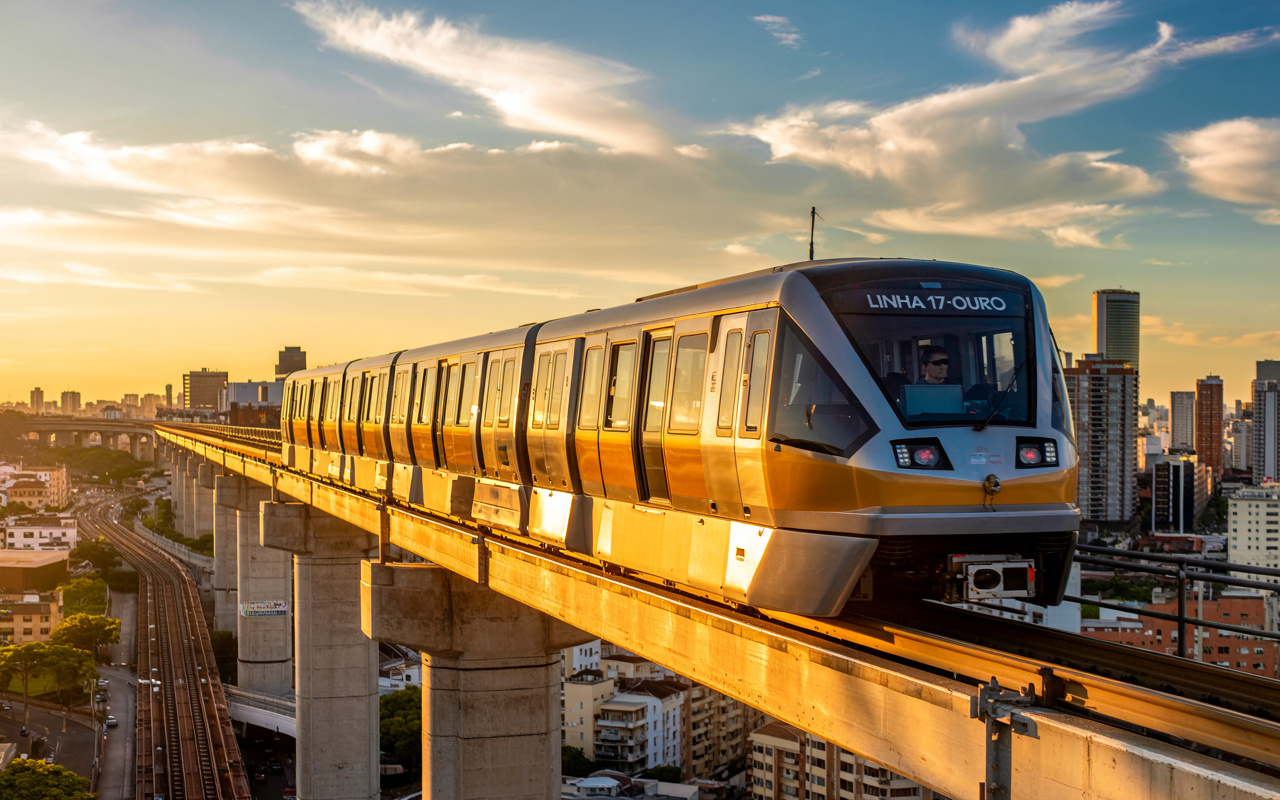
After 12 Years Of Delays, The 17-Gold Monorail Line Is Expected To Start Assisted Operation In March 2026, With More Than 83% Of The Works Completed And Connection To Congonhas Airport.
After a long and frustrating wait that stretched over 12 years, the 17-Gold Monorail Line in São Paulo finally has a new concrete deadline to come to fruition: March 2026. According to an official statement from the São Paulo Metro, the line will enter assisted operation on that date, with trains circulating in a limited manner — during reduced hours or only on weekends. The expectation is that the system will benefit around 100,000 passengers per day, connecting key points in the city and transforming urban mobility in the southern zone of the capital.
The construction, which was supposed to be completed in 2014 for the World Cup, is more than 83% of the work completed, including civil works, system implementation, and testing of the first trains. The 17-Gold Line will have 6.7 kilometers of extension, with eight stations and will be responsible for connecting Congonhas Airport to the 5-Purple and 9-Emerald lines of CPTM, promising to alleviate congestion in one of the busiest areas of the city.
83% Of The Works Of The 17-Gold Line Are Ready After Years Of Paralysis
The current delivery forecast represents an attempt by the São Paulo government to finally put an end to one of the most controversial urban infrastructure projects in the country. Started with the promise of being a quick, cheap, and modern solution to connect the airport to the Morumbi Stadium in time for the Cup, the 17-Gold Line has become a symbol of chronic delays, contractual disputes, and public losses.
-
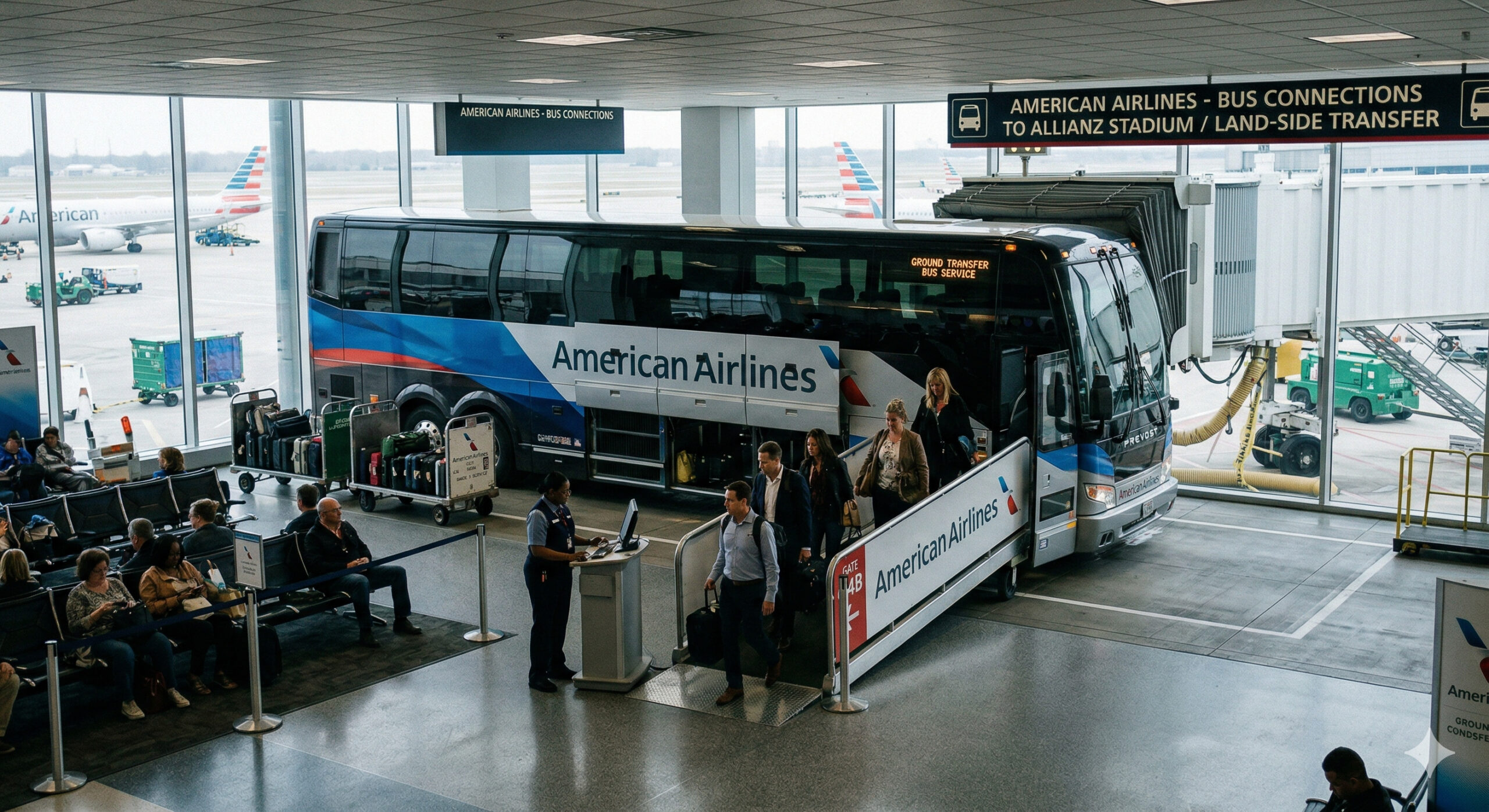
American Airlines starts selling trips as if they were flights, with check-in and baggage check at the airport, but on short routes, passengers board luxury buses connecting cities to major hubs in the U.S.
-
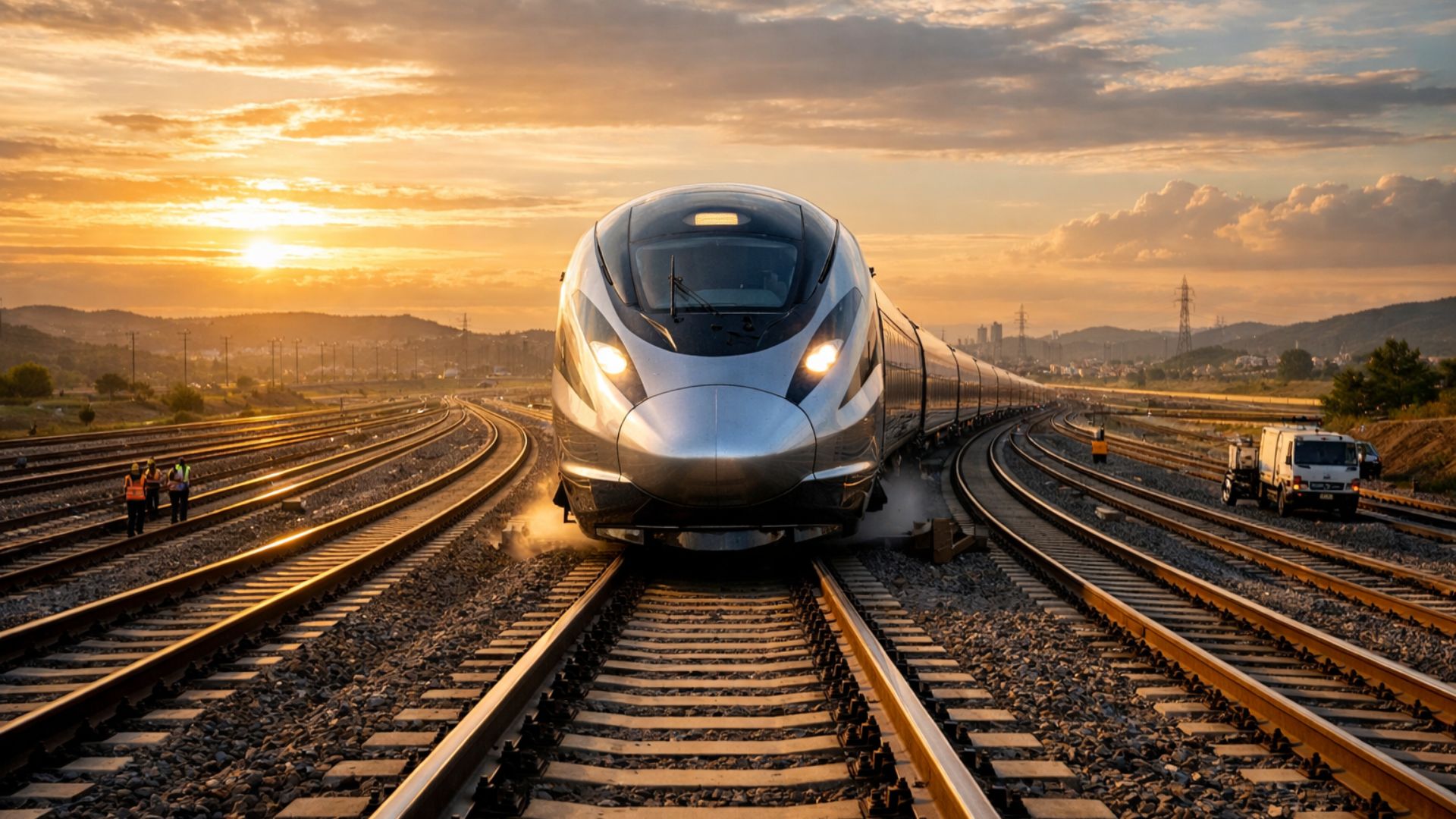
São Paulo surprises the world with a colossal railway network project that promises over 1,000 km of tracks, R$ 194 billion in investments, and 40 projects connecting the capital to the interior with fast and sustainable trains.
-
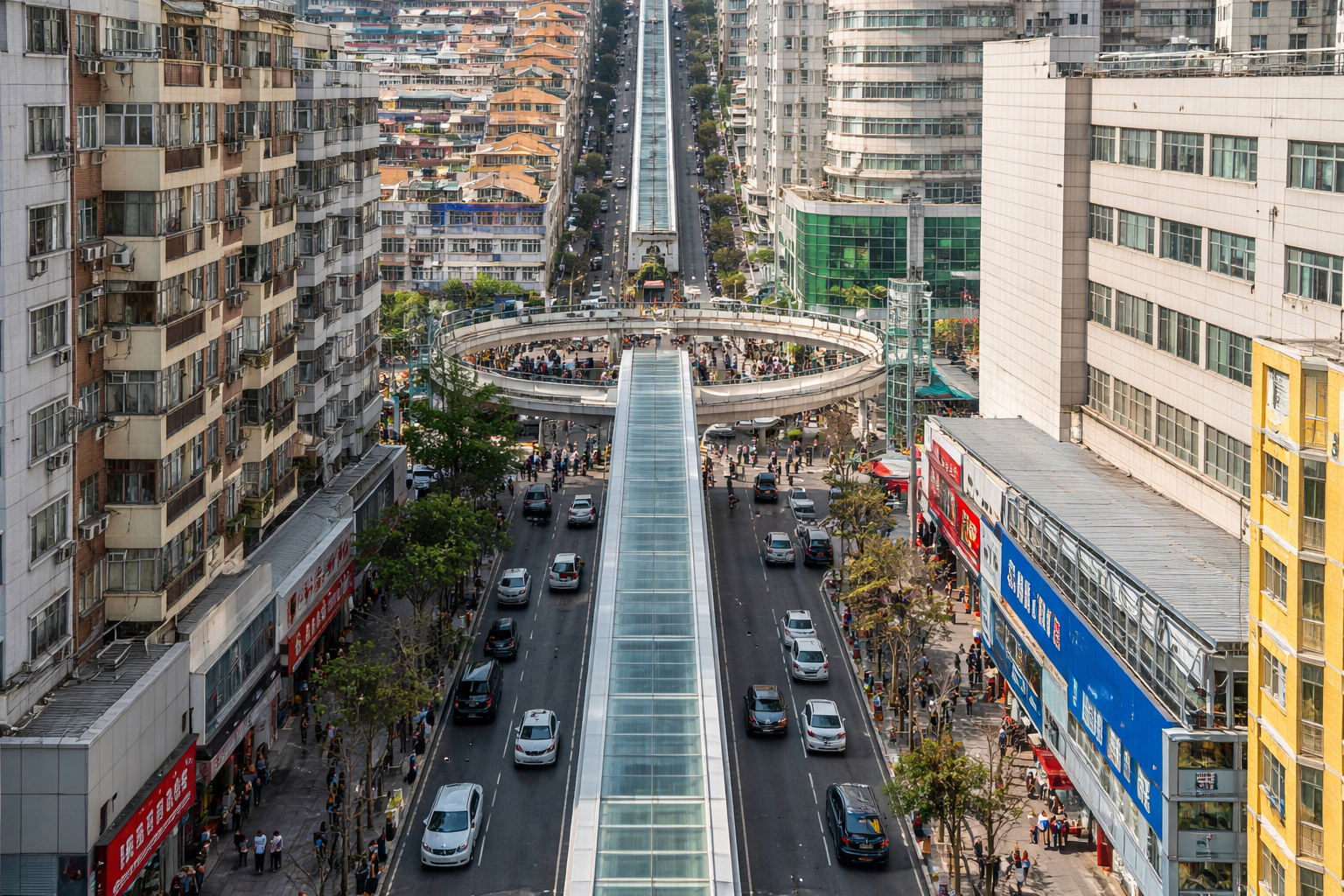
The world’s largest escalator, measuring 905 meters in China, reduces urban travel time from 1 hour to about 20 minutes and transforms mobility in mountainous regions with an engineering solution adapted to the terrain.
-
A R$ 300 million logistics giant is taking shape in Serra with over 100,000 m² and raises a question: how can this transform e-commerce and distribution in the state?

Delays accumulated over the years were caused by a succession of problems, including contract breaches, involvement of contractors in the Lava Jato operation, and even stoppages during the COVID-19 pandemic. At various times, the project seemed to be on the verge of abandonment.
Now, the resumption gains new momentum with more than 83% of the infrastructure already completed. According to the Metro, working fronts are simultaneously focused on completing the stations, testing trains, and implementing operational systems.
Assisted Operation In 2026: What To Expect From The Start Of The 17-Gold Line
The so-called assisted operation is a testing phase open to the public where trains run on a limited schedule, with reduced frequency, for operational adjustments. It is the step prior to full operation and aims to correct faults, train operators, and integrate the new system with the city’s metro-rail network.
According to the Metro, the start is set for March 2026, and the assisted phase may last weeks or even months, depending on the performance of the systems.
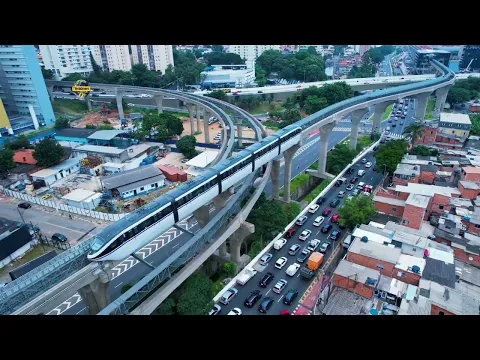

When fully operational, the line is expected to transform the commuting experience in the Congonhas area, quickly connecting the airport to the capital’s rail system.
Monorail With Connection To Congonhas Airport And Integration To SP Metro
The main promise of the 17-Gold Line is its ability to efficiently integrate one of Brazil’s busiest airports with São Paulo’s railway network. The elevated route — made by monorail — offers a faster alternative for those needing access to Congonhas, eliminating some of the heavy traffic in the region.
With connections to lines 5-Purple (which passes through neighborhoods like Santo Amaro and Campo Belo) and 9-Emerald (linking to the marginal Pinheiros axis), the 17-Gold Line will significantly expand public transportation coverage.
Billion-Dollar Investment In Urban Mobility In São Paulo
The construction is currently budgeted at R$ 5.8 billion, a value considerably higher than the initially projected R$ 2 billion. This high cost reflects various problems over the years: contract terminations, project adjustments, inflation of inputs, and new technical requirements.
Even with the inflated value, urban mobility experts emphasize that the delivery of the 17-Gold Line is vital for improving access to the airport and connecting regions previously isolated by mass public transportation.
12-Year Delay: A History Of Unfulfilled Promises
Originally, the project anticipated that the line would be completed in three years and be ready before the 2014 Cup. At that time, the idea was to use the monorail as a connection between Congonhas Airport and Morumbi Stadium. Over time, the proposal was altered, deadlines accumulated, and public distrust grew.
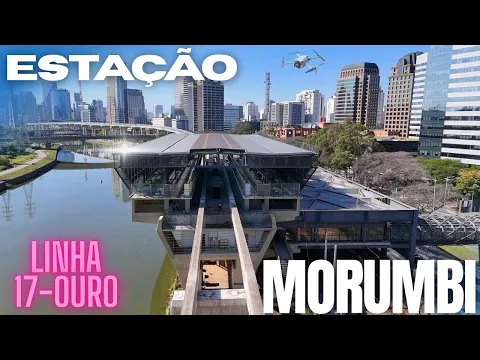
Over the last decade, the 17-Gold Line has undergone various changes in construction consortia, criminal investigations, audits by the Court of Accounts, and changes to integration plans.
The resumption of construction and the definition of a new timeline represented a turnaround for a project that, for many years, seemed destined to be forgotten.
Monorail As A Solution To Urban Traffic: Promises And Challenges
The monorail model — with trains running on elevated suspended tracks — is a solution used in various cities worldwide for densely urbanized areas. In São Paulo, the 15-Silver Line (in the eastern zone) already uses this technology.
However, the system also raises doubts: the capacity is lower than that of an underground metro, the integration between lines is not always smooth, and maintenance costs are high.

In the case of the 17-Gold Line, it remains to be seen if the model can support the expected demand and maintain stable operation without repeating the construction setbacks.
2026 May Mark The End Of A Soap Opera And The Beginning Of A New Chapter In Mobility In SP
After a decade of delays, the 17-Gold Monorail Line is finally close to becoming a reality.
With more than 83% of the works completed, assisted operation expected in March 2026, and strategic connection to Congonhas Airport, the project could transform the daily lives of thousands of São Paulo residents and symbolize a new phase for urban mobility in the city.
There are still challenges to overcome before the full inauguration — and scars left by years of unfulfilled promises. But if the delivery is well executed, the monorail may finally fulfill the role that was promised over 10 years ago: connecting key points of the metropolis with agility, integration, and less traffic.










Seja o primeiro a reagir!