





 Portuguese
  English
  Spanish
  5 min of reading
  0 comments


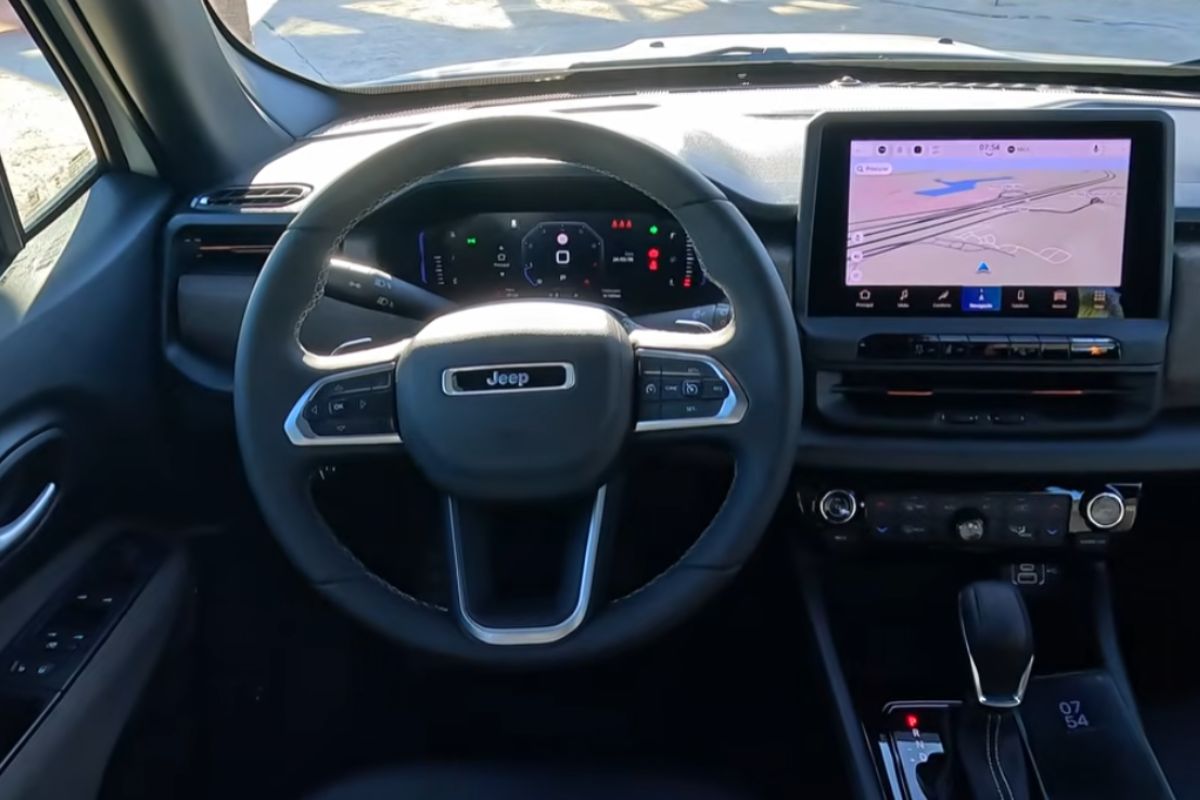
The Jeep Renegade debuts with a mild hybrid system, 1.3 turbo engine, still contained consumption, and focus on the Sahara version, which concentrates the main changes of the SUV.
The Jeep Renegade debuts the new mild hybrid proposal with a 48 V system in the Sahara version, but the main transformation is not in the external appearance. The SUV retains the 1.3 turbo flex engine with 176 hp and 27.5 kgfm of torque, changes little in consumption, and concentrates the updates in the interior and equipment package.
In practice, the model remains very close to what it was before. The Jeep Renegade has not become a full hybrid, it does not drive the wheels with electric energy and also does not deliver that leap in efficiency that many might imagine when seeing the word hybrid associated with the name.
What changes in the Jeep Renegade hybrid

On the outside, the Jeep Renegade remains quite recognizable. The front has received adjustments, with a new look on the grille and redesigned bumper, while the rear also brings changes to the bumper and maintains LED lighting. It is a visible update, but discreet.
-
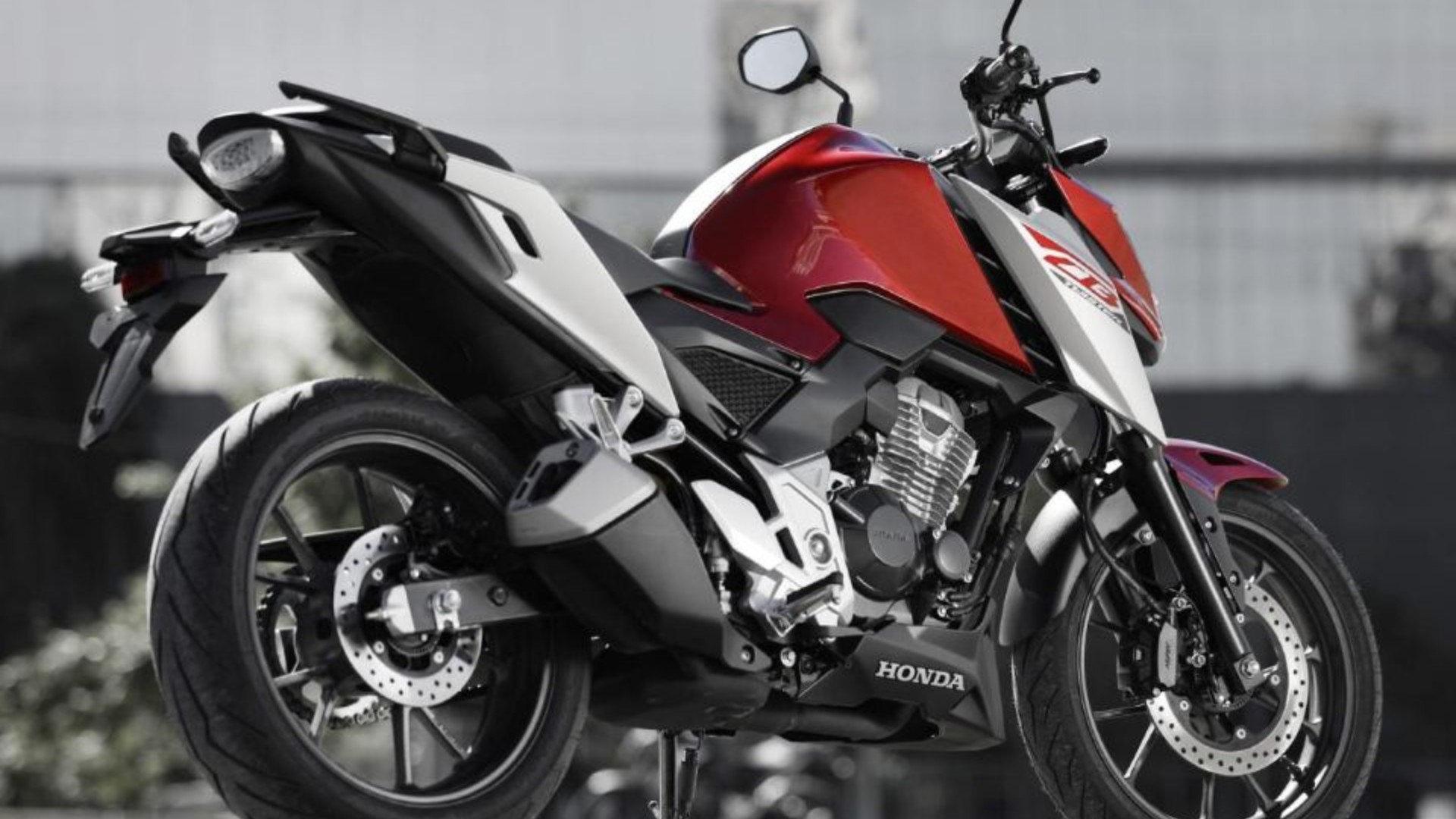
With a 293.5 cm³ engine and a range of up to 400 km with a 14.1-liter tank, the Honda CB 300F Twister 2026 has up to 24.7 hp, an initial price of R$ 25,150, and already exceeds R$ 29,000 in the Fipe Table.
-
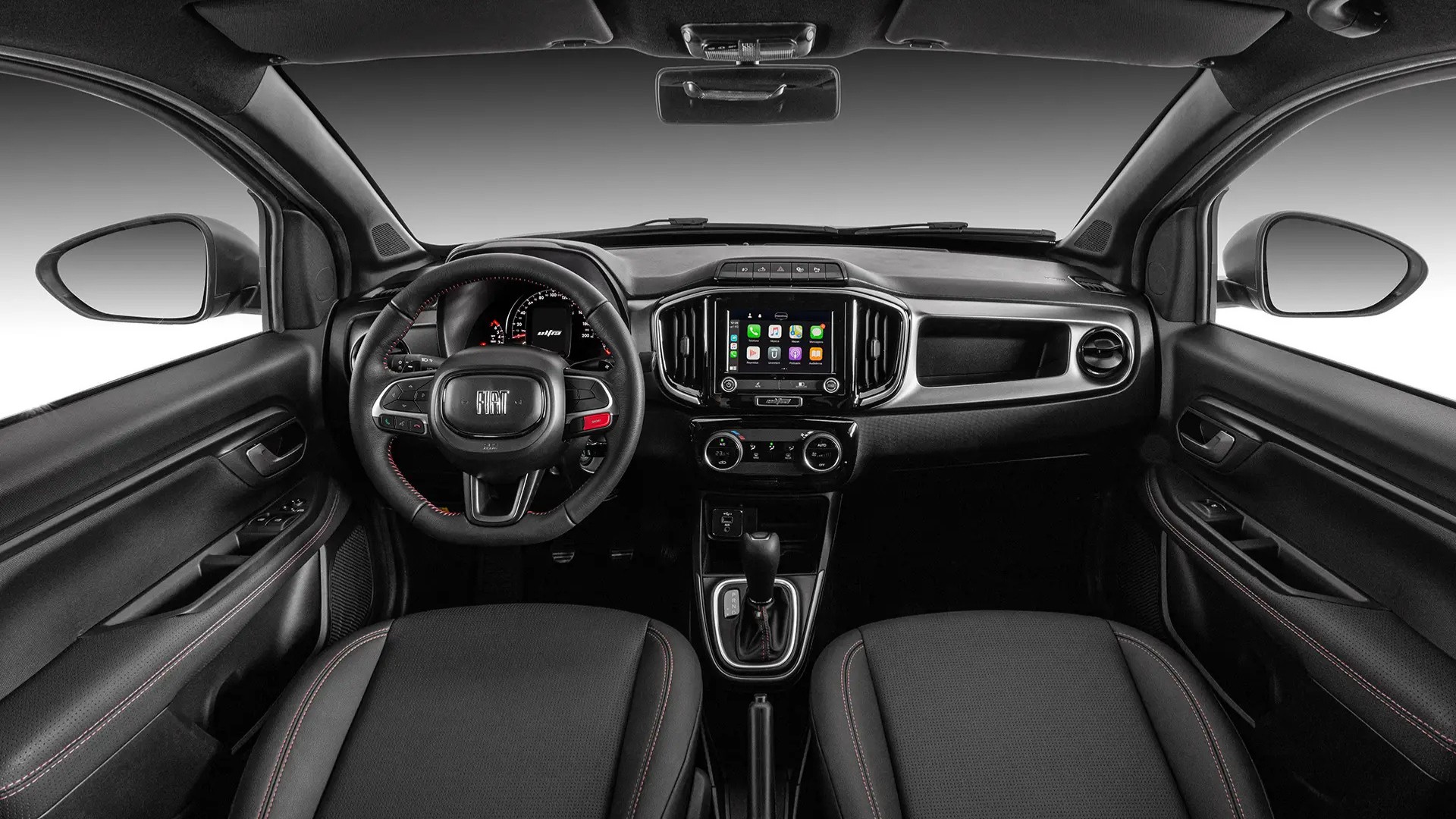
With a 1.3 engine, nearly 700 km of range, and Turbo 200, the Fiat model surpasses Polo, Tera HB20, and Onix, becoming the best-selling car in March; see the numbers for the Fiat Strada and others.
-
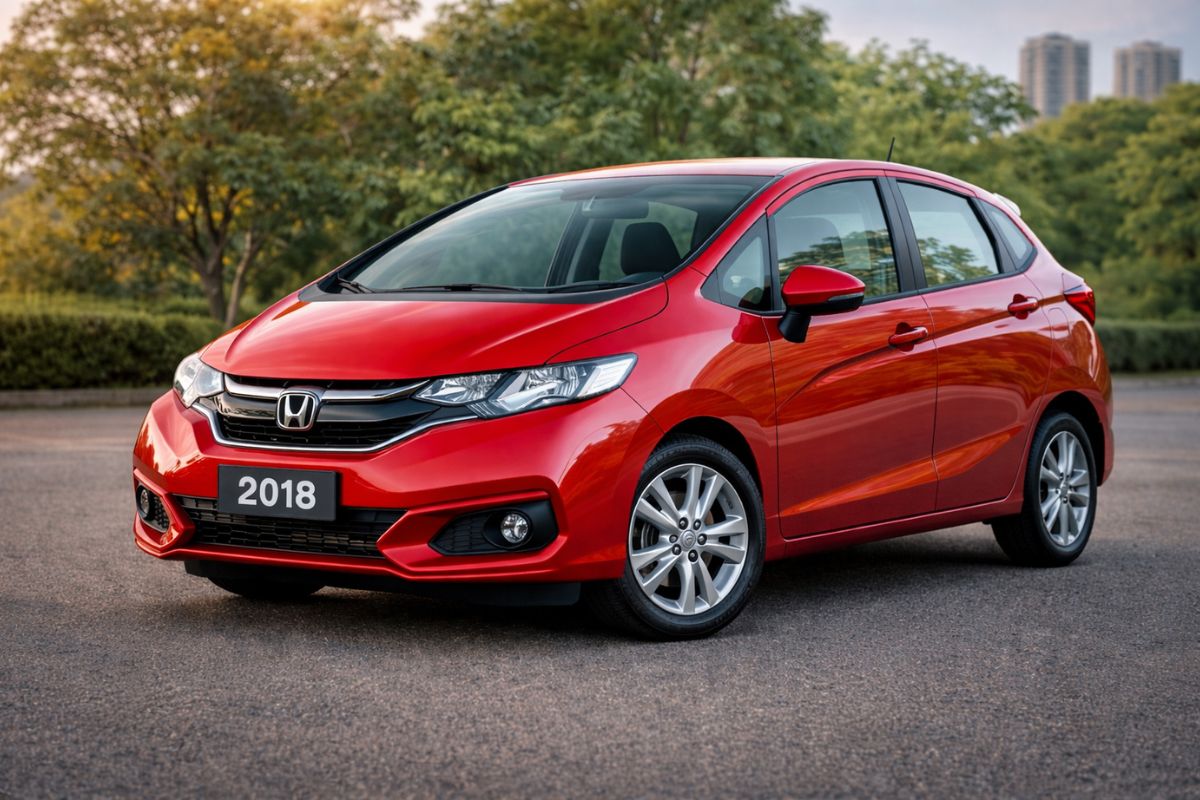
The Honda Fit has been discontinued for years, but the 2018 model is worth more today in the Fipe table than it cost brand new, proving that this used car, valued with a 1.5 i-VTEC engine and Magic Seat, only increases in price.
-
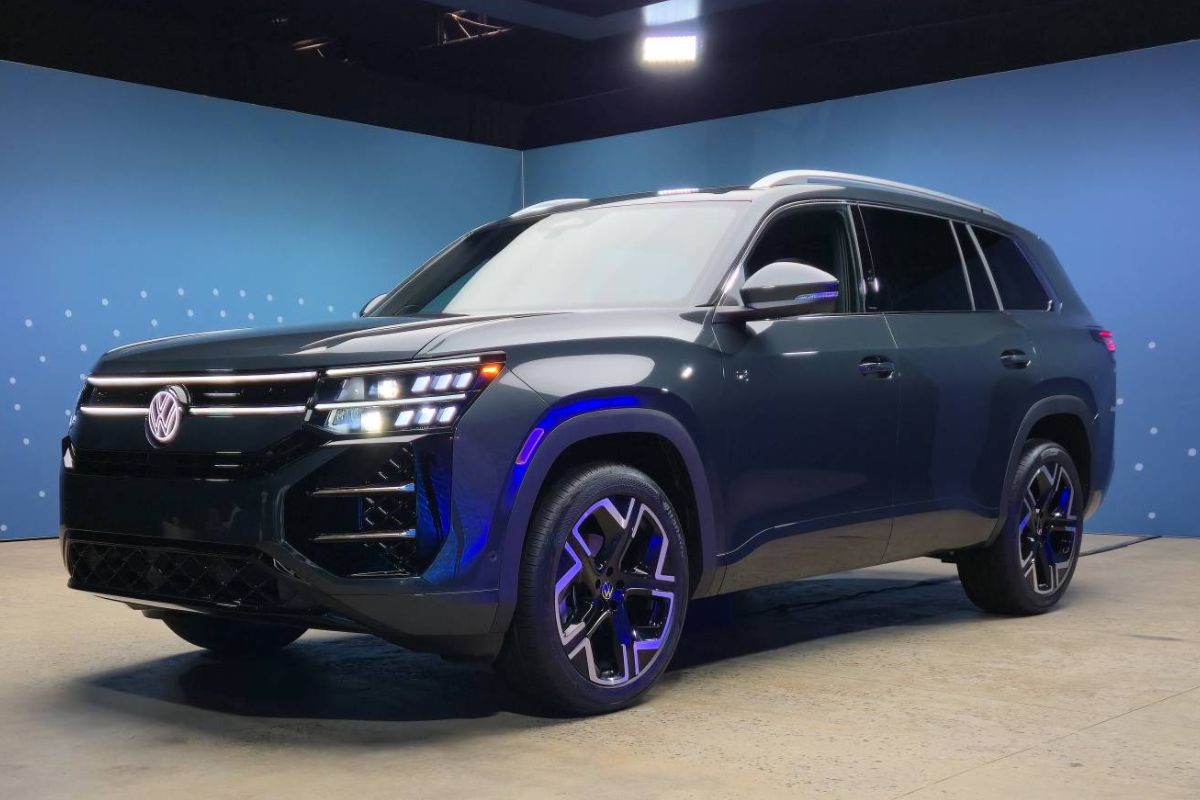
Volkswagen unveiled the 2027 Atlas with a 282-horsepower EA888 turbo engine, a 15-inch screen, massage seats, and a completely new interior to finally elevate the three-row SUV built on the MQB platform to a new level.

The biggest change is actually in the car’s proposal. The SUV now adopts a mild hybrid system of 48 V, different from the 12 V systems already seen in other Stellantis models. Still, this electrification has limited action and does not radically change the car’s behavior.
How the 48 V mild hybrid system works
It is important to make it clear that the Jeep Renegade does not move in electric mode. The mild system acts to power part of the vehicle’s electronic systems and relieve the load on the combustion engine in certain situations, such as braking and deceleration, when energy recovery occurs.
In practice, this helps the system work more efficiently, especially in urban use and in stop-start operation.
The improvement exists, but it is contained. According to the reference cited in the content, the consumption gain is in the range of 8% to 9%, far from turning the Renegade into an SUV with exceptional consumption.
Engine, performance, and consumption

Under the hood, the model retains the well-known 1.3 turbo engine, four-cylinder, direct injection flex, and timing chain, paired with a six-speed automatic transmission. The power remains at 176 hp on both fuels, with 27.5 kgfm of torque at 2,000 rpm.
With 1,531 kg, the SUV delivers a power-to-weight ratio of 8.6 kg per hp, in addition to 0 to 100 km/h in 8.9 seconds and a top speed of 206 km/h.
In other words, the Jeep Renegade remains competent in performance, but the mild hybrid system has not brought a power gain.
In declared consumption, the reported numbers are:
11.9 km/l in the city and 11.8 km/l on the highway with gasoline
8.3 km/l in the city and 8.6 km/l on the highway with ethanol
The data shows exactly what the car delivers in this new phase: there is evolution, but it is far from being revolutionary.
Interior concentrates the most relevant changes
If on the outside the SUV changed little, on the inside the update is more noticeable. The Jeep Renegade gained a new multimedia center, inherited from the Compass line, with a rearview camera, navigation, Android Auto, Apple CarPlay, and, depending on the version, integrated Alexa.
The model also now offers air vents for the rear row, two USB ports in the back, wireless charger, electronic handbrake, panoramic sunroof in the evaluated version, and electric adjustments for the driver’s seat. These points reinforce the sense of modernization of the cabin.
On the other hand, there were losses. The soft-touch finish on the upper part of the dashboard has disappeared, giving way to more plastic surfaces.
The upholstery changed according to the version, and the car also lacks features such as adaptive cruise control and auto hold. In a vehicle in this price range, these absences weigh heavily.
Interior space and trunk remain unsurprising


The interior space remains within what the Renegade has always offered. It is not an SUV that stands out for the spaciousness of the cabin, especially for those in the back.
The inclusion of rear air vents improves comfort, but the wide central tunnel and the console layout continue to limit the use of the rear seat by three occupants.
The trunk remains at 385 liters, a modest number for the category, but with the possibility of expansion to 1,448 liters with the seats folded. The model also offers a 12 V outlet in the compartment and maintains good ground clearance, with 21.2 cm.
Versions and prices of the Jeep Renegade

The range mentioned in the content is organized as follows:
Altitude at a promotional price of R$ 129 thousand, without hybrid system
Longitude mild hybrid for R$ 158,690
Sahara mild hybrid for R$ 175,990
Willys 4×4 for around R$ 189 thousand, without hybrid system
This layout makes it clear that the electrified Jeep Renegade is in the middle of the range, while the entry and top versions follow different paths.
Is it worth it?
The new setup makes sense for those who want a Jeep Renegade with small efficiency improvements, updated visuals, and a more equipped cabin, without expecting a deep change in proposal.
The SUV continues with good ground clearance, independent suspension, and a smart low-rev engine, qualities that help in urban use and on rough surfaces.
At the same time, the Jeep Renegade mild hybrid requires adjusted expectations. It does not deliver the consumption of a full hybrid, does not offer power gains, and still charges a high price for a package that improves in some areas but regresses in finish and lacks important features.
For you, does the mild hybrid Jeep Renegade make sense for the setup, or does the high price weigh more than the changes?








Seja o primeiro a reagir!