





 Portuguese
  English
  Spanish
  3 min of reading
  0 comments


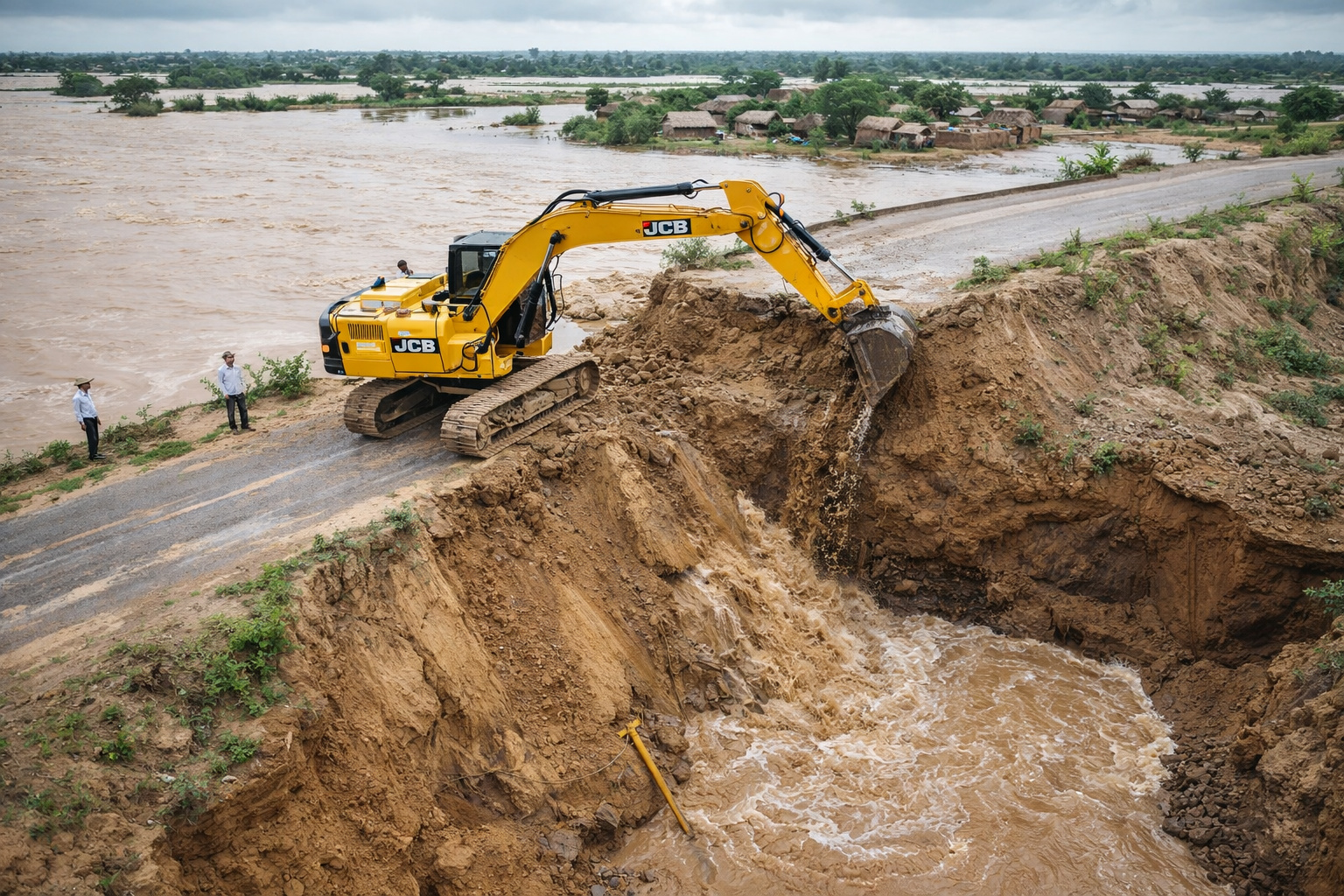
Emergency strategy transforms imminent disaster into smart water solution and prevents total destruction of vulnerable houses in arid region with unexpected extreme rains
The threat of a sudden flood in the Luni River put several rural communities on high alert in one of the driest regions on the planet. However, what could have turned into a large-scale tragedy was reversed by a quick and extremely strategic action.
The information was released by “AAPNO RIYAN,” a channel with over 13,000 subscribers, which showed impressive details of the operation carried out in the state of Rajasthan, in Asia, where intense and out-of-pattern rains drastically raised water levels in August 2024.
In light of this critical scenario, local authorities and technical teams had to act urgently to prevent the current from flooding fragile mud houses and completely destroying the villages.
-
It seems simple, but it enriches: from R$ 500 to R$ 6,000 per piece and up to 10 days of handcrafted production, how is the couple from Praia Grande making a high income with hyper-realistic miniatures and turning a hobby into a money-making machine?

-
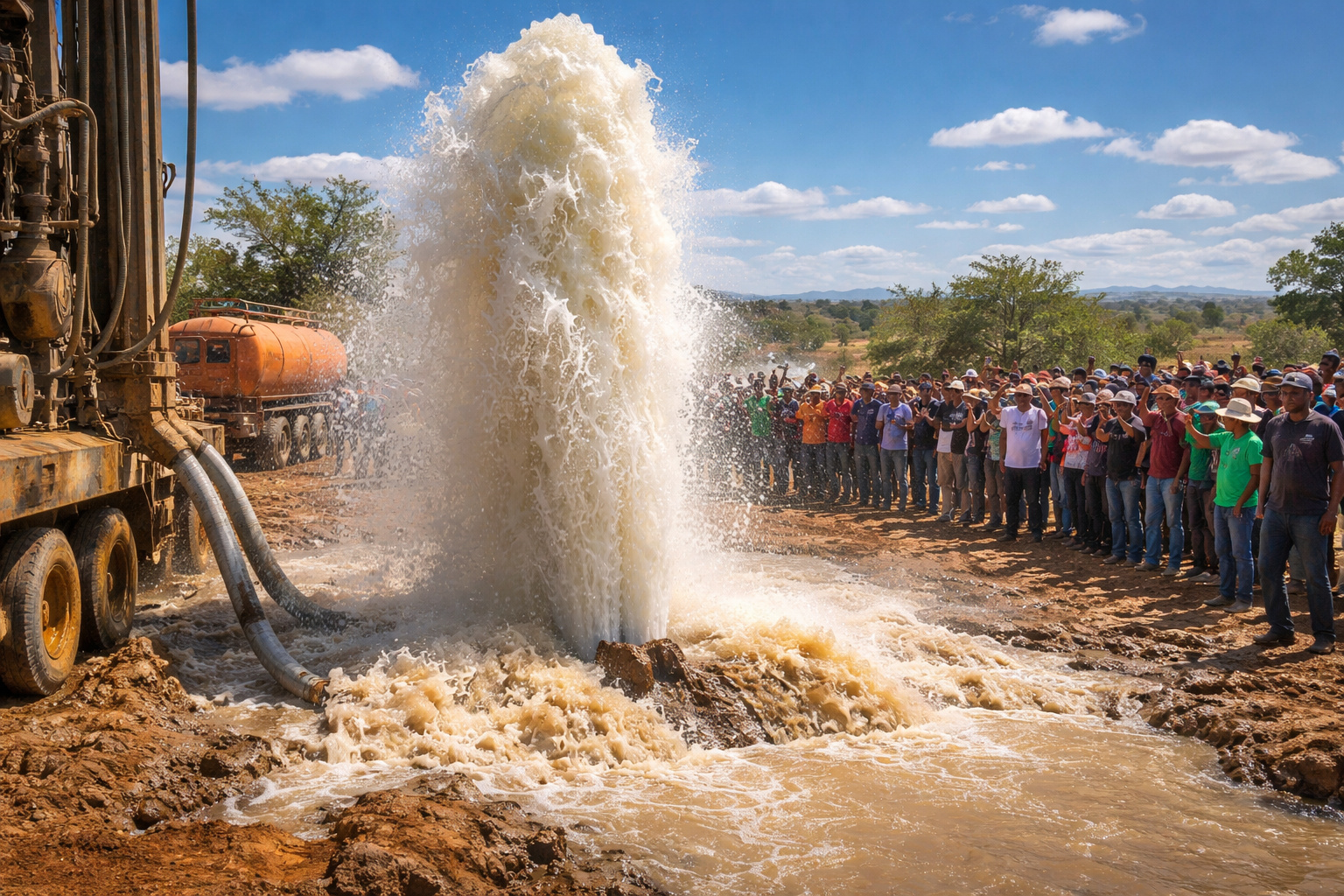
Artisanal well erupts with water in the sertão of Bahia, revealing a surprising flow with six active fissures underground and changing the landscape in the Bahian semi-arid region.
-
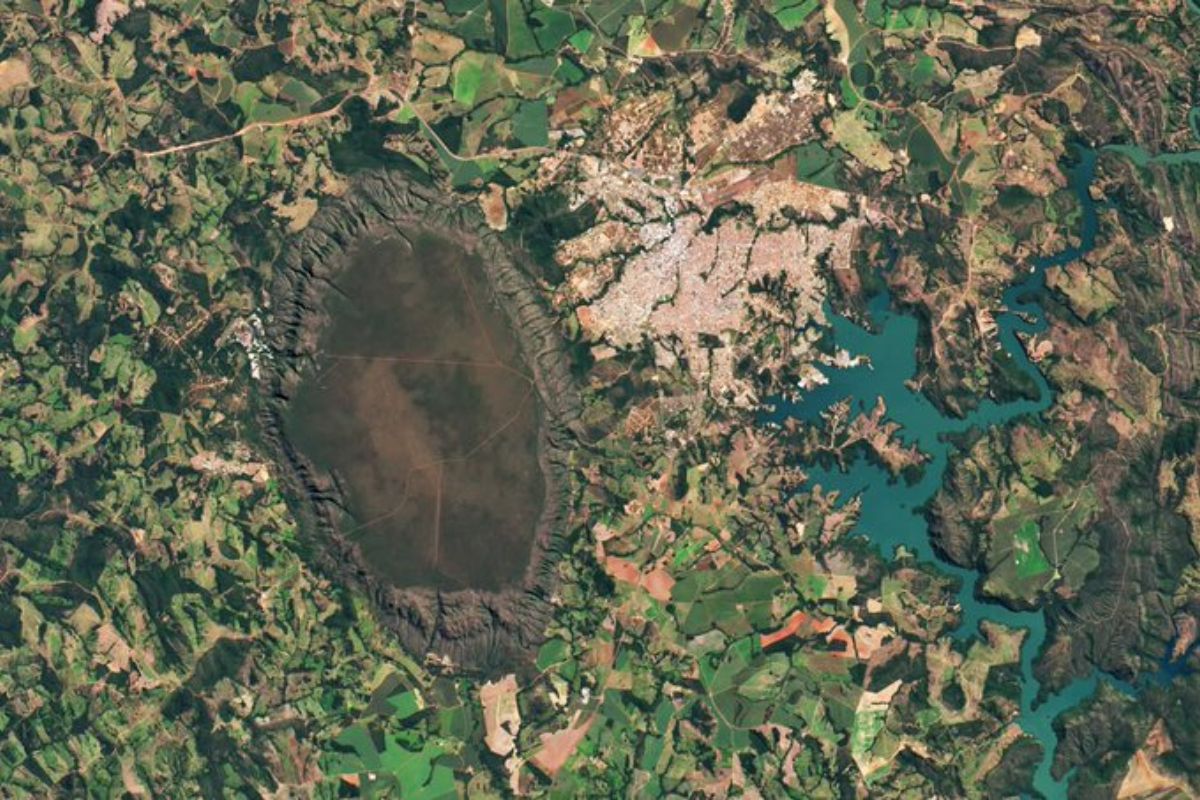
NASA published a photo taken from space of a mountain range in the interior of Goiás, and the whole world wanted to know what it was: beneath it lies the largest hot water spring on the planet, with temperatures reaching 70 degrees in the middle of the Cerrado.
-
A thermal block costing only R$ 0.40 catches attention by reducing heat by up to 80% using recycled styrofoam, a common kitchen ingredient, and a manual technique capable of producing 50 blocks from a single bag of cement.


Where the operation took place and why the risk was so high

The episode occurred in Rajasthan, a region known worldwide for its extremely dry climate and high temperatures. However, the atypical rains during that period completely altered the behavior of the Luni River, which normally has a dry bed for long months of the year.
This river flows hundreds of kilometers from its source in mountainous areas to drain into a saline swamp on the coast. However, during the summer monsoons, the water volume can increase alarmingly within hours.
Thus, the situation required constant monitoring and quick decisions. The pressure accumulated on the banks began to directly threaten nearby communities, making emergency intervention inevitable.
How the water diversion prevented the destruction of the villages
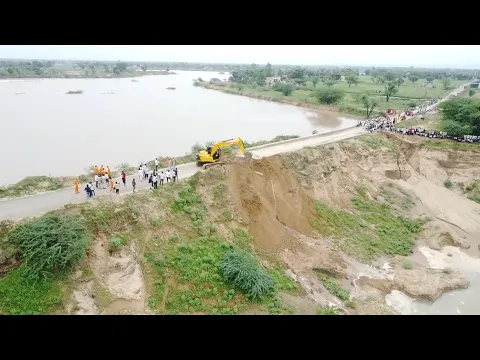
To contain the advance of the flood, engineers adopted a solution considered brilliant and low-cost. Instead of building traditional barriers, a strategic passage was opened that diverted the current to a secondary course.
Additionally, the water was directed to enormous abandoned craters formed after years of gravel extraction. These large holes functioned as improvised natural reservoirs.
As a result, the force of the water was quickly reduced. The filling of these craters managed to absorb the excess volume before the mud reached the inhabited areas.
Consequently, the impact of the flood was practically neutralized, preventing significant human and material losses.
Teams worked through the night to contain the disaster
The success of the operation was not only technical but also human. Several teams worked in a coordinated and continuous manner to ensure that everything went according to plan.
Police and rescue specialists set up emergency camps in the most critical areas. Meanwhile, the local magistrate personally supervised the opening of the channels during the night, ensuring quick execution.
At the same time, efficient communication was essential. Through radios and improvised loudspeakers, residents received clear instructions to avoid panic and dangerous movements.
Thanks to this organization, no civilian attempted to cross flooded areas, which directly contributed to everyone’s safety.

Unexpected benefits of water retention in dry soil
Although the episode began as a serious threat, it brought positive consequences for the region.
This is because the water accumulated in the craters began to slowly infiltrate the soil, recharging the underground aquifers — an extremely valuable resource in arid areas.
Among the main benefits, the following stand out:
- Increased soil moisture, favoring the next agricultural cycle
- Safer supply for livestock
- Reduction of erosion on slopes near communities
In other words, in addition to preventing an immediate disaster, the strategy also contributed to improving local environmental and economic conditions in the long term.
What this operation teaches about natural disaster management
Finally, this action reinforces the importance of knowledge of the territory and quick decision-making in critical situations.
By using abandoned mining craters as containment basins, the authorities showed that simple and smart solutions can be more effective than large, expensive works.
Thus, the case of the Luni River becomes a relevant example of how planning, engineering, and efficient communication can save lives and transform a crisis into an opportunity.








Seja o primeiro a reagir!