





 Portuguese
  English
  Spanish
  5 min of reading
  0 comments


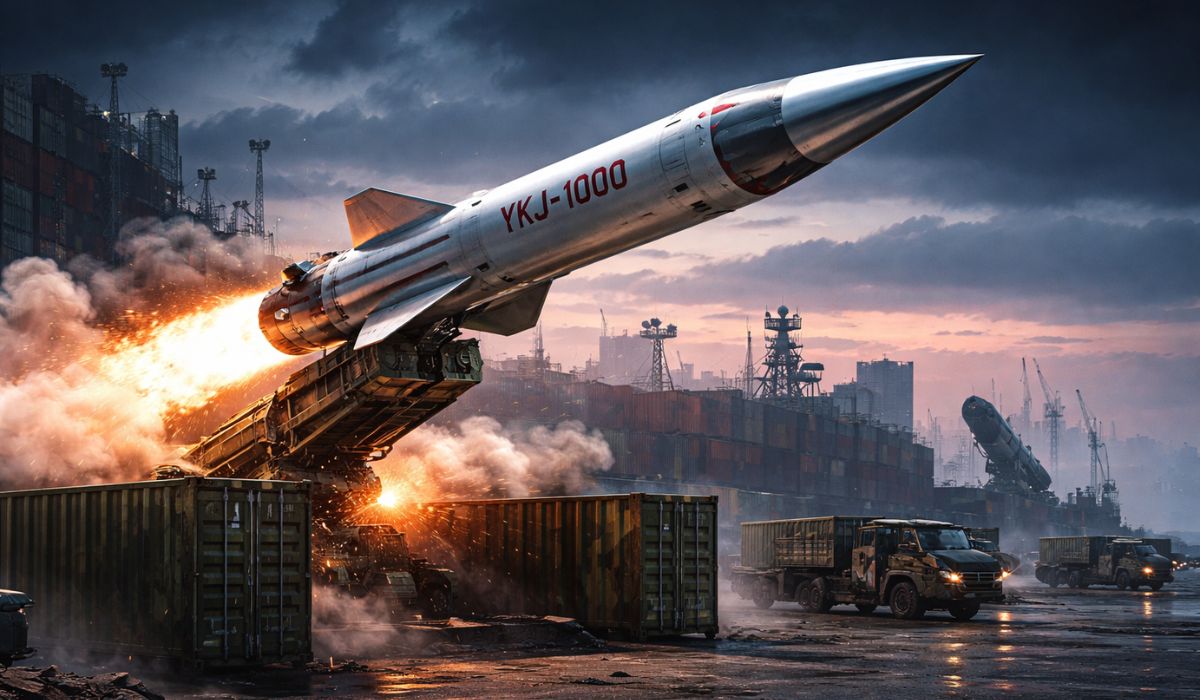
Announcements about Chinese weapons of lower cost rekindled a strategic debate that involves industrial scale, pressure on defense systems, and the limits between technological promise, actual capacity, and geopolitical impact on the international scenario.
China has begun to more clearly expose a change in the military industry that has been monitored by defense analysts: the attempt to combine hypersonic speed, mass production, and lower cost than the standard observed in U.S. arms programs.
The most cited case is that of the YKJ-1000, presented by the Chinese private company Lingkong Tianxing as a hypersonic missile with a range of 500 to 1,300 kilometers and a speed between Mach 5 and Mach 7.
So far, however, these specifications have been released by the company itself and reproduced by state media and the international press.
-
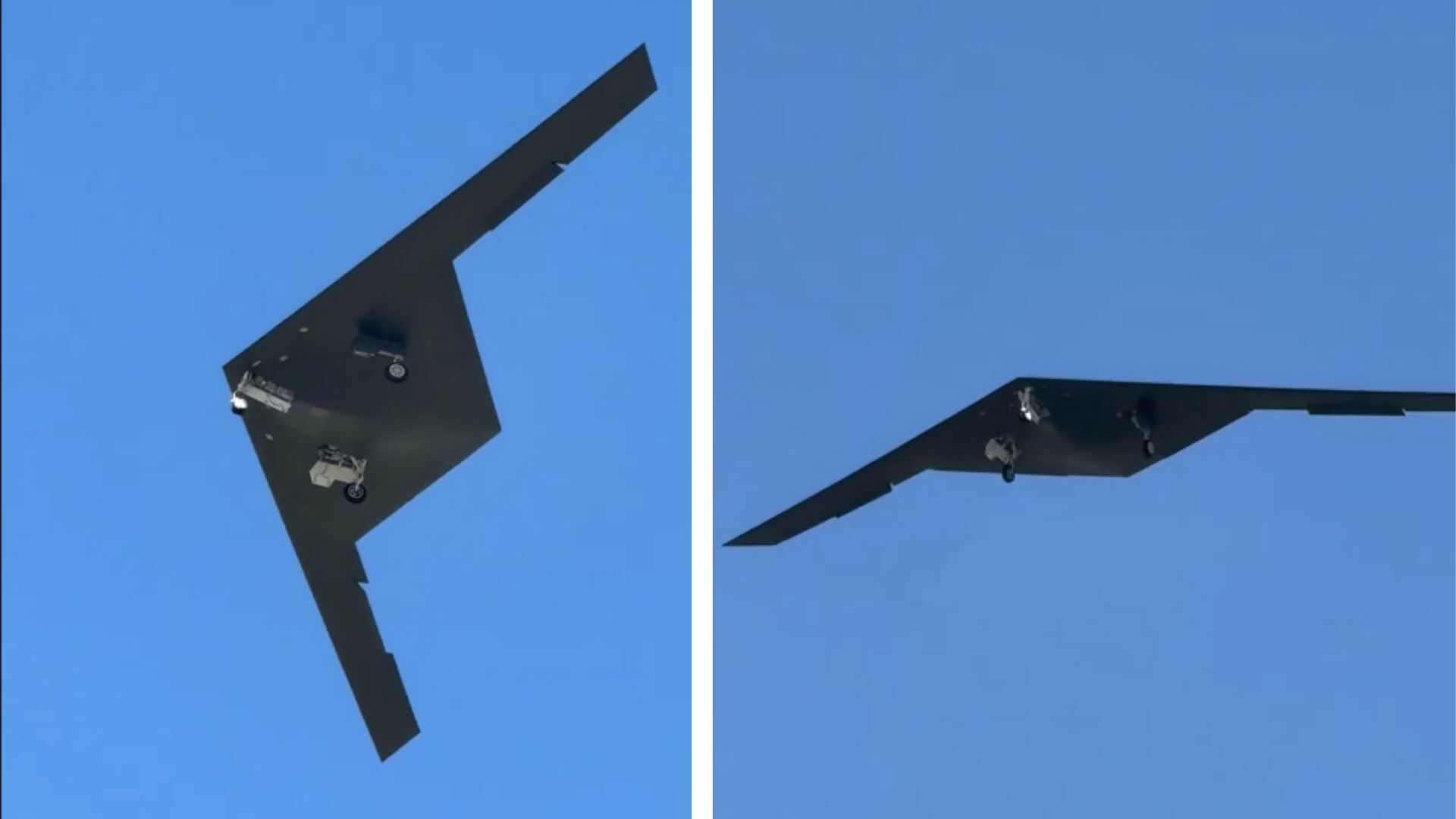
US secret drone with stealth technology and flying wing design spotted in high-altitude operation over Greece.
-
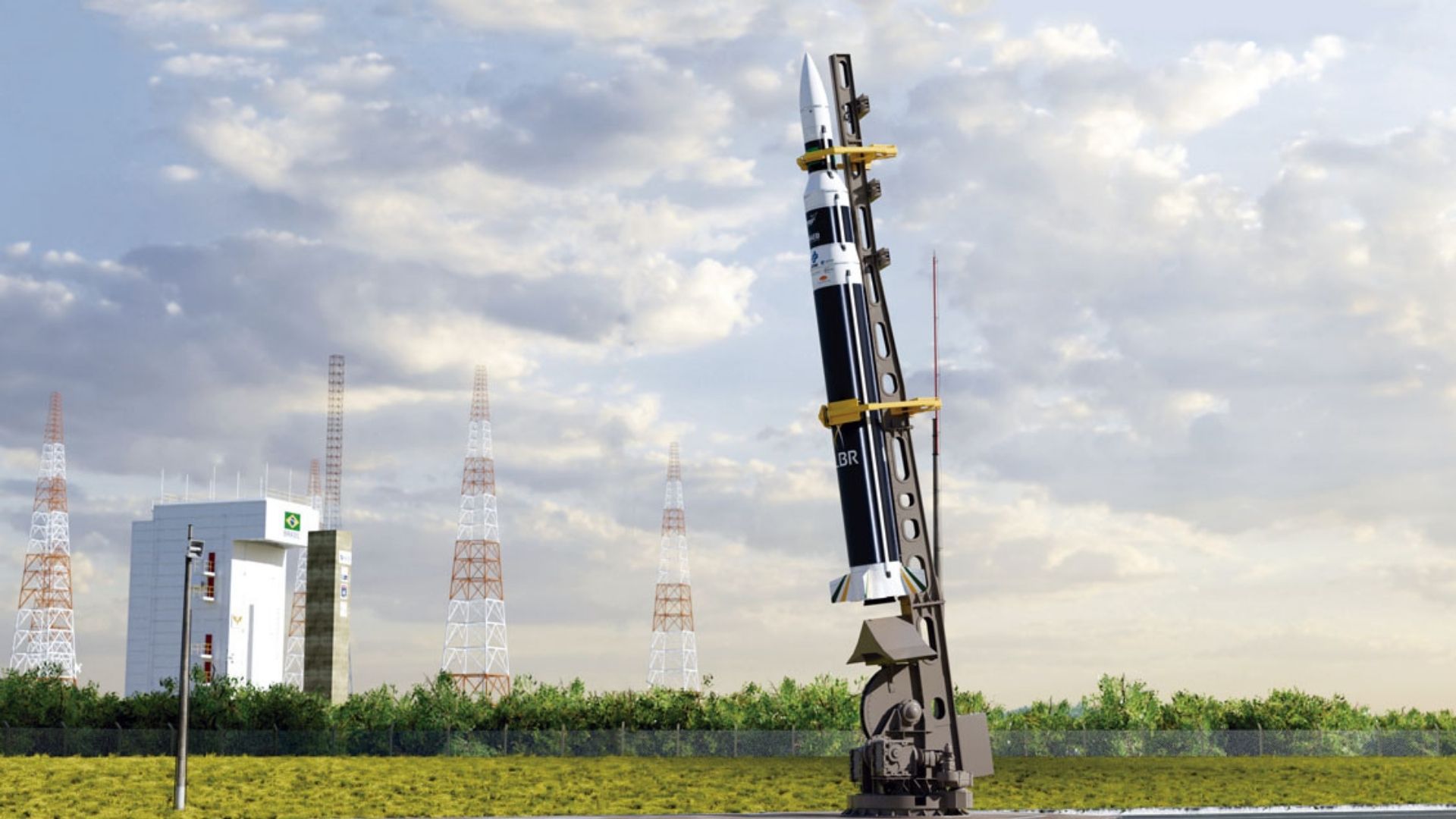
Brazil accelerates the development of a Brazilian rocket to launch small satellites and achieve space autonomy.
-
An ancient and active ecosystem is revealed beneath a giant iceberg in Antarctica after a scientific expedition with a submarine robot at a depth of 1,300 meters, and the discovery surprises international researchers.

-
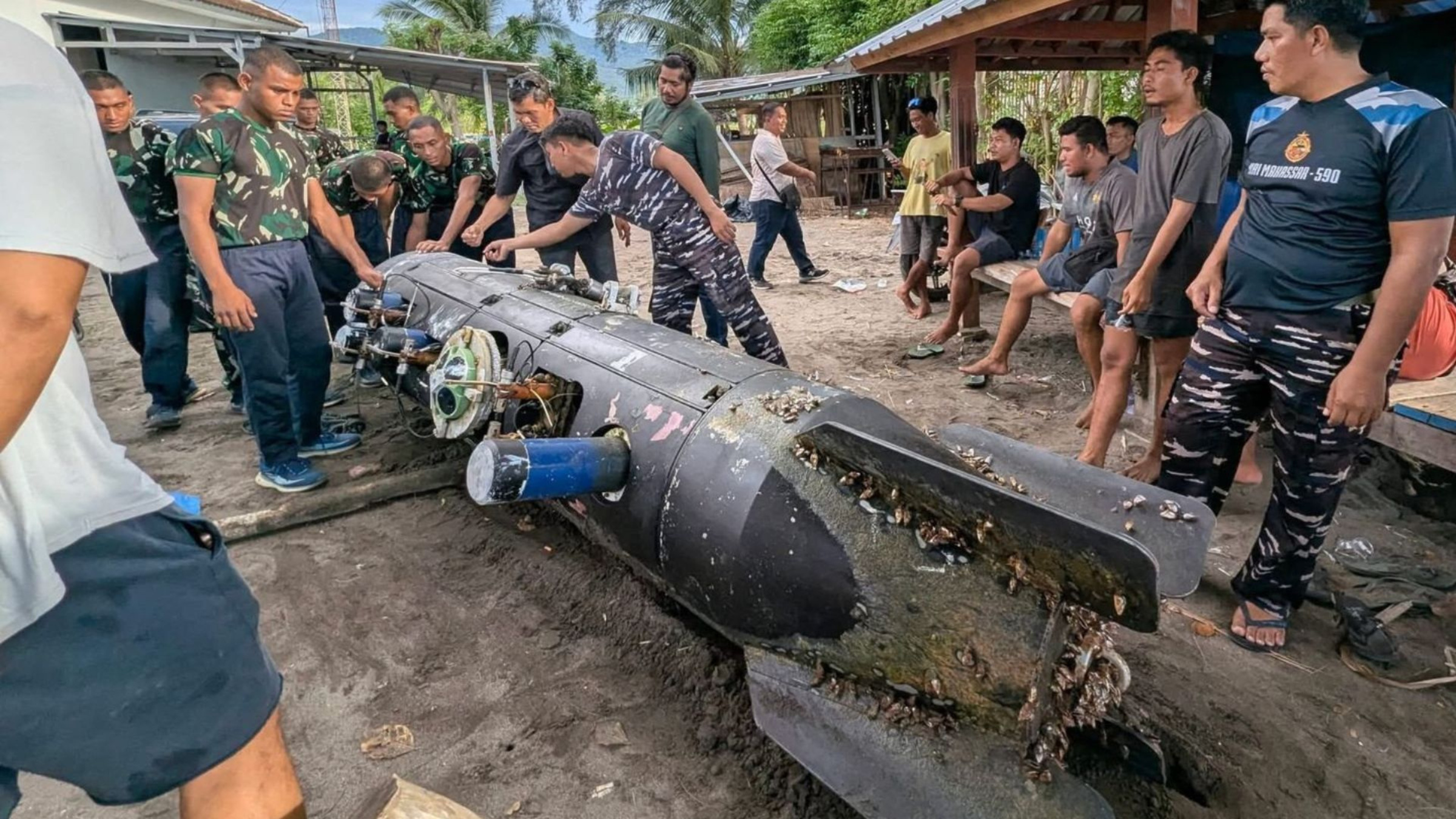
Chinese torpedo-shaped underwater drone found by fisherman in strategic waters of Indonesia.
Cost of hypersonic missiles and mass production
More than the announced speed, the point that has concentrated analysts’ attention is the promise to reduce the cost of a high-complexity weapon to an unusual level for this type of project.
Reports published between late 2025 and early 2026 indicated that the YKJ-1000 was announced with a price around US$ 99,000, a value associated with the use of civilian materials and industrial processes closer to commercial manufacturing than to the traditional defense industry standard.
The manufacturer also stated that the basic version of the system has already entered into mass production.
According to experts consulted by research centers and international media, the relevance of this type of announcement lies less in the isolated technological novelty and more in the economic effect that a cheaper system can generate on adversary defense.
In missile defense systems, the problem is not limited to intercepting a target.
The issue becomes doing so sustainably, especially in scenarios of repeated or large-scale attacks.
Air defense, interceptors, and pressure on stockpiles
Studies from CSIS and the European Policy Centre indicate that interceptors used by the United States and allies can cost millions of dollars per unit, while drones and offensive missiles employed in recent conflicts are much cheaper.
In this context, the difference between the cost of attacking and defending has returned to the center of the strategic debate.
This mismatch has been pointed out by analysts as one of the main challenges of current wars.
When the defender needs to employ more expensive systems to neutralize cheaper offensive vectors, the pressure falls not only on technical capacity but also on stockpiles, replenishment, and budget.
It is at this point that the Chinese announcement has begun to be observed with more attention.
If the proposal to manufacture hypersonic weapons at reduced costs is confirmed on a relevant scale, the impact would not only be on attack capacity but also on the additional difficulty imposed on existing defense systems.
What the manufacturer says about the YKJ-1000
In presenting the YKJ-1000, Lingkong Tianxing did not limit itself to disclosing range and speed.
The promotional material also mentioned automatic target identification capability, evasive maneuvers, and use against high-value installations located behind defense lines, such as radars, command centers, and missile positions.
Additionally, the company told the state newspaper Global Times that it is working on a version described as “smart,” with features related to artificial intelligence and swarm operation.
Since these characteristics were also presented by the manufacturer itself, without independent public validation, it is more appropriate to treat them as announced capabilities, rather than proven performance.
Still, the case drew attention because it suggests a broader industrial priority.
Instead of concentrating the advantage only in high-cost and limited-manufacturing weapons, the strategy signaled by the company points to greater emphasis on available quantity, rapid replenishment, and lower cost per unit, a combination that analysts have been associating with the recent transformation of the defense sector.
Modern war, cheap drones, and the economy of conflict
The discussion about cost and scale does not occur in isolation.
In the conflict involving Iran, the United States, and regional allies, the topic has reappeared frequently in analyses of air defense.
Recent reports and articles indicated that relatively cheap drones and lower-cost missiles can force the use of much more expensive interceptors, which increases pressure on stockpiles and logistics.
The European Policy Centre estimated, for example, that Patriot interceptors can cost around US$ 4 million, while a THAAD missile can range between US$ 12 million and US$ 15 million.
During the same period, Reuters reported that, even after weeks of attacks, U.S. intelligence could only confirm with certainty the destruction of part of the Iranian missile arsenal, which kept the discussion about replenishment and sustainability of defense ongoing.
Also, in the war in Ukraine, this pattern appeared, although at a different technological scale.
The use of cheap drones, decoy platforms, and adapted systems in short cycles has been pointed out by analysts as evidence that saturating defenses and raising the adversary’s cost can be as relevant as achieving maximum precision in each attack.
What has been announced and what has not yet been proven
The repercussions of the YKJ-1000 can be explained by this context, but the announcement requires caution.
There is a difference between a capability displayed in promotional materials and a transformation already proven in the global military balance.
In the case of the Chinese system, there is public record of presentation, test videos, and statements from the manufacturer about mass production and reduced price.
On the other hand, independent data about closed contracts, industrial pace, success rate in operational tests, effective integration into Chinese forces, or actual large-scale acquisition price have not yet come to light in a verifiable manner.
Without this set of evidence, it is more accurate to state that China signals a strategy of cost compression and scale expansion in the hypersonic field.
This movement, in itself, has already begun to be monitored by specialists because it touches on a central point of contemporary warfare: in various scenarios, defending has cost more and required more resources than attacking.
When a power combines a broad industrial base, integration between civilian and military technology, and a focus on systems produced in greater numbers, the debate shifts from merely technical performance to include the capacity to maintain production and replenishment over time.
In this scenario, the announcement of the YKJ-1000 was received less as a curiosity about a new missile and more as an indication of change in the economy of modern warfare.
The question that analysts are now trying to answer is to what extent this strategy can actually be converted into measurable operational capability.



Seja o primeiro a reagir!