





 Portuguese
  English
  Spanish
  3 min of reading
  0 comments


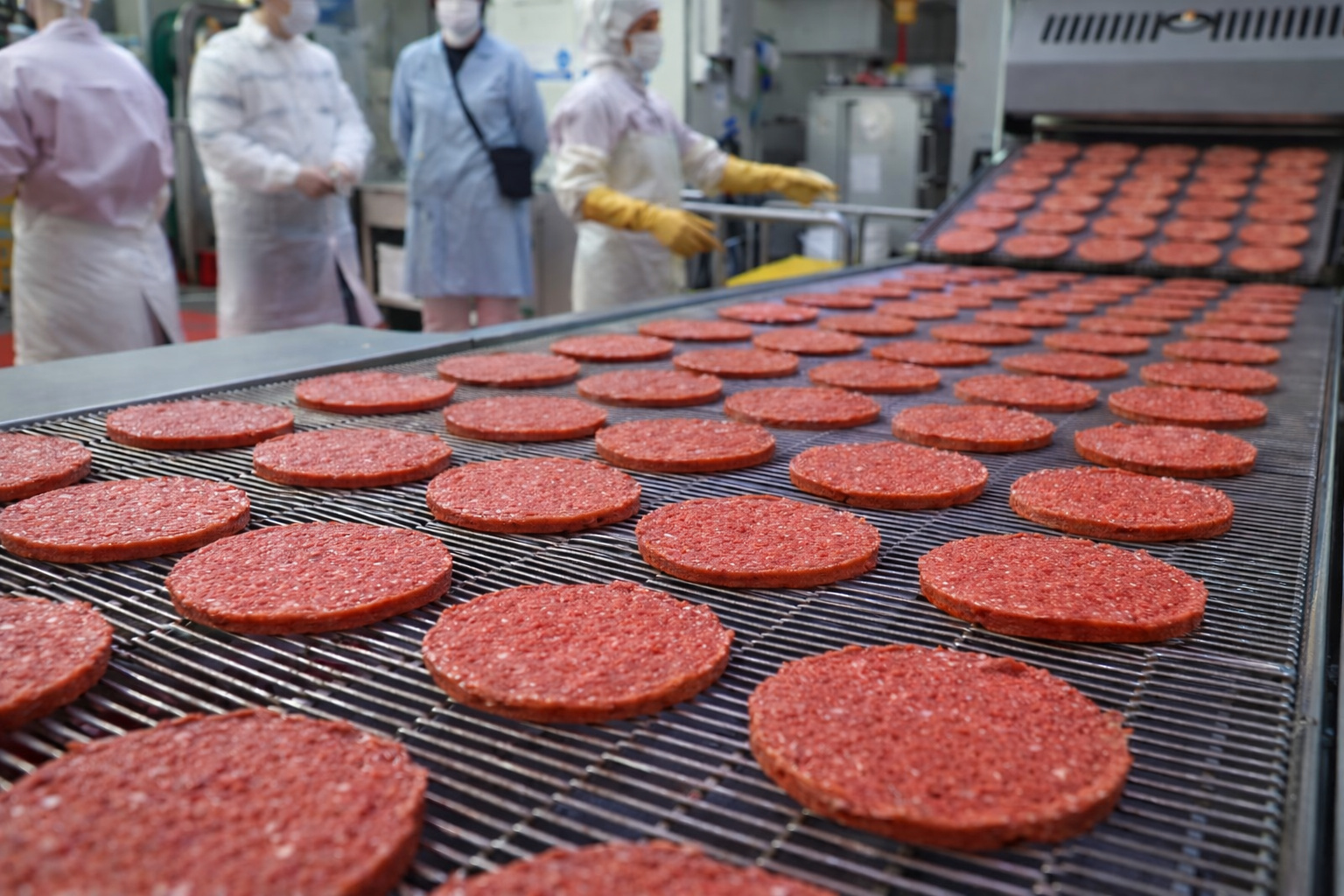
Mass production of burgers in Korea shows how industrial food manufacturing reaches high scale with precision and speed
The mass production of burgers in Korea impresses with the speed and level of technology involved in each step. The industrial process transforms large quantities of meat into standardized products in a short time.
This model directly impacts modern consumption. The industrial manufacturing of burgers allows for large-scale production while maintaining quality, safety, and consistency in each unit delivered to the market.
Industrial production begins with high-capacity grinding and meat control
The process starts with the selection of meat and control of raw materials. Then, industrial grinding transforms large volumes into a uniform mass.
-
With a very high value, the factory extracts raw ore to produce gold bars, the precious yellow and shiny metal, which undergoes smelting, molding, and finishing to be present in the lives of people around the world.

-
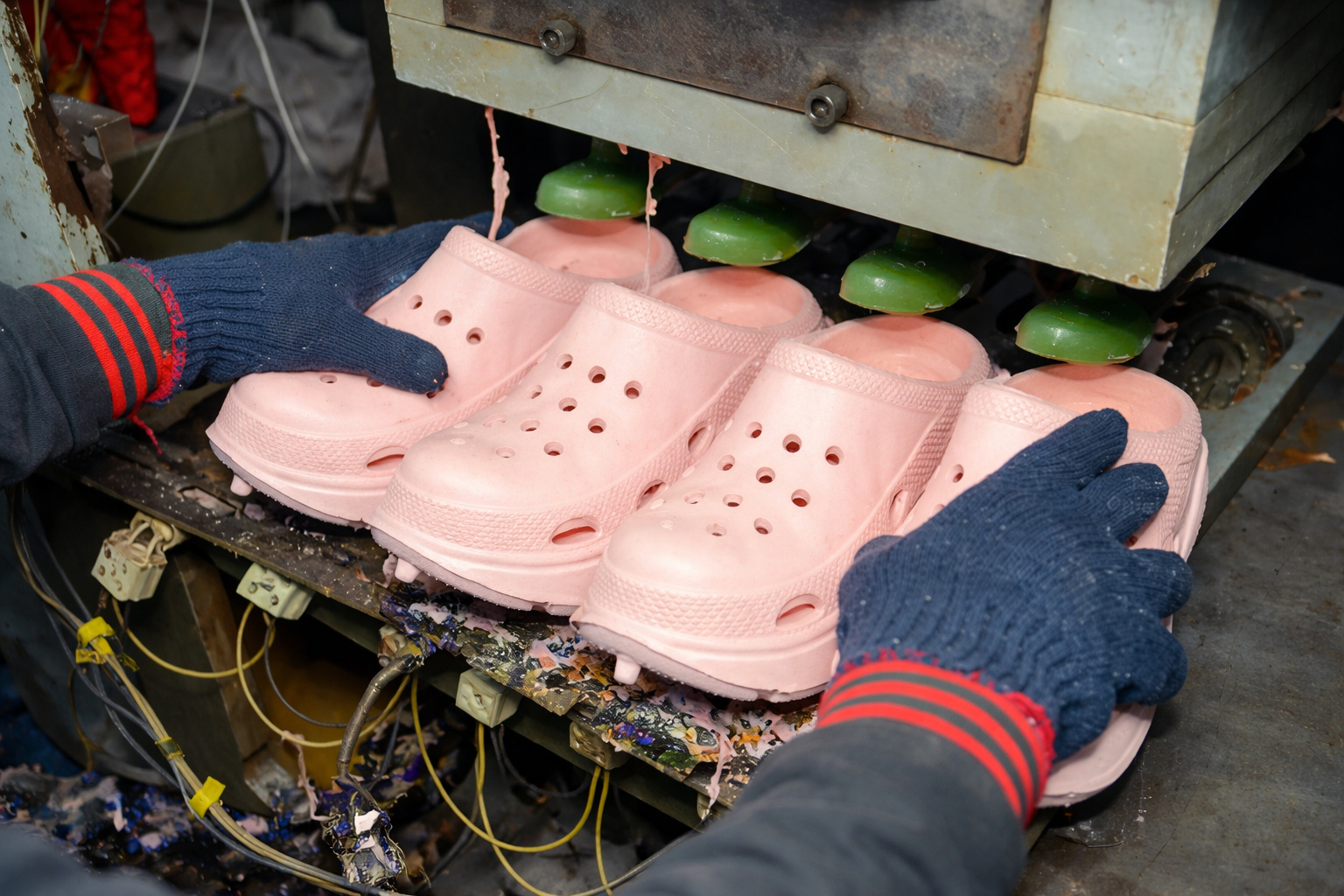
With a rigid organization, attentive workers, and machines that don’t stop for a second, the production of foam slippers like Crocs in India demonstrates how the factory transforms raw material into pairs ready for export.
-
Archaeologists find 16th-century silver coin.

-
An 86-year-old farmer rejected a proposal of R$ 76 million to sell his land and surprised everyone by turning down an AI data center on his 105-hectare farm, negotiating for only R$ 10 million for environmental preservation.

Industrial equipment can process up to 500 kg of meat per hour, ensuring speed right from the initial stages of production.
The Scientific Publisher, a Brazilian academic publisher, detailed that controlling the grinding and raw materials is essential to ensure quality and safety in the final product.
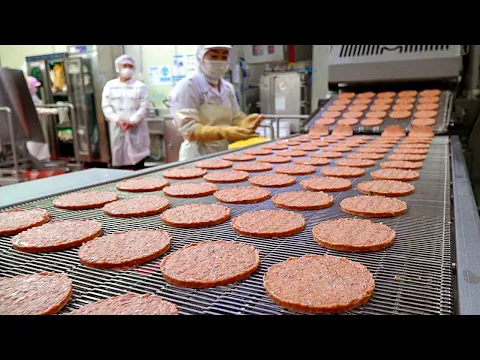

Mixing and standardization ensure quality in thousands of units
After grinding, the meat is mixed with seasonings and ingredients. This step defines flavor, texture, and consistency.
The process is carried out in industrial machines that operate continuously. In a few minutes, the mass becomes homogeneous, allowing for large-scale production without variations.
This standardization is fundamental for the mass production of burgers in Korea, where thousands of units need to come out identical every day.
Machines mold more than 2,000 burgers per hour with precision
Automatic molding is one of the most impressive aspects of production. Specialized machines can form more than 2,000 burgers per hour, maintaining the same weight and shape.
In smaller equipment, production can reach around 450 burgers per hour, which already demonstrates the high efficiency of the industrial process.
This level of automation reduces the need for manual labor and increases productivity. Few operators are responsible for supervising the entire line.
Large-scale production can reach millions of units per month
Industrial production is not limited to hours or days. In larger operations, the scale reaches even more impressive levels.
Industrial structures can achieve up to 2 million burgers per month in a single production shift, showcasing the capacity of this sector.
This volume allows for the supply of entire food chains and large markets, maintaining the same standard across all products.
Freezing and storage ensure safety and distribution
After molding, the burgers undergo rapid freezing. This process preserves quality and prevents contamination.
The cold chambers operate at temperatures that can reach between -18 and -22 degrees, ensuring proper preservation during storage.
Sebrae, a Brazilian service supporting small businesses, highlighted the importance of freezing to maintain the durability and safety of food produced on a large scale.
Korean industry shows how technology transforms food production
The production of burgers in Korea combines automation, speed, and strict control. Machines perform repetitive tasks with precision, while operators monitor the process.
This model reduces errors and increases efficiency. At the same time, it ensures that each unit meets the same quality standard.

The mass production of burgers in Korea represents a clear example of how the food industry has evolved with the use of technology.
Mass production transforms a simple food into a highly technological process
The burger has ceased to be just a handcrafted food. Today, it goes through a complete industrial system that involves machines, quality control, and large-scale production.
The ability to produce thousands of units per hour and millions per month shows how the industry can meet a growing global demand.
The mass production of burgers in Korea reveals a modern scenario where technology and food go hand in hand to ensure efficiency and scale.
If this type of production surprised you, leave your opinion in the comments and share this content with others who also enjoy curiosities about industry and technology.








Seja o primeiro a reagir!