





 Portuguese
  English
  Spanish
  5 min of reading
  0 comments



Barley production in Brazil advances with investments in the field and industry, but changes in beer consumption may impact the sector.
Considered the main input of the brewing industry, barley has been recording consistent growth in Brazilian production in recent years, driven by investments in the field, technological advancement, and industrial expansion.
The movement occurs especially in the South region, particularly in Paraná, and gains strength due to the growing demand for malt.
However, changes in consumer behavior, especially among younger people, raise a warning for the future of the sector.
-
With tractors out of reach for small producers, a tricycle created by Embrapa Algodão becomes a cheap and efficient solution and gains national prominence.

-
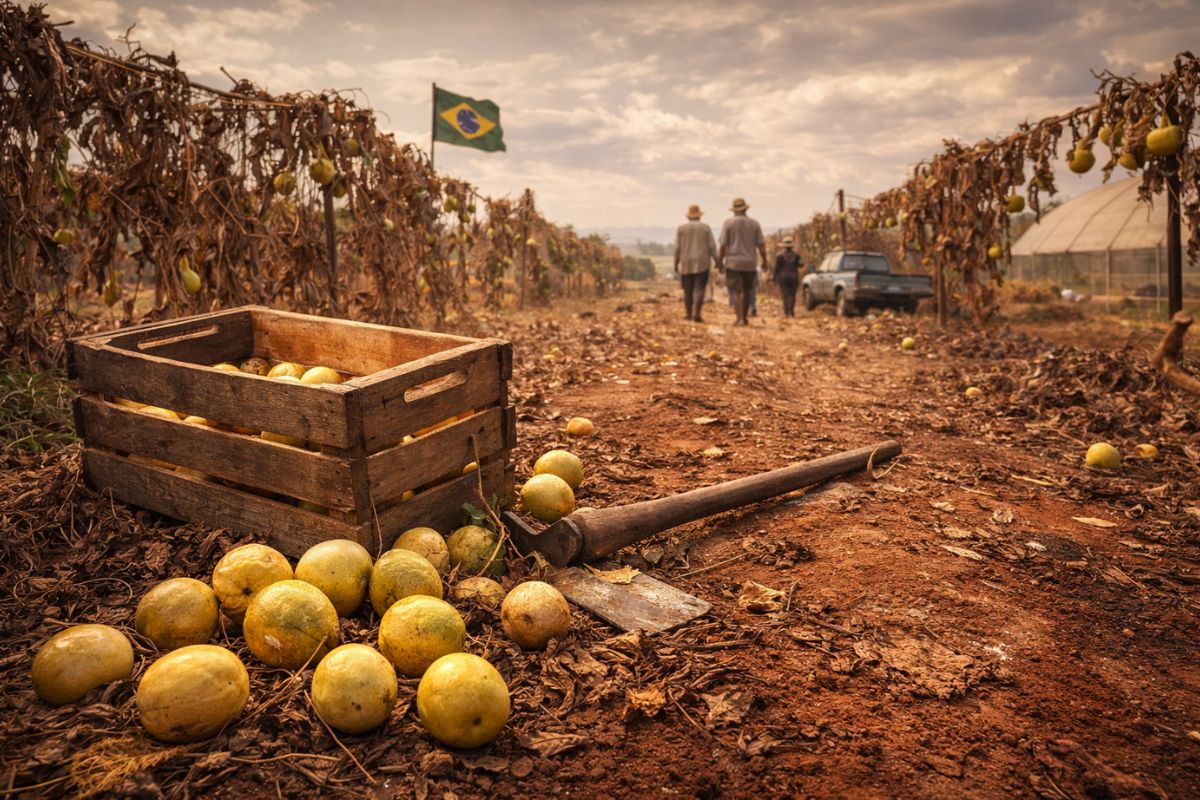
From 130 producers in the year 2000 to just 15 today: the dramatic decline of passion fruit in Araguari shows how the lack of labor in the Brazilian countryside is killing a decades-old agricultural tradition, even with Brazil being the largest producer in the world.
-
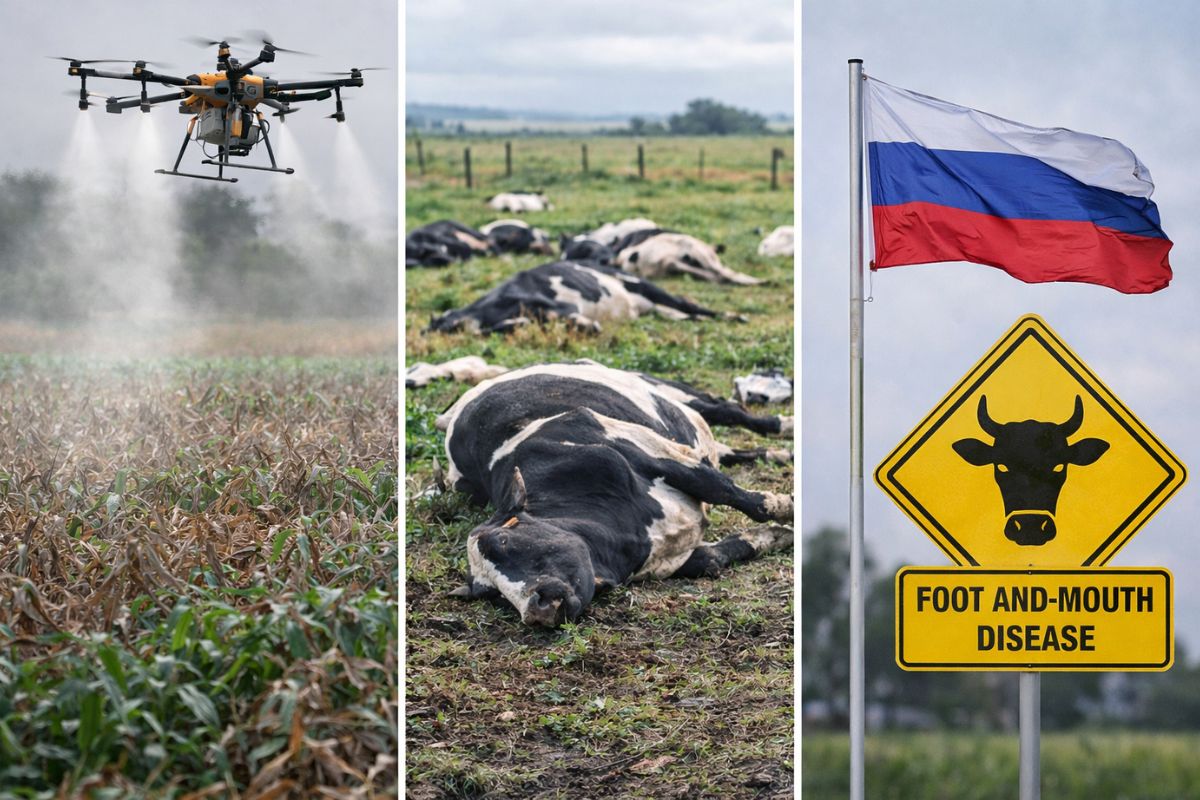
Agricultural drone sprayed poison into the air and destroyed the neighbor’s crops, causing 1 million in damages; 48 cows died from nitrite poisoning in the pasture, and Russia is hiding a possible outbreak of foot-and-mouth disease: the week was brutal for the rural sector.
-
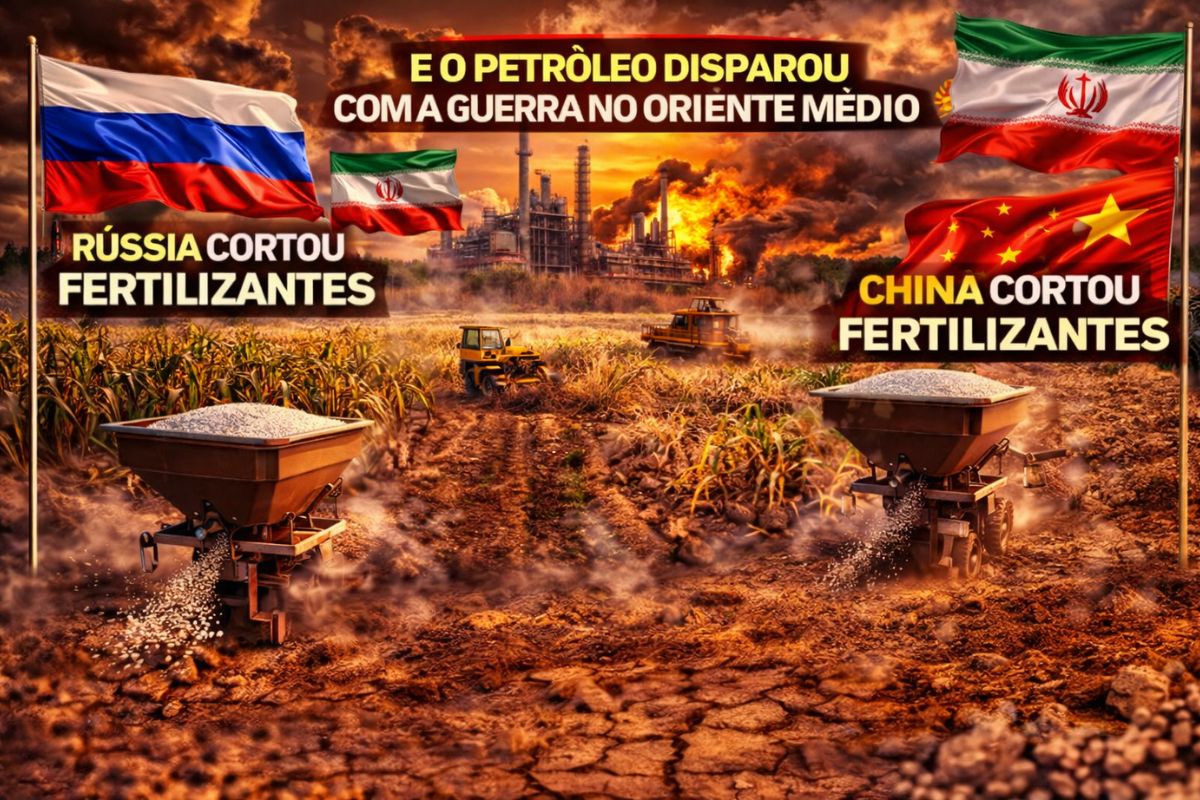
Russia cut fertilizers, China cut fertilizers, and oil prices soared with the war in the Middle East: sugarcane producers in the interior of São Paulo are seeing costs explode from all sides and warn that the effects will take months to be absorbed.

Currently, Brazil produces between 400,000 and 500,000 tons of barley per year, a number still insufficient to fully meet national demand.
Therefore, the country remains dependent on imports, especially to meet specific standards required by the brewing industry. Nevertheless, experts point out that the scenario is one of progress, albeit accompanied by caution.
Barley production grows with support from the field and technology
The expansion of barley production in Brazil is directly linked to the strengthening of agribusiness and investment in research.
Paraná leads this growth, favored by ideal climatic conditions, suitable soil, and a strong cooperative organization.
In addition, the development of new varieties of the cereal has contributed to improving productivity and quality. This allows producers to achieve better results, even in a crop considered more technical.
In this context, agricultural cooperatives play a fundamental role. They provide technical support, encourage innovation, and ensure greater security in marketing, essential factors for consolidating barley as a strategic crop in the country.


Investments drive the barley production chain
Another decisive factor for the advancement of barley production is the investment from the brewing industry. In the Campos Gerais of Paraná, for example, large companies have significantly increased their presence, strengthening the entire production chain.
One of the largest malt houses in the country, located in Ponta Grossa, received a billion-dollar investment and has the capacity to produce hundreds of thousands of tons of malt per year. To do this, it requires a large amount of barley, which directly stimulates rural producers.
Additionally, new factories and industrial expansions are being carried out, increasing the need for national raw materials. As a result, the integration between field and industry intensifies, creating a positive growth cycle.
Demand exceeds production and maintains imports
Despite the advances, barley production still cannot fully meet the domestic market. The demand from the Brazilian brewing industry exceeds 800,000 tons annually, forcing the country to resort to imports.
A large part of this imported barley comes from neighboring countries, such as Argentina. This dependence occurs mainly due to quality requirements for malt production, which are not always met by national production.
On the other hand, experts highlight that the scenario is improving. The increase in productivity and investments in research indicate that Brazil may reduce this dependence in the coming years.
Producers bet on barley as a profitable crop
In the field, many farmers have bet on barley as a profitable alternative. Even though it is a more technically demanding crop, it offers a guaranteed market and good return prospects.
Producers report that the adoption of new varieties has been decisive in improving crop performance. Thus, barley consolidates itself as a strategic option, especially during the winter period.
Moreover, proximity to malt houses facilitates logistics and reduces costs, making the crop even more attractive for farmers in the South region.
The relationship between the brewing industry and barley production is direct and essential. Malt, derived from the cereal, is one of the main ingredients of beer, making the sector highly dependent on this raw material.
In recent years, large groups have expanded their operations in Brazil, increasing the demand for national barley. This has contributed to the expansion of planted areas and the strengthening of the production chain.
However, the global scenario brings uncertainties. Recently, companies in the sector announced restructuring and cost-cutting, which may impact future investments.
Change in beer consumption worries the sector
While barley production is growing, beer consumption shows signs of slowing down. This movement is mainly linked to changes in behavior among new generations.

The so-called Generation Z has shown less interest in alcoholic beverages. Research indicates that a significant portion of young adults has recently stopped consuming alcohol.
This trend worries the sector, as it may reduce the demand for malt and consequently affect the entire barley production chain. Thus, companies and producers are closely monitoring the scenario.
Diversification may be the way for the future
In light of the challenges, experts advocate for the diversification of barley use as a strategy to sustain the growth of production. The cereal has potential beyond the brewing industry.
Among the possibilities, the use in human food, especially in whole and functional products, and in animal nutrition stands out. Additionally, studies point to industrial and even energy applications.
This diversification can reduce dependence on the brewing sector and open new markets for the cereal, increasing its economic relevance.
Genetic research expands the frontiers of production
Another important point is the advancement of genetic research, which has allowed barley cultivation in new regions of Brazil. This expands the number of producers and strengthens the production chain.
With more adapted varieties, it is possible to maintain high quality standards even outside traditional cultivation areas. As a result, the country approaches a scenario of greater self-sufficiency.
Experts believe that, in the medium term, Brazil can significantly reduce the need for imports, consolidating its barley production.
The future of barley in Brazil is promising, but it requires attention. On one hand, there is growth in production, investments, and technological advancement. On the other, changes in consumption and economic uncertainties.
Therefore, the balance between supply and demand will be essential to ensure the sustainability of the sector. At the same time, diversification of uses and innovation must gain more space.
Thus, barley remains one of the pillars of Brazilian agribusiness, with potential to grow even more and consolidate as a strategic crop in the country.
Source: GAZETA DO POVO









Seja o primeiro a reagir!