





 Portuguese
  English
  Spanish
  3 min of reading
  0 comments


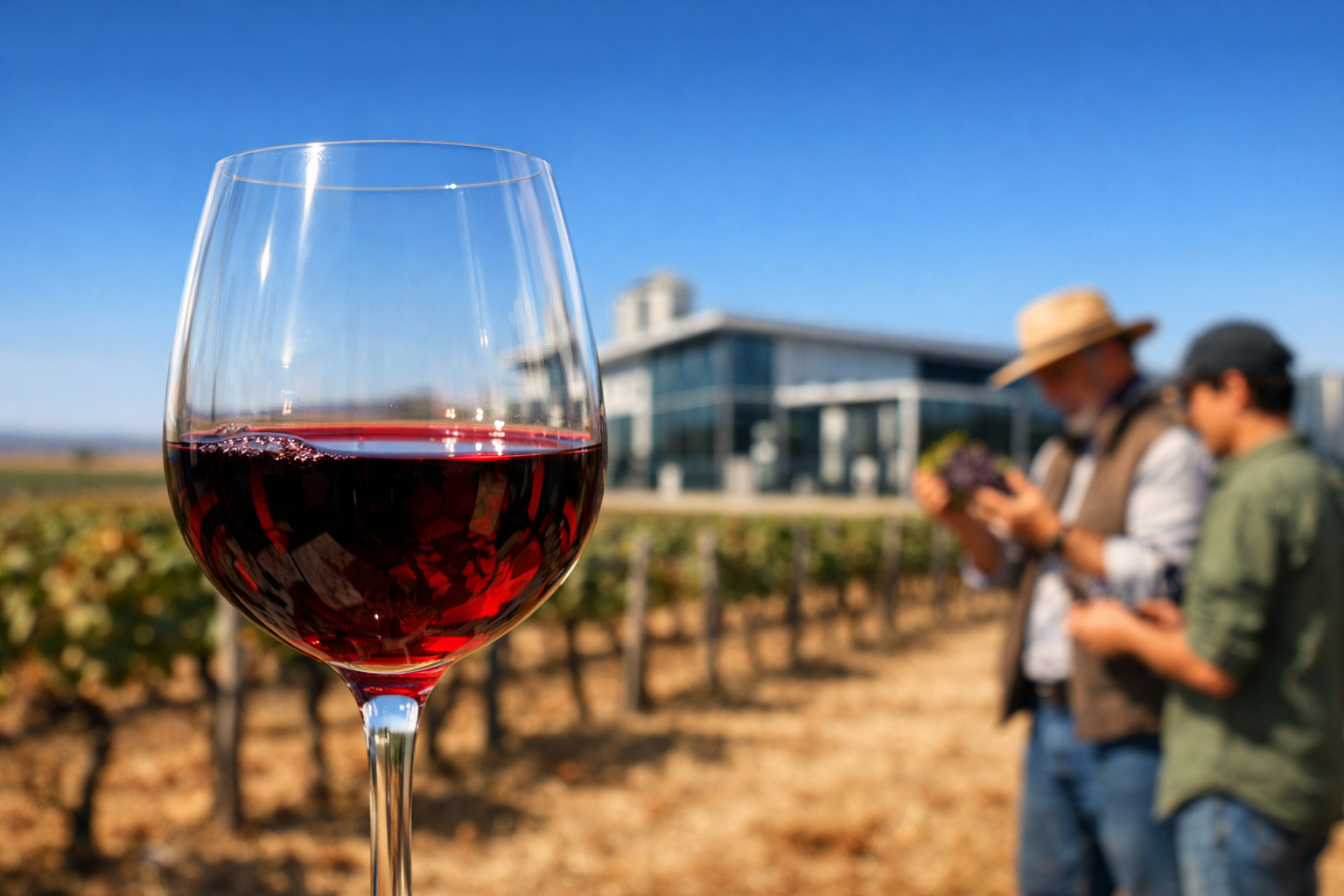
New technological center in Brasília strengthens production outside the traditional axis, expands quality of grapes, and accelerates growth of emerging regions of national winegrowing
The classic image of Brazilian wine has always been linked to the landscapes of Serra Gaúcha, in the south of the country. However, in recent years, this scenario has undergone a significant transformation. Gradually, the map of national winegrowing has expanded to new regions, especially in the Cerrado, where the so-called winter wines are gaining more and more prominence.
In this context of expansion, a new milestone reinforces this trend. In Brasília, a laboratory focused on certification and research will be inaugurated, consolidating the presence of wine production in regions that were previously not associated with the sector, such as the Midwest.
This information was disclosed by “CNN Brasil”, based on sector data and interviews with industry representatives, highlighting the accelerated and strategic growth of this new productive frontier.
-
Elderly individuals aged 65 or older who have never contributed to the INSS can receive R$ 1,621 per month in 2026 without having paid any contributions in their lifetime: learn how the benefit works that already supports nearly 7 million Brazilians.

-
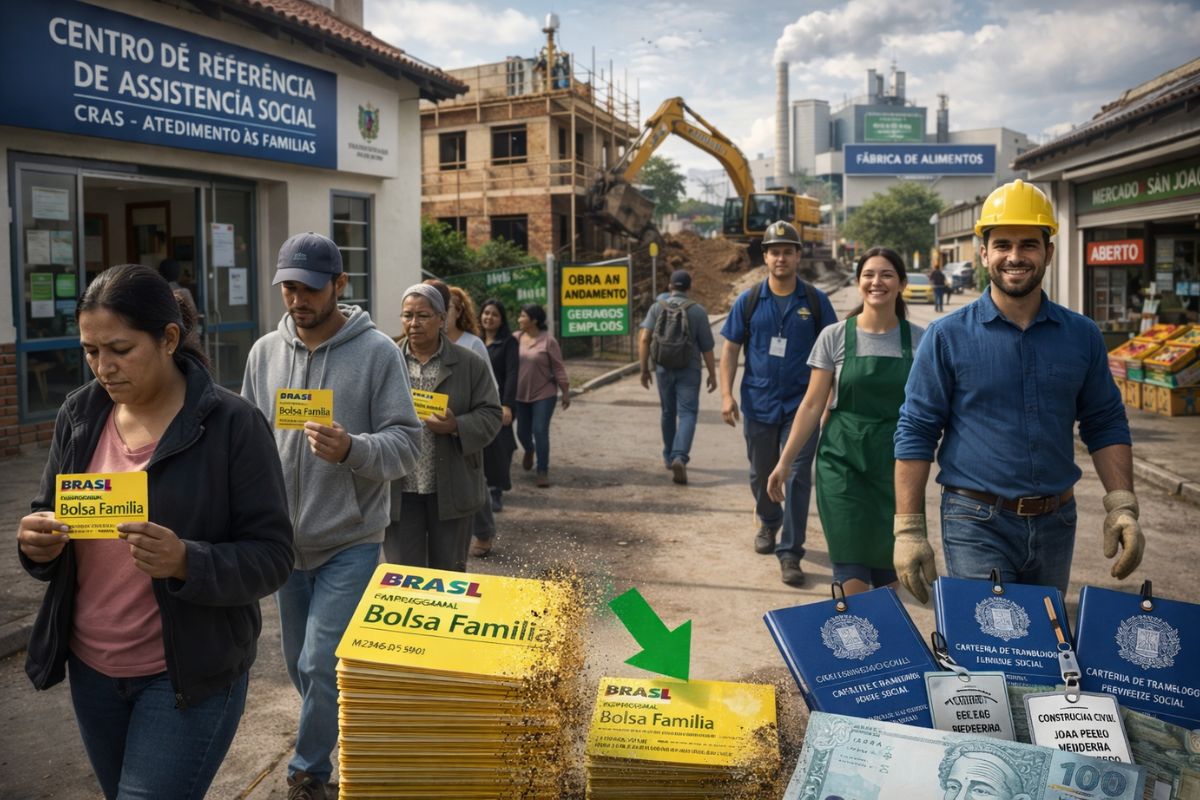
The gaucho city reduced the number of Bolsa Família beneficiaries by almost 40% in just a year and a half with active outreach that connects each registered person directly to job vacancies in Bento Gonçalves in Rio Grande do Sul.
-
The bluest city in Brazil has just gained a new floating bridge for the free crossing between the island and the mainland, connecting residents and visitors to the historic center of São Francisco do Sul every day of the week.

-
In a silent race, Shopee signs a mega contract in Guarulhos and accelerates the e-commerce war with faster deliveries, pressured shipping, and a new threat to rivals in Brazil.

Moreover, this movement represents not only a geographical change but also a technological advancement that redefines the quality standards of Brazilian wine.

New laboratory strengthens over 55 wineries and bets on technology
With an investment of R$ 3.4 million, the Center for Analysis and Research of Brazilian Winegrowing emerges as a watershed for the sector. Developed in partnership between Anprovin (National Association of Winter Wine Producers) and ABDI (Brazilian Agency for Industrial Development), the space promises to become a technical reference in the country.
The laboratory will serve more than 55 wineries, distributed across the Southeast, Midwest, and also new winegrowing frontiers, such as Chapada Diamantina in Bahia. Thus, it significantly expands technical support for producers seeking to raise the quality standard of their products.
Additionally, the structure will allow for high-precision physicochemical and sensory analyses, something essential to ensure competitiveness in the market. At the same time, courses, training, and qualifications will also be offered, strengthening professional qualification in the sector.
According to Cláudio Góes, president of Anprovin, the establishment of the laboratory in the Federal District symbolizes a strategic advance. This is because, while decentralizing production, it creates a technical-scientific environment focused on excellence, traceability, and innovation.
On the other hand, the president of ABDI, Ricardo Cappelli, emphasizes that the investment also drives the modernization of the sector. Thus, wineries gain more capacity to invest in technology and improve their production processes.
Double pruning technique transforms production and quality of wines

The growth of winter wines is directly linked to a scientific advancement that revolutionized the sector: the double pruning technique, developed by researcher Murillo Regina from Epamig.
Basically, the method alters the natural cycle of the vine, transferring the harvest to the dry period of the year. As a result, the grapes begin to develop in more favorable climatic conditions, with less rainfall and greater temperature variation.
Currently, states such as São Paulo, Minas Gerais, Rio de Janeiro, Bahia, Goiás, Mato Grosso, and the Federal District are already part of this new productive map. In these regions, producers total about 1.2 million vines and an annual production close to 1 million bottles, with projections for growth in the next three years.
The double pruning process involves two main stages throughout the year. First, pruning occurs in August. Then, a second intervention is performed in January. From there, the cycle restarts, with flowering between April and May and harvesting between the end of July and the beginning of August.
During this period, dry and sunny days predominate, combined with cooler nights. Consequently, these conditions favor the formation of grapes with unique characteristics, resulting in fine wines with their own identity.
Therefore, in addition to expanding production to new regions, the technique also contributes to raising the qualitative standard of Brazilian wines, positioning the country more competitively in the international scenario.









Seja o primeiro a reagir!