





 Portuguese
  English
  Spanish
  4 min of reading
  0 comments


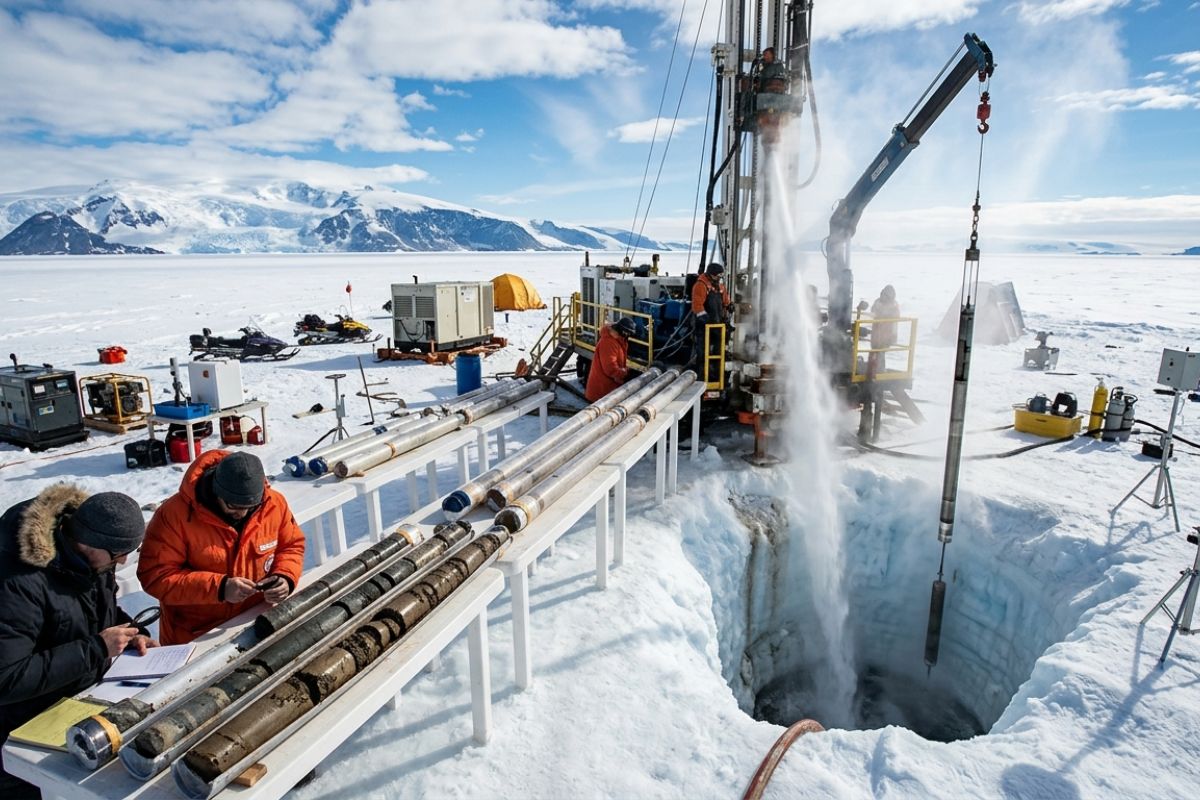
Ice was melted with pressurized hot water more than 700 km from any base, and the extracted core indicates ice-free periods with signs of open water and marine organisms, expanding the global climate alert
The ice of West Antarctica was penetrated by an extreme hydrothermal drilling technique, in which heated and pressurized water melts the glacial layer to open a vertical tunnel. The procedure created a channel 523 meters deep and allowed an international team to extract a geological core of 228 meters, considered the longest ever extracted from that region, with a climate record that can reach 23 million years.
What this ice has hidden for millions of years now becomes a physical archive of the planet. The layers found show variations ranging from signs of compact ice to clear indications of a calm aquatic environment, with remains of marine organisms and structures dependent on sunlight, suggesting that at some point during this period, the region was ice-free. This discovery is not just historical: it serves as a thermometer for what may happen again.
How scientists melted 523 meters of ice with pressurized hot water
The drilling took place in West Antarctica, in an area called Crary Ice Rise, located more than 700 kilometers from Scott Base. The technique used was hydrothermal drilling, which injects heated water under high pressure to melt the ice and form a vertical channel through which the collection system descends to the bottom.
-
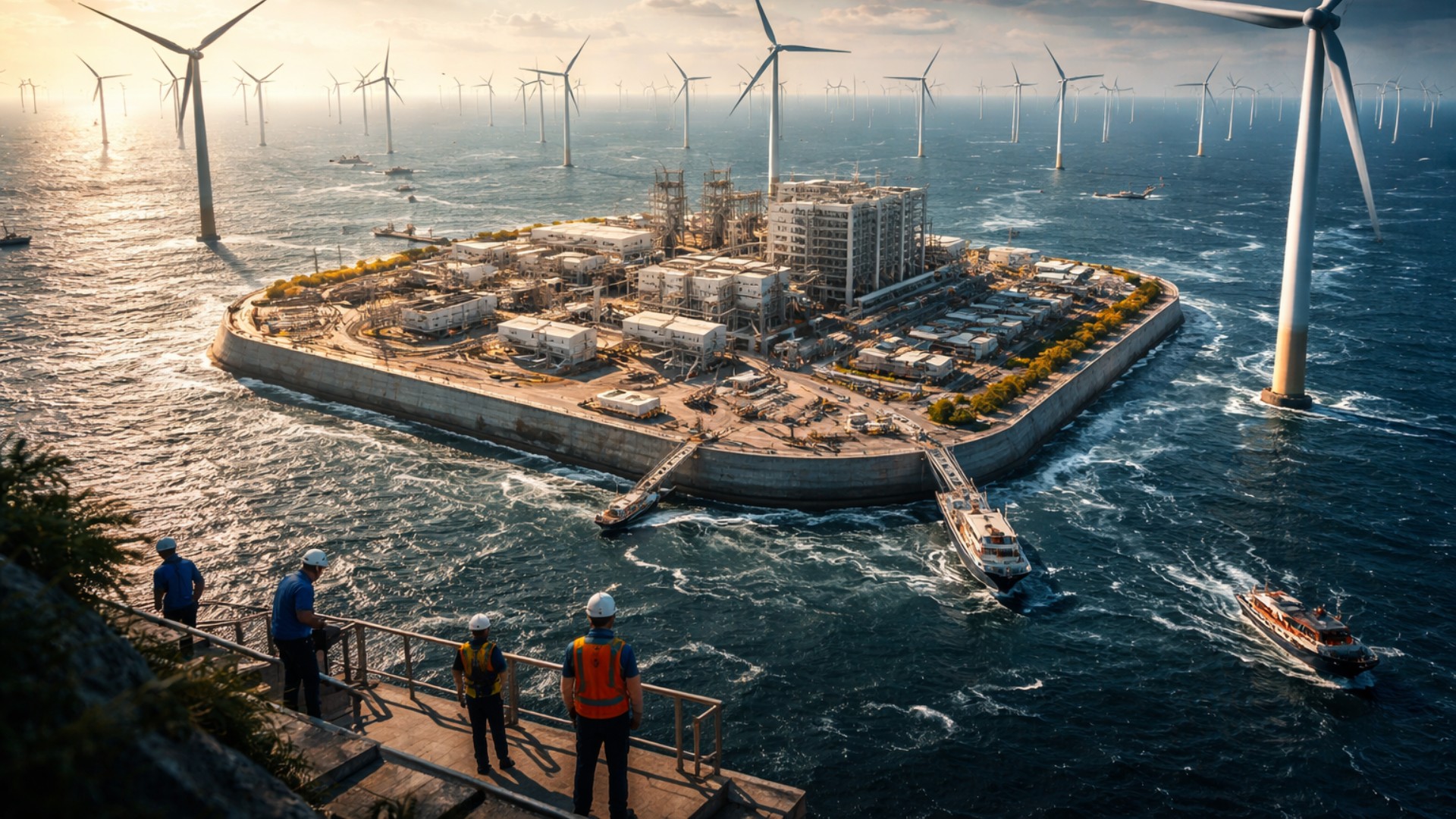
Denmark resumes the idea of building the world’s first energy island with $30 billion, connecting several countries and changing the European energy game amid uncertainty due to the war in Iran.
-
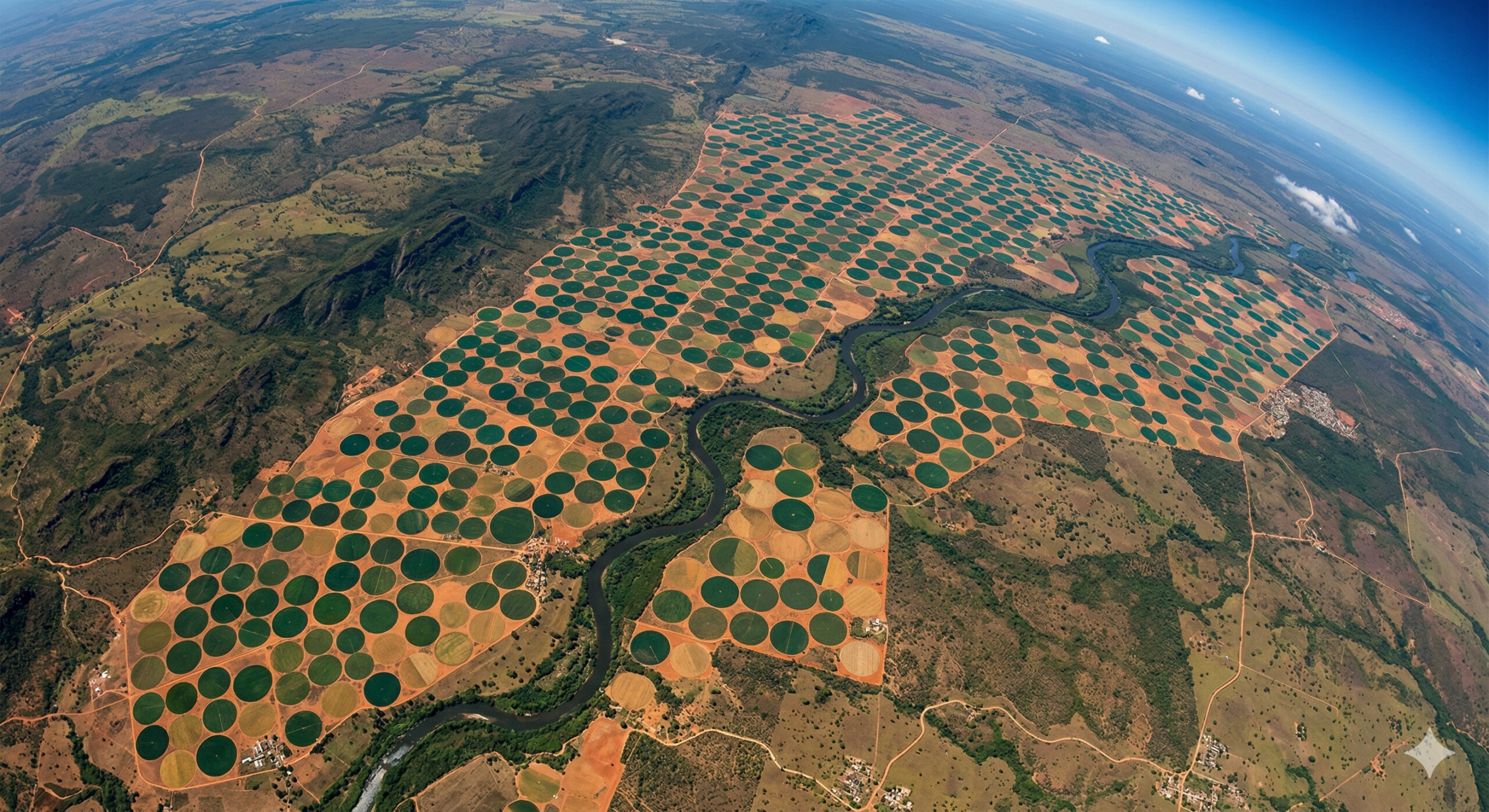
In the interior of Bahia, gigantic “perfect” circles drawn on the land appear from space as targets kilometers in diameter, revealing irrigation systems so precise that they transform crops into geometric patterns visible from orbit.
-
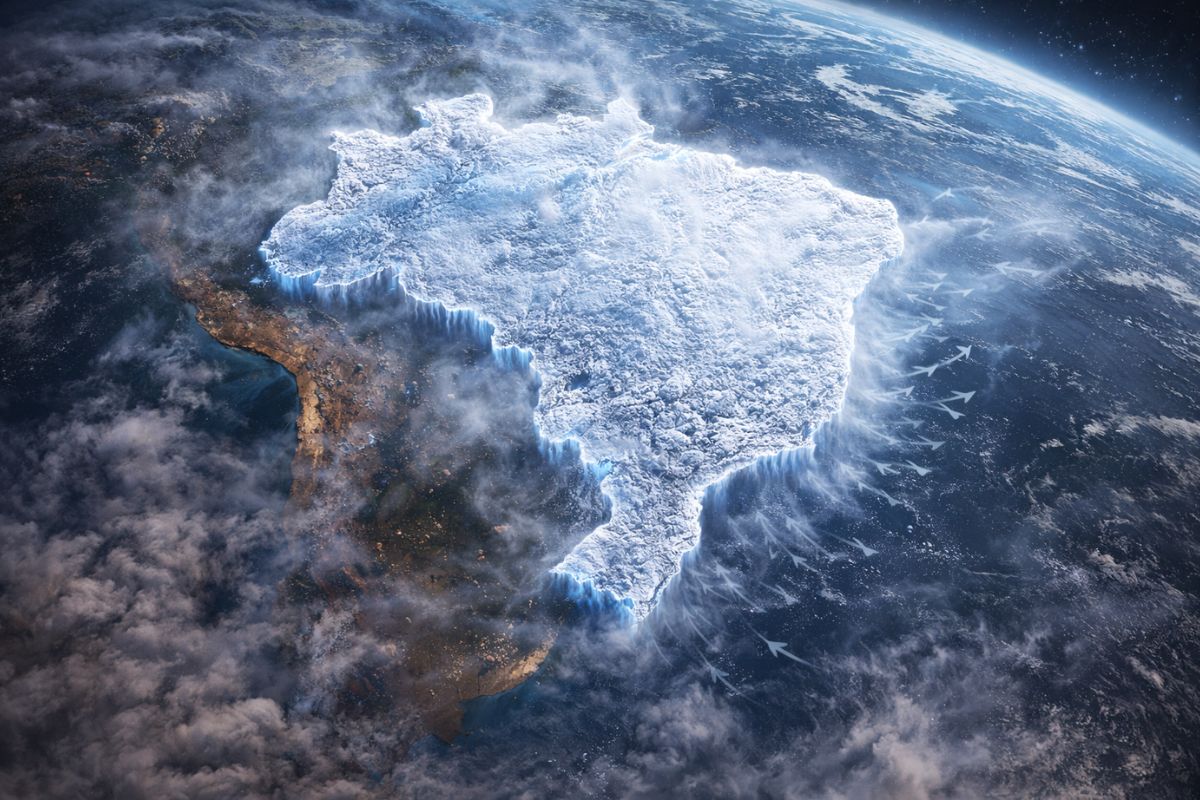
The heatwave in Brazil that hit in March is set to end as a cold front arrives between Good Friday and Easter Sunday, causing a temperature drop of up to 6 degrees and rain in the Central-South region, according to the Easter weather forecast.
-
The U.S. Army has introduced its first new lethal grenade since the Vietnam War: the M111 kills using pressure shock waves that bounce off walls and can explode the enemy’s lungs without producing a single shard.


It is a method that requires extreme precision, because the tunnel needs to remain functional and the collection must preserve the integrity of the samples. After reaching the bottom of the glacial layer, the most delicate stage begins: extracting, layer by layer, the rock and sediment material from the underground.
What is a geological core and why is it a time archive
A geological core is a cylindrical sample of rock and sediment that serves as a natural chronology. The upper layers are more recent and the deeper ones are older.
Each stratum records environmental conditions from the moment it was formed, transforming the underground into an organized history, layer by layer.
In the case of Crary Ice Rise, the 228-meter core opened a direct window into the past of the ice of Antarctica, something difficult to obtain in the interior of the continent due to access and the limitations of conventional methods.
What the layers reveal about ice-free periods in West Antarctica
Researchers identified striking contrasts between the strata. Some layers contained coarse gravel and larger rocks, indicating coverage by compact ice. Others, however, showed evidence of a completely different scenario:
Fine mud deposited in a calm aquatic environment, suggesting the absence of glacial coverage
Fragments of shells and remains of marine organisms associated with open waters
Signs of beings dependent on sunlight, indicating exposed surface
This set points to a strong fact: at some point in the last 23 million years, that area of West Antarctica may have been ice-free, replaced by open water, indicating a significantly warmer climate than the current one.
Why this matters for sea level and the whole world
The West Antarctic Ice Sheet contains enough ice that if it were to melt completely, it could raise the average sea level by about 4 to 5 meters globally.
The critical point is not just the possibility, but the speed: scientists are still trying to understand how quickly this process can happen under different warming scenarios.
The 228-meter core is treated as a turning point because it provides a direct record of the region’s behavior during warmer periods in the past. This can calibrate climate models, making predictions of sea level rise more accurate than those available so far.
The international project behind the 23 million year core
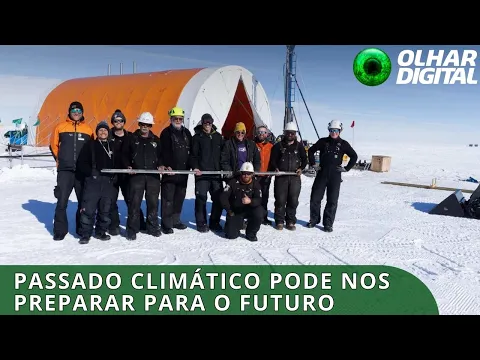

The drilling is part of the international SWAIS2C project, which brings together scientists from ten countries. The proposal is to analyze each layer of the core to determine when the most relevant climate changes occurred and what the speed of these transitions was over time.
The data obtained should be incorporated into global climate models and may help coastal cities plan infrastructure and policies to deal with flooding risks in the coming decades.
The practical impact is direct: what is recorded in these layers can guide engineering decisions and urban planning.
A geological gap filled in the Antarctic interior
Until now, much of the geological information about Antarctica came from coastal regions and the ocean surrounding the continent. The interior was a gap because drilling through thick ice in such remote locations is difficult, expensive, and technically risky.
This core fills part of that void and paves the way to answer questions that climate science has carried for decades, such as under what conditions West Antarctica lost its ice cover in the past and what the speed of those changes was.
Ice as a thermometer for what is to come
What makes this discovery unique is the combination of depth, size of the core, and the type of evidence found. Antarctica has already gone through periods without ice. Now, the central question is whether, with the current global warming, history could repeat itself at a much faster pace.
The core extracted from beneath the ice is a high-resolution geological warning. And you, do you think discoveries like this should change the urgency with which coastal cities plan works and adaptations for a possible sea advance?
With information from Revista Oeste.




Seja o primeiro a reagir!