





 Portuguese
  English
  Spanish
  4 min of reading
  0 comments


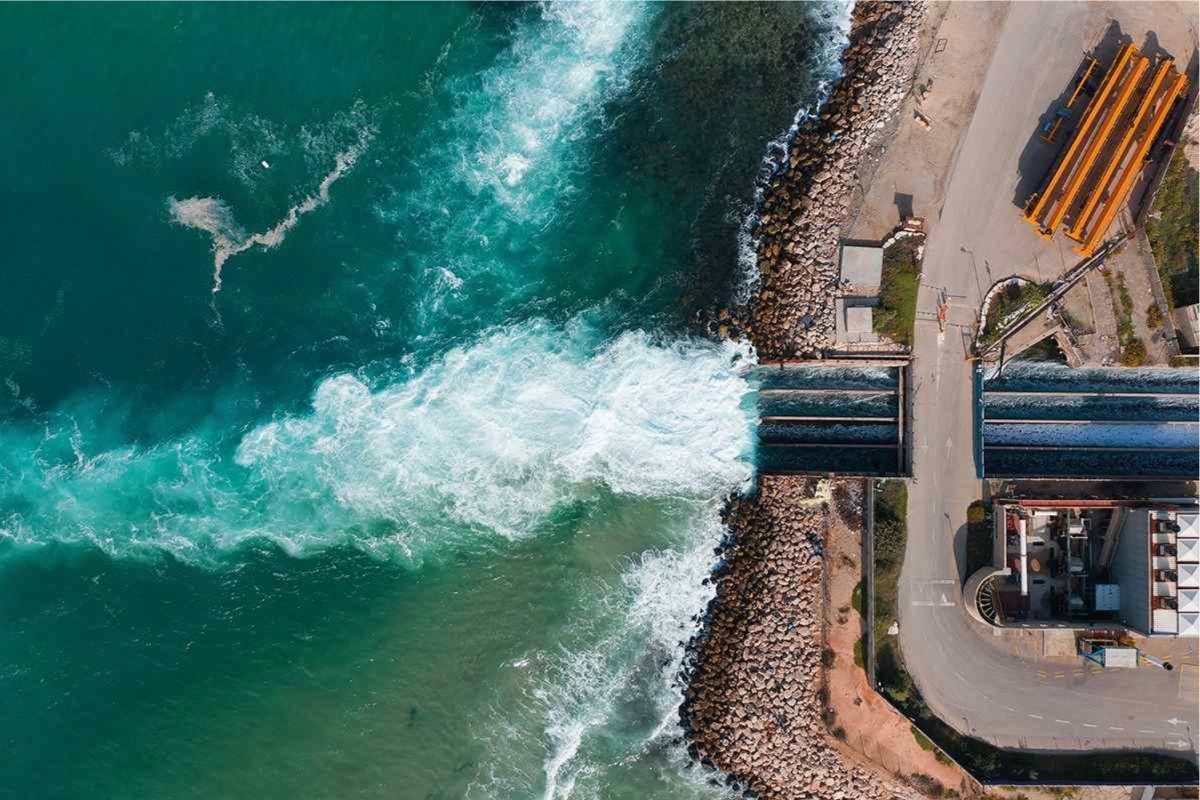
More than 20,000 plants are already transforming seawater into drinking water worldwide, supplying hundreds of millions of people and advancing at a rapid pace, but they come with a heavy energy bill and environmental impact
The race for new water sources has already changed the map of water infrastructure in various parts of the planet. With harsher droughts, irregular rainfall, and reservoirs under pressure, transforming seawater into drinking water has ceased to be an exception.
The movement is growing rapidly and already supports cities, islands, and entire regions. At the same time, the expansion brings an increasingly visible cost to governments, companies, and populations that depend on this system to maintain supply.
More than 20,000 plants are already operating and supplying millions

Desalination has gained ground as a practical solution in places where freshwater has become scarce or unstable. In coastal areas with strong population growth, the technology has taken on a central role in supply planning.
-
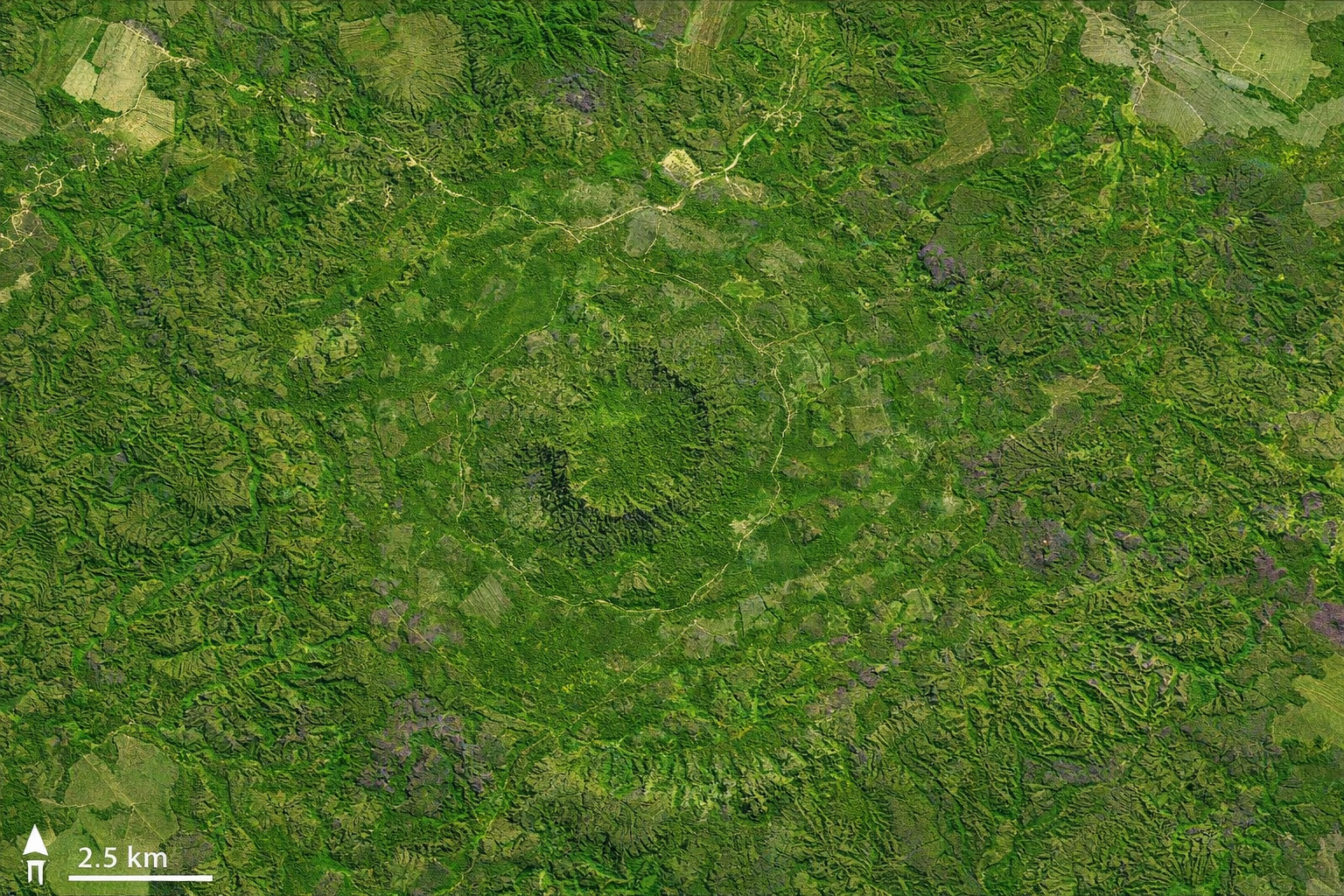
NASA satellite images show a circular structure 13 km in diameter in Tocantins, with raised edges and a preserved interior: it is the Serra da Cangalha, the best-preserved meteorite impact crater in Brazil, formed 220 million years ago and overlooked by almost all Brazilians.
-
They spent up to 5 hours a day underwater, and their bodies changed because of it: discover how human populations developed impressive biological adaptations to survive in the most extreme environments on Earth.

-
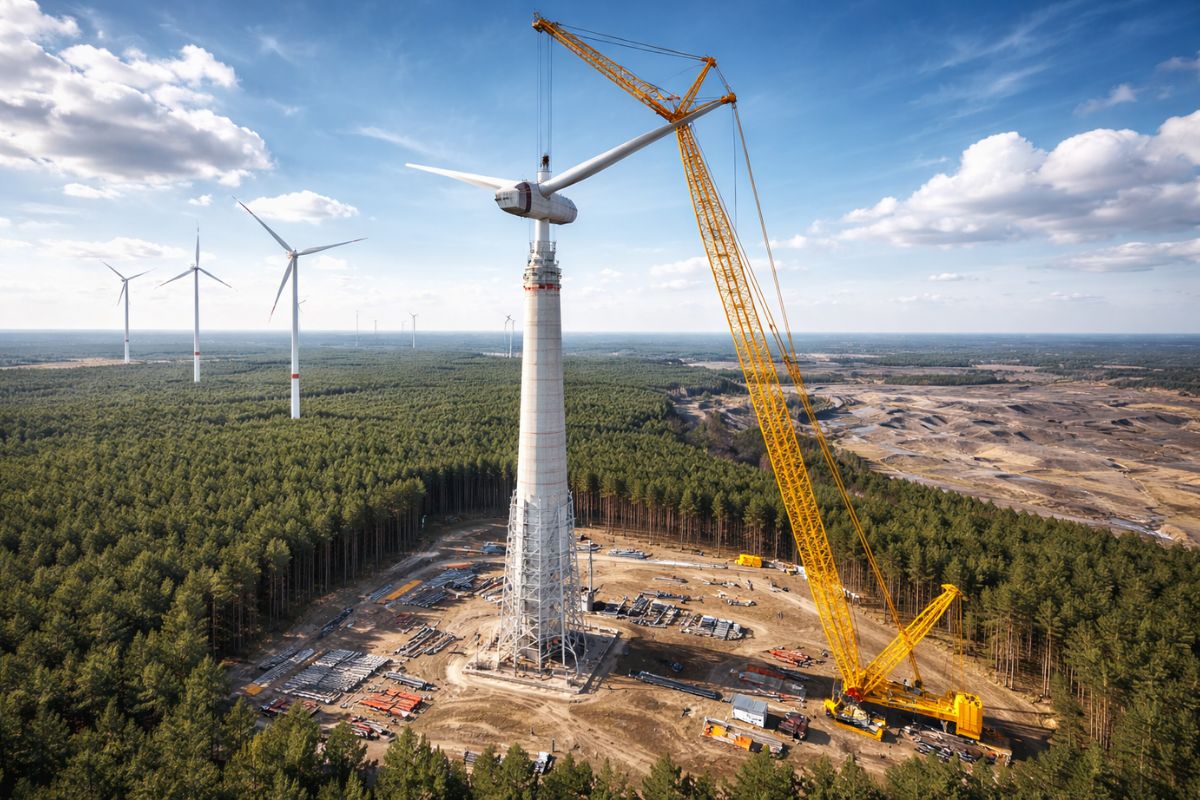
The tallest wind turbine in the world is rising where there was coal: 360 meters in Schipkau, Germany, it ascends with a telescopic system, captures winds above 300 m, and aims to connect to the grid by 2026.
-
Shenzhen showcases high technology in China: deliveries by drones and autonomous robots, driverless taxis with sensors, smart hotel with AI, humanoid and surgical robots, automated café, and mega station “Shenzhen Eye.”

Today, there are more than 20,000 plants in operation worldwide, spread across dozens of countries. The result is a system that already serves hundreds of millions of people, especially in arid regions and coastal zones with little margin to rely solely on rivers, dams, and aquifers.
Technology grows rapidly and becomes a permanent part of water infrastructure
The recent advancement is linked to improvements in systems that remove salt from seawater more efficiently. This has helped reduce technical barriers and made operation more viable in markets that previously considered the process too expensive.
In practice, desalination has come to be seen as a piece of water security. Instead of being an extreme resource for times of crisis, it is starting to be treated as a permanent part of urban infrastructure in different regions.
Energy consumption becomes a critical point for expansion
The main limit of this race lies in the volume of energy required to produce drinking water from the sea. The larger the scale, the greater the pressure on electrical grids, operational costs, and emissions related to energy generation.
This point weighs even more in countries that heavily depend on this model to supply the population. When water production grows alongside electrical demand, the economic bill rises, and the environmental debate gains momentum.
According to AP News, the U.S. international news agency, desalination is advancing as a response to scarcity, but it is already raising alerts for its energy and environmental impact
The issue has become more sensitive because large-scale production can also increase the carbon footprint of the sector. In a climate crisis scenario, using more energy to ensure water creates a difficult equation for governments trying to enhance water security without increasing pressure on the environment.
In addition to energy expenditure, the rapid expansion of the activity reinforces the need for stricter regulations, continuous monitoring, and long-term planning. Without this, the solution to water scarcity may open a new focus of imbalance.

Brine disposal pressures coastal areas and worries experts
Another critical point is the waste generated after the salt is removed. This more concentrated material returns to the sea and can alter the water conditions in areas close to the disposal site, affecting marine organisms and sensitive ecosystems.
The risk increases when multiple plants operate in the same coastal area or in regions with limited water circulation. In this environment, the impact ceases to be local and begins to influence the environmental assessment of the entire coast.
Reuse and water conservation gain strength as less burdensome paths
Experts have been advocating that desalination should not be treated as the sole answer to scarcity. In many cases, reducing losses, reusing water, and improving consumption management can cost less and require less energy.
This does not eliminate the importance of technology, especially in areas where alternatives are lacking. But it reinforces the idea that producing water from the sea works best as part of a set of solutions, rather than as an isolated solution for any region.
Expansion should continue, but with greater accountability on costs and impacts
The trend is for continued growth, driven by prolonged droughts, coastal urbanization, and the need to diversify supply. The problem is that this expansion is now being observed more rigorously due to the energy burden and the accumulated environmental effect.
For the population, the debate shifts from technical to affecting daily life. Water guaranteed by this system can mean more security in supply, but it also pressures tariffs, public planning, and strategic decisions about the future of coastal cities.
Desalination no longer occupies a secondary space in the global water sector. It has become a concrete response to a crisis that is advancing on multiple fronts and requires swift decisions.
However, the growth of this structure also changes the size of the bill. When the solution depends on a lot of energy and returns pressure to the sea, the issue moves from engineering to the center of the climate dispute, which pressures the region.






Seja o primeiro a reagir!