





 Portuguese
  English
  Spanish
  3 min of reading
  0 comments


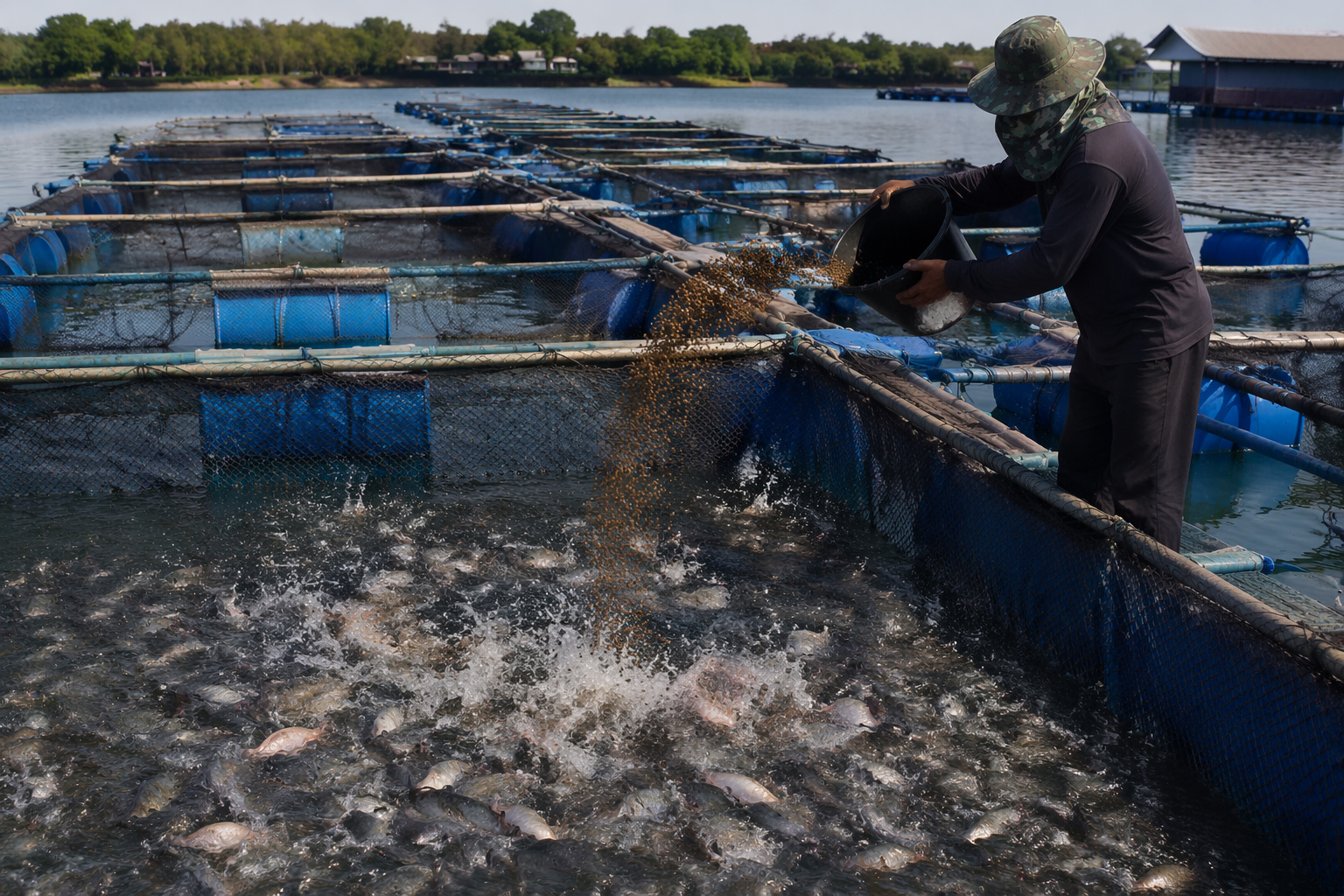
Fish production depends directly on soy and influences prices, supply, and sustainability of the global food chain
Global fish production has come to depend directly on soy, attracting the attention of the agribusiness and aquaculture sectors.
The advancement of aquaculture has increased the use of soybean meal as the main feed base for fish produced in captivity and, with that, consolidated a direct relationship between agriculture and animal protein.
Data from the Food and Agriculture Organization of the United Nations shows that, since 2010, aquaculture accounts for more than half of the fish consumed worldwide, reinforcing this dependency.
This scenario demonstrates that the expansion of fish production requires agricultural inputs on a large scale, reorganizing the global production chain.
Soy use redefines aquaculture production
The adoption of soy as the basis for feed occurred gradually over the last few decades and has thus become essential for the sector.
After all, soybean meal offers high protein value, competitive cost, and large-scale availability to support production.
Moreover, as a direct consequence, species such as tilapia and salmon have begun to be cultivated intensively, increasing the global supply of fish.
The sector considers that the use of soy ensures productive efficiency and, therefore, plant-based feed has consolidated as the standard in aquaculture.
However, the dependency on this input has become structural, as any failure in supply immediately impacts production.
Growth of aquaculture expands demand for grains
The expansion of aquaculture has occurred rapidly since the 2000s and, consequently, increased the need for agricultural inputs.
Thus, the demand for soy has grown at the same pace as fish production, putting pressure on the global grain market.
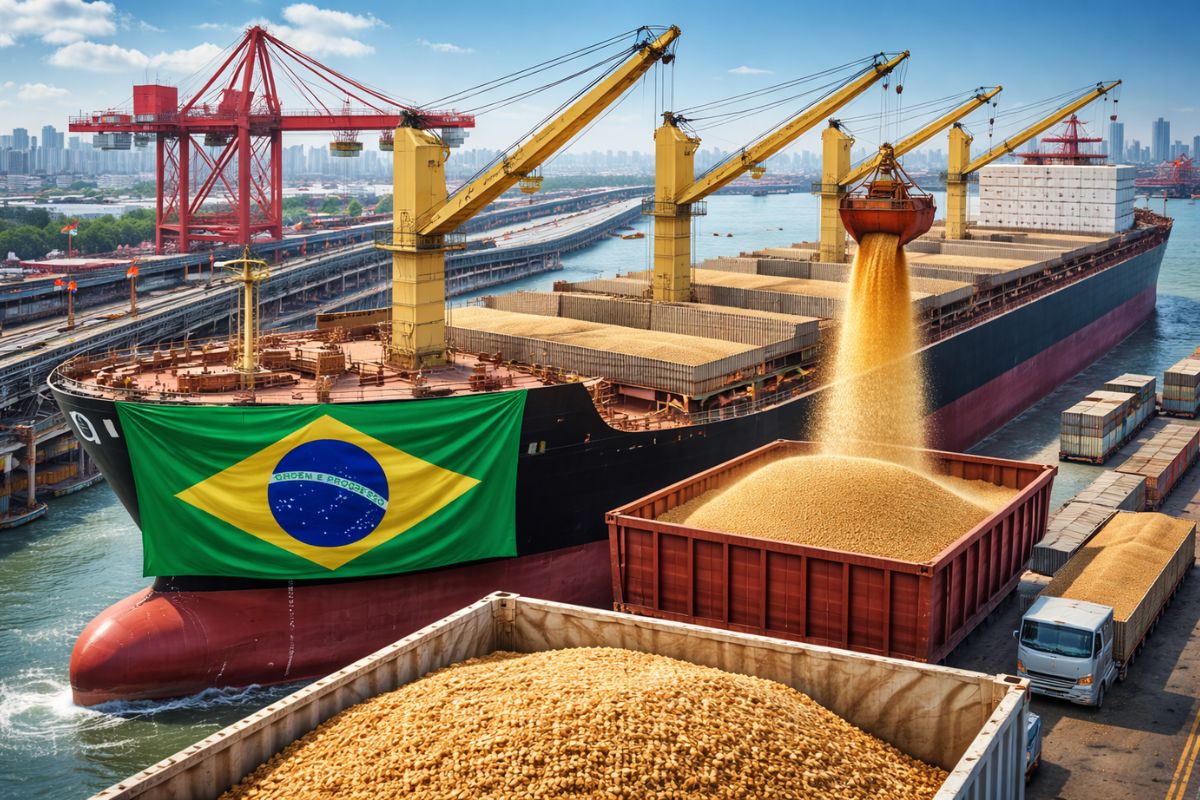
Additionally, according to the United States Department of Agriculture, global soybean production exceeds 350 million tons annually, with Brazil and the United States being prominent producers.
This volume demonstrates that agriculture has come to play a strategic role in supplying aquaculture.
Therefore, the integration between the agricultural and aquaculture sectors has intensified, strengthening the interdependence between them.
-
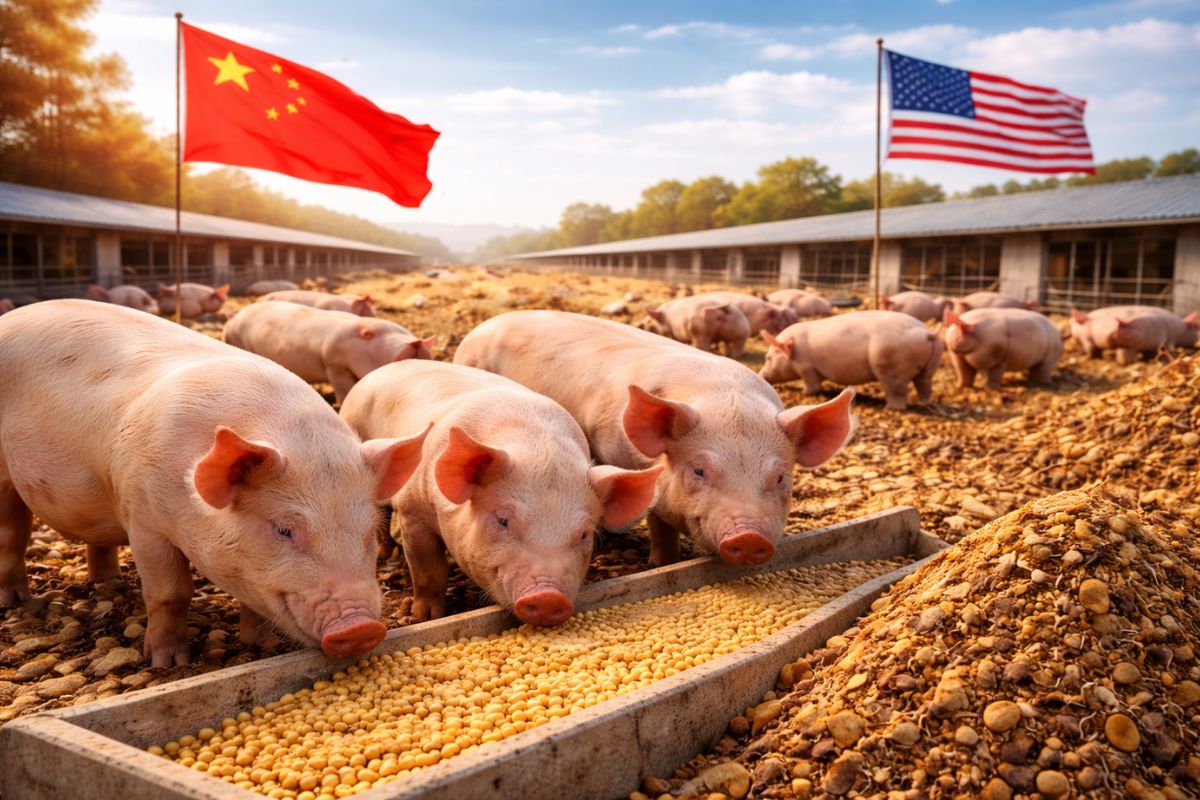
China is replacing soybeans with fermented feed in pig diets, and this silent shift is already generating 6 billion dollars and could take billions away from Brazil and the United States in the coming years.
-
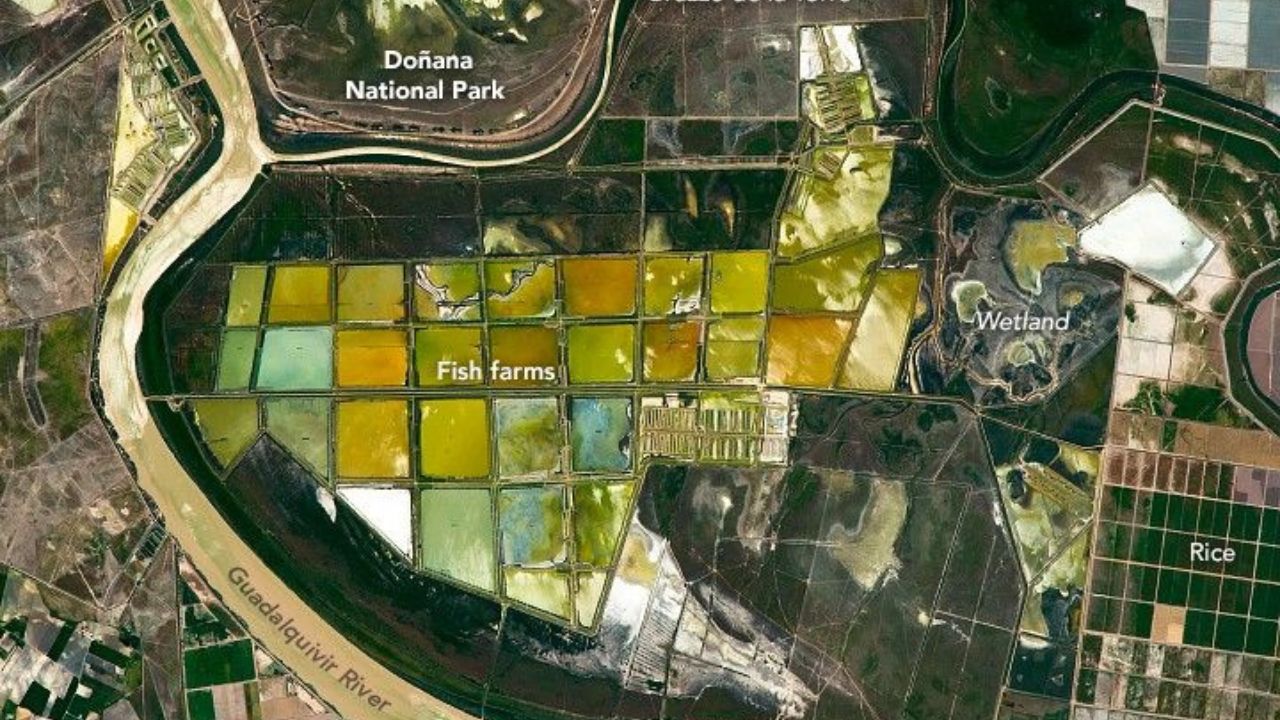
More than 36,000 hectares of rice fields and aquaculture farms have transformed the Guadalquivir delta into a geometric grid visible from space, where channels, dikes, and tides operate one of the largest agro-hydraulic systems in Europe in southern Spain.
-
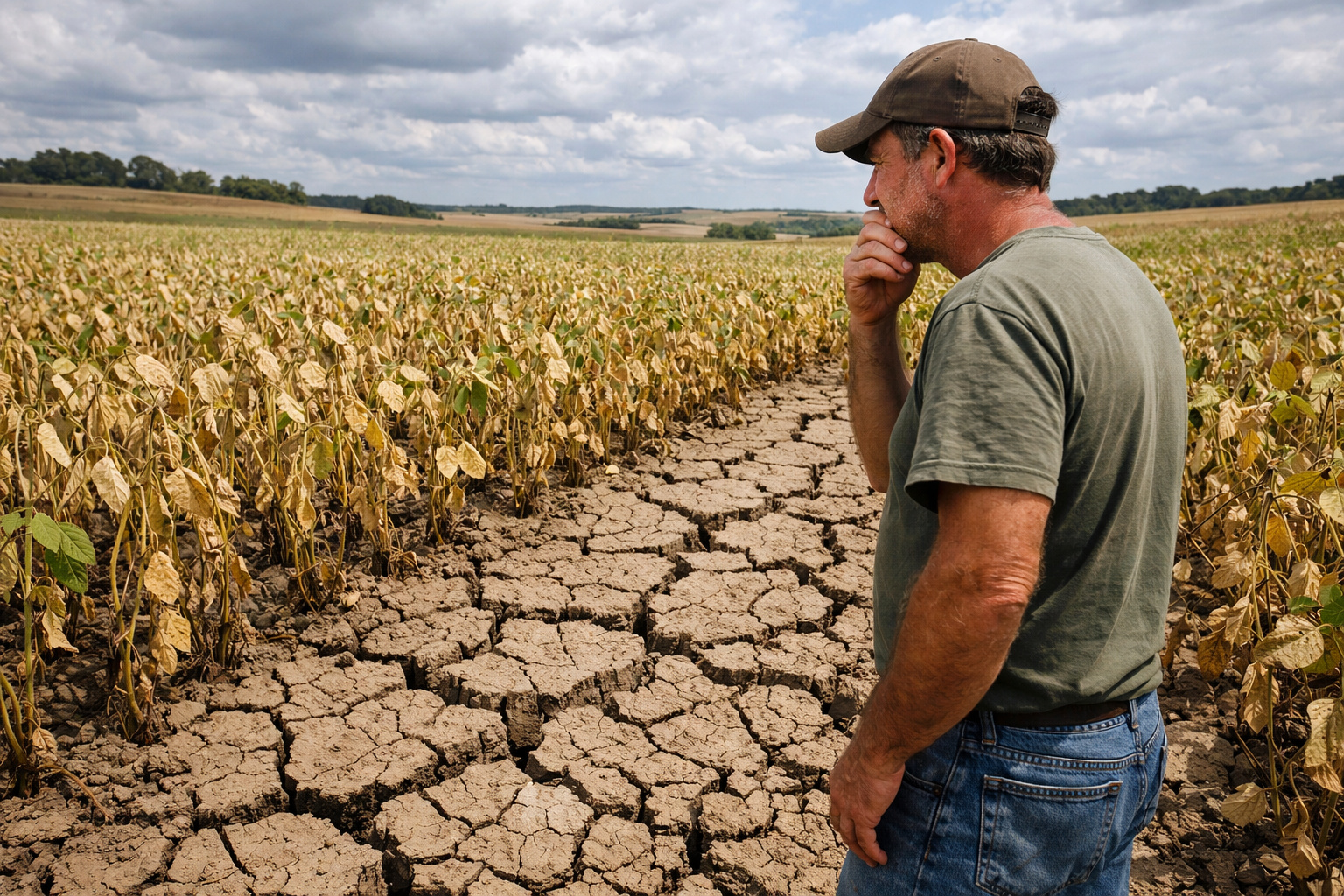
Dry weather accelerates soybean harvest, but threatens to devastate crops in Southern Brazil: losses already reach 50.4% and the climate scenario raises maximum alert for producers in 2026.
-
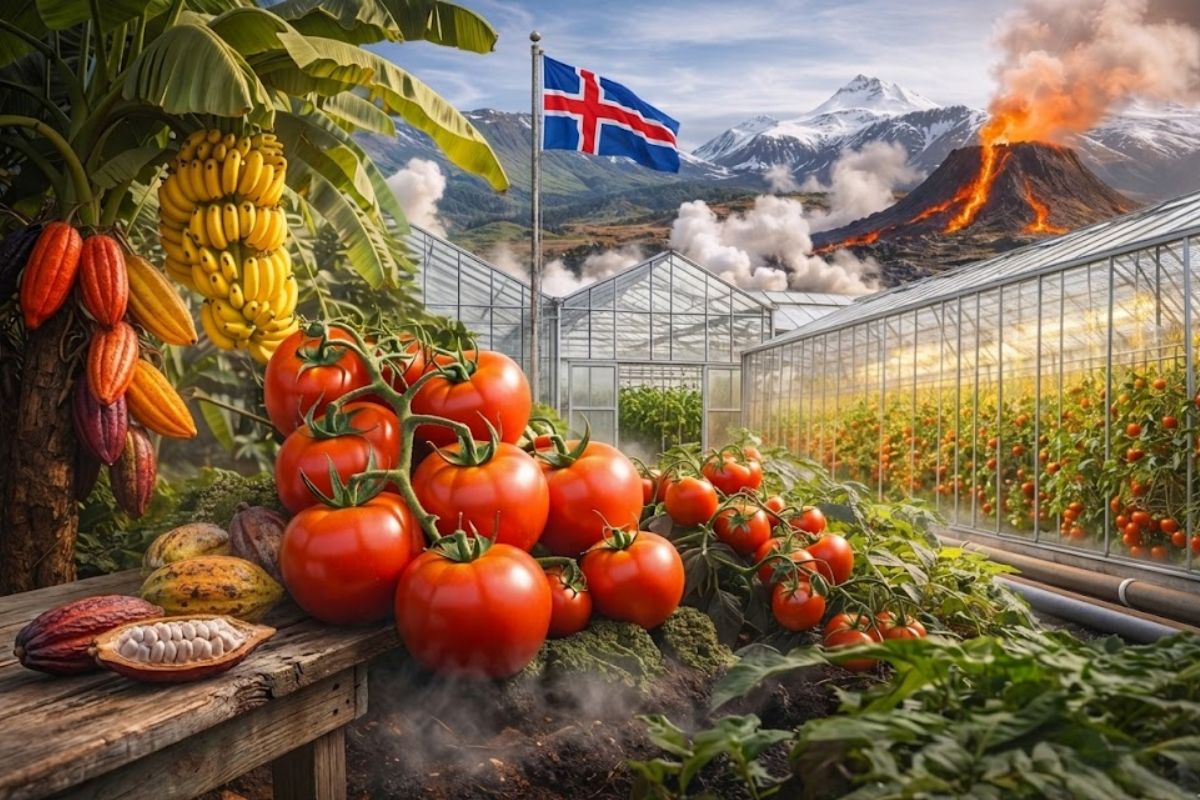
Iceland uses the heat from its volcanoes to grow tomatoes as good as Italian ones, tropical bananas, and even cocoa near the Arctic Circle, where the temperature barely exceeds 12 degrees, and almost 70% of the tomatoes consumed are already produced there.
Economic impact of soy on fish prices
The cost of feed represents one of the main expenses in aquaculture and, therefore, directly influences the final price of fish.
Variations in the price of soy impact the entire production chain, from the producer to the consumer.
Moreover, fluctuations in the international market, harvests, and exchange rates alter production costs, generating immediate effects in the sector.
This behavior demonstrates that the price of fish is directly linked to the stability of the grain market.
However, alternatives to soy still do not have sufficient scale, which keeps the dependency on this input high.
Environmental challenges and the search for alternatives
The increase in soy production raises debates about land use and sustainability, especially in producing countries.
Thus, there is growing pressure for more responsible agricultural practices and traceable production chains.
The industry is investing in alternatives such as insect proteins and algae, seeking to reduce dependency on soy.
However, these solutions have not yet reached the necessary scale to replace the main input.
This scenario highlights that the balance between production and sustainability has become one of the main challenges for the sector.
Interdependence between agriculture and fish production
The relationship between soy and fish reveals how production chains are connected on a global scale and, therefore, directly influence food consumption.
The growth of aquaculture reinforces the need to ensure a continuous supply of agricultural inputs.
Moreover, fish production depends on the stability of agriculture, which increases the strategic importance of soy in the global scenario.
This context shows that food security is directly linked to the integration between productive sectors.







Seja o primeiro a reagir!