





 Portuguese
  English
  Spanish
  4 min of reading
  0 comments


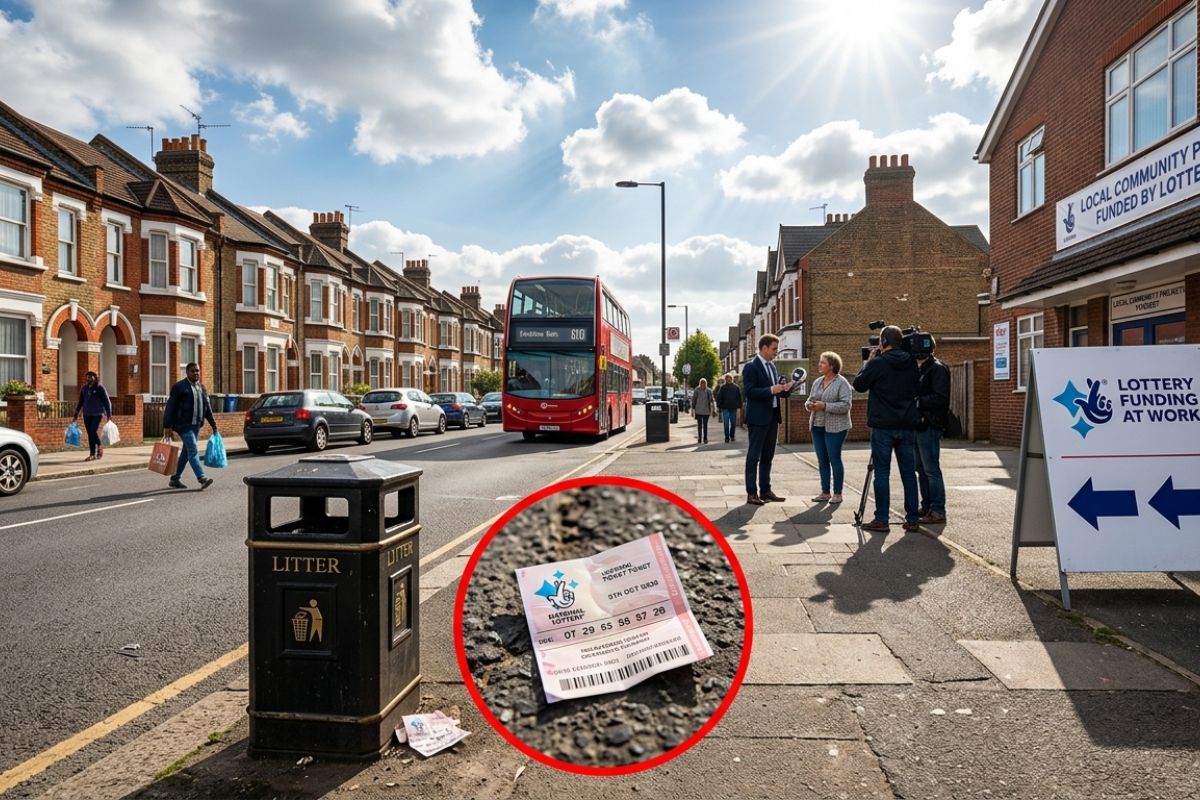
The lottery confirmed that the winning ticket purchased in Bexley was not redeemed within the legal deadline; now, the money will finance community projects, including initiatives in the very region where the ticket was sold.
A bettor from the UK national lottery lost the right to £10.6 million, an amount equivalent to over R$72 million at the current exchange rate, after failing to present themselves to claim the prize within the legal deadline of 180 days. The deadline expired this Friday, the 3rd, and no valid claim was recorded by the operator responsible for the service, Allwyn.
The winning ticket from the lottery was purchased on October 4, 2025, at a location in the Bexley area, southeast London. Even after Allwyn conducted what it described as an extensive search for the holder, including public appeals, no one came forward within the period set by the rules.
What happened: the timeline of the lost lottery prize
To understand why the prize was lost, the central point is the deadline. The lottery operates with clear rules: the winner must present themselves and validate the claim within the defined time.
-
Mixing vinegar with detergent in a blender has become the most talked-about cleaning trick on the internet because it solves a problem that everyone has in the kitchen in seconds and uses only two ingredients that you already have at home.

-
The largest fortress on the planet is located in a city with 10 km star-shaped walls, 300 hectares protected, an aqueduct with 843 arches and 7 km long, strategic forts, and a UNESCO title that intrigues specialists.

-
USS Gerald R. Ford: the floating city of $13 billion where 5,000 sailors serve 17,000 meals a day, sleep in stacked bunks, take 10-liter showers, and keep 75 fighter jets ready.

-
Spain surprises the world by erecting 62 artificial dunes, mixing sand with natural remains of posidonia, and causing the structure to lose only 1.4% of its volume in 1 year.


The sequence of events was straightforward: the ticket was bought on October 4, 2025, the prize was recognized as a winner, and throughout the 180-day period, the lottery operator, Allwyn, claimed to have conducted a wide search and made appeals to locate the holder. Still, when the deadline arrived this Friday, the 3rd, the deadline ended without a claim.
Why the 180-day deadline is so significant in the lottery
The 180-day deadline appears as the turning point in this story. In practice, the lottery does not treat the prize as something automatic just because there was a winning ticket: it must be claimed within the stipulated period.
When the deadline expires, the right to the prize is lost, even if the ticket was real and winning. The case draws attention because the amount was high, but the mechanism is the same: without a claim within the rules, there is no payment.
The role of Allwyn and why “nobody came forward” closes the case
Allwyn is cited as the operator responsible for the lottery service in the UK. According to reports, the company conducted a search described as extensive and made public appeals to find the winner.
Even with this effort, the result was clear: there was no valid claim within the required period. This detail is decisive because, in the end, validation depends on someone coming forward as the holder of the winning ticket and completing the process within the deadline.
Where does the money go when a lottery prize is not claimed
With the expiration of the deadline, the amount does not remain “on hold” indefinitely. The rules of the British national lottery stipulate that unclaimed prizes are distributed to projects funded by the program.
The allocation follows the logic of funding initiatives with cultural, social, and community profiles. In this case, part of the funds should benefit organizations located in the very region of Bexley, where the ticket was purchased. In other words, the money goes back to the community, but not to the winner.
Community projects mentioned that may receive funding
The text mentions examples of entities that may benefit from funding related to the destination of the unclaimed lottery prize. Among them are:
The Exchange Erith
Focused on community arts and crafts activities.
You and Me Happy Family Children’s Disability Trust
Provides support to children with disabilities and their caregivers.
The selection and distribution follow criteria that prioritize initiatives of a cultural, social, and community nature, within the funding model associated with the lottery.
Why such cases are rare when the prize is high
Representatives of Allwyn stated that situations like this are infrequent when the prize involves large amounts.
According to them, historically, most unclaimed lottery tickets correspond to smaller amounts, where forgetting or losing the document is more understandable.
That is why a case above R$72 million draws so much attention: it goes against the more common pattern of forgotten tickets in small prizes.
What may explain the disappearance of the lottery winner
The circumstances that led the winner not to claim the prize remain unknown. The text cites some possible hypotheses:
- loss of the ticket
- unawareness of the result
- death of the bettor
The identity of the holder was never disclosed. Thus, the case ends without a confirmed reason, but with a clear outcome: the deadline has passed, and the prize was redirected according to the lottery rules.
The practical alert that remains from this story
The episode reinforces a simple detail: in the lottery, winning also involves checking and claiming within the deadline. When this does not happen, the amount follows the path outlined in the rules, financing community initiatives.
And it is precisely this combination that makes the story so powerful: a recognized fortune, a ticket purchased at a defined location and date, a deadline that ended, and a prize that changed destination.
If you won the lottery, would you check the result always in the same week or would you wait to see “when it happened” and just trust in keeping the ticket?







Seja o primeiro a reagir!