





 Português
  Inglês
  Espanhol
  2 min de leitura
  0 comentários


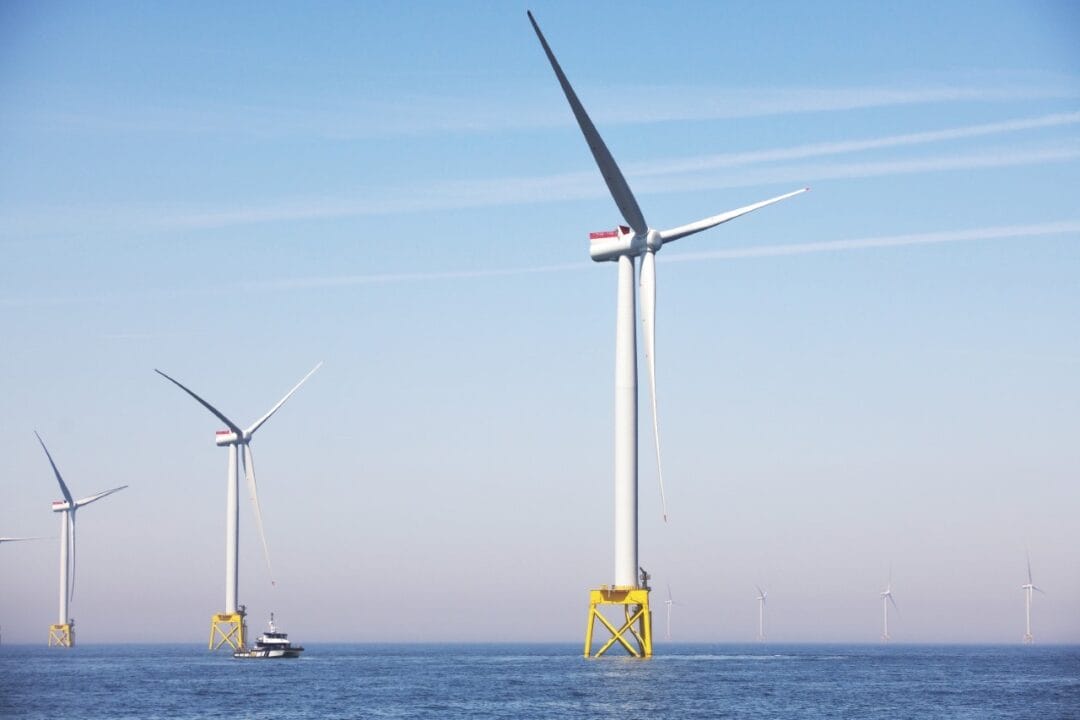
Ocean Winds Develops 500 MW Offshore Wind Farm off the Polish Coast, with Preliminary Design, FEED, Jacket Design, and Complex Engineering Challenges.
Ocean Winds is relying on Wood Thilsted (WT) to finalize the foundation preliminary designs for the BC-Wind offshore wind project. As part of the contract, WT will be the detailed design WTG foundation designer. The BC-Wind offshore wind farm is located 23 km off the coast of Poland and may include up to 34 wind turbines. This is an important step for the Polish government, which seeks to increase offshore wind capacity in the Baltic Sea, and WT is committed to contributing to the development of this pioneering project.
Development of Offshore Wind Project for Sustainable Energy
The development of an offshore wind project requires a series of steps, from the preliminary designs to the detailed design phase. An offshore wind farm project brings with it complex engineering challenges due to the engineering constraints imposed by the marine environment.
The concept of foundations for offshore wind energy projects is crucial to ensure the sustainability and viability of the wind farm. Jacket design has been widely used to support wind turbines at sea, due to its ability to withstand adverse conditions.
-
Renewable energy advances over protected areas in Brazil, and a survey by the Energy Transition Observatory reveals silent impacts that challenge environmental conservation and pressure sensitive traditional territories.

-
Rio Grande do Sul accelerates energy transition: State invests in renewable technologies and consolidates decarbonization strategies and pathways to attract billions in new industrial investments.

-
With 160,000 m² of collectors, an area larger than 20 football fields, Silkeborg, in Denmark, hosts a solar thermal plant that heats 19,500 homes and could become the largest solar heating plant in the world.

-
A study reveals the expansion of renewable energy procurement in Brazil and shows how companies are taking advantage of opportunities to reduce expenses, ensure energy efficiency, and strengthen strategic environmental commitments.


The offshore wind project located 23 km from the coast faces the need to develop the supply chain for the construction and maintenance of the wind turbines. This involves contracting suppliers and logistics for the transportation of equipment and materials.
The FEED (Front End Engineering Design) is a crucial stage in the development of the coast for an offshore wind energy project. It is at this stage that the applied technologies are refined and adapted to the specific site conditions, taking into account the characteristics of the wind and sea currents.
The wind capacity of the offshore wind project is another fundamental aspect to be considered. The designer must calculate the energy generation capacity of the wind turbines, taking into account environmental conditions and power supply requirements.
The development of an offshore wind project significantly contributes to the generation of sustainable energy, reducing dependence on fossil fuels and helping to lower carbon emissions.
In summary, the development of an offshore wind project involves a series of challenges and steps that must be carefully planned and executed to ensure the success of the venture and contribute to the generation of clean and sustainable energy.
Source: © Re News.Biz









Seja o primeiro a reagir!