Portuguese
  Spanish


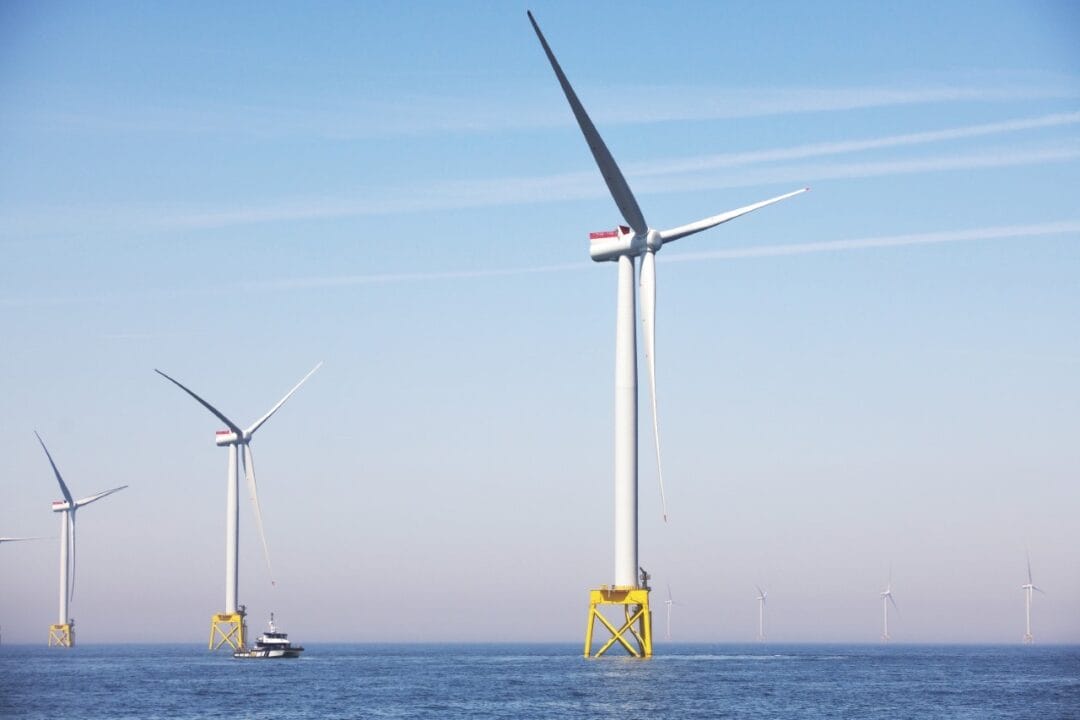

Ocean Winds Develops 500 MW Offshore Wind Farm off the Polish Coast, with Preliminary Design, FEED, Jacket Design, and Complex Engineering Challenges.
Ocean Winds is relying on Wood Thilsted (WT) to finalize the foundation preliminary designs for the BC-Wind offshore wind project. As part of the contract, WT will be the detailed design WTG foundation designer. The BC-Wind offshore wind farm is located 23 km off the coast of Poland and may include up to 34 wind turbines. This is an important step for the Polish government, which seeks to increase offshore wind capacity in the Baltic Sea, and WT is committed to contributing to the development of this pioneering project.
Development of Offshore Wind Project for Sustainable Energy
The development of an offshore wind project requires a series of steps, from the preliminary designs to the detailed design phase. An offshore wind farm project brings with it complex engineering challenges due to the engineering constraints imposed by the marine environment.
The concept of foundations for offshore wind energy projects is crucial to ensure the sustainability and viability of the wind farm. Jacket design has been widely used to support wind turbines at sea, due to its ability to withstand adverse conditions.
-
Fired during apartheid and with a little borrowed money, an electrician started with a borrowed truck and transformed electrical services into a group connected to energy, real estate, and infrastructure in South Africa.

-
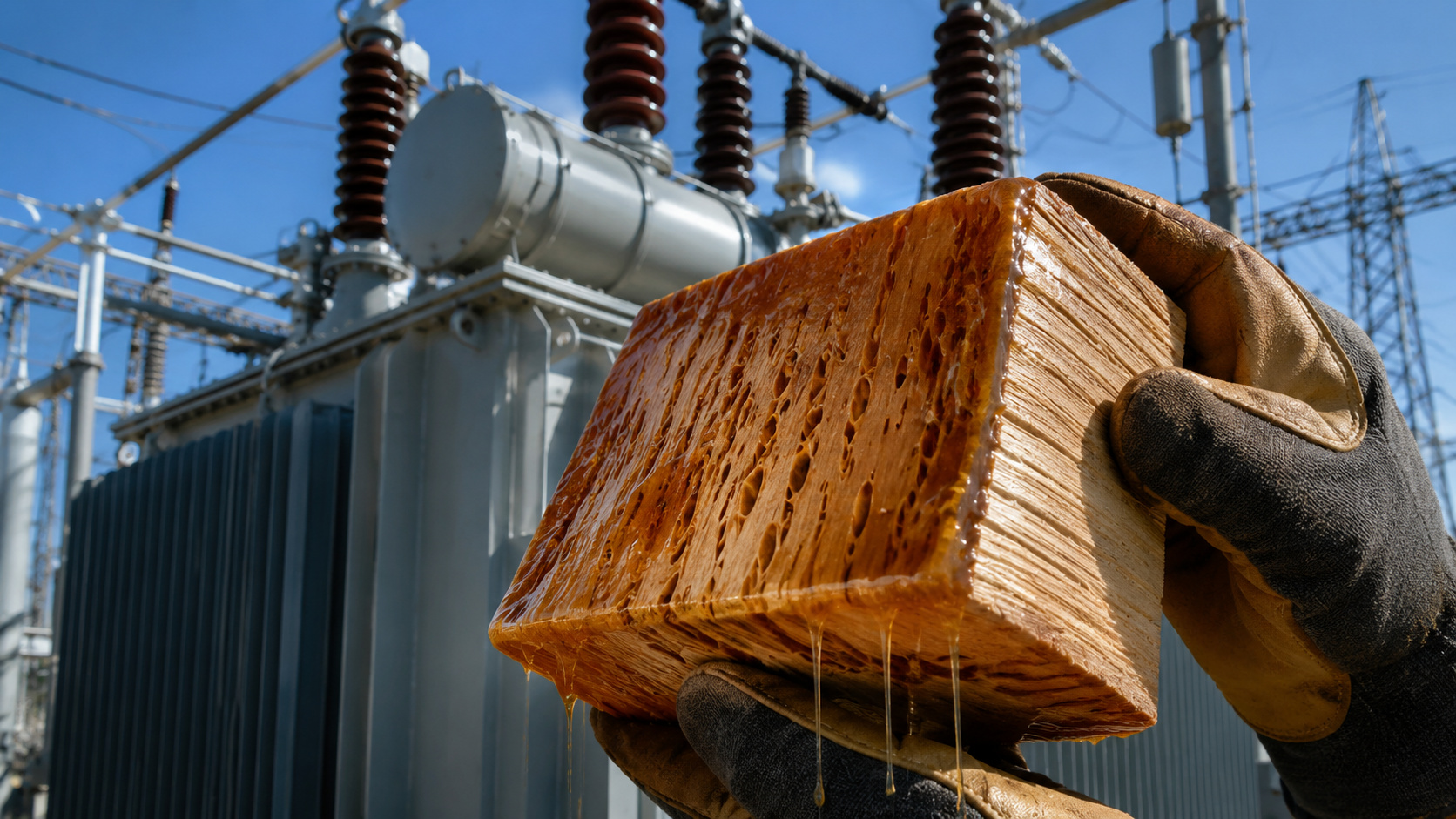
Wood has ceased to be just a construction material in Yale research and has become insulation for electrical transformers that face intense heat, aging, and increasing pressure from the renewable energy-powered grid.
-
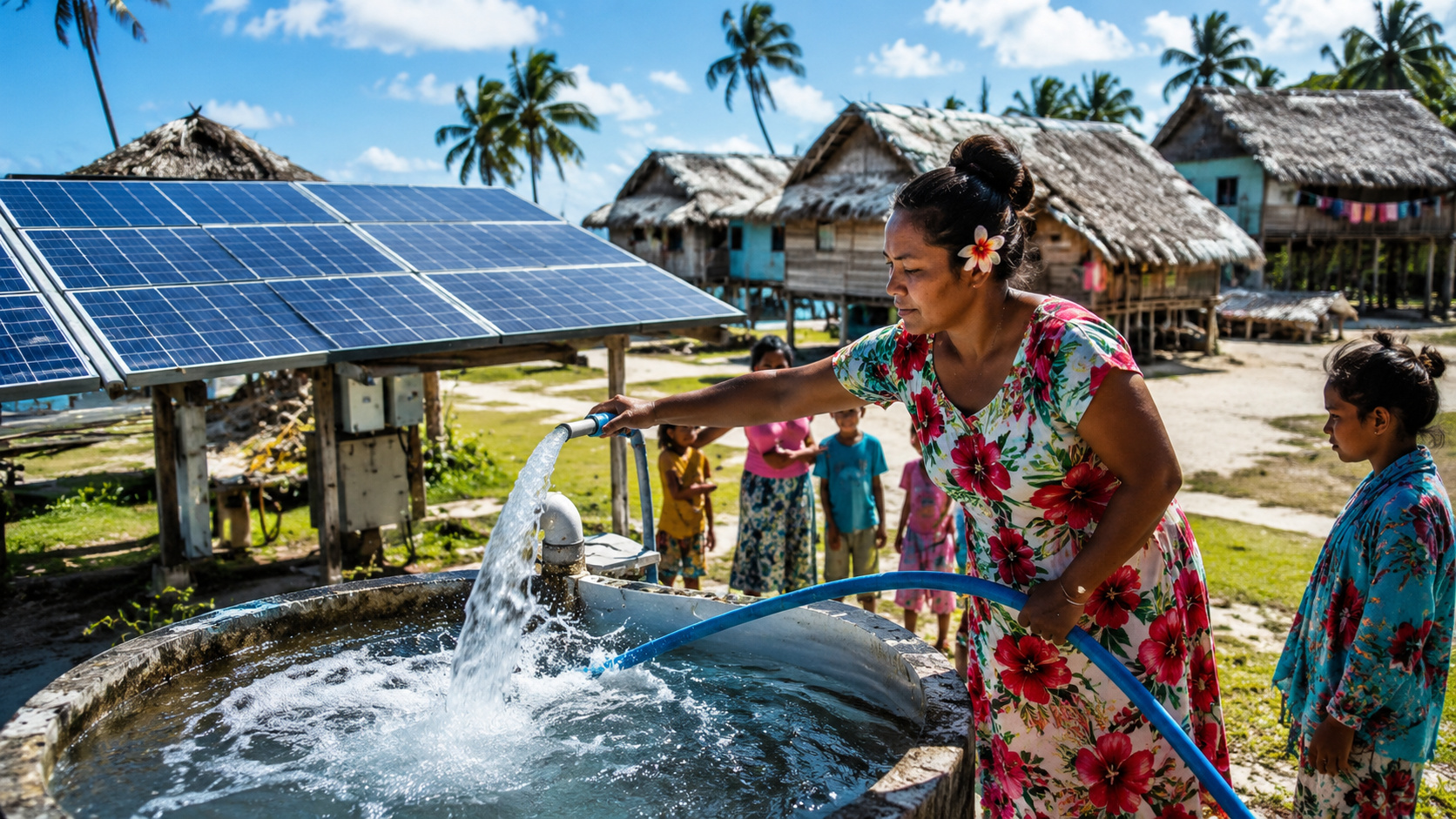
More than 1,000 residents of a remote island in Kiribati now have clean water and electricity with solar systems operated by the community itself.
-
Ceará brings together 7 giants and R$ 66 billion to transform Pecém into the largest green hydrogen hub in Brazil, with final decisions expected by the end of 2026.


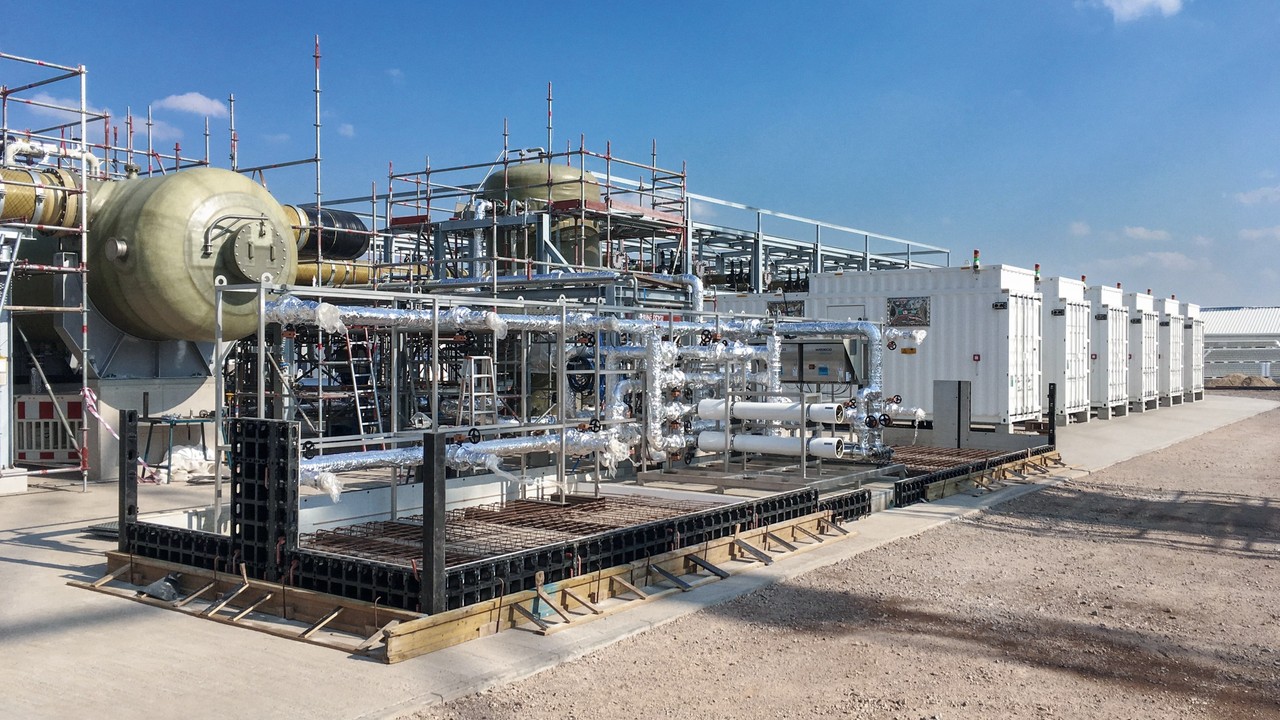
The offshore wind project located 23 km from the coast faces the need to develop the supply chain for the construction and maintenance of the wind turbines. This involves contracting suppliers and logistics for the transportation of equipment and materials.
The FEED (Front End Engineering Design) is a crucial stage in the development of the coast for an offshore wind energy project. It is at this stage that the applied technologies are refined and adapted to the specific site conditions, taking into account the characteristics of the wind and sea currents.
The wind capacity of the offshore wind project is another fundamental aspect to be considered. The designer must calculate the energy generation capacity of the wind turbines, taking into account environmental conditions and power supply requirements.
The development of an offshore wind project significantly contributes to the generation of sustainable energy, reducing dependence on fossil fuels and helping to lower carbon emissions.
In summary, the development of an offshore wind project involves a series of challenges and steps that must be carefully planned and executed to ensure the success of the venture and contribute to the generation of clean and sustainable energy.
Source: © Re News.Biz