






 Portuguese


Xi Jinping Prepares for First Visit to India in Seven Years During BRICS Summit, Leading Delegation of Up to 400 Participants. The Meeting Occurs as China and India Seek to Improve Relations Following Decades of Territorial Tensions Along a Border of Approximately 3,800 Kilometers.
Xi Jinping is preparing for his first trip to India in seven years to attend the 18th BRICS Summit in New Delhi. The Chinese delegation is expected to include around 400 participants at a time when Beijing and New Delhi are trying to ease tensions accumulated over decades of territorial disputes.
The information was published by Poder360 on August 25, 2026, in a report by Eric Napoli, which also includes details from Reuters. The trip has not yet been officially confirmed by the Chinese government, although preparations are underway for the bloc’s meeting.
This will be Xi’s First Trip to India Since 2019
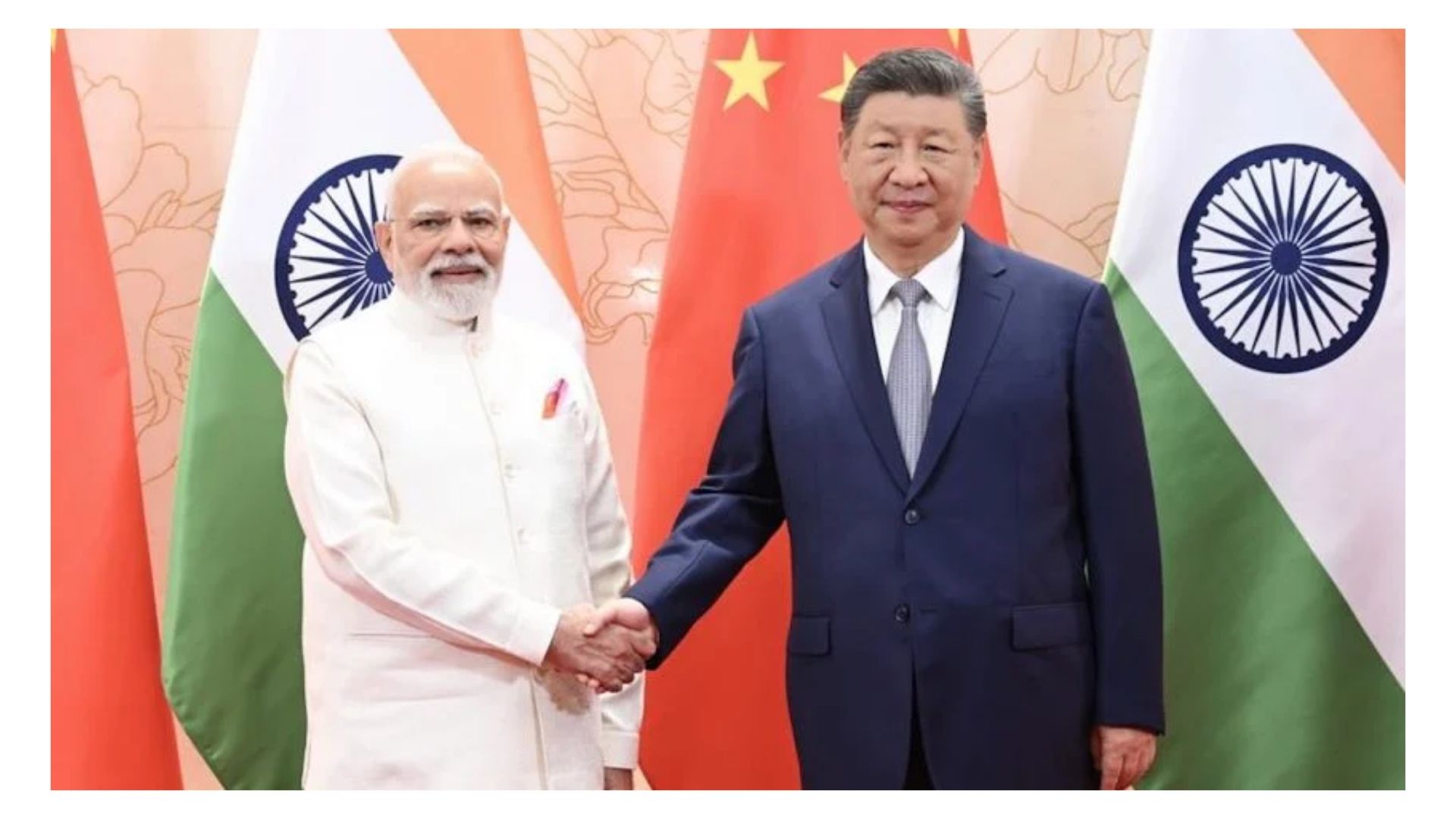
The projected visit concludes a gap of seven years without a trip by Xi Jinping to Indian territory.
-
Court Declares Oi Bankrupt Following Recovery Plan Breach and Financial Shortage; Operator Faces R$ 44.3 Billion in Debt, Negative Assets at R$ 22.6 Billion; Appeal Possible

-
Retirees Could Receive an Additional R$ 120 Per Month in 2027: Government Projects Minimum Wage of R$ 1,741, Adding New Billion-Dollar Floor to Budget

-
Rio Grande do Sul Opens Permanent Representation in China to Boost Investments in Key Sectors
-
Brazilians Can Now Shop at Paraguayan Stores and Receive Deliveries Through Correios Without Crossing the Border


The delegation expected for the summit is set to include approximately 400 members, a figure that reflects the scale of the Chinese presence planned for New Delhi.
Modi Visited China in August 2025
The rapprochement took another step forward the previous year.
Indian Prime Minister Narendra Modi traveled to Tianjin, China, in August 2025, also marking his first visit to the country in seven years. During this visit, he met with Xi Jinping.
China and India Have a Territorial Dispute Dating Back to the 1960s
The attempt to improve relations is occurring against a backdrop of rivalry that spans over six decades.
China and India maintain differences at various points along a border of approximately 3,800 kilometers, where contested demarcation areas exist and a strong military presence is evident. These regions are associated with the so-called Line of Actual Control (LAC).
The 2020 Clash Resulted in 24 Deaths in the Galwan Valley
Border tensions escalated in a serious episode in June 2020.
Troops from both countries clashed in the Galwan Valley, a region involved in the territorial dispute, in a confrontation that ended with 24 deaths. The incident complicated the relationship between the governments of Xi and Modi.
China’s Relationship with Pakistan Also Affects Dialogue
Another sensitive point involves China’s military agreements with Pakistan, a country that has its own historical rivalry with India.
This relationship adds pressure to the ties between Beijing and New Delhi, even as both governments seek to establish a more economically favorable coexistence.
China Eyes Indian Market While India Seeks Technological Advancement
Economic interests help explain the pursuit of a less tense relationship.
China is looking to expand opportunities for its companies in the Indian consumer market, while India aims to develop its technology sector, with special attention to artificial intelligence and the possibility of technological cooperation.
Bilateral Meeting Between Xi and Modi Not Yet Scheduled
The presence of both leaders at the same summit did not mean, at that moment, that a direct meeting was scheduled.
According to available information, there was no plan for a bilateral meeting between Xi Jinping and Narendra Modi during or after the BRICS Summit.
Xi Had Not Officially Confirmed Participation Yet
The Chinese government had not yet formally announced Xi’s trip to New Delhi.
The lack of prior confirmation was presented as part of the Chinese practice of avoiding publicizing certain presidential commitments well in advance.
Putin and Pezeshkian Had Already Confirmed Their Attendance
Other heads of state had already officially confirmed their participation in the summit.
Among them were Russian President Vladimir Putin and Iranian President Masoud Pezeshkian. The representative from the United Arab Emirates had not yet been confirmed.
Brazil Was Likely to Be Represented by Mauro Vieira
President Luiz Inácio Lula da Silva was not expected to attend the meeting, according to predictions at that time.
The likelihood was that Brazil would be represented by Foreign Minister Mauro Vieira, although the Foreign Ministry had not yet responded to the request for positioning made prior to publication.
Summit Again Places Xi and Modi in the Midst of a Reconstructing Relationship
The potential arrival of Xi Jinping in India for the first time in seven years becomes one of the main diplomatic moves surrounding the BRICS Summit.
The trip occurs while China and India seek to improve relations, despite unresolved territorial divergences that have persisted since the 1960s. The size of the Chinese delegation and the leaders’ reunion put this attempt at rapprochement at the center of the event’s agenda.
In your opinion, will China and India be able to transform diplomatic rapprochement into a more stable relationship despite decades-old territorial disputes? Leave your opinion in the comments.


