





 Portuguese
  English
  Spanish
  6 min of reading
  1 comment


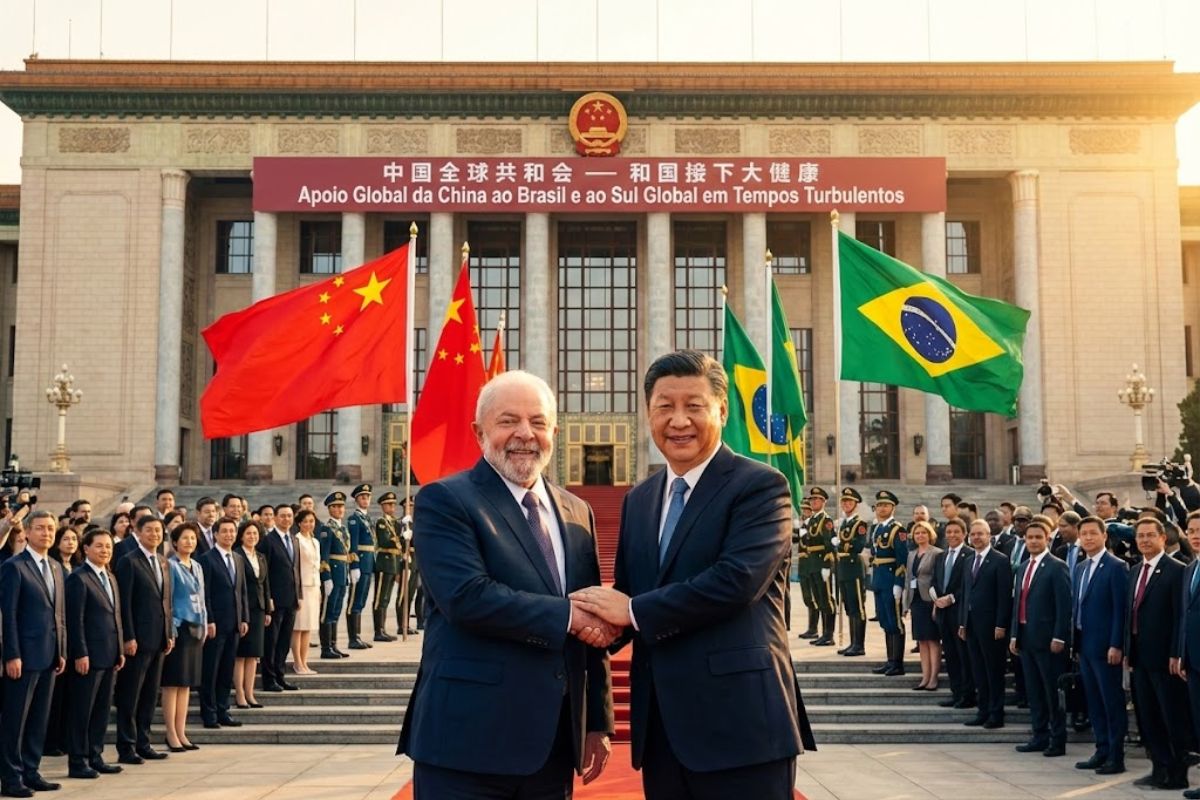


In A Phone Call, Xi Jinping Said That China Would Support Brazil and the Global South in the Turbulent International Situation and Called for Joint Defense of the UN Role. The Conversation Occurred After Lula Criticized the US Offensive in Venezuela in an Article in The New York Times and Advocated That the Future of the Country Be Decided by Its Own People.
The Brazil has moved to the center of a larger diplomatic dispute, involving pressure from the United States on Venezuela, reactions in Latin America, and China’s attempt to expand its influence in the region. In a call on Friday, the 23rd, Chinese President Xi Jinping assured Lula that Beijing would support Brazil and the Global South and emphasized the need to maintain the role of the United Nations.
The contact occurred a few days after Lula published, on January 18, an opinion piece in The New York Times criticizing the United States’ attack on Venezuela and warning that the future of the country should remain in the hands of its people. The episode gained even more weight because it came after the detention of Nicolás Maduro by the Trump administration so that he could be prosecuted in the US on drug trafficking charges, plunging Caracas into political uncertainty.
The Phone Call Between Xi and Lula and the Message About Brazil
Xi Jinping stated that China is willing to support Brazil and the Global South in what he described as a turbulent international situation. He also called for China and Brazil to work together to safeguard common interests and maintain the role of the United Nations.
-
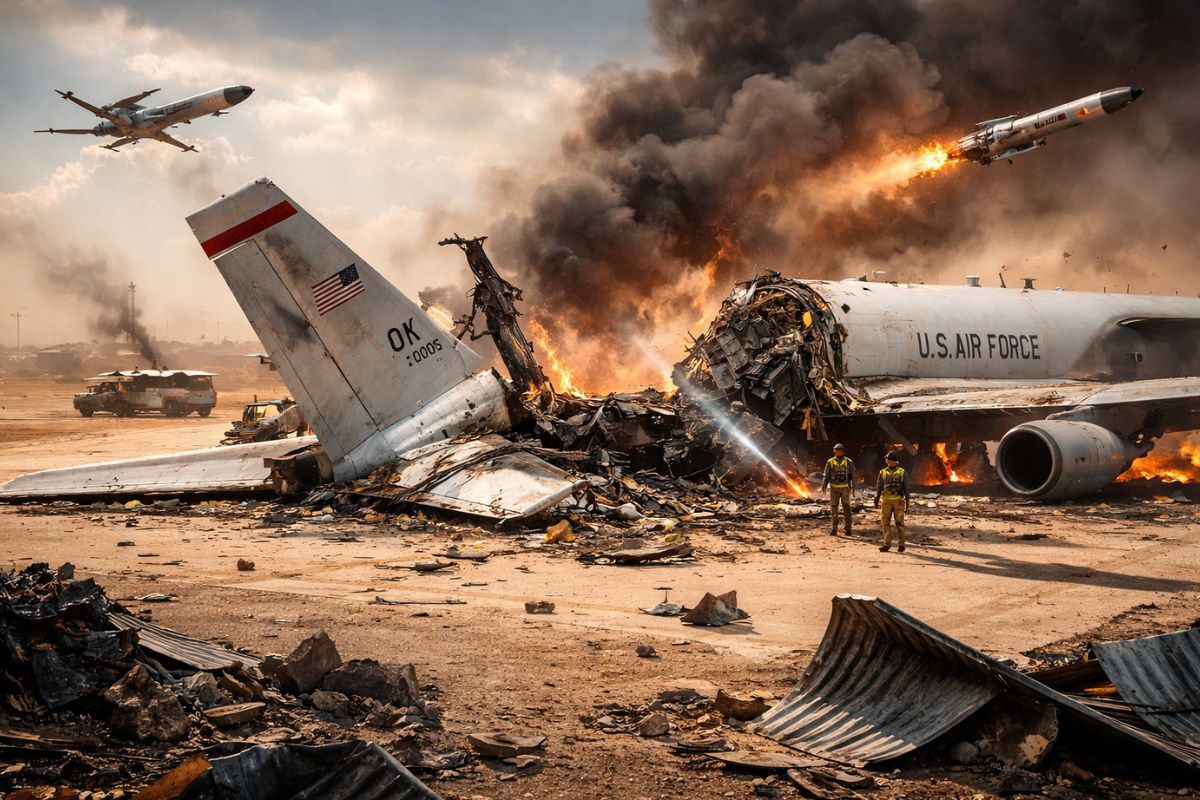
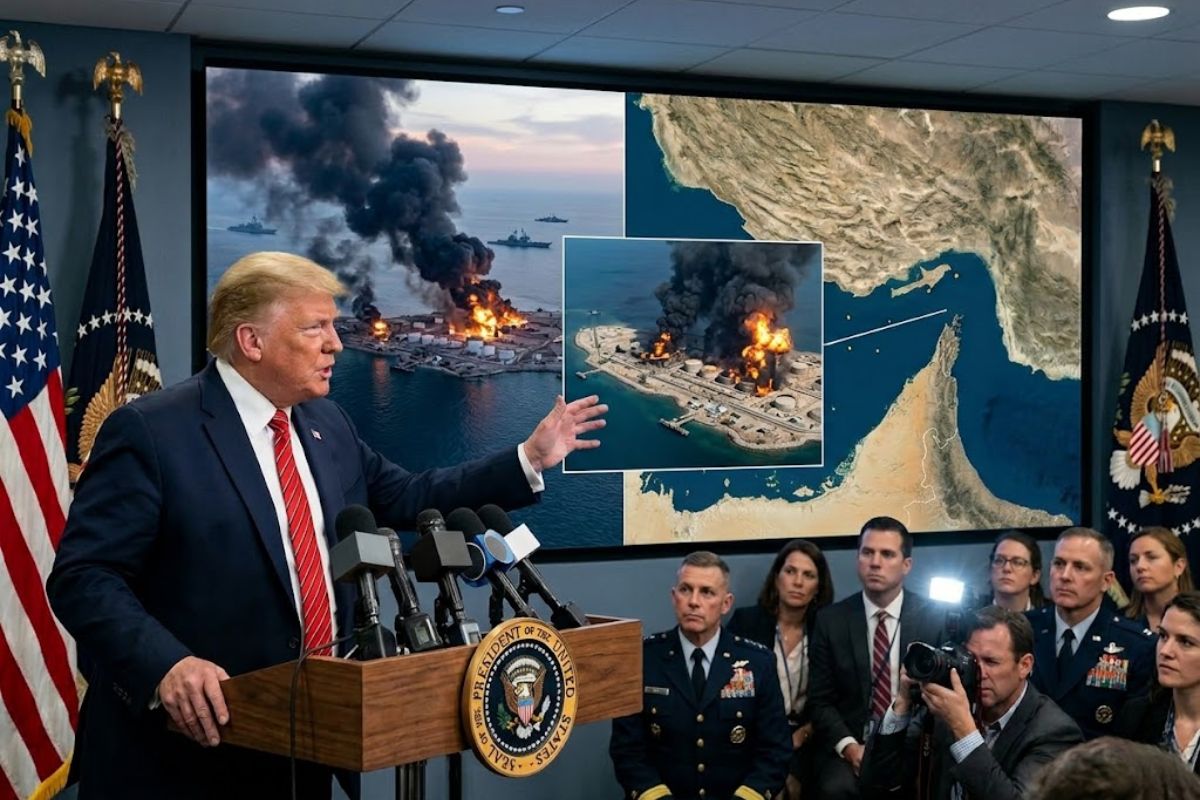
Iranian drones and missiles destroyed a 270 million dollar American spy plane in Saudi Arabia, splitting the E-3 Sentry aircraft in half and injuring 12 military personnel in an attack that exposes the vulnerability of U.S. bases in the Persian Gulf.
-
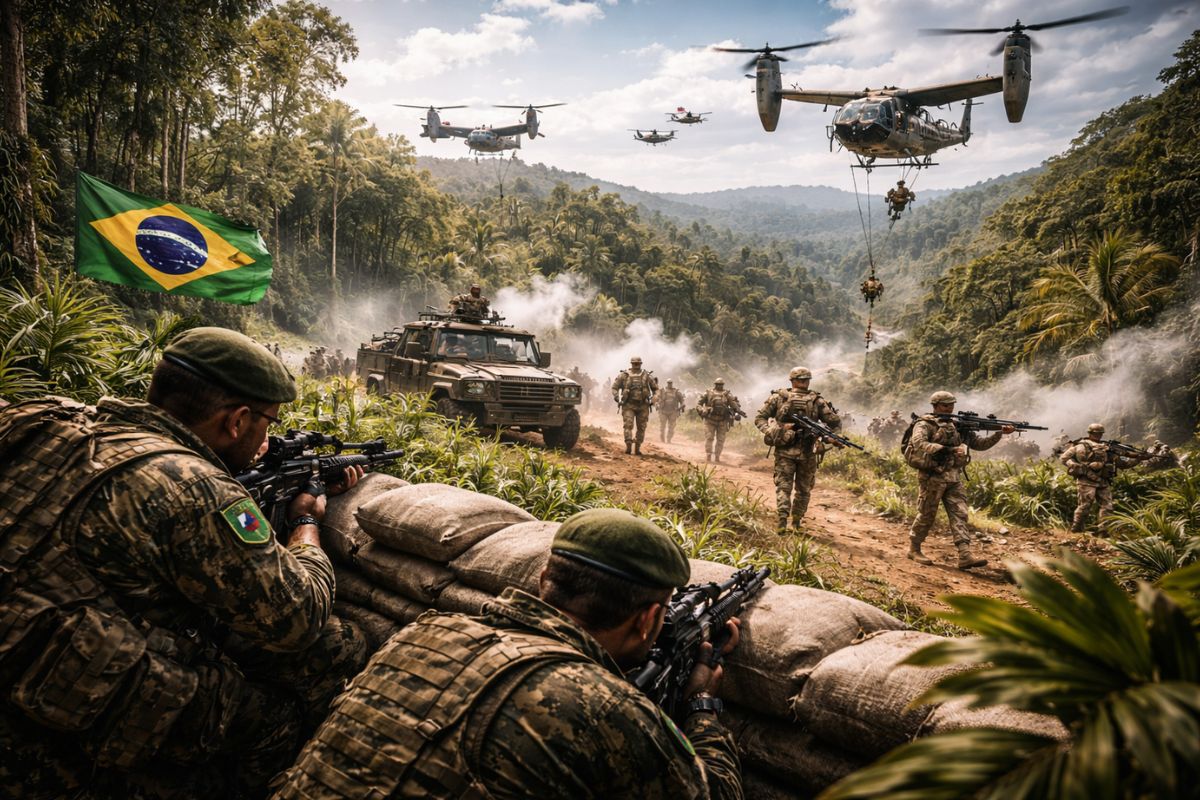
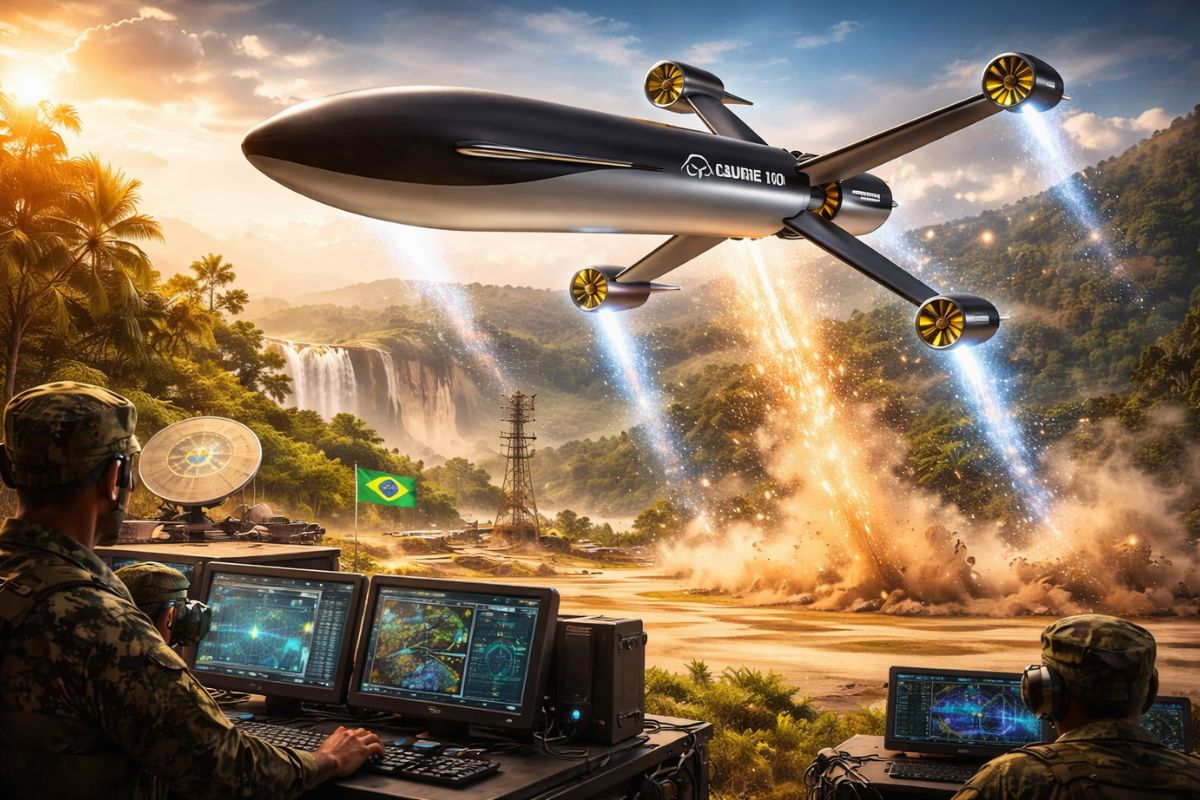
If the USA were to go to war with Brazil, Washington’s greatest fear would not be the attack itself, but facing a vast territory, prolonged resistance, and a costly, chaotic, and unpredictable occupation.
-
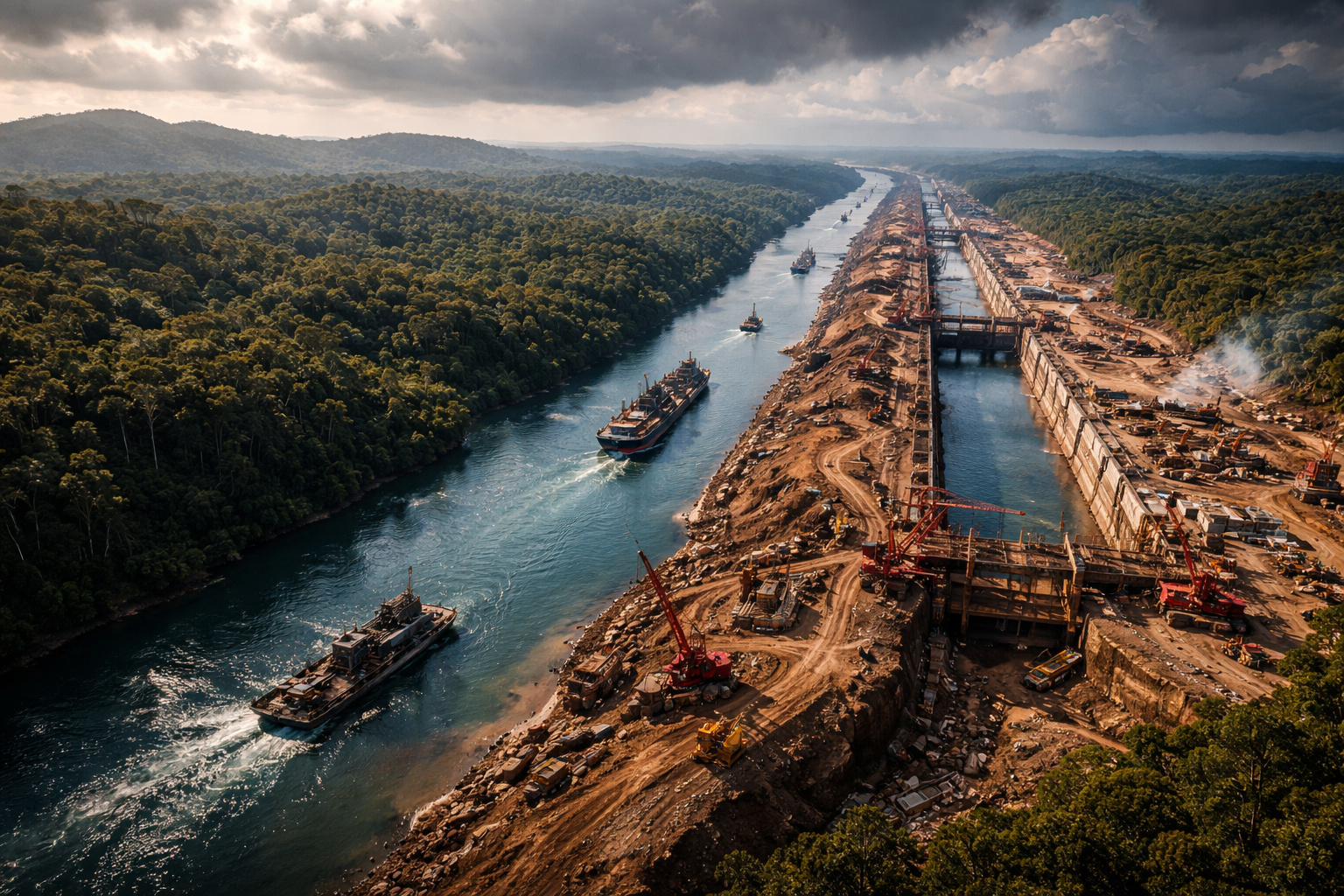
In 2013, Nicaragua sold the concession for a canal to rival Panama to a Chinese billionaire who lost 85% of his fortune, disappeared, and was declared bankrupt. Now the project resurfaces with a new route, a new Chinese partner, and a cost of $64.5 billion.
-
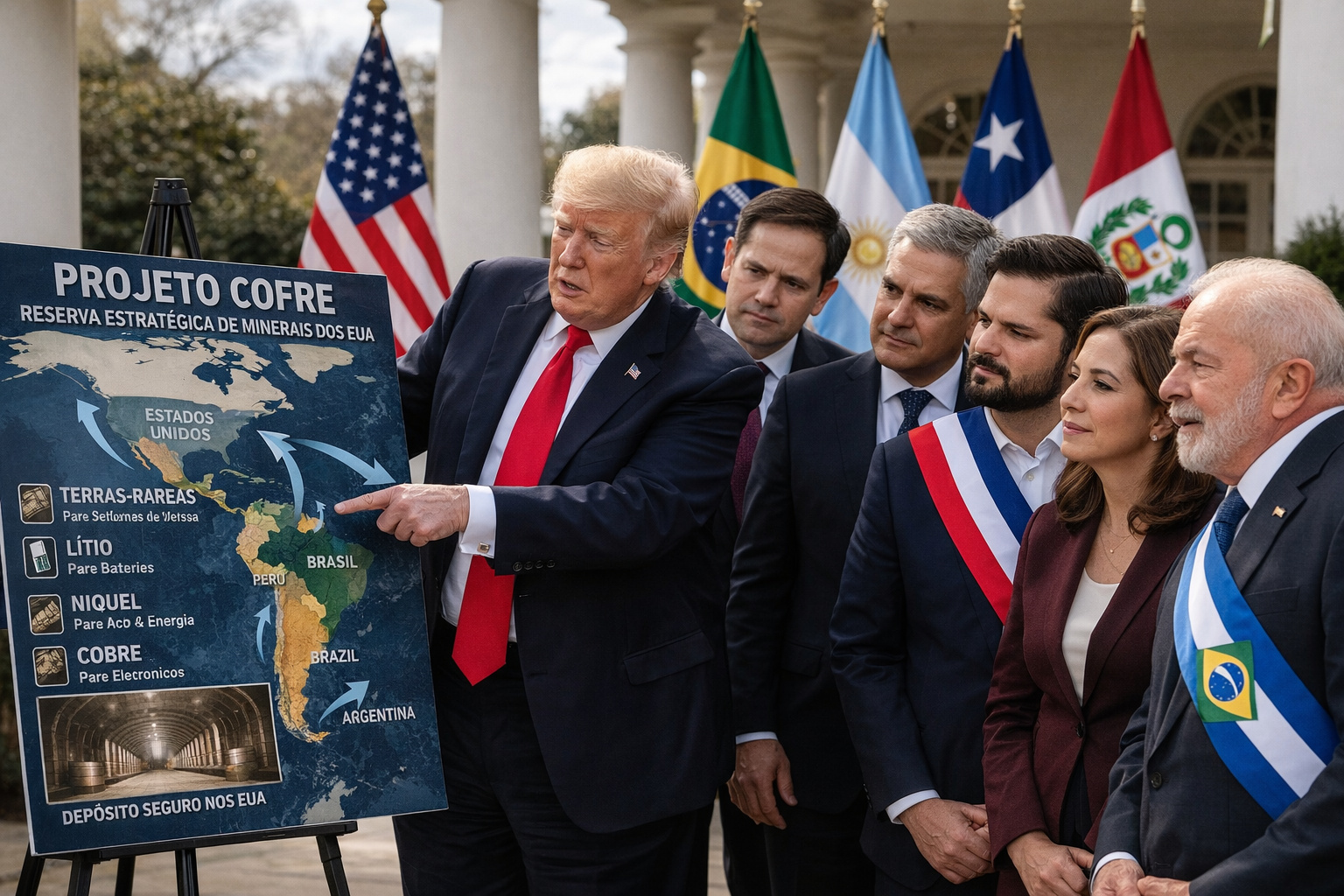
The USA announces a mysterious billion-dollar vault project to store critical minerals, but what intrigues experts is not just the plan itself, but why Latin America, including Brazil, has entered the center of this global dispute against China.

The message has two clear targets. On one hand, it reaffirms Beijing’s intention to present itself as a partner of Brazil in multilateral forums.
On the other hand, it positions China as a defender of an international order in which the UN retains centrality, especially when tensions and unilateral actions by major powers are growing.
Lula’s Criticism of the US and the Venezuela Axis
The conversation between Xi and Lula was described as a direct consequence of Lula’s public criticism of the United States’ attack on Venezuela. In the January 18 article, Lula argued that the future of Venezuela, and any other country, must remain in the hands of its own people.
Lula also stated that, in over 200 years of independent history, it would be the first time that South America experienced a direct military attack from the United States, although he acknowledged that American forces had intervened in the region previously.
The positioning seeks to reinforce a central argument: the hemisphere cannot be treated as a zone of permanent coercion by an external power, and Brazil intends to mark this line.
The Impact on Latin America and the Fear of New Interventions
The US operation has fueled concerns among Latin American countries about the risk of similar forced interventions in their territories. This regional effect is relevant because it broadens the political reach of the episode, going beyond Venezuela and affecting the security perception of Latin American governments.
These concerns also provoked criticism within the United Nations. This point reinforces the reading that the debate is not just about Venezuela, but about rules, sovereignty, and limits of international military action, themes in which Brazil often seeks to position itself as a defender of multilateral solutions.
UN at the Center and the Warning About Equality Between States
The tension with the UN appears explicitly in the reaction of Secretary-General António Guterres. He stated that the United States acted with impunity and that the founding principles of the United Nations, including equality among member states, are now threatened.
This type of declaration amplifies the diplomatic weight of the case and provides political ammunition for countries that insist on multilateral rules.
For Brazil, which historically values forums like the UN to balance relations between powers and middle countries, this discourse aligns with the defense that international crises need to be addressed with legitimacy and not by imposition.
China Trying to Consolidate Influence in the Region and the Role of Brazil
The episode also pressures Chinese influence in Latin America and the Caribbean, precisely because military actions and abrupt changes in Venezuela tend to reshape alliances, trade routes, and infrastructure projects.
In this context, Xi Jinping stated that China is willing to continue being a good friend and partner to countries in Latin America and the Caribbean, highlighting a strategy of prolonged presence in the region. The speech, directed to Lula, positions Brazil as a support point for this broader discourse on Sino-Latin American rapprochement.
Credit Lines, Investments, and the Dispute for Infrastructure
The cited context includes China’s promise of new credit lines and more investments in infrastructure in Latin America and the Caribbean.
This detail is important because it signals that Beijing’s response is not limited to diplomacy but involves economic instruments capable of shaping alliances in the long term.
By mentioning credit and infrastructure, Xi points to an influence agenda that directly addresses the structural needs of the region.
For Brazil, this line has potential impact in strategic areas and in projects that, in the geopolitical board, can be seen as a rapprochement or as a counterweight to pressures coming from Washington.
The Strategic Partnership for 2024 and the Agenda of Brazil
Xi mentioned a strategic partnership for 2024 that seeks to align China’s Belt and Road Initiative with Brazil’s plans in agriculture, infrastructure, and energy transition.
The presented formulation describes this agenda as an example of solidarity and cooperation among Global South countries.
By placing agriculture, infrastructure, and energy transition in the same package, China signals that it sees Brazil as a multifunctional partner, both for the strength of agribusiness and for the potential of physical and energy projects.
It is an attempt to build a narrative of converging interests rather than a link limited to trade.
The Idea of a Shared Future Between China and Latin America
Xi added that China seeks to help build a China-Latin America community with a shared future. This language seeks to give a tone of historic project and bloc, bringing diplomacy and strategic vision closer.
In this framing, Brazil emerges as a central interlocutor because it has regional weight and the capacity to influence debates on multilateralism. The phone call, therefore, is not just a bilateral gesture, but a message about how Beijing intends to position itself in the face of the Venezuelan crisis and regional unrest.
The Crisis Exceeds Venezuela and Reaches Other Tension Points
The international tension environment is described as broader. It was also cited that a threat from Trump to use force to annex Greenland opened risks with security allies on the other side of the Atlantic, suggesting a scenario where actions and threats of force create diplomatic friction on different fronts.
This detail reinforces the idea of “turbulent times” used by Xi and helps explain why the defense of the UN role was placed at the center. For Brazil, the reading is that the world is undergoing a phase of increased hostility and that insisting on multilateral rules may be a positioning differential.
What Remains for Brazil in Practice
Brazil appears as a meeting point of three pressures at once: the crisis in Venezuela and the fear of intervention in Latin America, the competition for influence between the United States and China in the region, and the attempt to reaffirm the UN as a mechanism to contain unilateral actions.
By receiving verbal support from Xi and maintaining a critical discourse regarding American actions, Lula signals that Brazil intends to position itself as a defender of regional sovereignty and multilateralism while keeping doors open for economic and strategic cooperation with China.
Do you think that Brazil gains strength by getting even closer to China at this time of tension with the United States, or does this increase the risk of pressure on the country?






A aproximação com governos ditadores NÃO interessa aos brasileiros. Lula vai passar e sua saída deve ser um alívio ao SUL GLOBAL. Infelizmente não tem a visão democrática sincera e permite conluios (parcerias) com pessoas de má índole que fraudam negociações e desviam recursos. O Brasil empobreceu, embrurreceu, foi enganado, atrasou-se por confiar num governante despreparado e nada popular, haja vista que nem na rua pode sair. Infelizmente não é possível prosseguir com ele na liderança. Chega de impostos pra bancar alguns poderosos. O povo é preguiçoso pra buscar a verdade, mas quando ela chega ninguém consegue sobrepor e sucumbe ao tentar se manter onde nem deveria ter chegado.