





 Portuguese
  English
  Spanish
  5 min of reading
  1 comment


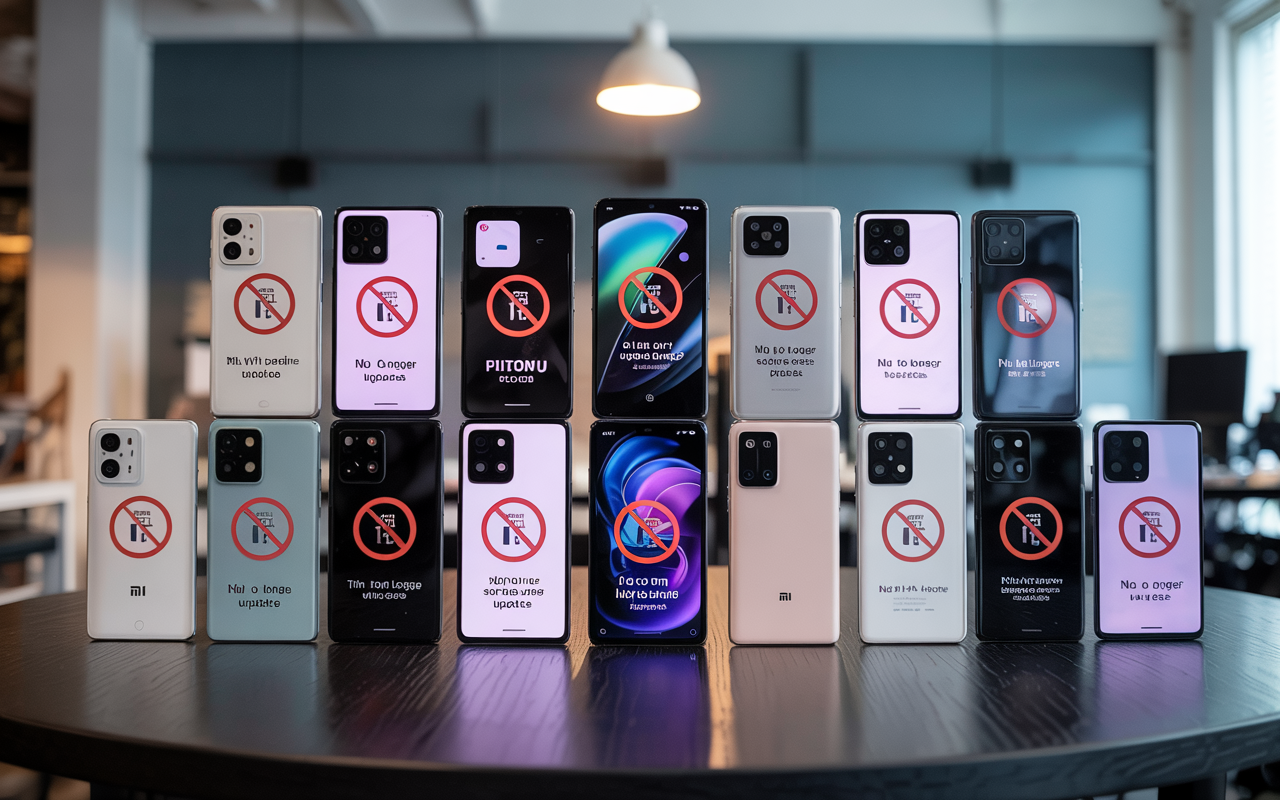


End of Xiaomi Updates for POCO and Redmi Models: Check the List of Xiaomi Smartphones Without Updates in 2025 and Understand How This Affects the End Consumer.
Xiaomi has officially announced the end of system and security updates for 19 models of its smartphones. The measure, which directly impacts popular lines like POCO and Redmi, marks the end of official support from the Chinese manufacturer for devices launched a few years ago. The news came as a surprise to many users, especially those who still use these models in their daily lives.
Below, we explain what the end of Xiaomi updates means, list the Xiaomi smartphones without updates, and analyze the impacts for users. If you own one of these models, it’s important to understand what changes and what your options are.
List of Xiaomi Smartphones Without Updates


Xiaomi has disclosed through its support schedule that the following 19 models will no longer receive system and security updates. This means that they will not have access to future versions of the MIUI system, Android updates, or even critical vulnerability patches.
-
The Earth will plunge into a few minutes of darkness in broad daylight in August 2026, when a total solar eclipse transforms the sky into one of the most impressive astronomical phenomena in recent years.

-
How the terraforming of Mars can transform the planet: artificial aerosols can increase the temperature by up to 35°C in 15 years, creating conditions for liquid water.

-
Scientists drilled nearly 8,000 meters into the ocean floor above the fault that caused the 2011 tsunami in Japan and discovered that a layer of clay 130 million years old was responsible for making the wave much worse than any model had predicted.

-
Thousands of years after causing the largest eruption of the Holocene, one of the world’s largest supervolcanoes is rebuilding itself beneath the sea south of Japan, receiving new magma and alarming scientists with its transformation.


Check the complete list:
- Xiaomi Civi 1S;
- Mi 11X Pro;
- Mi 11i;
- Mi 11X;
- Mi 10S;
- Redmi K40 Pro;
- Redmi K40 Pro+;
- Redmi K40;
- Redmi K40 Gaming;
- Redmi Note 10 Pro;
- Redmi Note 10 Pro Max;
- Redmi Note 10;
- Redmi Note 10 JE;
- Redmi Note 10T;
- Redmi Note 10T 5G;
- Redmi Note 10S;
- Redmi Note 10 5G;
- POCO F3 GT;
- POCO X3 GT.
These models have been removed from the EOS (End of Support) list, indicating that they will no longer receive official maintenance from the company.
What Does the End of Xiaomi Updates Mean?
The end of Xiaomi updates means that these devices will no longer receive:
- MIUI system updates (Xiaomi’s customized interface based on Android)
- Android security updates
- New features or optimizations
- Bug fixes identified by the community or the manufacturer itself
This discontinuation places users in a delicate situation: while the devices continue to function normally, they become more vulnerable to security flaws, incompatibility with new apps, and progressive performance declines.
Reasons Behind the Decision
The practice of ending support for older models is common in the industry. Xiaomi follows a similar update policy to other manufacturers like Samsung and Motorola, which typically offer between two to three years of full support for their devices.
The listed models were mostly launched between 2020 and 2021. This means that, according to industry standards, they have already received several major updates, including Android upgrades and MIUI updates.
With the arrival of new devices on the market — including models with MIUI 14 and future ones with HyperOS — maintaining active support for older devices becomes financially unviable and technically challenging for the company.
Impact on POCO and Redmi Users
The inclusion of popular models from the POCO and Redmi lines on the list of Xiaomi smartphones without updates is particularly significant. These devices are widely used in Brazil and other emerging markets, precisely because they deliver good performance at affordable prices.
Among the most affected are:
- POCO X3 GT: known for its good gaming performance and long-lasting battery.
- Redmi Note 10 Pro and Note 10S: two of Xiaomi’s best-selling models in recent years, combining cost-effectiveness with good cameras and an AMOLED display.
- Mi 11i and Mi 11X Pro: mid-range premium models, with high performance and a focus on demanding users.
The end of support may cause frustration among consumers who expected greater longevity from their devices.
Digital Security at Risk?
One of the main risks of the end of updates is exposure to security vulnerabilities. Without monthly or quarterly patches, devices become susceptible to flaws already fixed in newer devices. This is especially critical for users who use their smartphones for banking transactions, two-factor authentication, or storing sensitive data.
It depends on the user’s profile. For basic tasks like calls, messaging, and using social media, these devices still have a lifespan. However, users who value digital security, new features, and optimized performance should consider upgrading.
Additionally, app compatibility may become an issue. Many apps stop working correctly on older versions of Android, and automatic updates in app stores may no longer be available.
Alternatives for Those Affected
If you own one of the models on the list of Xiaomi smartphones without updates, here are some alternatives:
Keep the Device with Extra Care
- Avoid installing apps outside the Play Store.
- Keep regular data backups.
- Use reliable antivirus software.
- Limit financial transactions via smartphone.
Consider an Upgrade
Xiaomi continues to offer excellent cost-benefit in updated lines like Redmi Note 13, POCO X5, and models from the Xiaomi 14 line with HyperOS. Other manufacturers like Samsung and Motorola also have models with extended support of up to four years.
Install Custom ROMs (Advanced)
For more technical users, there is the option to install ROMs like LineageOS, which offer security updates even after official support ends. However, this process requires technical knowledge, may void the warranty, and compromise the functionality of features like the camera or NFC.
How to Know If Your Phone Still Receives Updates from Xiaomi?
Xiaomi maintains an official portal called EOS List, which is regularly updated with models that have stopped receiving support. It is advisable to periodically check this channel to verify the status of your device.
Additionally, the company usually issues statements through MIUI or via notifications on the device itself.
The announcement from Xiaomi regarding the end of updates for 19 models — including POCO and Redmi devices — reinforces the importance of considering the support time offered when purchasing a new smartphone. Even though these Xiaomi phones have provided excellent performance for years, the discontinuation of support marks the end of a cycle.
For the user, the decision to keep or replace the device should take into account factors such as security, app compatibility, and performance. Xiaomi’s update for this group of smartphones serves as a reminder that, in the tech world, planned obsolescence is an inevitable reality.
Staying alert to support policies and official announcements from the manufacturer can help consumers make more informed choices and avoid unpleasant surprises in the future.









O meu e o 10 c