





 Portuguese
  English
  Spanish
  4 min of reading
  0 comments


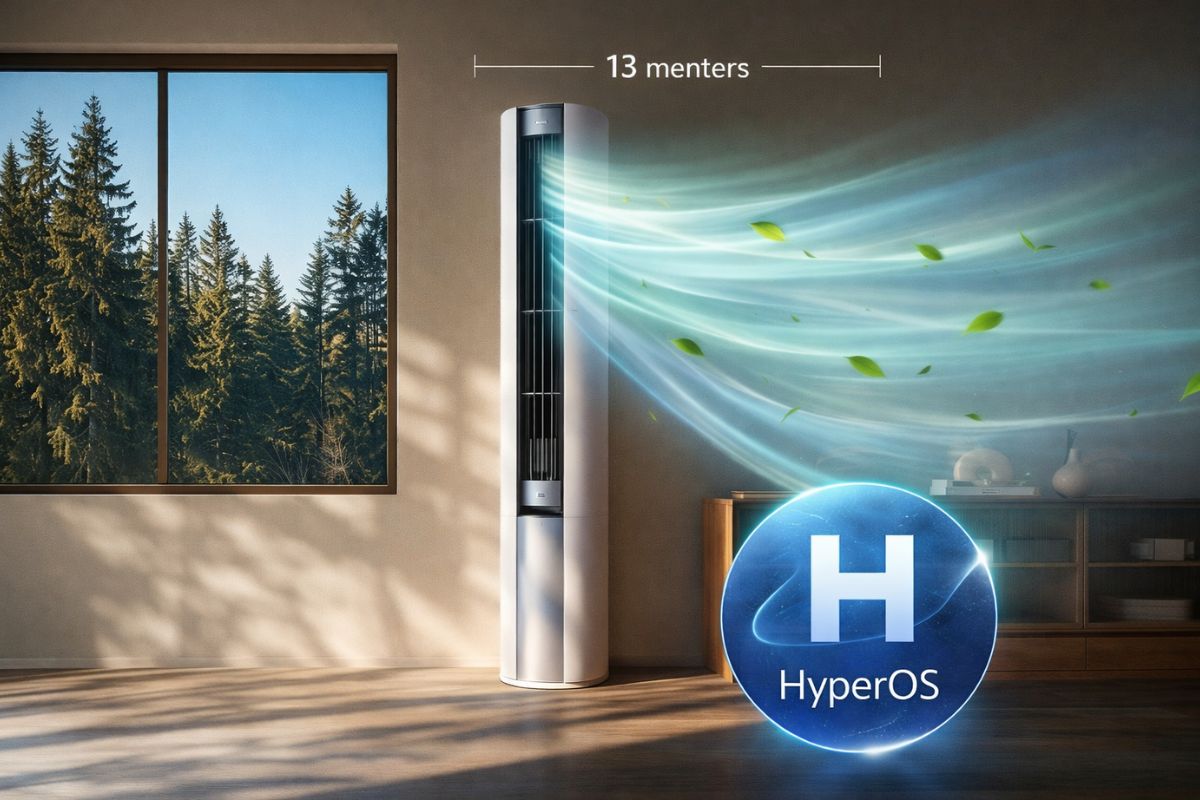
The new air conditioner from Xiaomi distributes airflow between upper and lower parts to avoid the direct jet typical of conventional devices and runs HyperOS Connect with OTA updates, intelligent diagnostics of over 120 failures, and integration with the entire smart home ecosystem of the brand
Xiaomi has just announced an update to its vertical air conditioner that goes beyond what most competitors offer in the same price range. The Mijia Air Conditioner Natural Wind Vertical 3HP has an air reach of up to 13 meters, a coverage of 115 degrees, a split ventilation system that simulates natural wind, and runs HyperOS Connect, the same operating system that connects Xiaomi’s phones, watches, and appliances into a single ecosystem. The device also features intelligent diagnostics capable of identifying over 120 problems on its own.
The launch of Xiaomi is scheduled for the Chinese market on April 10, priced at 4,599 yuan, equivalent to about R$ 3,448. This is a price that positions the product in the premium category, but delivers functionalities that competitors charge significantly more to offer. Xiaomi has been expanding its air conditioning line in other markets, but there is still no confirmation about the global availability of this specific model. For those following the brand’s ecosystem, the air conditioner is another piece in the puzzle of a fully connected home.
What is the natural wind that Xiaomi promises in this air conditioner

According to information from the portal Tudo Celular, the main differentiator of this Xiaomi model is the split ventilation system, designed to replicate the behavior of natural wind indoors.
-
Little-known Amazonian fruit contains up to 3,000 mg of vitamin C per 100 g, surpassing orange by dozens of times and also gathering phenolic compounds with strong antioxidant action, according to scientific studies; meet camu-camu.

-
A new chip created by engineers challenges the limits of computing and AI by operating at extreme temperatures of 700°C, introducing a new technology capable of reducing failures and revolutionizing applications in extreme environments.

-
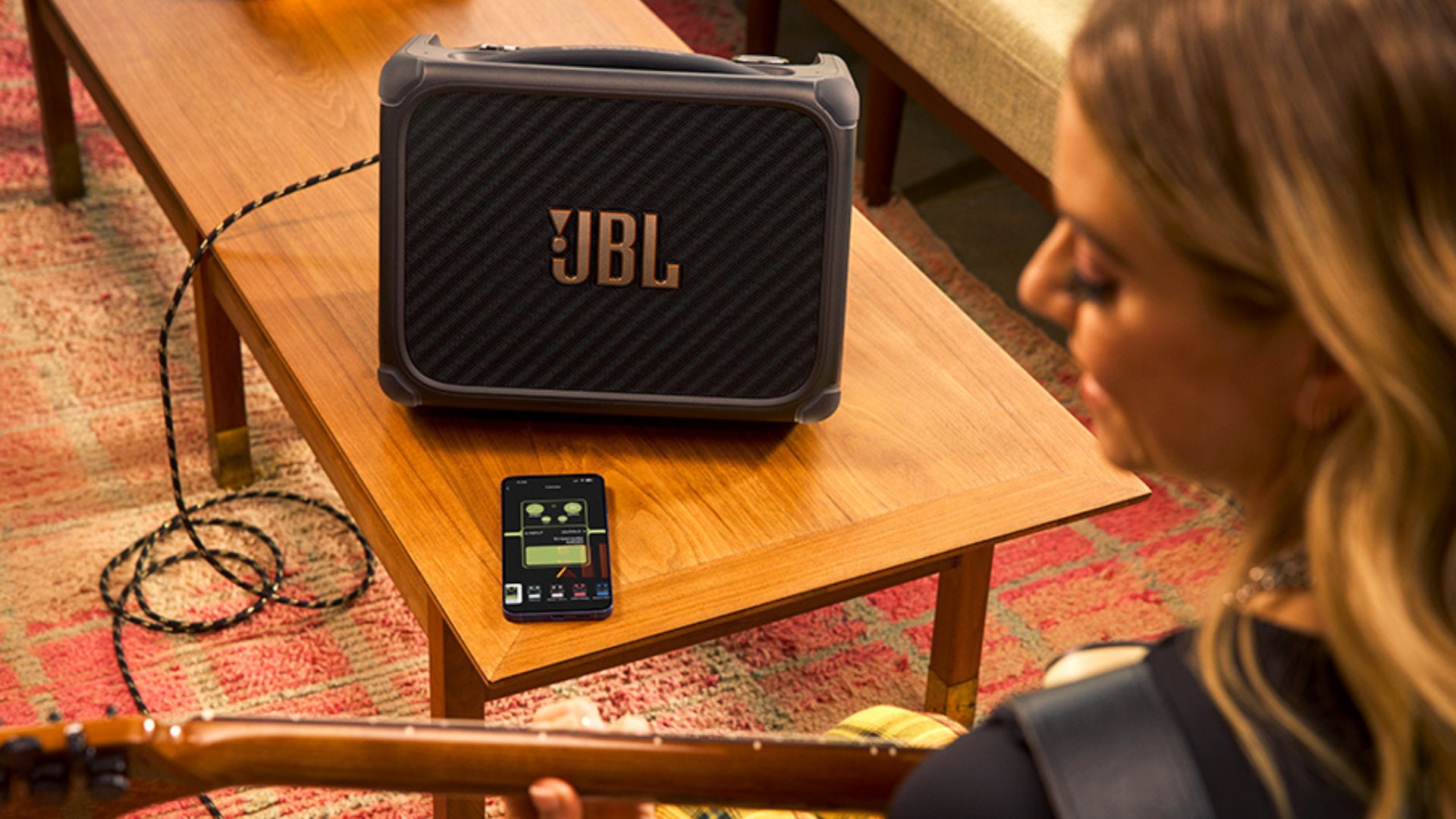
JBL launches BandBox in Brazil with Stem AI capable of separating vocals and instruments in real-time and features a portable amplifier of up to 135 W, 4 simultaneous inputs, a 10-hour battery, and a starting price of R$ 1,699.
-
A mass blockade of over 100 Baidu robotaxis in Wuhan exposes serious flaws as the sector tries to prove that autonomous cars are already ready.

Instead of the direct and concentrated jet typical of conventional air conditioners, that airflow that dries the eyes and causes discomfort when it hits directly on a person, the device distributes air between upper and lower parts simultaneously. The promised result is a feeling of a gentler and less artificial breeze.
The reach of 13 meters means that Xiaomi’s air conditioner can cool large spaces without forcing the power to the maximum, which also contributes to acoustic comfort and energy efficiency.
The angular coverage of 115 degrees allows the airflow to reach a wide area without the user needing to reposition the device or manually direct the louvers. Other brands have already explored similar concepts of natural ventilation, but Xiaomi integrates the feature into the product design and intelligent control via app.
How HyperOS transforms Xiaomi’s air conditioner into a smart device
Xiaomi does not treat its appliances as isolated products; each device is designed to work within the HyperOS Connect ecosystem.
The air conditioner can be controlled remotely via the Xiaomi app, programmed with operating schedules, integrated with temperature and humidity sensors from other devices in the home, and activated by voice commands. It’s the logic of smart home applied to climate control.
The most relevant feature for daily use is the intelligent diagnostics. Xiaomi’s system monitors the operation of the air conditioner in real-time and can identify over 120 possible problems, from compressor failures to filter blockages, before the user notices any anomalies.
Additionally, the device receives OTA (over the air) updates, which means that Xiaomi can improve functionalities, fix bugs, and add new features without a technician needing to visit the residence.
What the price of R$ 3,448 reveals about Xiaomi’s strategy
The price of 4,599 yuan (approximately R$ 3,448) positions this Xiaomi air conditioner in the premium range of the Chinese climate control market.
For a vertical 3HP unit with a reach of 13 meters, natural wind system, integration with a smart ecosystem, and autonomous diagnostics of over 120 failures, the price is competitive compared to equivalent models from brands like Daikin, Gree, or Midea. Xiaomi maintains its strategy of offering more functionalities for less money.
The question that interests Brazilian consumers is if and when this model will arrive in the national market. Xiaomi already sells appliances in Brazil, including air purifiers and robot vacuums, but the air conditioning line has not officially landed yet.
If the brand follows the same expansion pattern it applied to other products, the arrival in Brazil may just be a matter of time. Meanwhile, the launch reinforces Xiaomi’s position as a company that does not only manufacture phones but entire connected homes.
What this launch from Xiaomi means for the appliance market
The air conditioner with HyperOS is not an isolated product; it is part of Xiaomi’s strategy to make each appliance a node in the smart home network.
Refrigerators, washing machines, air purifiers, security cameras, and now air conditioners with natural ventilation—all connected through the same operating system and controlled by the same app. For consumers already in the brand’s ecosystem, adding another device is natural and almost inevitable.
For traditional climate control competitors, Xiaomi’s message is clear: the air conditioner of the future is not just the one that cools better or consumes less energy; it is the one that integrates with the rest of the house, updates itself, and alerts when something is wrong before it breaks.
The company that started selling cheap phones in China now challenges century-old appliance manufacturers with products that cost less, do more, and communicate with each other. The air conditioner with natural wind and intelligent diagnostics is just the latest chapter in this story.
Would you buy an air conditioner from Xiaomi? Do you think smart appliances make a real difference in daily life? Let us know in the comments.








Seja o primeiro a reagir!