





 Portuguese
  English
  Spanish
  4 min of reading
  0 comments


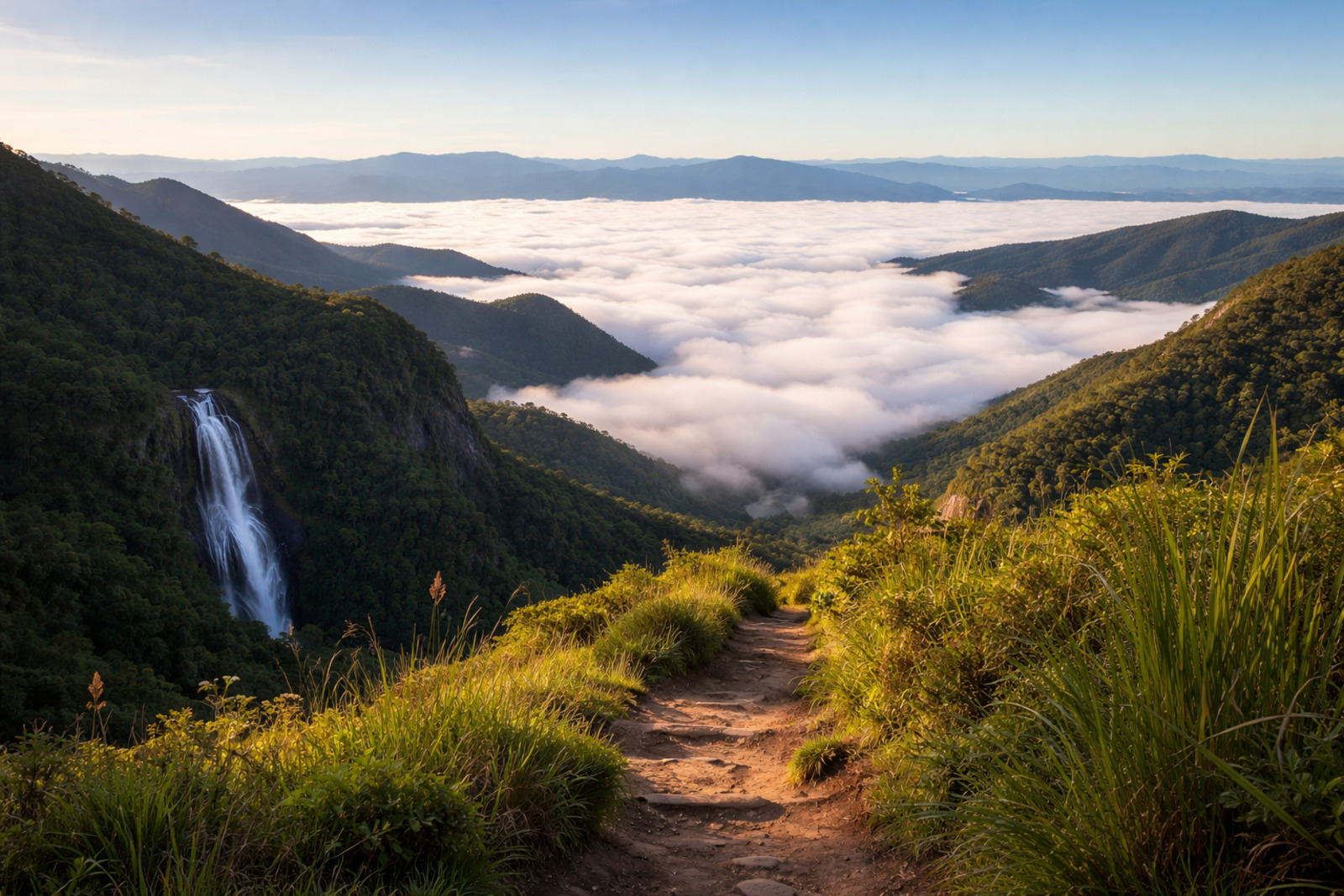
In São José do Barreiro, the Serra da Bocaina combines waterfalls, historical trails, high mountains, mountain climate, local cuisine, and coffee heritage
The Serra da Bocaina National Park, in São José do Barreiro, brings together high mountains, trails, waterfalls, and UNESCO recognition, attracting visitors to the interior of São Paulo by uniting environmental preservation, responsible tourism, historical heritage, regional cuisine, and a climate marked by altitude.
Serra da Bocaina and the high-altitude landscape
The Serra da Bocaina National Park is located in a region of elevated mountains, where the landscape changes rapidly as altitude increases.
On many days, the clouds are below the level of the trails. This effect creates the sensation of walking above them at different points in the park.
-
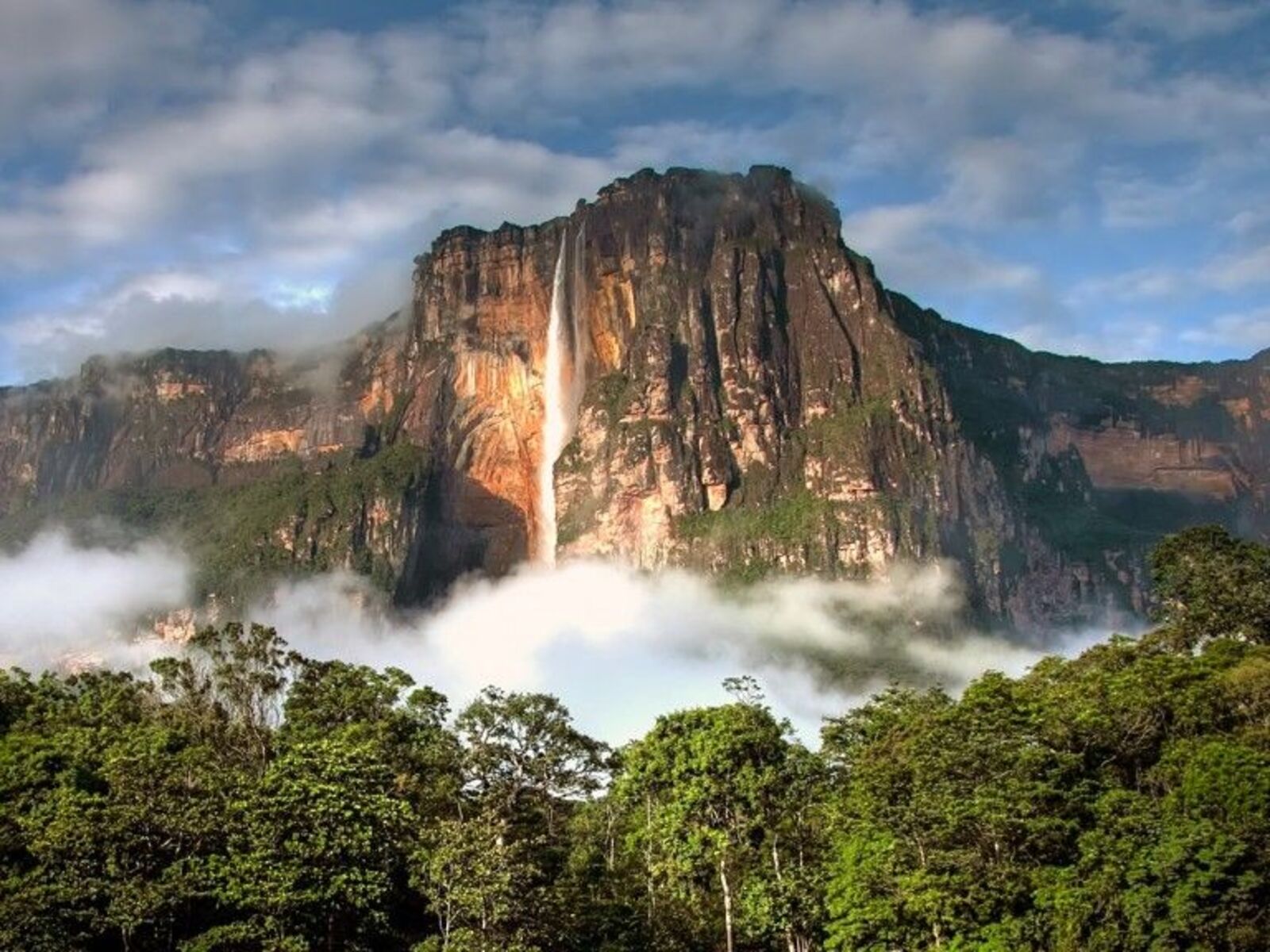
Brazil’s neighbor hides a giant of 979 meters: the world’s tallest waterfall is in Venezuela and is nearly 3 times taller than the Empire State Building.
-
At just 18 years old, a Brazilian public school student is hired by a multinational company and becomes a programming teacher while still in high school.

-
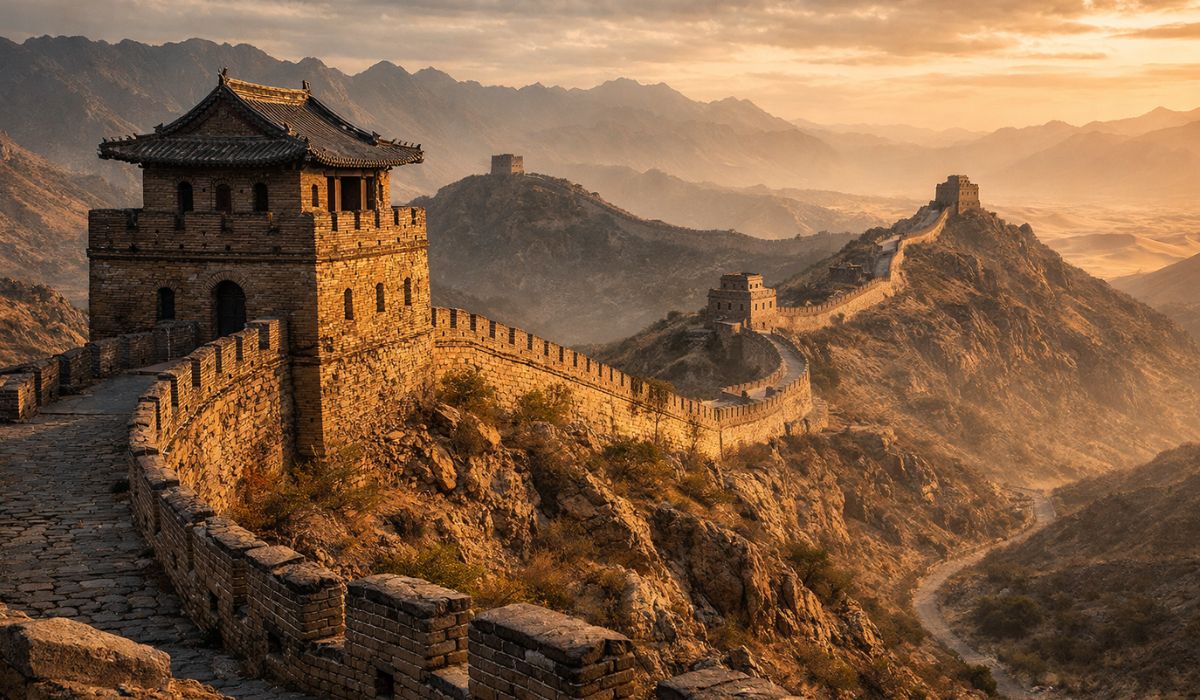
Satellites reveal that the greatest work of humanity extends over 21,000 km, exposes hidden military posts, and helps to unveil the gigantic logistical machinery of the ancient Ming dynasty.
-
The secret masterpiece of Steve Jobs that took five years to create was blocked before its debut due to an unexpected debt of millions — and the reason behind the blockage in Amsterdam still surprises today.

The main entrance to the high part of the Serra da Bocaina is in São José do Barreiro, in the Paraíba Valley, in the interior of São Paulo.
The city is about 270 km from the capital and serves as a base for those intending to visit waterfalls, historical trails, and natural viewpoints.
According to the Chico Mendes Institute for Biodiversity Conservation, the park was created in 1971 to preserve a large area of Atlantic Forest and protect local fauna and flora.


International title and responsible tourism
The Serra da Bocaina received international recognition in 1992 when it was declared a World Biosphere Reserve by UNESCO.
This title is given to areas that manage to reconcile environmental preservation with sustainable activities, including responsible tourism.
In addition to its ecological importance, the Serra da Bocaina also draws attention for the variety of outdoor activities available to visitors.
There are more accessible trails for beginners and long routes for those seeking challenges, always amidst preserved natural landscapes.
Waterfalls, trails, and viewpoints
Among the highlights of the Serra da Bocaina is the Santo Isidro Waterfall, about 60 meters high.
Access is via a short and tranquil trail. The path to the waterfall passes through high-altitude fields and forest areas, with shade and beautiful views.
Another highlight is the Gold Trail, an ancient route used between the 17th and 18th centuries to transport wealth from the interior of the country to the coast.
Along the way, visitors encounter large waterfalls, such as the Posses Waterfall and the Deer Waterfall.
The Tira Chapéu Peak is also among the most sought-after points. It is one of the highest in the state of São Paulo, at over two thousand meters in altitude.
From the top, it is possible to observe mountains, valleys, and, on clear days, even areas of the coast, expanding the visual reach of the Serra da Bocaina.
Historical center, cuisine, and artisanal cheese
In addition to the natural landscapes, São José do Barreiro preserves architectural features from the 19th century, a period when the city developed with coffee production.
Even today, the municipality maintains mansions and historical farms that recall this period of the regional economy in the Paraíba Valley.
According to the City Hall, the city was one of the important hubs of the coffee cycle in the region, and this past has left marks on the architecture and local culture.
Culinary offerings also stand out as another attraction. Restaurants and farms serve dishes prepared on wood-fired stoves, with traditional recipes from local cuisine.
The production of cheese is also noteworthy. Some rural properties make award-winning artisanal cheeses, sold directly to visitors passing through the city.
Access to the destination and climate variation
The car trip is considered the most practical way to reach the Serra da Bocaina from the capital of São Paulo.
The route begins on the Presidente Dutra Highway towards the interior and then continues on state roads to São José do Barreiro.
The journey takes, on average, just over three hours, depending on traffic and road conditions. Along the way, the landscape changes until reaching the mountains.
There is also the option of a bus, departing from the Tietê Bus Terminal. In this case, the trip includes a connection to Cachoeira Paulista and then access to São José do Barreiro.
The climate in the city varies throughout the year due to the direct influence of altitude and proximity to mountainous areas.
In summer, the minimum temperatures are around 19 °C and the maximums around 27 °C. In autumn, the average varies between 17 °C and 24 °C.
In winter, the minimums are close to 12 °C and the maximums reach about 22 °C. In spring, the thermometers usually register between 16 °C and 25 °C.
With information from Gazeta de São Paulo.






Seja o primeiro a reagir!