





 Portuguese
  English
  Spanish
  5 min of reading
  0 comments


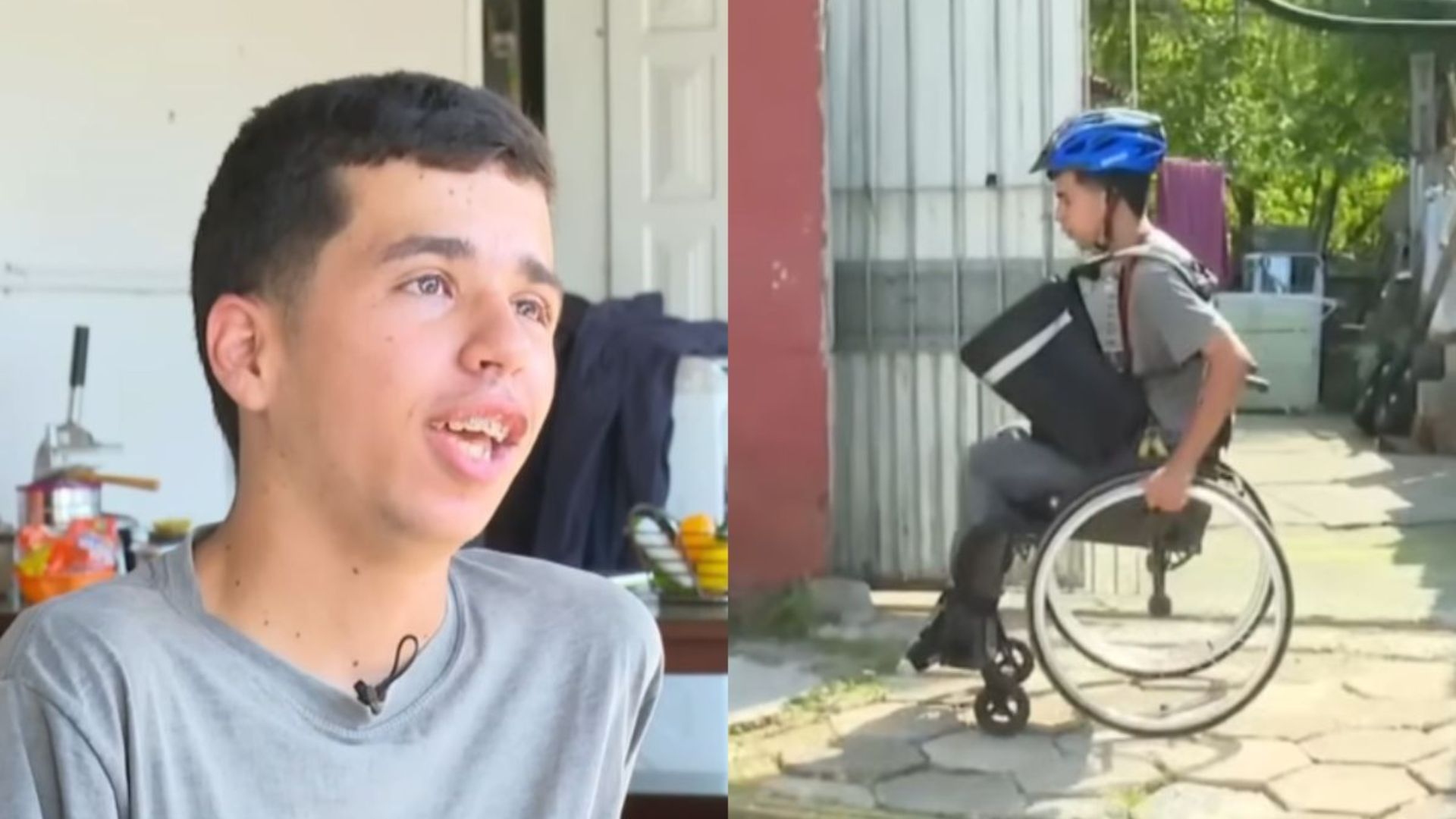
Adapted routine, financial autonomy, and impact on social media transform the story of a young deliverer into an example of work and urban mobility, with direct impact on income after donation of a motorized tricycle.
Samuel Soares Araújo, 19 years old, gained prominence on social media by showing his routine as an app deliverer in São José, in Greater Florianópolis, using a wheelchair to move around.
The first video about his work was published on March 5, and the response ended up increasing the visibility of his story and bringing a practical change to his activity: the donation of a motorized tricycle.
How the delivery routine began in São José
The journey caught attention because the young man adapted the delivery dynamics to his own reality and began documenting his daily life on the streets, without treating his mobility limitation as an impediment to entering the market.
-
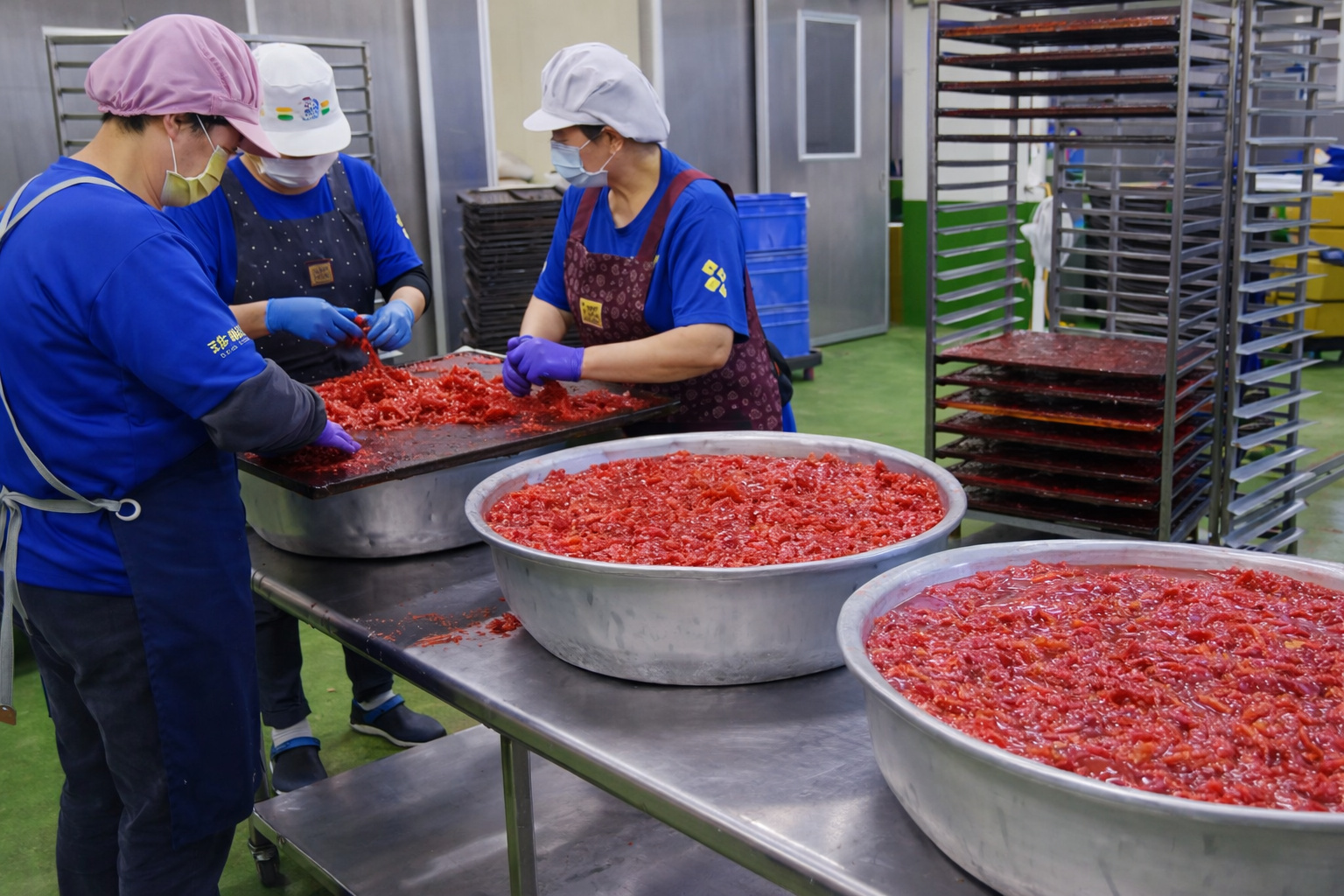
With a production of 3000 kg per day, a dried pork factory in Taiwan uses few machines, slow cooking, and manual labor to maintain quality standards in the food industry and flavors valued by consumers.
-
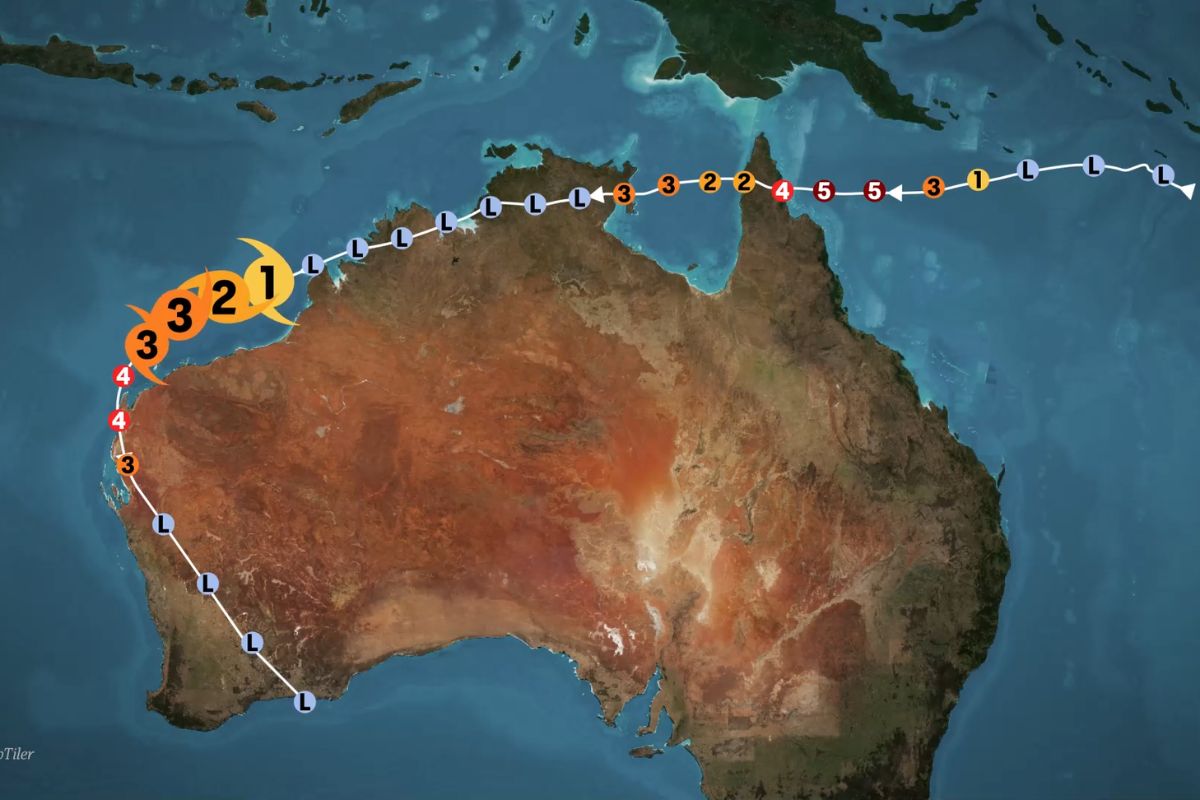
Cyclone Narelle swept through northern Australia with winds of 200 kilometers per hour, destroying crops, homes, and marine life, but what came next was even more surprising: an entire community took to the streets to help strangers.
-
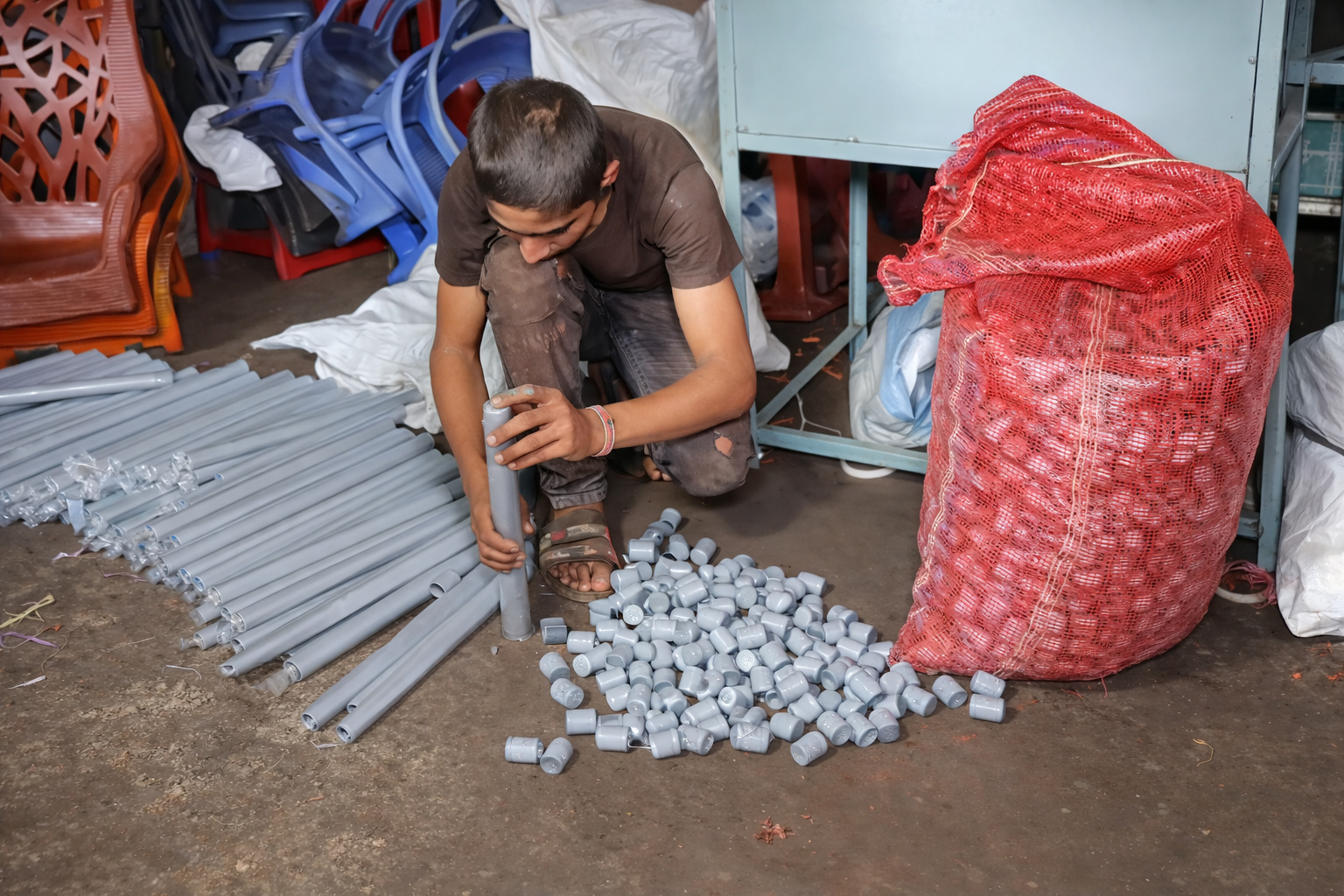
Factory produces durable plastic chairs using plastic bags, transforming waste into long-lasting furniture, and the industrial process demonstrates efficiency and sustainability.
-
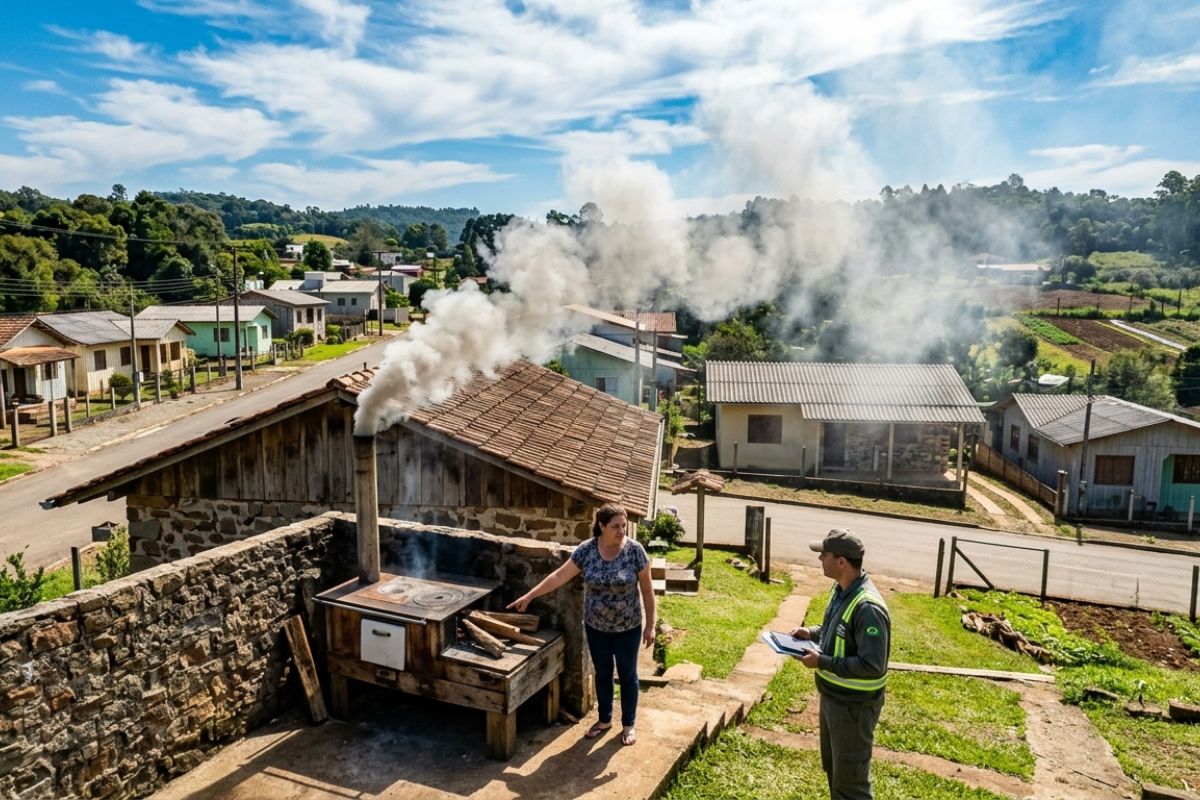
Fine of up to R$ 10,000 for wood stoves? Yes, but it’s not a crime: excessive smoke, burning trash, and urban use can lead to fines, and the rules change depending on the local inspector.
In an interview aired by NDTV Record, Samuel reported that he started working through an app after observing how the waiting points and the most used routes by deliverers in the region functioned.
It was during this observation process that he decided to seek information directly from those already in the activity.
He mentioned that he approached a deliverer to ask where there were more chances of getting calls and received the indication to stay in the Kobrasol neighborhood in São José, a point that became part of his routine from the beginning of his work.
This decision gave him a practical reference for circulation and helped organize a shorter radius for the rides.
Limit of 1 km and average deliveries per day

Before going viral, Samuel had already understood that he would need to adapt the service to his own physical conditions and the available urban structure.
Therefore, he limited his trips to routes of up to 1 kilometer, a strategy that made movement possible with the wheelchair and, at the same time, allowed him to maintain some predictability about the time of each delivery.
Within this framework, he managed to make approximately six deliveries per day, a number reported by the young man himself in interviews that brought attention to the case.
Own income and independent life in SC
The routine gained even more weight because the work was not presented by him as an occasional activity.
Samuel lives alone and uses the income from deliveries to help pay household expenses, which transforms each ride into a direct part of maintaining financial autonomy.
This fact appears as one of the central points of the story, as the activity combines income generation with personal independence in a context of concrete mobility challenges.
For almost ten years, Samuel has used a wheelchair to move around due to a malformation in childhood, information he also reported during the interview.
Adaptation and perception about work
When commenting on the beginning of his experience as a deliverer, he stated that he knew, albeit generally, the logic of work on the platforms and saw the possibility of adaptation.
His assessment was that the mode of transportation did not need to be treated, automatically, as an absolute barrier to performing the function.
In one of the statements that circulated the most on social media, Samuel compared his own case to that of deliverers who make rides by motorcycle, car, or bicycle and said he believed it could be “the first time” someone performed this type of service using a wheelchair.
Donation of tricycle and impact on income
The national response to the story produced an immediate effect on working conditions.
After the videos began to circulate more strongly, Samuel received the donation of a motorized tricycle, equipment that, according to him, should increase operational capacity in deliveries and also facilitate movements in daily life.
The gain is not limited to comfort: the main expectation mentioned by the young man is to be able to cover more routes in less time and, with that, increase his income potential.
The change of equipment represents, in practice, an important transition between a work model limited by the physical strength required for manual movement and another with greater territorial reach.
While the wheelchair imposed the need to restrict rides to very short distances, the tricycle tends to open up room for more orders and a less exhausting logistics.
Samuel himself summarized this perspective by stating that the new vehicle should serve both to make more deliveries and to facilitate daily life outside of work.
Impact on social media and national visibility
The case also gained strength by bringing together elements that rarely appear together in news about app work: youth, physical disability, domestic autonomy, and direct exposure of daily life on social media.
Instead of emerging from an institutional campaign or a planned action by third parties, the story was presented by the deliverer himself, starting from the record of the first day and the continuity of the posts, which helped transform an individual experience into a topic of broader reach.
At the same time, the episode highlights how concrete mobility solutions can quickly alter the working capacity of those who depend on movement to generate income.
In Samuel’s case, the initial limit of up to six daily deliveries within a short radius was directly linked to the material conditions available at that moment.
With the tricycle, the trend indicated in the reports is an expansion of circulation possibilities, although a new average volume of deliveries after the equipment change has not yet been disclosed.
Samuel began to be recognized on social media precisely for exposing this routine without turning his own condition into abstract discourse.
What appears in the information published so far is a young man who observed the functioning of an activity, sought guidance from those already on the street, defined a route compatible with his own mobility, and transformed work into a real source of income.
The visibility came later, driven by a daily life that had already been underway since the beginning of March.





Seja o primeiro a reagir!