





 Portuguese
  English
  Spanish
  5 min of reading
  0 comments


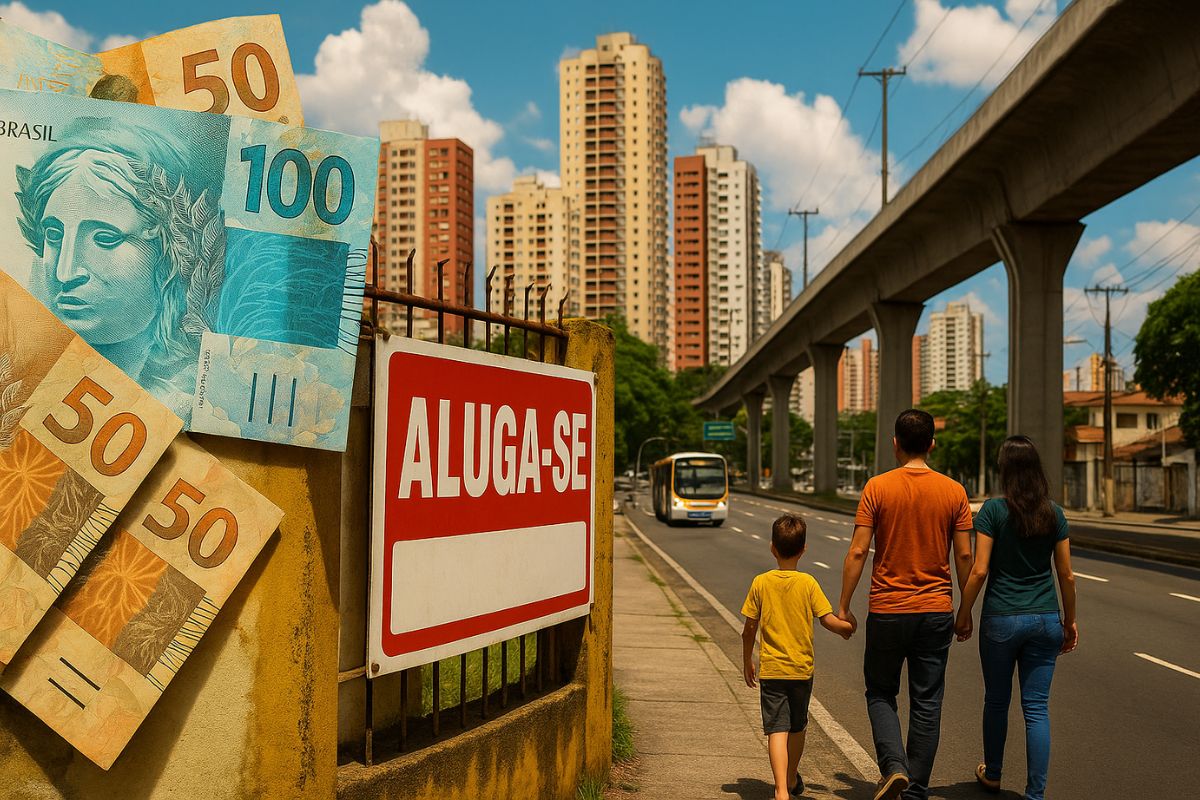
Survey Shows 10 Brazilian Cities With Average Rent Above R$ 3,000 for a Standard 65 m² Apartment, Highlighting the Direct Impact on the Budget and the Displacement of Residents to Peripheral Areas.
The Brazilian cities most pressured by the rental market are experiencing a cycle of rising prices that reshapes urban geography. The increase in rent, above incomes and general inflation indices, is driving families out of central areas and imposing longer and more expensive commutes for work and services.
The phenomenon is not isolated. It results from a set of forces: expensive housing credit, limited supply of well-located properties, financialization of housing, and the consolidation of a country with a growing base of tenants. In the Brazilian cities analyzed, it is increasingly common to turn to neighboring neighborhoods as an immediate solution, with long-term social and economic effects.
Why Rent Is Skyrocketing in Brazilian Cities
The recent dynamics combine heated demand and insufficient supply. When financing becomes difficult, more families stop buying and migrate to renting.
-
Brazilian city bets on the business environment to generate jobs and attract investments in the energy sector — secretary reveals strategy at Macaé Energy 2026.

-
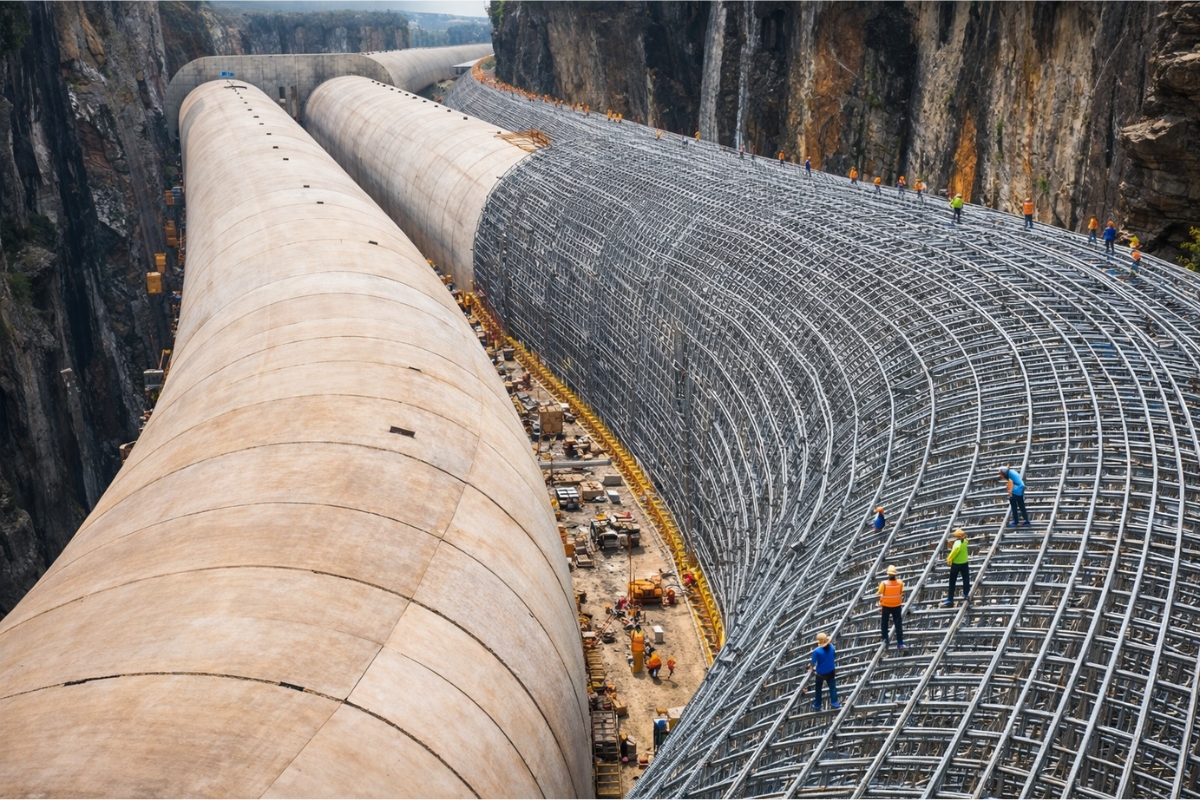
50 viaducts, 4 tunnels, 28 bridges, and 40 kilometers of bike paths: BR-262 in Espírito Santo will receive 8.6 billion reais for the largest engineering project in the state’s history, inspired by the Immigrant Highway in São Paulo.

-
Brazil produces too much clean energy and doesn’t know what to do with it: over 20% of solar and wind capacity was wasted in 2025 while investors flee and 509 renewable generation projects were abandoned in the last year.

-
Piauí will produce a new fuel that replaces diesel without needing to change anything in the truck’s engine and reduces pollutant gas emissions by half: truck drivers from all over the Northeast are already celebrating the news that will arrive later this decade.


This increases competition for a few properties with good infrastructure, raising prices and narrowing alternatives for those with average incomes.
Another factor is the concentration of jobs and services in specific hubs.
The more opportunities a city offers, the greater the pressure on central neighborhoods well-served by transportation, schools, and healthcare.
Without corresponding new supply, the price per square meter for renting continues to rise persistently, pushing residents to peripheral zones or neighboring municipalities.
The Ranking: 10 Brazilian Cities Above the R$ 3,000 Limit
The reading below considers a 65 m² apartment as a family reference.
The snapshot highlights Brazilian cities where the estimated monthly rent already exceeds or nears the mark of R$ 3,000, with an emphasis on cases of very rapid increases.
- Barueri (SP): about R$ 4,252 per month for 65 m², driven by Alphaville and a strong corporate presence.
- São Paulo (SP): around R$ 3,743, reflecting the overvaluation of business and services areas.
- Recife (PE): approximately R$ 3,572, with qualified demand in structured neighborhoods.
- Florianópolis (SC): close to R$ 3,573, following the tech hub and appeal for quality of life.
- Santos (SP): around R$ 3,559, combining port, education, services, and geographic limits to growth.
- Rio de Janeiro (RJ): about R$ 3,400, with a valued coastline and effects of gentrification.
- Belém (PA): around R$ 3,369, influenced by recent events and investments.
- Brasília (DF): close to R$ 3,240, with limited supply in the Pilot Plan and high income from public servants.
- Salvador (BA): an estimate near R$ 2,874, but with explosive annual increase that approaches the R$ 3,000 mark.
- Campinas (SP): about R$ 2,708, included due to rapid appreciation and proximity to the limit.
Domino Effect: When the Center Becomes Expensive and Residents Are Pushed Out
The direct consequence of rising costs is the change of neighborhood. Families leave central regions and seek peripheries with adequate space and rent they can afford.
This movement increases demand in neighboring rings, which also start to rise in price, replicating the problem in waves.
In the medium term, this results in socio-spatial segregation. Those working in job hubs must face longer commutes, impacting time, cost, and quality of life.
The city fragments, and opportunity begins to depend on where one can afford to live, not just professional qualification.
Urban Profiles: What Lies Behind the 10 Most Expensive Brazilian Cities
In Barueri, the standard of high luxury and corporate in Alphaville distorts the municipal average and inflates rents.
Outside this enclave, traditional neighborhoods struggle to keep up with the new level, and the long-time resident loses competitiveness in their own municipality.
In São Paulo, the engine is the metropolitan concentration of jobs. Business and services neighborhoods form a belt where the price per square meter for renting skyrockets, and the return of properties for financial reasons opens up space for more expensive new contracts, feeding back into the surge.
In Rio de Janeiro, pressure occurs on two axes. The consolidated coastline maintains historically high prices, while popular areas undergo rapid gentrification, with the arrival of new profiles and population turnover. The result is displacement and loss of community ties.
In Florianópolis, the advancement of the technology ecosystem and the arrival of high-income professionals face physical limits to expansion.
The clash between local salaries and the new rent level pressures essential service workers, who migrate to more distant neighborhoods.
In Recife and Salvador, the qualified demand in structured neighborhoods, combined with very strong annual appreciation rates, accelerates the displacement of families to areas with less infrastructure.
Santos replicates this logic with geographic restrictions and the dynamism of the port, maintaining low vacancy rates.
In Brasília, the combination of public sector income and restricted urban fabric compresses supply in valued regions, resulting in high and stable rents. Belém enters the pressure map due to investments and events that anticipate appreciation, with immediate repercussions on the rental market.
The Human Cost of High Rent in Brazilian Cities
The displacement is not just a change of ZIP code. It involves breaking support networks, changing children’s schools, altering healthcare routes, and increasing transportation costs.
Available income decreases and daily life becomes more expensive, even if the rent itself seems “affordable” at first glance.
There is also a silent effect: forced sharing, insufficient space for needs, and loss of housing quality.
When the budget does not balance, the solution is often to reduce space or accept older and less efficient properties, which raises energy and maintenance costs.
How Families Defend Themselves and What to Observe Before Signing
One approach is to negotiate adjustments and compare bordering neighborhoods with good transportation connections. Trains, subways, and bus corridors shorten the opportunity cost of living farther away.
An additional approach is to anticipate contract renewals and map the market’s upturn cycles to avoid surprises.
In analyzing the property, prioritize natural lighting, cross ventilation, and building maintenance. These factors reduce monthly costs and improve comfort, avoiding the “false economy” of seemingly cheaper rents that require recurring extra expenses.
Three key areas are decisive: expanding the supply of affordable housing in well-served areas, organizing the short-term rental market to avoid reducing long-term stock, and investing in mobility to shorten commutes for those pushed far from jobs.
Without these actions, Brazilian cities will continue to entrench inequalities, and rent above R$ 3,000 will remain a barrier toアクセス to regions with better infrastructure and opportunities.
Which of these Brazilian cities do you see changing the fastest due to high rent, and where is the practical solution: negotiate, change neighborhoods, or rethink space? Share in the comments and bring your experience to the debate.







Seja o primeiro a reagir!