





 Portuguese
  English
  Spanish
  3 min of reading
  0 comments


Discover How the Strangest Farms on the Planet Are Revolutionizing Production with Advanced Technology, Extreme Environments, and Innovative Models That Challenge Traditional Agriculture.
The strangest farms on the planet have ceased to be mere curiosities and have come to symbolize a shift in the way food and resources are produced.
In different countries, ventures located in unlikely places and supported by intensive technology are reshaping classic agricultural concepts.
What once relied almost exclusively on favorable weather and fertile soil is now supported by innovation, environmental control, and high-value-added strategies.
-
A thermal block costing only R$ 0.40 catches attention by reducing heat by up to 80% using recycled styrofoam, a common kitchen ingredient, and a manual technique capable of producing 50 blocks from a single bag of cement.

-
The item in the house that consumes the most water is not in the kitchen; it is in the smallest room of the house and can account for up to 30% of the expenditure on its own.

-
While Argentina relies on the USA to provide communications, data transmission, and electronic warfare for the F-16, Brazil is accelerating with the Gripen and integrating the Link-BR2, a national technology that strengthens air defense.

-
The daily shower that seems harmless now worries specialists: a shower uses 6 to 15 liters per minute and is at the center of the water crisis.


Why Are the Strangest Farms on the Planet Multiplying?
The expansion of these initiatives accompanies global challenges. Climate change, limited arable land, and urban growth pressure the productive sector.
In response, projects tailored to local conditions emerge. Additionally, the search for sustainability and economic efficiency drives solutions outside the traditional standard.
In the strangest farms on the planet, sensors, artificial intelligence, and automation replace unpredictable natural variables.
Climate control systems regulate temperature, light, and humidity.
This model allows production in areas previously deemed unviable. Consequently, extreme environments begin to host highly efficient operations.
Production in Unlikely Scenarios
Some examples illustrate this transformation.
In Svalbard, in the Arctic, vegetables are grown despite the severe conditions. Success depends on artificial environmental control.
In the Mediterranean, offshore structures are used for fattening bluefin tuna. The practice ensures standardization and quality.
Meanwhile, in Singapore, urban buildings host vertical fish farms.
Limited space becomes a strategic advantage.
When the Exotic Becomes Economic Asset
Part of the strangest farms on the planet bets on unusual livestock and premium markets.
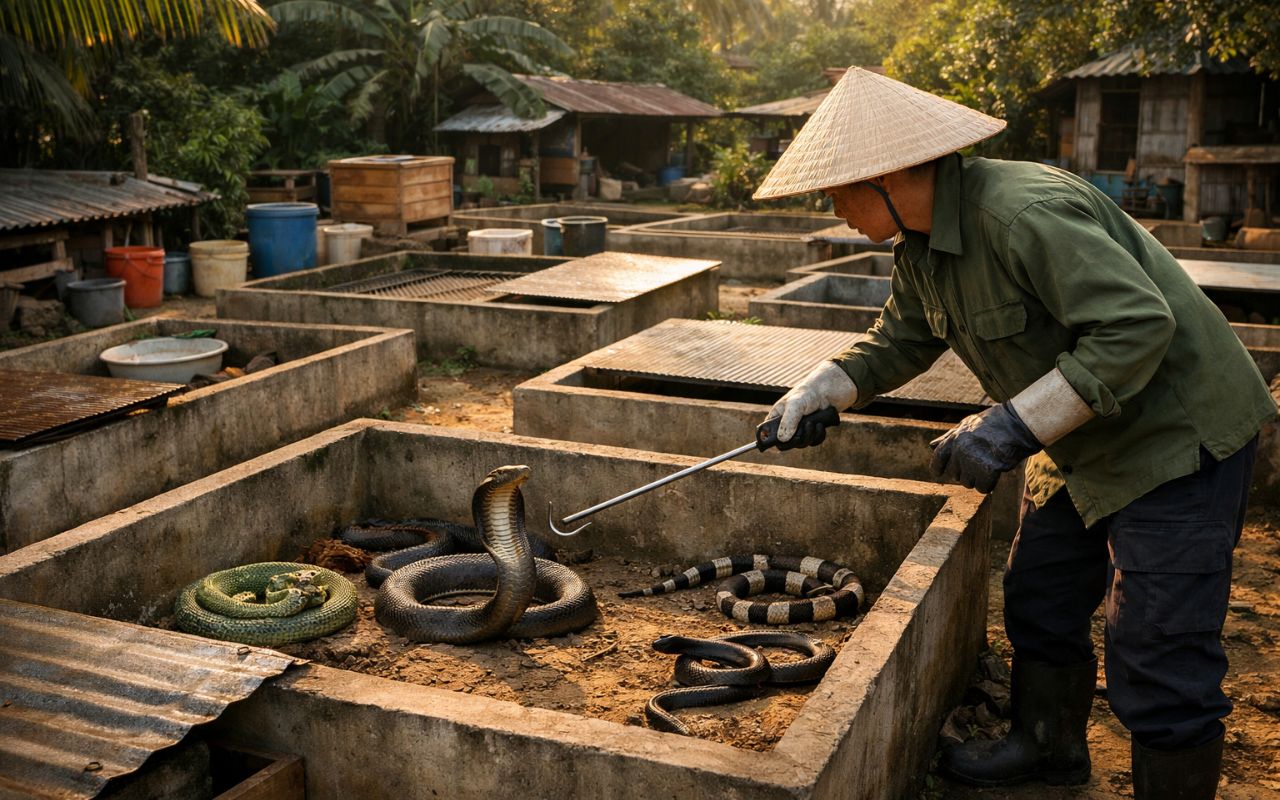
In Thailand, crocodiles are raised for luxury leather and exotic meat. In Vietnam, venomous snakes provide venom for medical applications and scientific research.
In Saudi Arabia, camels participate in beauty contests. Aesthetic criteria significantly increase the value of the animals.
These models show that the unusual can be financially advantageous.
Added Value Compensates for Complex Processes
Many of these ventures operate in highly profitable niches. Instead of competing on volume, they prioritize exclusivity and differentiation.
Thus, long cycles, high costs, and rigorous technical requirements become economically sustainable.
Emblematic Cases Around the World
In Japan, wasabi cultivation occurs in cold, flowing streams, a delicate process that can take years until harvest. The technique relies on extremely controlled environmental conditions.
In Southeast Asia, farms invest in the large-scale production of edible insects. The model meets the demand for alternative protein and more sustainable solutions.
In South Africa, ostriches provide multiple income sources, including meat, leather, feathers, and rural tourism. The strategy enhances the economic value of farming.
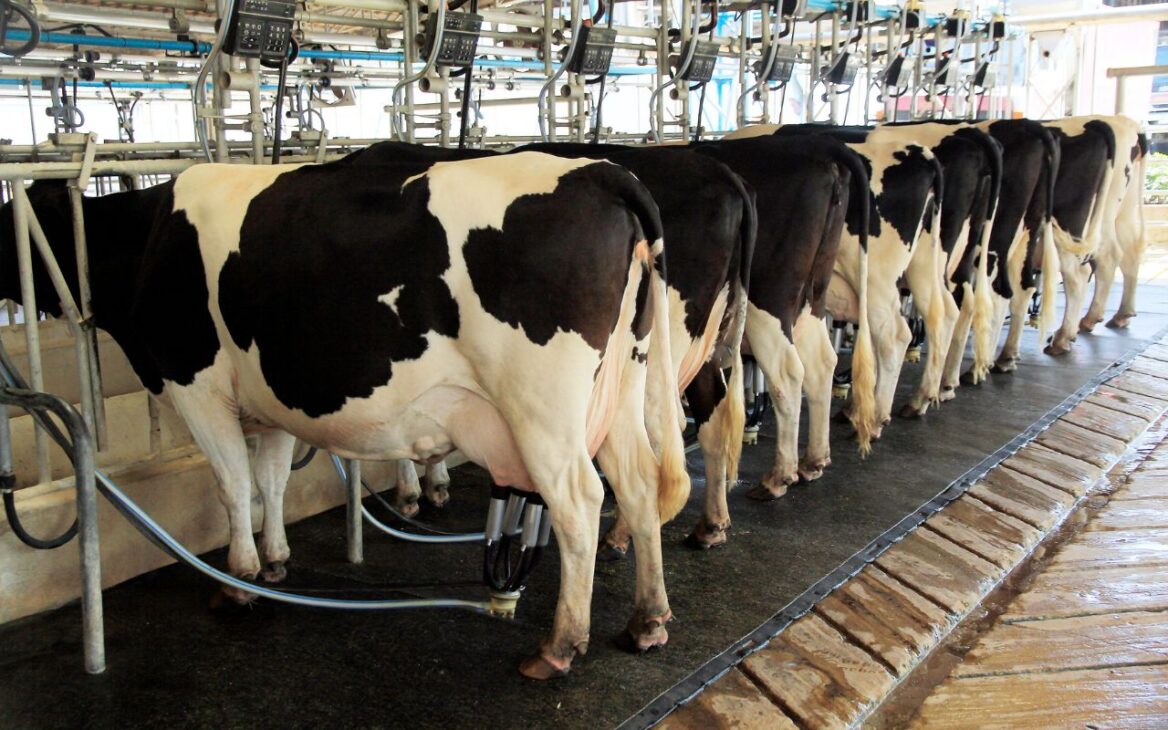
In China, mega dairy farms impress by housing over 100,000 cows monitored by artificial intelligence. The technology optimizes health, feeding, and productivity.
What Do the Strangest Farms on the Planet Reveal About the Future?
These models indicate structural changes. Production ceases to depend solely on nature and becomes designed.
Furthermore, sustainability becomes an economic strategy. Waste reduction, efficiency in resource use, and operational predictability gain prominence.
Although they impress with their unusual character, these farms represent concrete trends.
They combine science, technology, and environmental adaptation.
As global limitations increase, alternative solutions are likely to expand.
The strangest farms on the planet are not extravagant exceptions. They reflect a transforming sector, capable of producing in virtually any environment.
In a world of increasingly contested resources, innovation and creativity cease to be differentiators and become necessities.
Source: O Antagonista









Seja o primeiro a reagir!