





 Portuguese
  English
  Spanish
  4 min of reading
  17 comments





At 102 Years Old, Brazilian Who Swims, Drives, and Manages Two Farms Challenges Science with Rare Vitality and an Uncommon Work Routine for His Age.
In July 2024, the story of Pedro de Souza, a Brazilian aged 102 years, gained national attention following a report by the portal Só Notícia Boa, which detailed the unusual routine of a centenarian who continues to manage two farms, drive, swim, and perform tasks that require physical vigor incompatible with his age. The case began circulating among geriatricians, physiologists, and experts on successful aging, who point to its rarity and clinical impact on individuals over 100 years old maintaining full functional autonomy.
Extreme Routine: Heavy Rural Work and Total Mobility at 102 Years Old
The two farms managed by Pedro are located in the interior of Minas Gerais, where he was born and has lived his entire life. The story caught attention because it is not about someone who merely oversees rural management, but about a centenarian who actively participates in demanding tasks, such as pasture inspection, cattle management, planting supervision, and constant movements between the properties.
Despite his age, Pedro drives his own vehicle, travels rural roads, supervises workers, guides harvests, and makes operational decisions daily. Family members report that he wakes up early and starts activities before sunrise, maintaining a routine similar to when he was 40 or 50 years old.
-
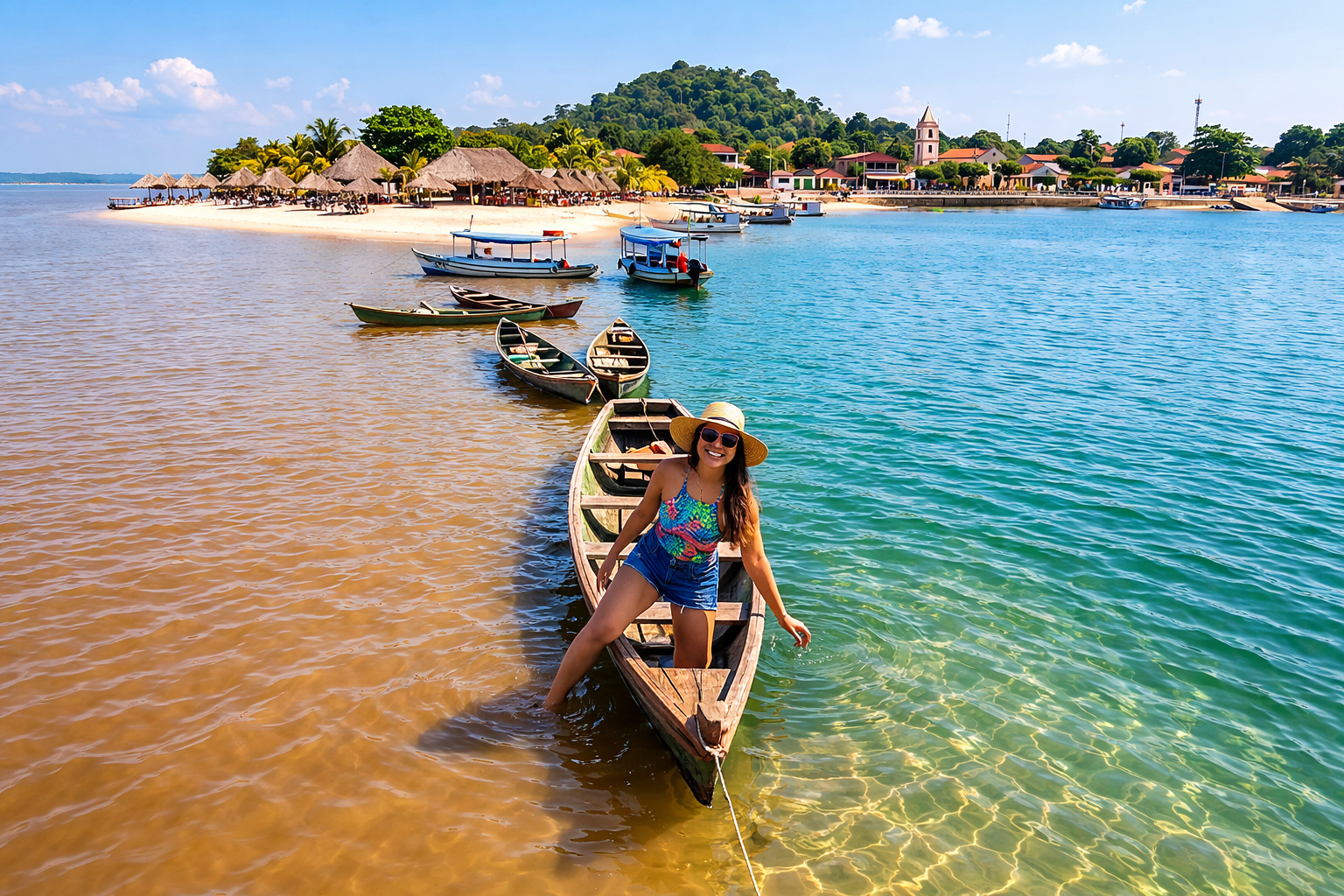
The village where two rivers run side by side without mixing in Santarém and Alter do Chão reveals some of the most beautiful freshwater beaches on the planet.
-
Brazil’s nuclear submarine with a speed 5 times greater than normal advances after nearly 50 years and R$ 40 billion spent.

-
A Brazilian island charges R$ 0.50 to receive visitors and prohibits any new residents.
-
Why was the Great Wall of China built? The truth that many are unaware of!


Geriatricians consulted by the portal that published the report state that such cases fall into the category of “rare functional aging,” a term used for individuals who reach their centenary without significant loss of physical or cognitive autonomy.
Daily Swimming at 102 Years Old: The Detail That Surprised Doctors
According to the report from Só Notícia Boa, Pedro maintains a curious habit: he swims every day, for an average of 30 minutes, in a lake located within one of the farms. The practice began in his youth and continued even after he turned 90.
This detail caught the attention of specialists because swimming requires motor coordination, respiratory control, limb strength, and cardiovascular endurance—areas that naturally decline with age.
At 102 years old, maintaining this habit indicates not only rare health but also preservation of reflexes and balance.
Researchers studying extreme longevity point out that the combination of daily physical activities, simple diet, absence of sedentariness, and an outdoor routine typically appears in the few cases worldwide where centenarians remain fully active.
Rural Management, Active Memory, and Strategic Decisions
Pedro’s case also gained notoriety for the lucidity and clarity with which he still conducts decisions related to the farms. According to family members and neighbors, he monitors the cattle cycle, price fluctuations of supplies, makes purchasing decisions, hires personnel, and participates in the logistics of selling animals.
In interviews, the elderly man demonstrated preserved memory—recalling events from his adolescence and citing dates and numbers accurately. This aspect caught the attention of neuropsychologists, as cognitive decline after the age of 80 is statistically high. At 102, preserving operational memory and decision-making is considered rare and worthy of research.
His profile resembles what research centers call “functional super-centenarians,” a small group worldwide whose members possess physical and cognitive abilities superior to the average among the very elderly.
Life in the Countryside as a Possible Explanation for Extreme Longevity
Pedro’s family attributes his vitality to simple factors: rural routine since childhood, absence of sedentariness, a diet based on home-cooked food, regular sleep, and the absence of harmful habits like smoking or alcohol consumption.
International studies on “Blue Zones,” areas of the planet with a high concentration of centenarians, reinforce that rural environments, a slower pace of life, continuous work, and close family relationships tend to appear as patterns of longevity.
Although there are no specific studies on Pedro, his lifestyle coincides with the main elements found in these regions.
In addition to genetics, experts assert that maintaining meaningful activities—such as caring for animals, interacting with workers, managing properties, and performing daily tasks—contributes to preserving brain functions and slowing degenerative processes.
Similarities with International Cases of Active Longevity
Pedro de Souza’s case gained attention for resembling other international episodes that have been academically studied.
Centenarians who continue to work in agriculture are frequently cited in research from Japan, Italy, and Costa Rica. The difference, according to specialists, is that the Brazilian case involves two farms, diverse tasks, and a daily sporting practice, such as swimming—a rare combination even among those over 100 years old.
This set of elements led physiologists consulted by the press to consider the case “clinically exceptional,” not only due to the age but also because of the multiplicity of preserved abilities.
Science Tries to Understand Cases Like Pedro’s
Doctors studying longevity point out that people over 100 years old who still drive, work, and engage in intense physical activities are important for genetic and healthy aging research.
Such cases help to understand how certain organisms delay inflammatory processes, preserve muscle mass, and maintain good brain oxygenation.
Although there are no formal studies on Pedro, experts assert that he would be an “ideal candidate” for scientific investigations into positive aging.
The story of Pedro de Souza went viral because it contradicts biological and statistical expectations regarding aging. At 102 years old, he represents a living example of how routine, environment, diet, and purpose can influence health over decades.
His case has become a reference for active longevity in Brazil and continues to be observed by specialists and admirers of rural life.







Um homem da ufá, vamos ver 👏👏
Muito interessante,mas gostaria de ver ao vivo e a cores😍
Tá melhor que o corretor ortográfico desse texto, (se existe essa função por aí) que engoliu o i de DIRIGE**