





 Portuguese
  English
  Spanish
  5 min of reading
  15 comments


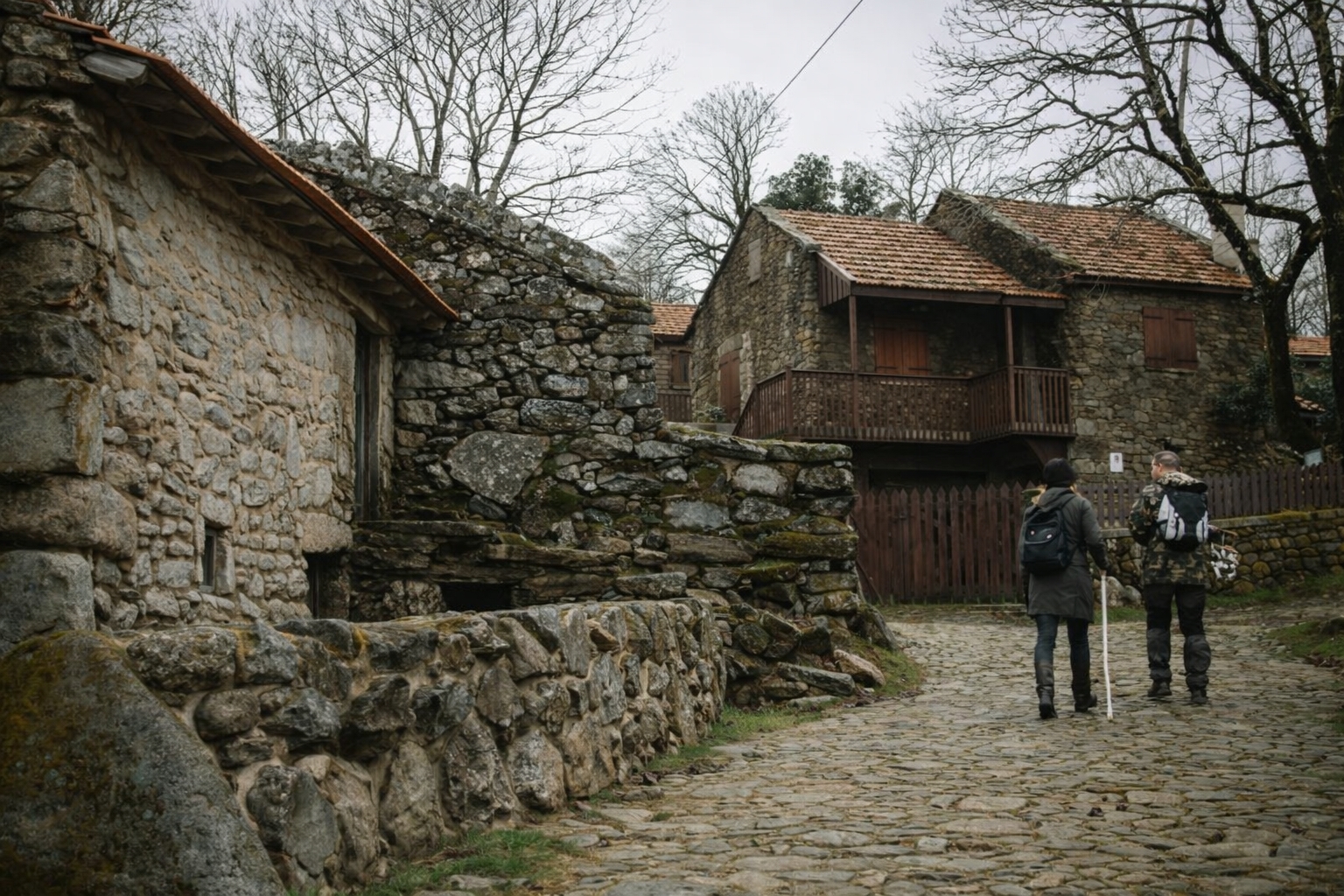


A Historic City 450 Km from Lisbon, in Portugal, Near the Border with Spain, Gains New Accommodations and Attracts Tourists from All Over the World.
A Branda da Aveleira draws attention for a rare detail, there are 105 houses and no permanent residents. The scenery is in the far north of Portugal, nearly at the border with Spain, in a mountainous area.
The place is part of the territory of the municipality of Melgaço and is integrated into the Peneda Geres National Park. The landscape combines stone houses, rivers, and trails, with a proposal that gradually grows, tourism in restored ancient buildings.
Branda da Aveleira Is a Historical Settlement of Uninhabited Houses in Europe
Branda da Aveleira is a historical settlement of uninhabited houses that has been virtually abandoned for a long time. Many buildings fell into ruin, without regular use and without permanent residents.
-
A Brazilian millionaire couple restores a farm over 150 years old in the interior of São Paulo and transforms the historic property with Portuguese tiles, antique furniture, and new spaces into a refuge that blends tradition, comfort, and sophistication.
-
Submerged city in a lake in Minas reveals intact streets, preserved vehicles, and houses after more than 60 years, impressing divers.
-
Yellowstone has started to rise again in an area of the caldera, and the movement rekindles fears surrounding the U.S. supervolcano, as scientists monitor the deformation and try to understand what is happening underground.
-
Woman arrested after receiving $1.2 million due to banking error and not returning the amount.


Nonetheless, the location preserves a striking visual, with stone, nature, and absolute silence. The experience of spending the night there is notable because it completely changes the pace for visitors.
The contrast is direct; outside, the houses seem simple and rustic; inside, some have been adapted for tourists with more comfort.
How the Tradition of Brandas Began in Portugal
The functioning of a branda is linked to an ancient phenomenon called transhumance. The practice involved the seasonal migration of shepherds and their flocks throughout the year.
During the cold periods, the rural population stayed in lower areas, in villages known as inverneiras. With the arrival of spring and summer, the shepherds moved with their cattle and goats to higher and milder zones.
The exchange had a practical purpose, to take advantage of abundant pastures in the highlands and free the fields of the inverneiras for various crops. When the cold returned, the descent happened again, becoming an annual tradition.
The Stone Cardenas That Crossed Centuries
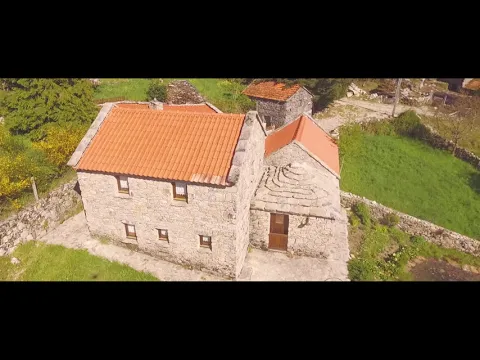
One of the most curious points of Branda da Aveleira are the cardenas, small houses that average 9 m. They are believed to have been built around the year 1100, at a time when shelter made a difference at the mountain’s peak.
The construction took advantage of the abundance of stone in the region, using schist. These dwellings ended up being reused over time, including by shepherds during the summer period.
The result is a structure that remains standing and preserved, helping to tell the local story, with marks of a way of life that changed over the centuries.
What Changes in Practice for Those Who Want to Visit
The transhumance is no longer a common practice, but tourism has advanced in Branda da Aveleira. There are efforts to transform the place into a peculiar tourist attraction, with adaptations of the cardenas into accommodations.
Today, of the 105 houses, 12 can be rented by tourists. There is an expectation of more units entering the route, with indications that there may be an additional “half dozen” next year.
The accommodation provides a different experience, silence, peace, and the feeling of being in another world, with sounds of birds and animals with bells, without city noise.
How Accommodation Works Inside the Houses
Some restored houses have names linked to plants, such as Casa da Oré and Casa do Castanheiro. The proposal is to maintain the traditional appearance outside, but offer a more welcoming structure inside.
There’s a description of ancient use in two levels, with animals on the lower level and the shepherd above. Over time, adaptations brought internal areas more aligned with tourism, including a living room and bedrooms.
The contrast often surprises; the stone walls and schist architecture conceal a more comfortable interior for the visitor.
Trails, Lagoons, and Nature in Any Season
The region offers trails amid nature, with routes of various distances. There are paths of 3 to 4 Km for those seeking something lighter and trails of up to 20 km for those with more experience.
The routes start from the area where the accommodations are located and lead to areas inaccessible by vehicle, which enhances contact with the local fauna and flora. Some trails reach lagoons and waterfalls, with opportunities for swimming in cold waters.
Altitude influences the water temperature, which is usually flowing and always fresh. The entry can be the most challenging part, but afterward, the body gets used to it.
Soajo Is 25 Km Away and Holds a Set of 24 Stone Espigueiros
After Branda da Aveleira, the route includes the village of Soajo, reached after traveling 25 Km. The location belongs to the municipality of Arcos de Valdevez and is the seat of a parish, the smallest administrative division of the municipality.
Soajo is 430 Km from Lisbon and is home to around 700 inhabitants. The place is remembered for its streets and houses with preserved architecture and for a tranquil atmosphere linked to rural tourism in the region known as Alto Minho.
One of the local symbols is the set of 24 espigueiros of stone on top of a hill. They functioned as community storage for corn, reinforcing the idea of collective life and agricultural subsistence.
What Are the Rules, Deadlines, and Conditions for Using the Espigueiros
The espigueiros were built around the 10th century, referencing units from 1870. The central function was to conserve corn throughout the year, in a model comparable to modern silos.
The elevated structure had a clear purpose, to prevent rodents. The side gaps helped with ventilation, while the shape and bases made it difficult for animals to access the grain.
The use for storing corn was maintained until the beginning of the 1980s. With the reduction of cultivation, the function was lost, and the structures remained as recognized and preserved heritage.
Poço Negro Is 1 Km Away and Becomes a Highlight in the Region’s Lagoons and Waterfalls
About 1 km from the area of the espigueiros, there is access to Poço Negro, a crystalline lagoon fed by the waters of the Adrao River. The surroundings have granite boulders and abundant vegetation, forming a striking scene.
Poço Negro is noted as the deepest lagoon in Soajo, with significant depth and space for jumps from the top of the stones. In winter, the Adrao River becomes more voluminous and enhances the cascade of cold waters.
The Serra do Soajo also has other lagoons and waterfalls, with names like Poço do Bento and Poço das Canjas, expanding options for those seeking nature and hikes.

Did you already know this surprising destination in Portugal or do you want to visit it now? Tell us in the comments if this city would be included in your travel itinerary and share what caught your attention the most about this silent and history-filled place.





Importante é q a exploracao turística da região não destrua a autenticidade.c
Quero visitar, achei um espetáculo, gosto muito da natureza, fazer caminhadas caminhadas ao ar livre, esse lugar me facinou
Toda a região do Minho é simplesmente espetacular. Bom saber que estao tentando melhorar a área com turismo sustentável, gerando riqueza para o município e conservando a parte histórica.