





 Portuguese
  English
  Spanish
  3 min of reading
  6 comments


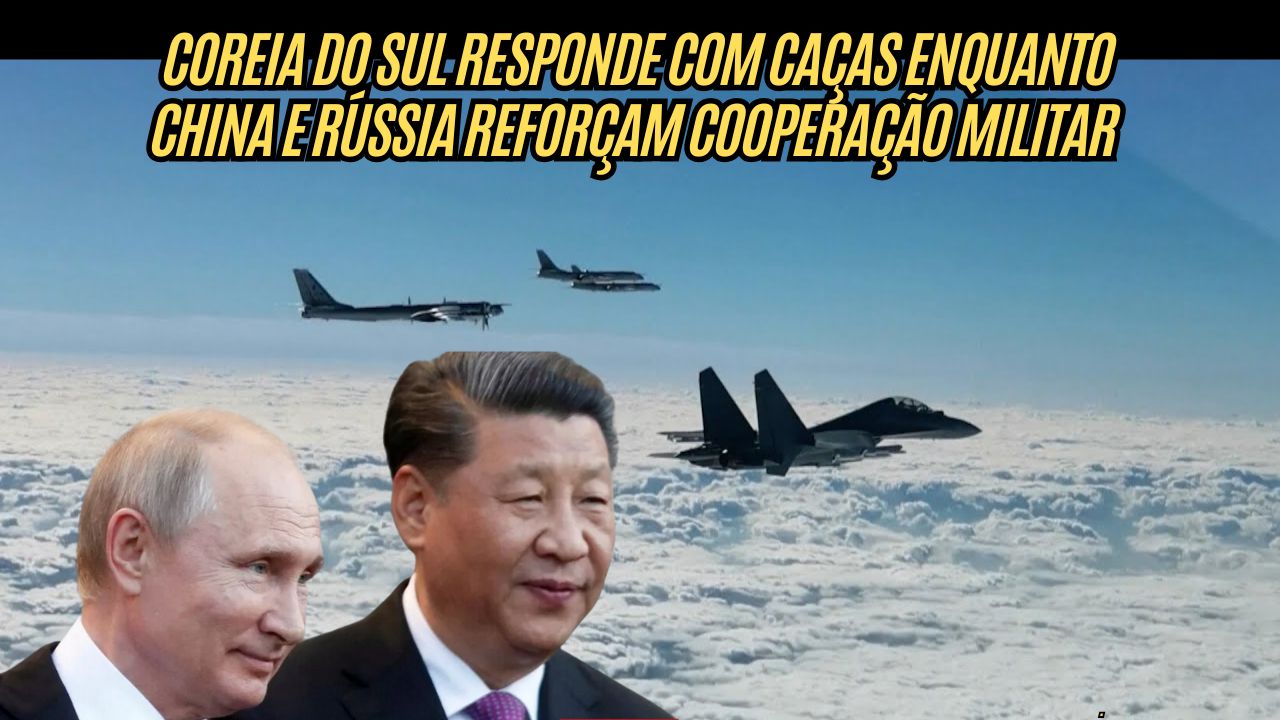


China And Russia Aircraft Conduct Strategic Aerial Patrol Over The Sea Of Japan. South Korea Mobilizes Fighters After Detecting Military Movement In The KADIZ
South Korea deployed its fighters on Friday (30) after detecting aircraft from China and Russia flying over the Air Defense Identification Zone (KADIZ) during a strategic aerial patrol over the Sea of Japan. The move marks the ninth joint operation between the two countries since 2019, as part of an annual military cooperation plan, according to the Chinese Ministry of Defense.
The South Korean military identified five Chinese aircraft and six Russian aircraft entering the KADIZ without prior warning. Although it is not territorial airspace, identification zones like the KADIZ exist to prevent accidental conflicts, requesting that foreign aircraft identify themselves when approaching.
The South Korean Air Force responded with “tactical” measures, mobilizing fighters, according to the Yonhap agency. Similar episodes have been recorded previously, such as in June and December of last year, when Chinese and Russian aircraft also entered the KADIZ in joint operations.
-
USA and China compete for Brazil over resources that could be worth trillions — rare earths put the country at the center of a global dispute

-
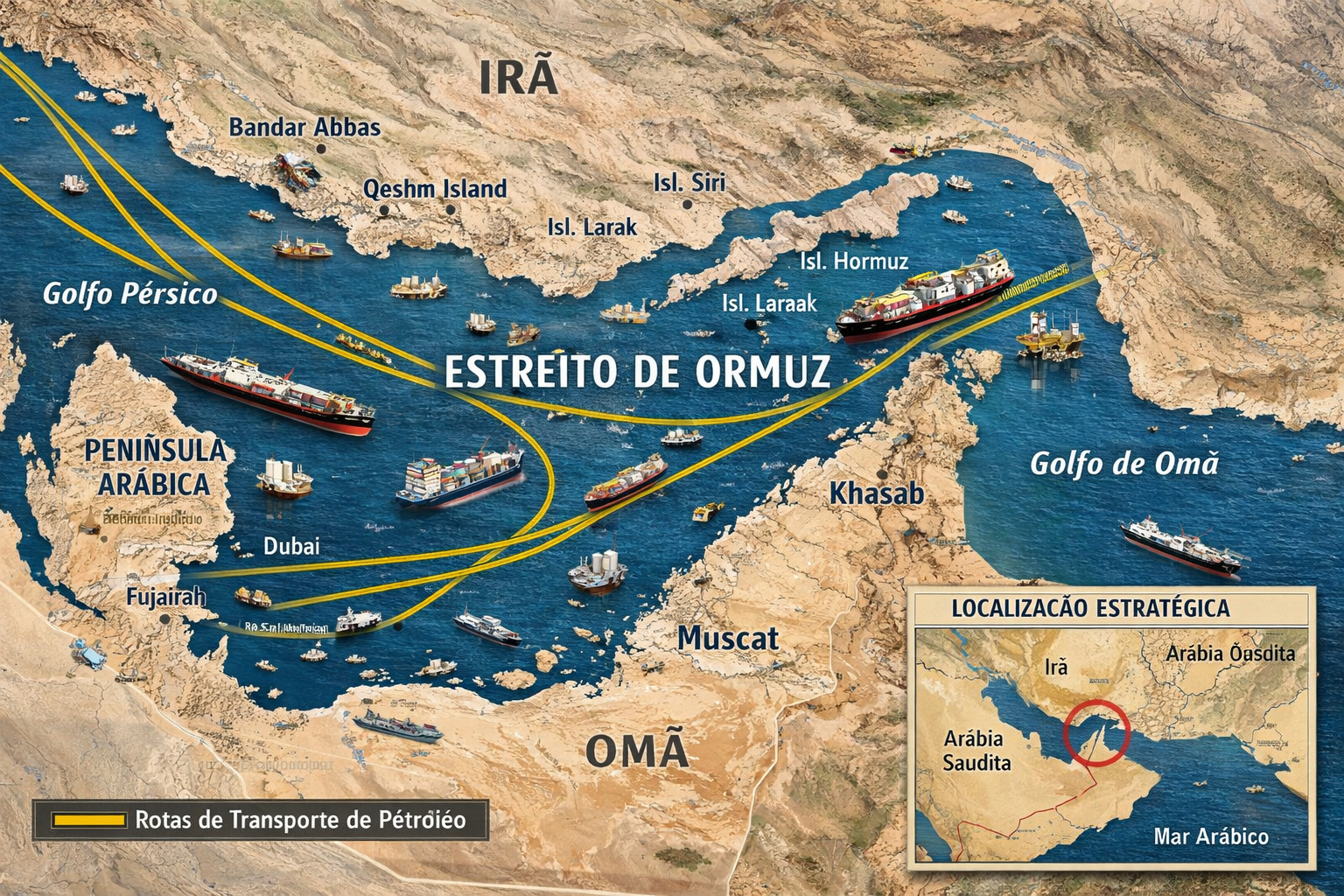
Global summit with over 40 countries pressures Iran for a blockade in the Strait of Hormuz and warns of direct impact on oil, food, and the global economy.
-
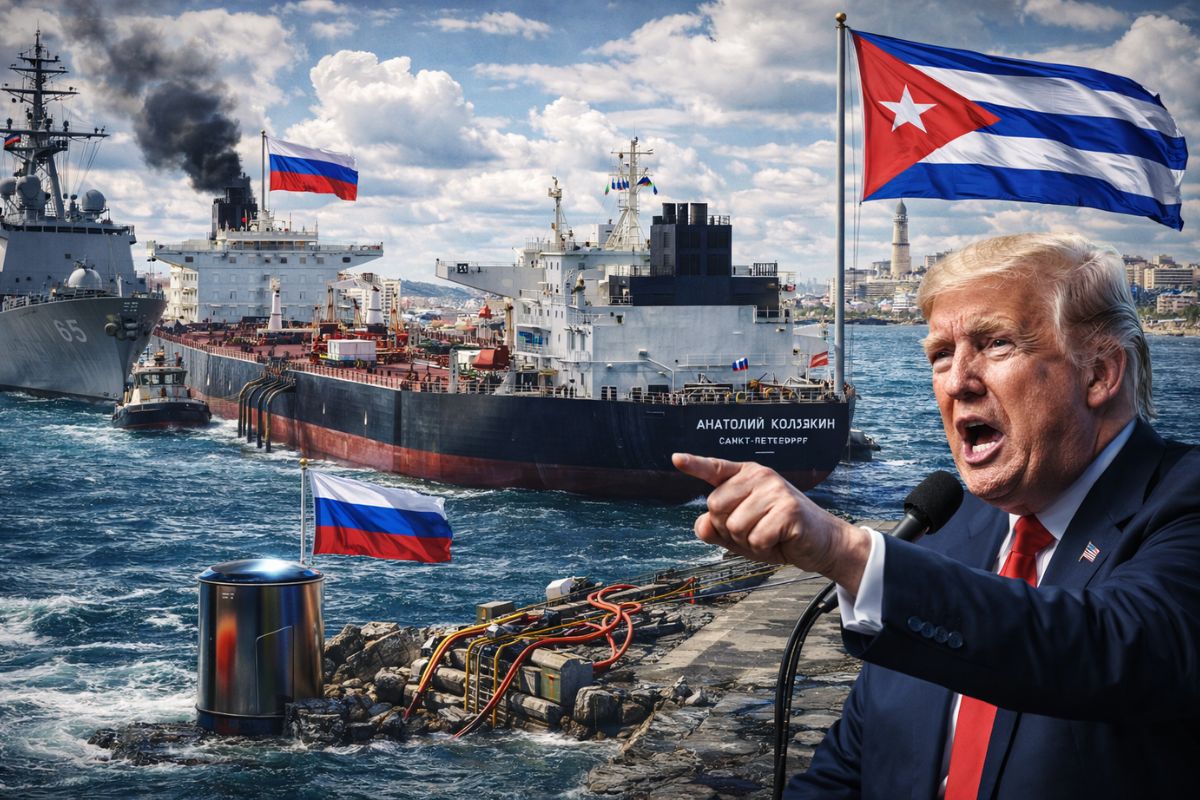
Russia has broken the U.S. maritime blockade to send oil to Cuba and is now loading a second ship while Trump says that “Cuba is next” in a possible military action against the island.
-
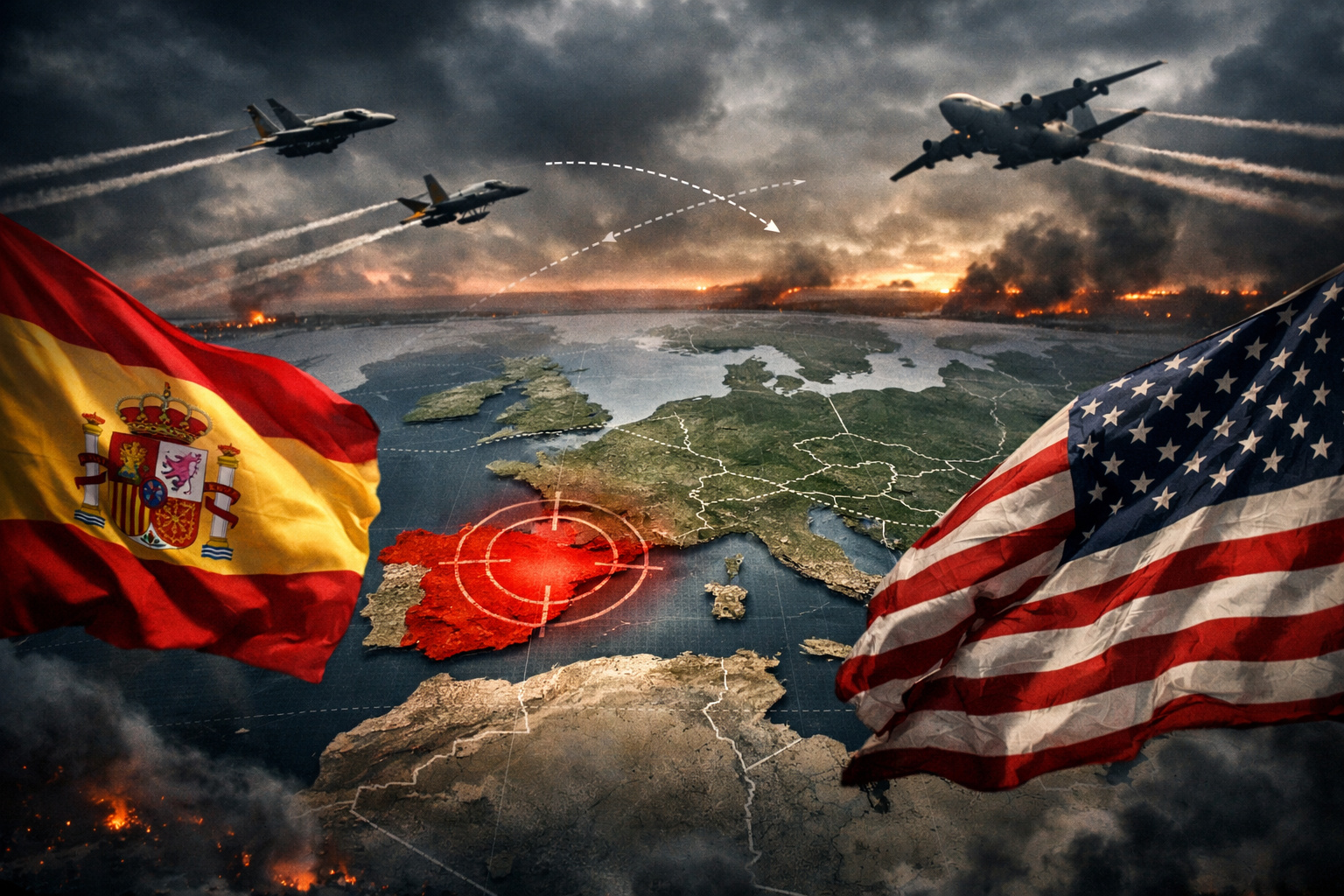
Spain challenges the USA and closes its airspace for operations against Iran, raising global tension and provoking the threat of a trade rupture.

Military Cooperation On The Rise

The military alliance between China and Russia has gained strength in recent years, with frequent joint exercises. In July, the two nations conducted a patrol over the Sea of Japan and the Bering Sea, involving strategic bombers that came close to the coast of Alaska in the United States. Although the airspace used was international, the movements were intercepted by American and Canadian fighters.
In September, the two countries held a large military exercise in the Sea of Japan, focusing on tactical coordination and joint operations. The strengthening of this partnership was also evidenced in October, when China conducted a joint patrol in the Arctic with Russia for the first time.
International Concern Grows
The United States and allies such as Japan and South Korea closely monitor the movements of China and Russia aircraft. Such actions are seen as part of a coordinated effort to expand the military influence of both countries in strategic regions. In August, Japan presented a formal protest after the incursion of a Chinese military aircraft into its airspace.
While China and Russia insist that their patrols align with international norms, the geopolitical context and regional tensions make each movement a point of attention. The Sea of Japan, with its strategic position, remains a stage for disputes and displays of power.








Governantes do mundo parem com essa guerra suicida vamos cuidar do nosso planeta queremos paz.basta de guerras.
É incrível como líderes mundiais priorizam guerras e disputas em vez de unir esforços para proteger o planeta. Nossa paciência está se esgotando!
E vamos fazer o que?
A mobilização de caças sul-coreanos em resposta à patrulha aérea conjunta entre China e Rússia na KADIZ é compreensível, considerando a importância estratégica da região. A ação reforça a cooperação militar entre as duas nações, aumentando a presença militar em áreas sensíveis. A monitoração das operações é essencial para garantir a segurança regional.
O Japão, capacho do seu algoz, USA, acha que manda em águas internacionais kkkkkkkkkkkk, aliado de quem destruiu Hiroshima e Nagasaki com bombas nucleares, que pífio, os japoneses!
Falou tudo !!!