





 English
  Francês
  Alemão
  Italiano
  Japonês
  Norueguês
  Portuguese
  Spanish
  3 min of reading


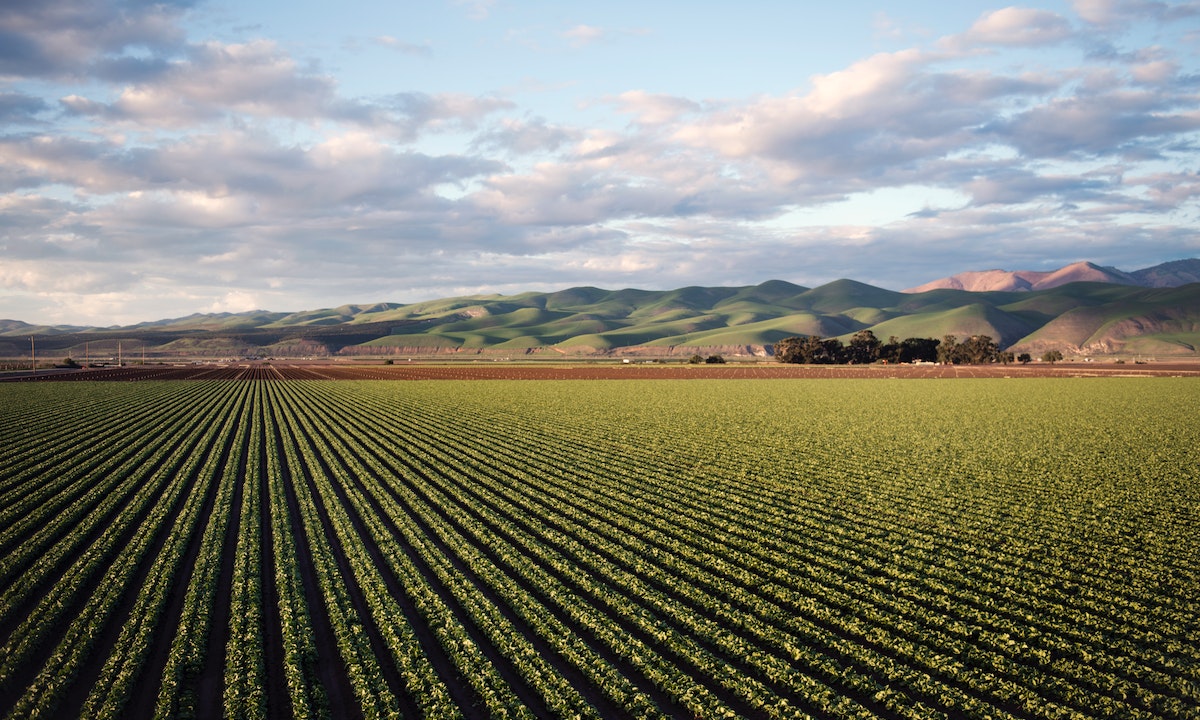
Although It Is a Billion-Dollar Sector, Agriculture Needs Qualified Labor to Fill the Available Job Positions
Even with the presence of an acute crisis, one specific sector has continued to thrive in Brazil: Agriculture. The sector, which is responsible for feeding around 800 million people worldwide, according to a recent study by Embrapa, is one of the pillars of the economy and already accounts for 27% of the country’s GDP. Therefore, Brazilian agriculture is responsible for nearly 1/3 of all the wealth in Brazil, offering various job vacancies every year.
According to Cepea (Center for Advanced Studies in Applied Economics) at USP, in the second half of 2022 alone, more than 19 million people secured a job in Brazilian agriculture. This number represents a 4.6% increase in job openings compared to 2021, which corresponds to 839 thousand new qualified professionals in the agriculture sector.
To give you an idea, Brazil is already in the TOP 1 or 2 worldwide in the production and export of practically all agricultural commodities, such as corn, cotton, soybeans, wheat, sugarcane, coffee, etc.
-
Future profession with immediate earnings: Specialist reveals how a solar energy technician earns R$ 8,000 per month by taking advantage of the explosion in demand across the entire country.

-
Work from 8:30 AM to 5:30 PM with a 1-hour break at Sicredi as a Customer Service Assistant and receive a salary + benefits such as life insurance, dental plan, partnerships, Gympass, and much more in job openings across various states.

-
Subsea7 has job openings: the company has offshore and onshore positions available in 2026 for operators, pilots, supervisors, engineers, and much more.

-
Unimed is hiring candidates with and without experience! More than 10 job openings for Assistants, Analysts, Kitchen Assistants, and much more!


The Lack of Qualified Labor in Agriculture
However, despite being a widely prosperous and profitable sector with opportunities for professional growth and above-average pay, agriculture still faces a significant problem: the lack of qualified labor to fill its job vacancies available.
The shortage of professionals to boost the agriculture market and professionals capable of understanding the reality of the end consumer of the products and who can translate this need into improved productive performance is a rare occurrence lately. A professional with this profile is what companies in agriculture have been seeking in recent years to fill their job openings.
Moreover, online services have also contributed to the automation of production processes, but despite the popularity of digitization, the number of businesses that are already digitalized is only 30% of the total properties. Therefore, there are over 3 million farms that have yet to undergo digital transformation and consequently are operating below their productive potential.
This fact has brought various job opportunities to the labor market, especially for young executives and IT professionals seeking career advancement.
“I felt secure to change sectors because the headquarters of multinational agriculture companies view Brazil as a key player. It becomes easier to bring investments and job opportunities here,” says Pedro Alves, senior planning manager at Yara International, a multinational fertilizer company.
Brazilian companies like Amaggi, Bom Futuro, Coteminas, and CGG claim that the focus now is to professionalize and bring technology to agriculture operations, offering job vacancies in the area.
“We want professionals with ambition to teach us how to establish modern control and management processes,” says Nereu Bavaresco, HR director at Amaggi.
Most Searched Job Vacancies in the Agriculture Sector
Due to the strong automation of processes, according to a study by the German Agency for International Cooperation, the estimate is that, in two years, there will be 32,500 qualified professionals for 178,800 job vacancies in the sector. That is, about 5 job vacancies open for each qualified professional in the market.
Currently, the greatest demand has been for the so-called “Agro Digital Managers,” who are the professionals responsible for understanding the producer’s demands and proposing the most suitable technological solution to address this issue.








Seja o primeiro a reagir!