





 English
  Francês
  Alemão
  Italiano
  Japonês
  Norueguês
  Portuguese
  Spanish
  3 min of reading


Solar Photovoltaic Sector Grows, Generates Around Two Hundred Thousand Jobs and Attracts Investments to Brazil. Points Out ABSOLAR Data
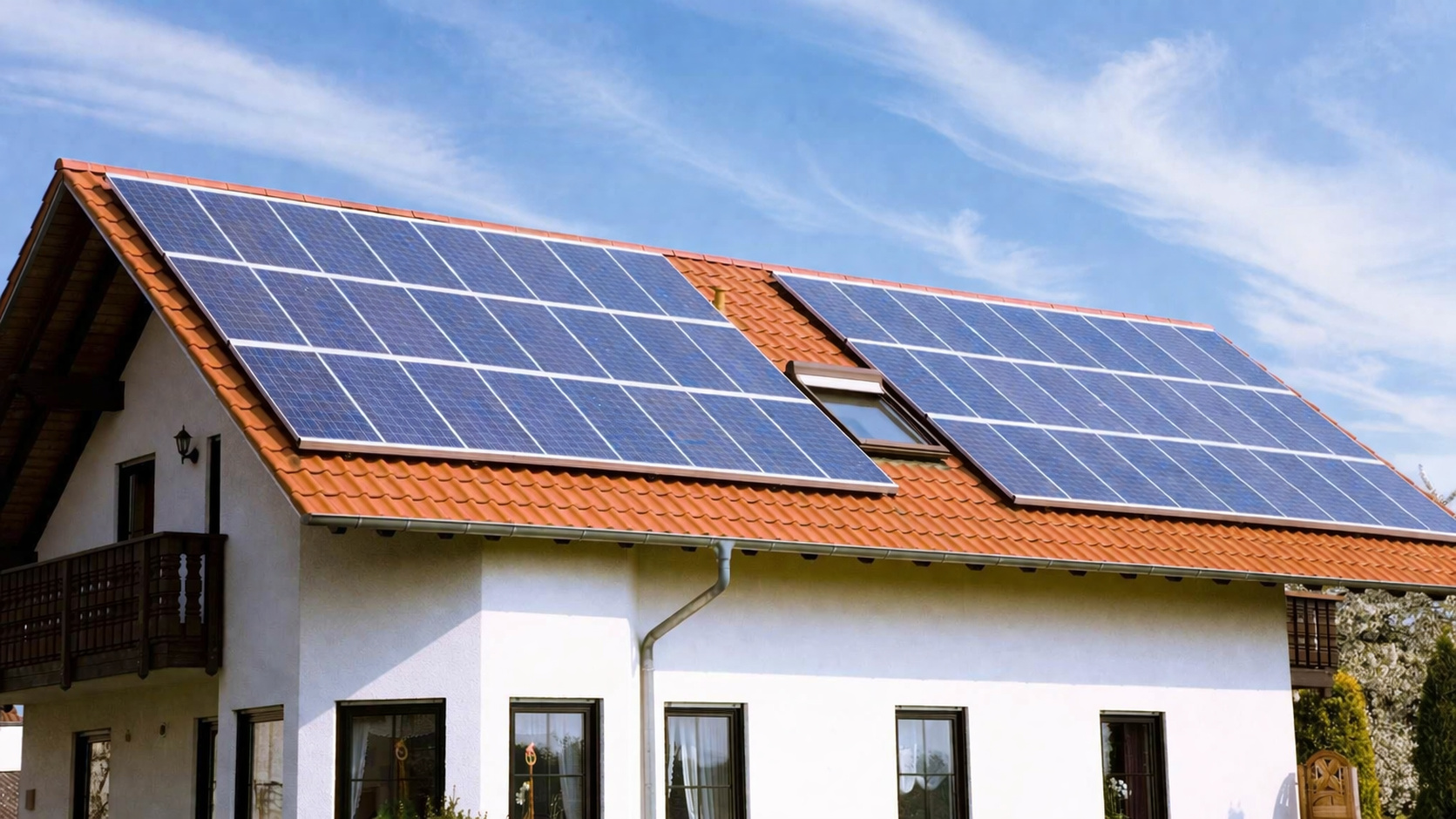
According to the Brazilian Association of Photovoltaic Solar Energy (ABSOLAR), there are currently more than 300,000 distributed generation photovoltaic systems connected to the country’s power grid. In total, there are 3.6 GW of installed distributed generation capacity, responsible for generating two hundred thousand jobs in Brazil. Check out, the solar energy roof tile from Eternit that has been approved by Inmetro and can now be sold in Brazil
Also Read
- Contracts in Macaé, RJ and SP from the oil multinational Baker Hughes demand many job openings today, October 13
- NextEra, the largest global solar and wind energy generator, surpasses the world’s most valuable oil company ExxonMobil in market value
- American Johnson & Johnson inaugurates in SP its first solar power plant in South America
The solar energy source is one of the fastest-growing in the country; since 2012 and even during the pandemic, the sector grew 45% in the first half and generated 47 thousand new jobs. The future is promising but faces factors such as the dollar and logistics. The installations of photovoltaic solar energy are a trend in Brazil and worldwide.
ABSOLAR ensures that the average remuneration of jobs generated by the sector exceeds two minimum wages, above the national average. “The numbers are growing rapidly, and the sector is becoming important for the economy. The total capacity has grown even amid the restrictions caused by the COVID-19 pandemic,” stated ABSOLAR CEO Rodrigo Sauaia during a webinar hosted by Smarter E.
-
Rio Grande do Sul accelerates energy transition: State invests in renewable technologies and consolidates decarbonization strategies and pathways to attract billions in new industrial investments.

-
With 160,000 m² of collectors, an area larger than 20 football fields, Silkeborg, in Denmark, hosts a solar thermal plant that heats 19,500 homes and could become the largest solar heating plant in the world.

-
A study reveals the expansion of renewable energy procurement in Brazil and shows how companies are taking advantage of opportunities to reduce expenses, ensure energy efficiency, and strengthen strategic environmental commitments.

-
Mato Grosso do Sul excels in the sugar-energy sector: the state reaches a milestone of 22 operating mills and accelerates the production of clean energy in MS with a focus on sustainability.


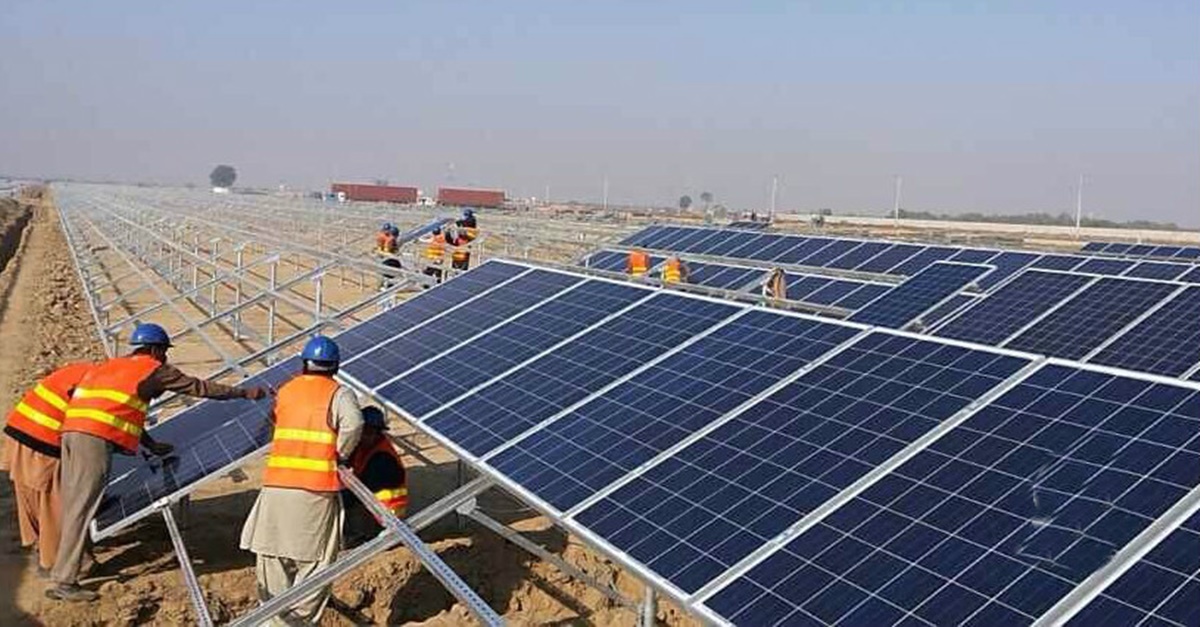
In 2013, the first state auctions for the installation of solar energy plants took place in Brazil, and in 2014, federal auctions occurred for the construction of large-scale plants to serve the population — the largest of them is located in the city of São Gonçalo, Piauí, inaugurated in January 2020.
Cost Reduction
These milestones, although recent, are essential to explain the growth of this renewable energy source in Brazil. Another very important factor for the wallets of entrepreneurs and the general population — which is a consequence of this rapid evolution — relates to the decrease in generation prices, year after year.
In the last 10 years, there has been a drastic reduction of 85% in costs, associated with the slight increase in nationalization of production and government tax exemption programs.
In August, the federal government decided to eliminate the import tax on various solar energy equipment. Import taxes for solar modules are, on average, 12%, while inverters pay tariffs of 14%. The exemption is valid until the end of 2021 and divides opinions among experts.
ABSOLAR also estimates that the savings in energy tariffs for consumers who have distributed solar photovoltaic generation systems contributed to over R$ 4.7 billion reinvested in the economy since 2012.
State Ranking of Solar Photovoltaic Generation in Brazil
According to the latest survey by the association, the state ranking of distributed solar generation is led by Minas Gerais, followed by Rio Grande do Sul, São Paulo, Paraná, and Mato Grosso. In the municipal ranking, the top position is held by Uberlândia (MG), followed by Rio de Janeiro (RJ), Fortaleza (CE), Cuiabá (MT), and Brasília (DF).






Seja o primeiro a reagir!