





 Portuguese
  English
  Spanish
 3 min of reading


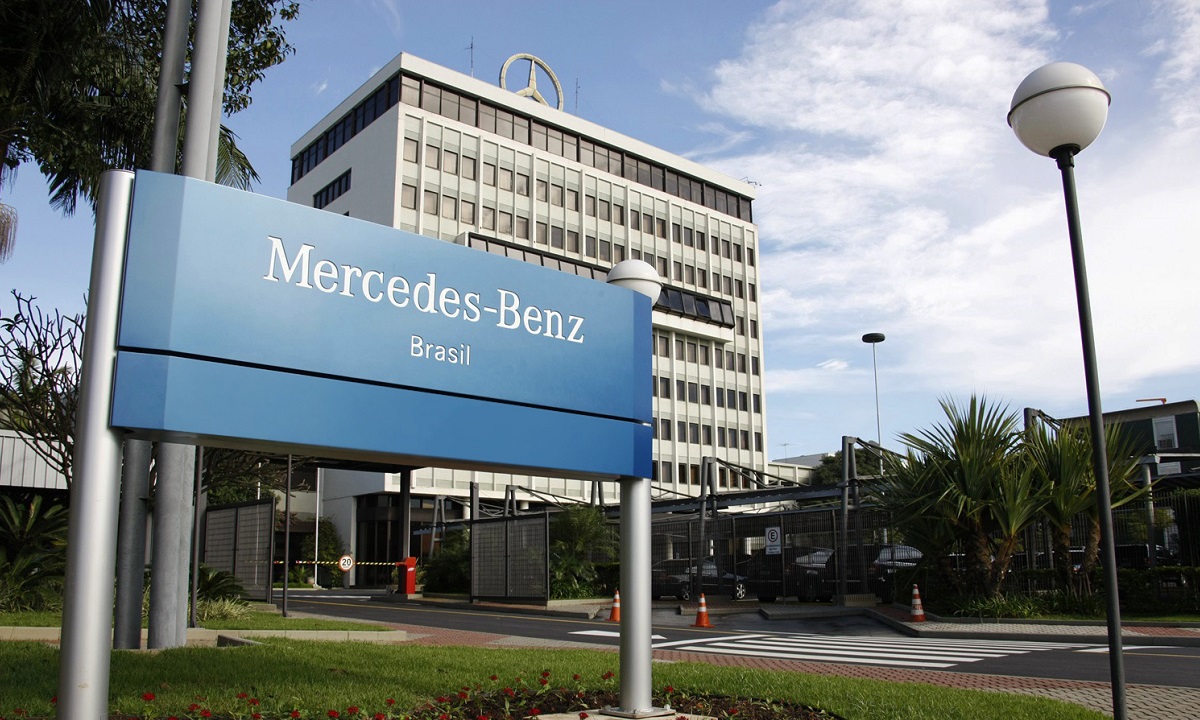
Mercedes-Benz Will Dismiss Approximately 2,200 Workers from the São Bernardo Factory and About 1,400 Temporary Workers Will Not Have Their Employment Contracts Renewed Starting December 2022
Mercedes-Benz will undergo a restructuring of its truck and bus chassis factory in the city of São Bernardo do Campo (SP). This news was announced by Mercedes-Benz last Tuesday (6) and will result in the outsourcing of part of the operation, in addition to the dismissal of 3,600 employees.
What Are the Reasons Behind Mercedes-Benz’s Decision?
The decision made by Mercedes-Benz Trucks and Buses was attributed to cost pressures and the transformation of the automotive industry, necessitating a greater focus on its ‘core business,’ which pertains to the manufacturing of bus chassis, trucks, and the development of technologies and services for the future.
The services that will be outsourced relate to the production of components such as front axles and medium transmissions, as well as logistics, maintenance, and tooling services. The automaker stated that it is ensuring the long-term sustainability of Mercedes-Benz’s business in Brazil.
-
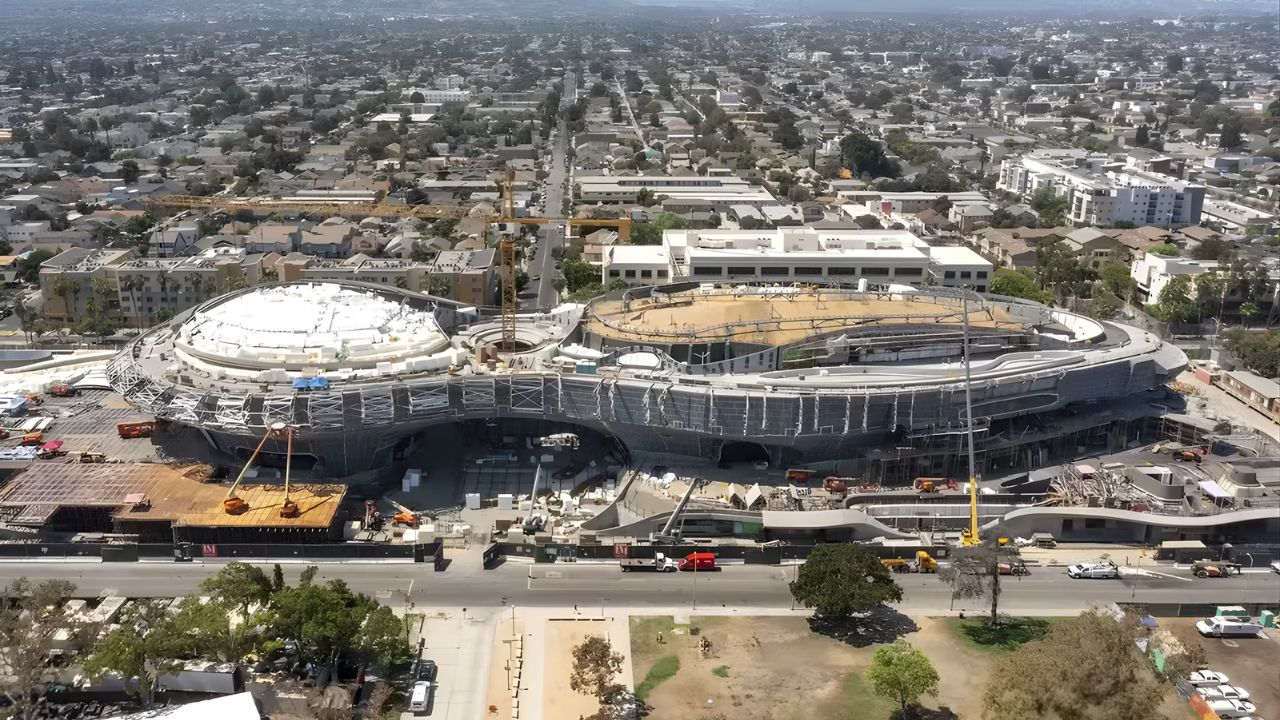
Created by George Lucas with over $1 billion, a futuristic museum in the shape of a spaceship with 1,500 curved panels is about to open in Los Angeles and will house one of the largest private collections of narrative art in the world.
-
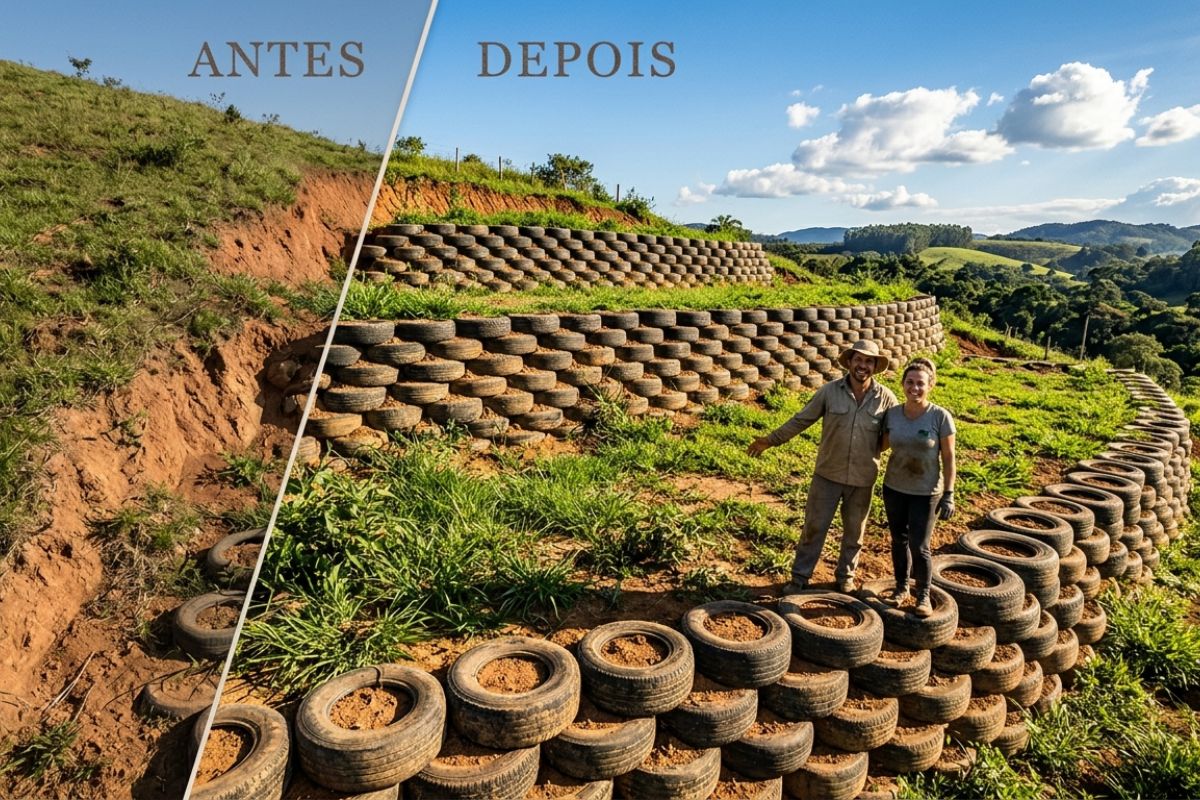
Couple shows how they built a retaining wall on their property using 400 old tires: sloped land turned into plateaus, tires are aligned, filled, and compacted with layers of soil, with grass helping in support and at almost zero cost.
-
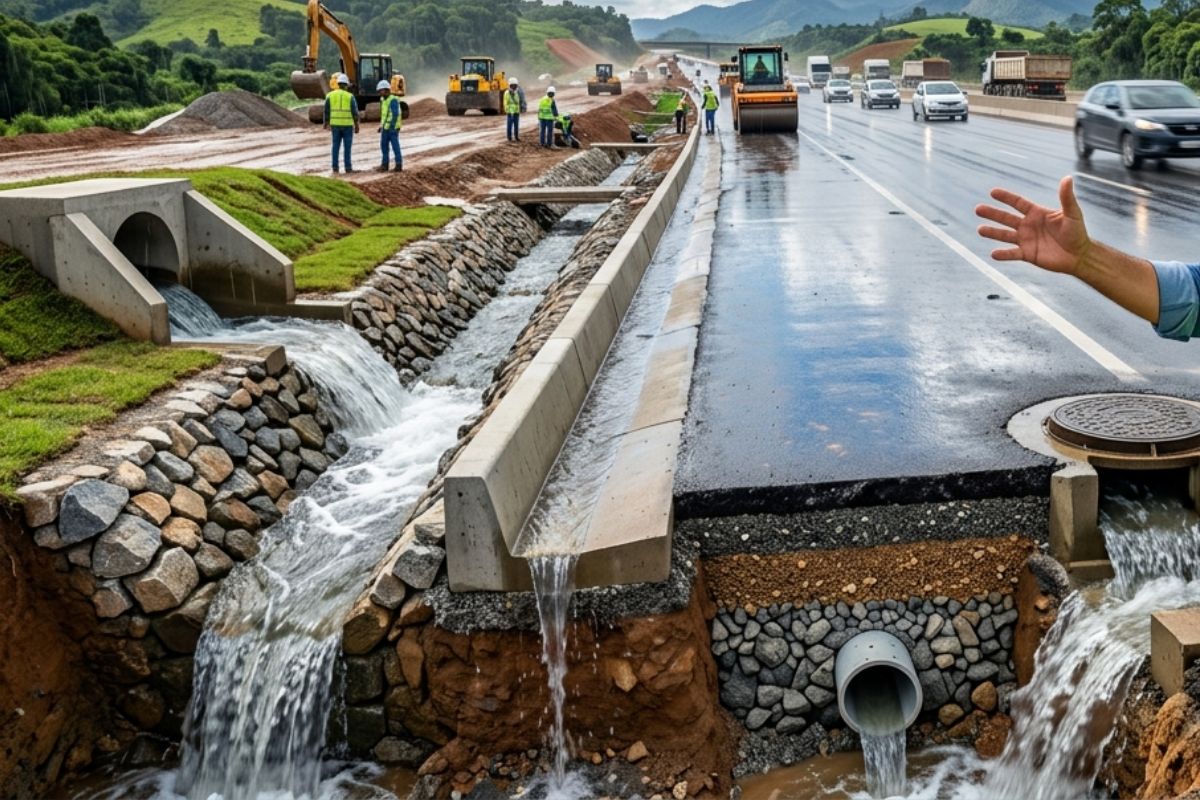
Engineer explains drainage during the rainy season: the difference between surface water and deep water, ditches, gutters, and water outlets on the road, as well as drains and drainage mattresses, to prevent erosion, aquaplaning, and flooding at the construction site today.
-
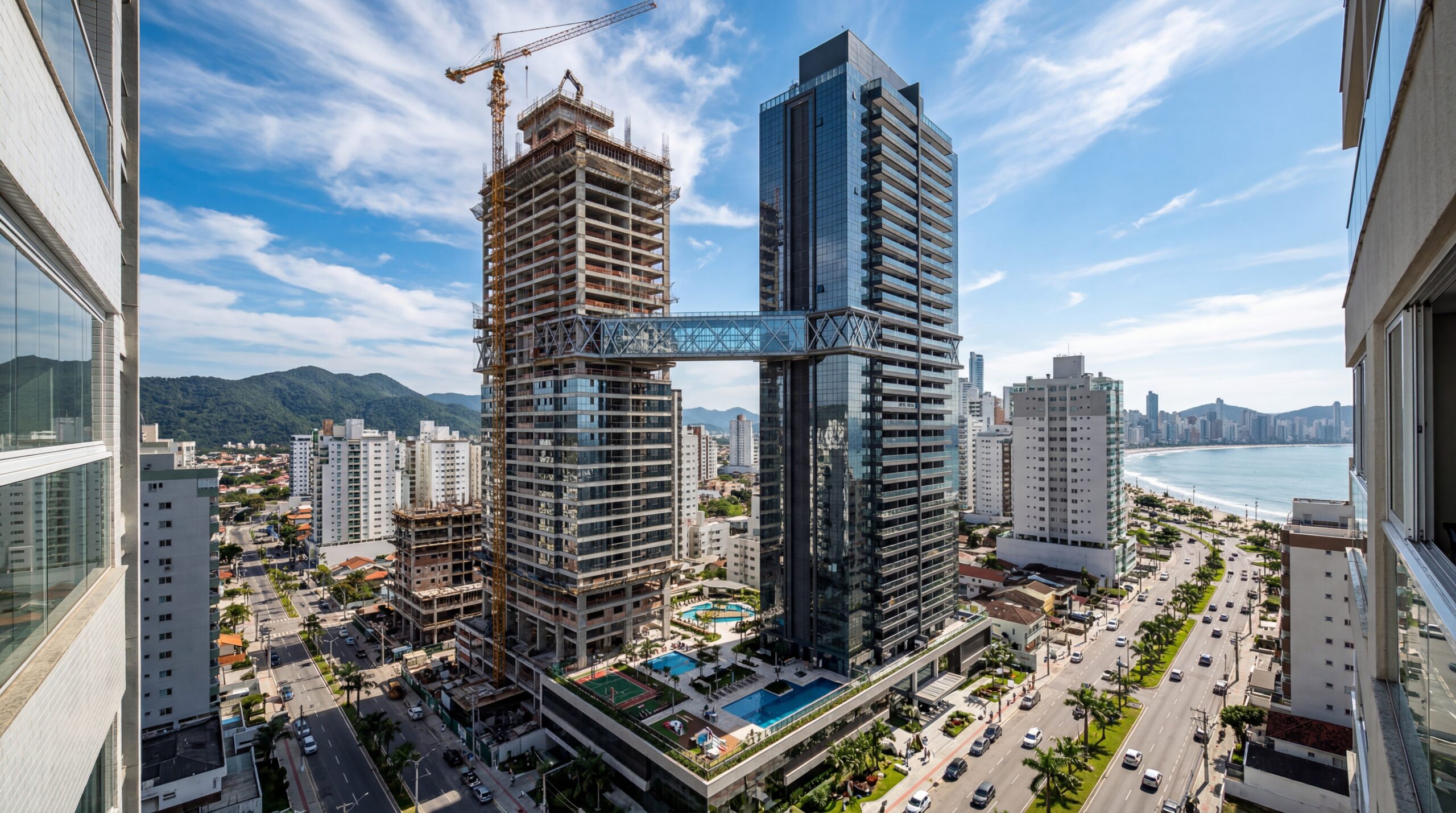
With 55 floors, 177 meters in height, a 15-meter walkway between the twin towers, ventilated facade, and 6,300 m² of leisure space, Ápice Towers already has one tower completed and another nearly at the top.

Mercedes-Benz will dismiss approximately 2,200 workers from the São Bernardo factory, which was inaugurated in 1956, being the first unit in the country and the largest Daimler plant outside Germany for Mercedes-Benz commercial vehicles. Additionally, about 1,400 temporary workers will not have their employment contracts renewed starting December 2022.
After company representatives requested negotiations on these matters, the Metalworkers’ Union of the Greater ABC stated that its leaders met with Mercedes-Benz management on Wednesday afternoon (7). The São Bernardo factory has 6,000 production workers and between 8,000 and 9,000 in total. A union assembly with the workers was scheduled for Thursday at 2 p.m.
The union, through its press office, stated that clarifications and press releases from the union and its leadership will only be made after discussions and an assembly with the plant workers.
The São Bernardo factory, with a decision made by Mercedes-Benz earlier this year, already had 600 workers on collective vacation due to a lack of electronic components. Mercedes-Benz also has a truck factory in Juiz de Fora (MG).
Number of Layoffs Increases at Automaker Factories in São Paulo
Several closures or restructurings have occurred in recent years at automaker factories in the state of São Paulo.
In 2019, the Ford factory in São Bernardo do Campo was decommissioned before the automaker announced its exit from the country in 2021. Mercedes-Benz, in 2021, sold a plant in Iracemápolis that produced luxury cars to the Chinese company Great Wall Motors.
In April of this year, Toyota chose to close its factory in São Bernardo do Campo, the first unit outside Japan. Caoa Cherry announced in May the halt of vehicle production in Jacareí, its main plant in the country, to adapt the factory for the production of hybrid and electric cars.
Mercedes-Benz stated this Tuesday that the market has become increasingly dynamic and that competitiveness in the industry will continue to increase, especially considering the transformation from traditional technologies to new forms of propulsion.
Electric buses will begin to be produced in Brazil by Mercedes-Benz at the end of this year, with an estimated demand of 3,000 electric buses by 2024 in Brazil.








Seja o primeiro a reagir!