





 Portuguese
  English
  Spanish
 3 min of reading


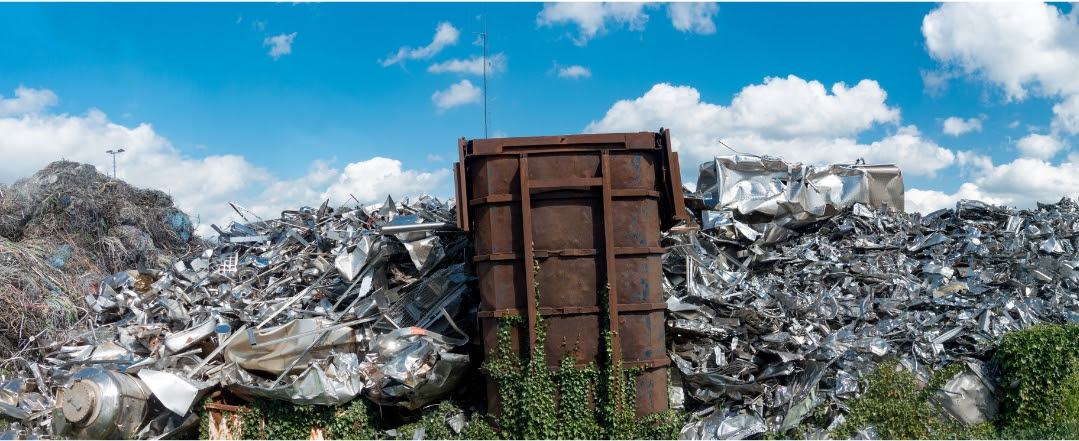
Even Though the Word “Scrap” Carries a Pejorative Load, Its Use Results in a High-Quality and Valued Steel in the Market
São Paulo, April 2022 – There are two relatively common ways to produce steel: by combining iron ore and coal or through scrap steel recycling. It is estimated that approximately 30% of the steel produced in Brazil comes from recycling. Steel is one of the few materials that can be infinitely recycled without any loss of quality, according to industry experts.
Although the word “scrap” may suggest something pejorative, the steel from this recycling has a high added value, according to Açovisa’s marketing manager, Giovani Marques da Costa. “Scrap is highly valued and sought after as raw material.”
Numbers from the International Iron and Steel Institute indicate that 630 million tons of the product are recycled annually. And Brazil has emerged as one of the global leaders in recycling. The non-profit organization Prolata recycled 55,090 tons of steel cans in 2021 – for example – which represents a 141% increase compared to 2020. Most of these cans were recycled in the South, Southeast, and Northeast regions: 28, 16, and 8 thousand tons of post-consumption steel cans, respectively. Paraná is the state that recycled the most.
-
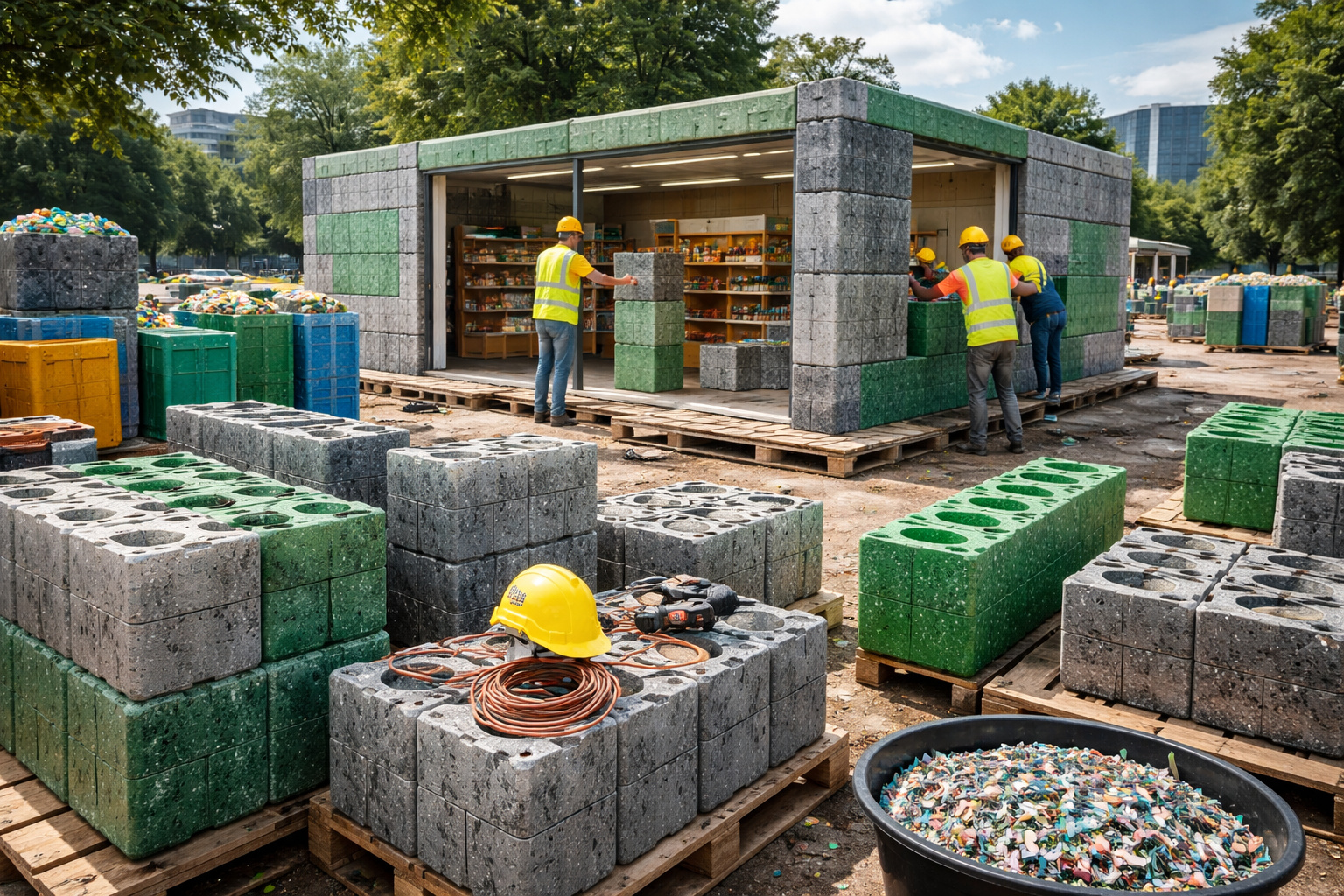
From discarded waste to completed constructions: startup creates modular blocks with recycled plastic that reduce construction costs, eliminate the need for specialized labor, and accelerate projects in Brazil.
-
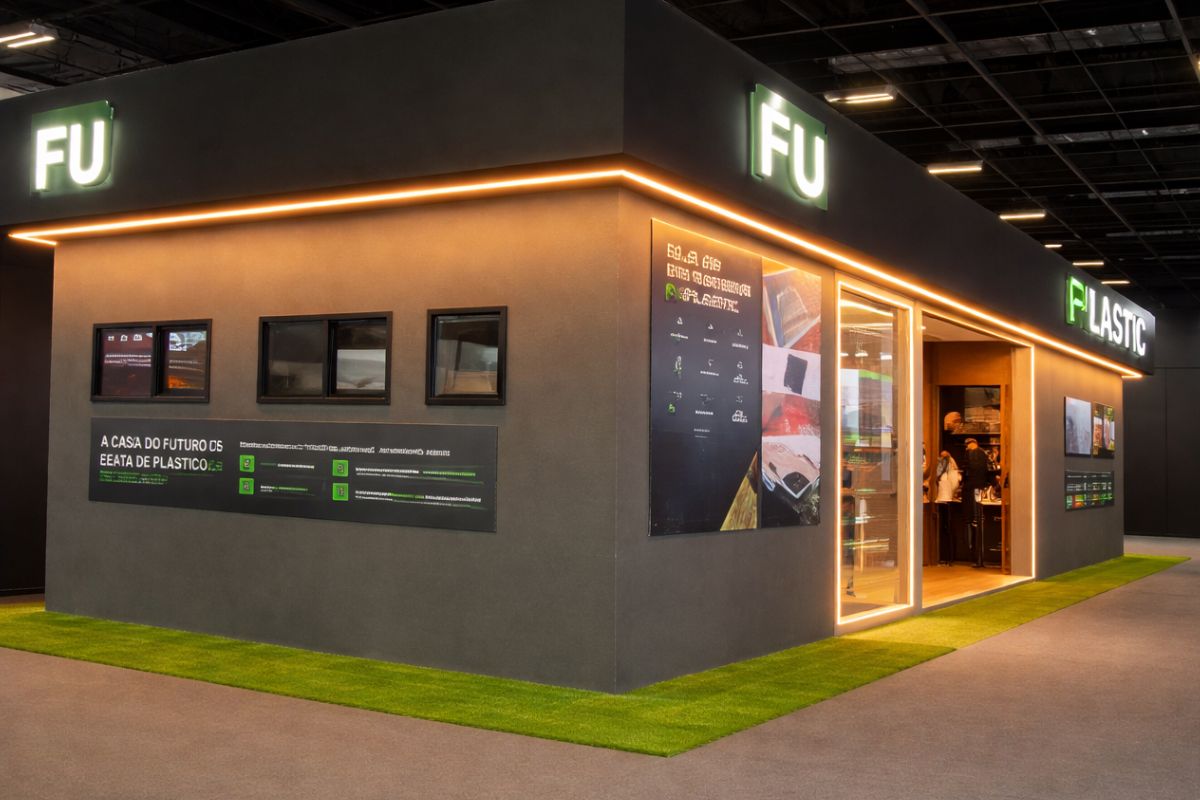
Recycled plastic house is completed in 4 hours and becomes an attraction at Feicon: facade with cement board and “nano rock” texture with a 10-year warranty, 100% plastic furniture, minimalist doors, and a promise of thermal and acoustic resistance.
-
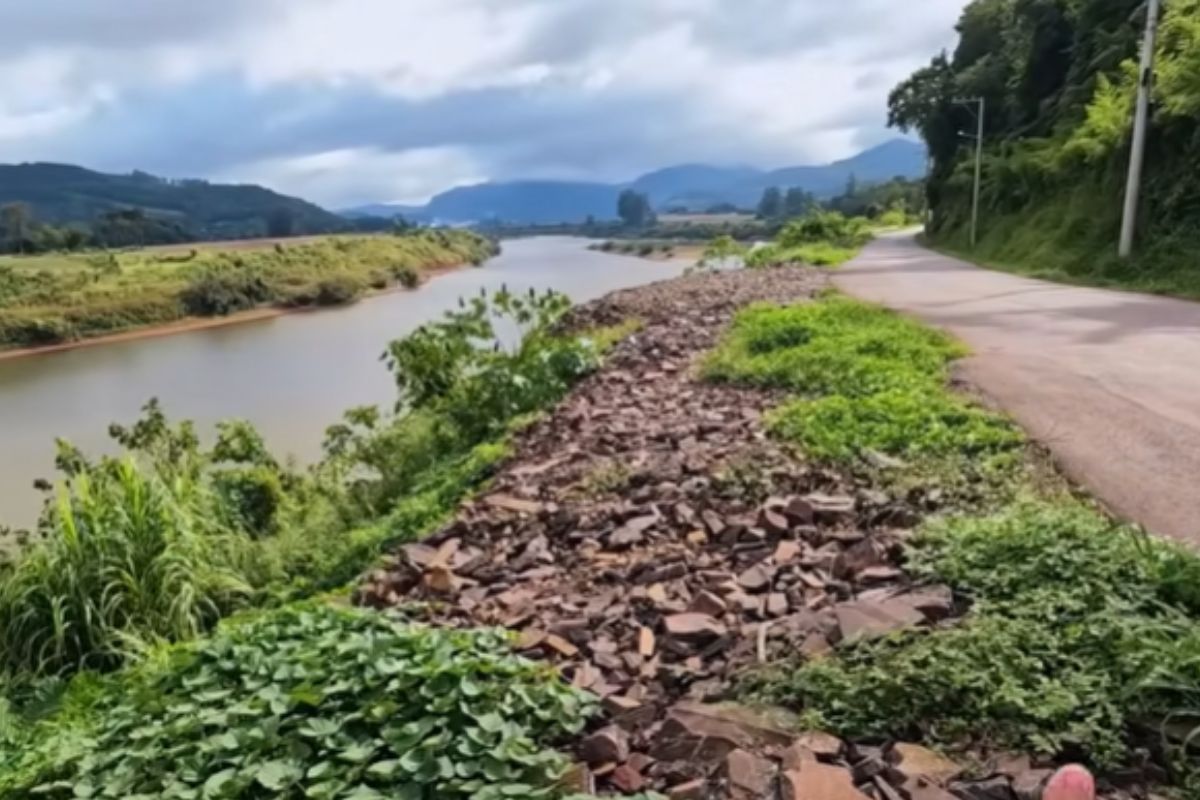
Roca Sales still bears the marks of the 2024 flood, streets turned into rivers, more than 100 houses were destroyed, the center was rebuilt in a makeshift manner, and a high bridge is being constructed to prevent another disaster.
-
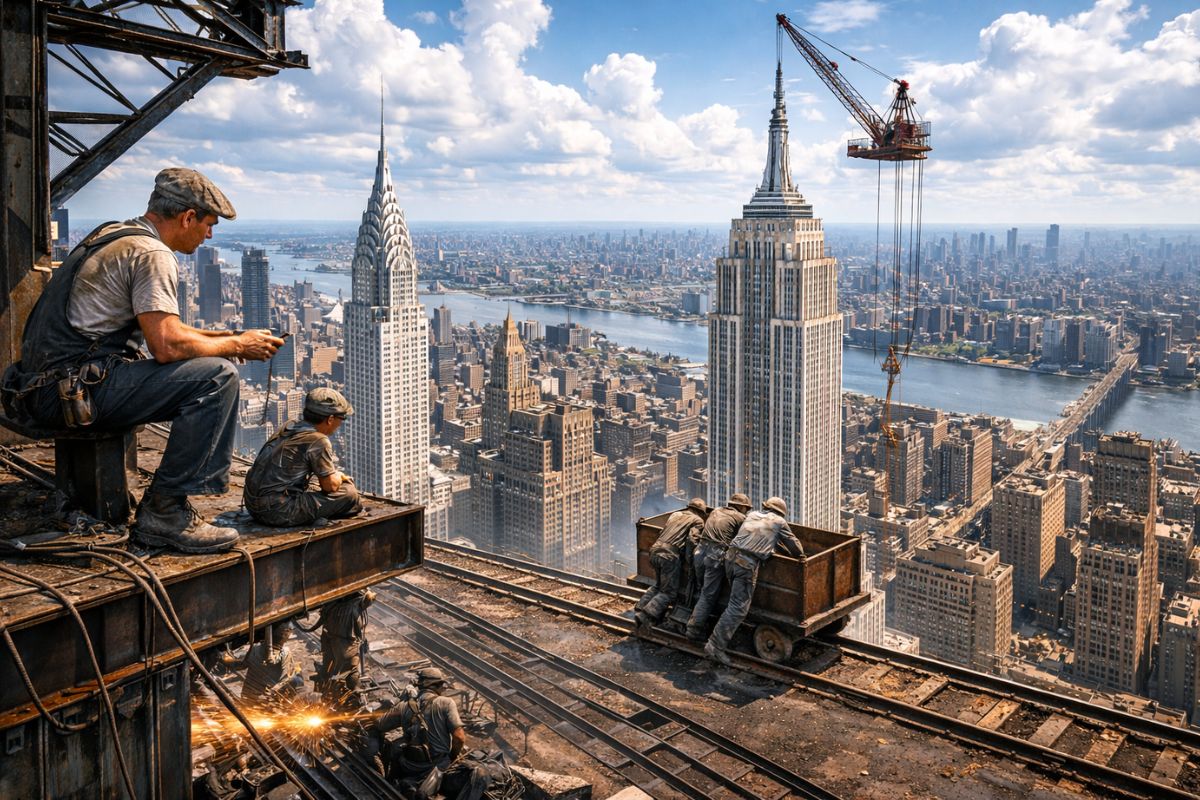
102 stories in 13 and a half months during the worst crisis in the U.S.: how the Empire State beat the Chrysler, used Mohawk workers and trains, gained a spire, and became a scene in King Kong.
Recycling
The process begins with the separation of scrap at the selective waste collection stage, this organization can be manual or electromagnetic. The scrap is then compressed into bales to facilitate and optimize transportation to steel mills, where it is subjected to high temperatures in electric furnaces or oxygen that reach up to 1500º. At this temperature, steel reaches its melting point, becoming liquid and can be shaped into billets or metal plates to then be formed into sheets, profiles, and steel bars.
It is a process considered fast that reduces environmental impacts. In recycling, electricity consumption is up to 80% lower, and there is also a saving on water usage, particularly because there is no mineral extraction process. Additionally, each ton of steel represents a saving of 1,140 kilos of iron ore.
The final quality of the recycled steel is also indicated by Costa:
Rolling
Rolling is the process of reducing the thickness of a sheet, bar, or metal profile by passing it between two or more rotating cylinders. And the rolling process of steel from scrap produces a higher quality product.
Mechanical Properties
“When we talk about mechanical properties, we refer to elasticity, hardness, fatigue, and tensile strength, for example, and these characteristics of scrap steel tend to be more positive than those of regular steel.”
About Açovisa
Açovisa has over 25 years of operation in the steel market and is considered one of the leaders in the national steel industry. Its headquarters in Guarulhos, with 15,000 m², is equipped with a chemical and metallographic laboratory, in addition to state-of-the-art equipment to carry out tests, analyses, and the issuance of documentation, such as quality certificates. It has 400 employees across more than 13 units, with a presence throughout Brazil.
Author Source: Ortolani Comunicação







Seja o primeiro a reagir!