






 Portuguese
  Spanish
 3 min of reading


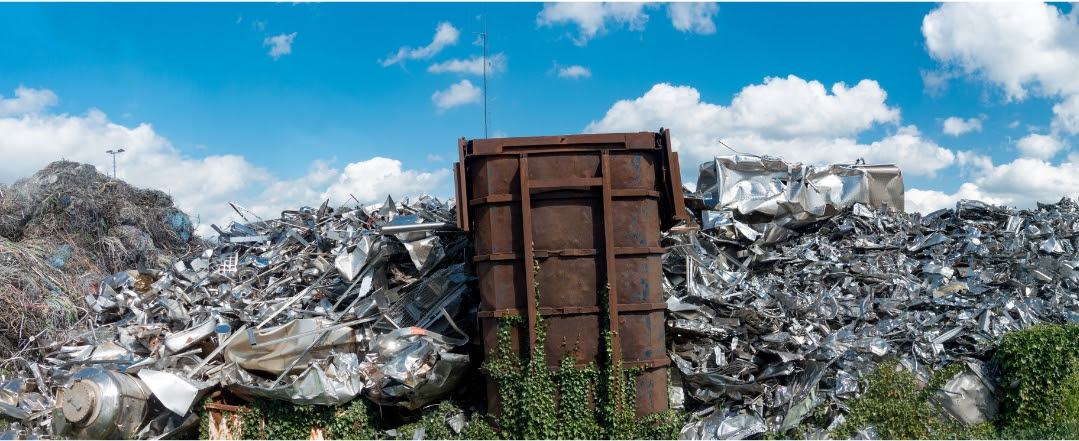
Even Though the Word “Scrap” Carries a Pejorative Load, Its Use Results in a High-Quality and Valued Steel in the Market
São Paulo, April 2022 – There are two relatively common ways to produce steel: by combining iron ore and coal or through scrap steel recycling. It is estimated that approximately 30% of the steel produced in Brazil comes from recycling. Steel is one of the few materials that can be infinitely recycled without any loss of quality, according to industry experts.
Although the word “scrap” may suggest something pejorative, the steel from this recycling has a high added value, according to Açovisa’s marketing manager, Giovani Marques da Costa. “Scrap is highly valued and sought after as raw material.”
Numbers from the International Iron and Steel Institute indicate that 630 million tons of the product are recycled annually. And Brazil has emerged as one of the global leaders in recycling. The non-profit organization Prolata recycled 55,090 tons of steel cans in 2021 – for example – which represents a 141% increase compared to 2020. Most of these cans were recycled in the South, Southeast, and Northeast regions: 28, 16, and 8 thousand tons of post-consumption steel cans, respectively. Paraná is the state that recycled the most.
-
India assembles two giant tunnel boring machines weighing over 3,000 tons to dig the country’s first underwater railway tunnel, with 7 km under Thane Creek and high-speed train tracks running up to 114 meters deep.

-
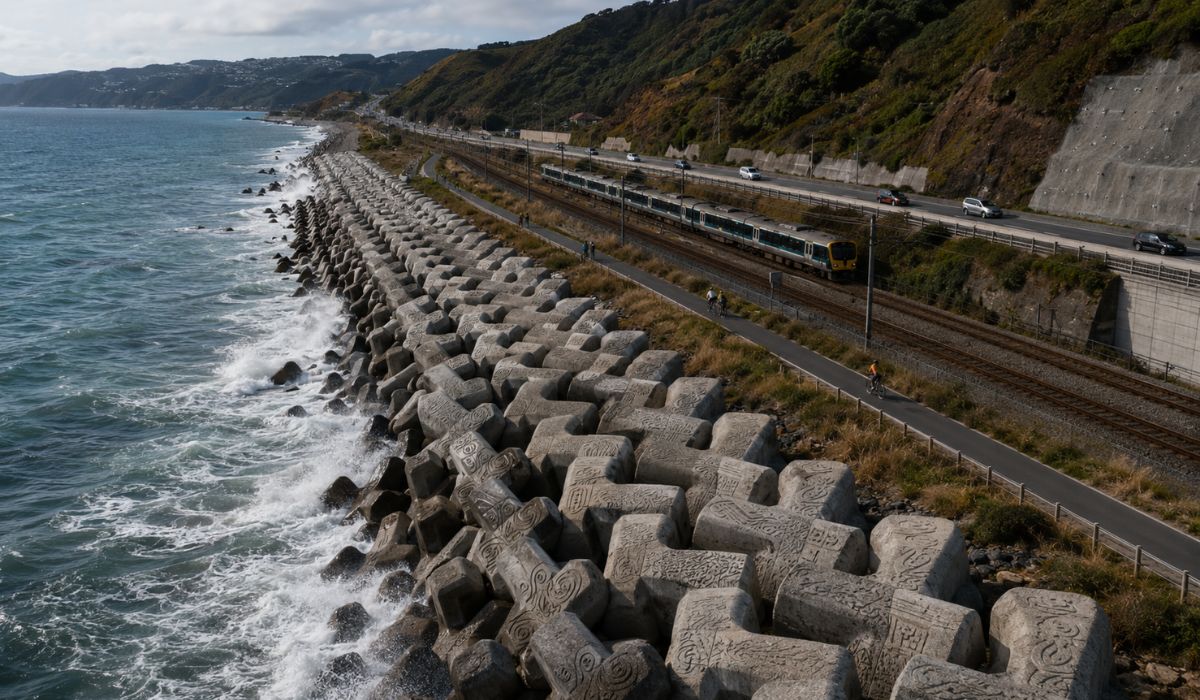
New Zealand aligns nearly 7,000 X-shaped concrete blocks like puzzle pieces to protect railway, highway, and cycle path against waves, erosion, and earthquakes on one of Wellington’s most sensitive coasts.
-
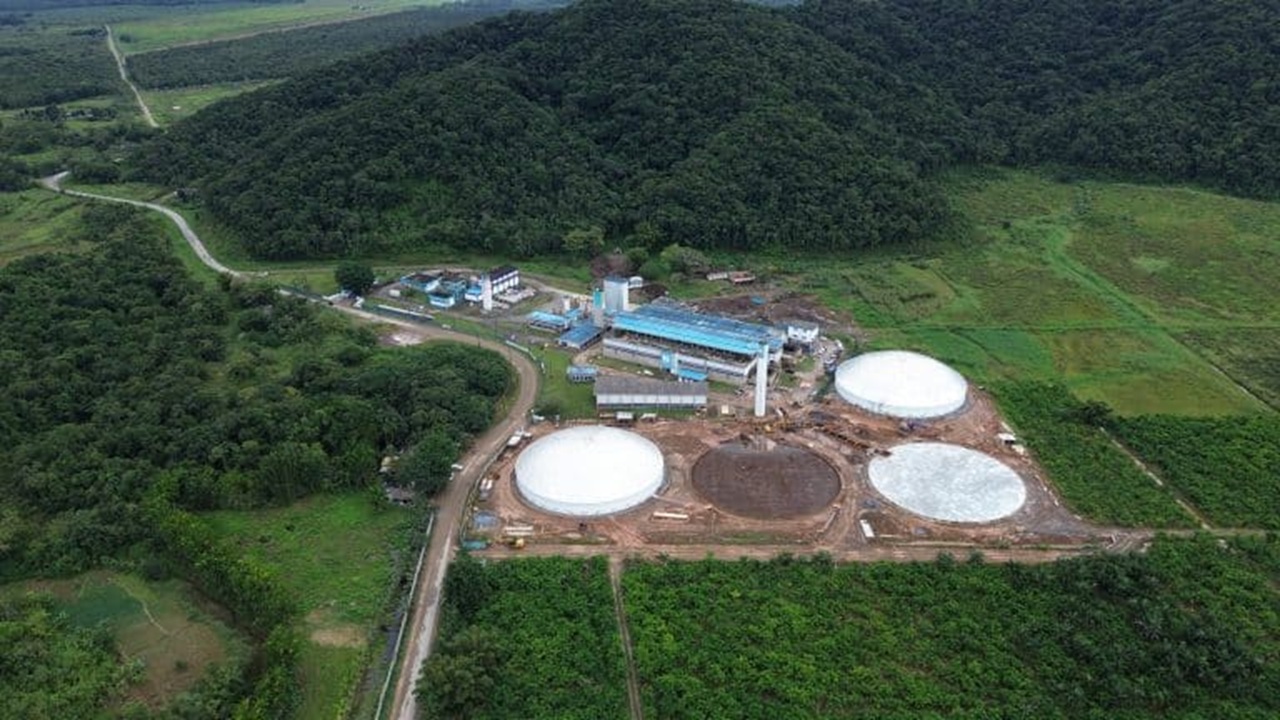
Baixada Santista receives water reservoirs worth R$ 84.6 million in Itanhaém with 20 million liters to reinforce the supply for 1.2 million residents in five cities.

-
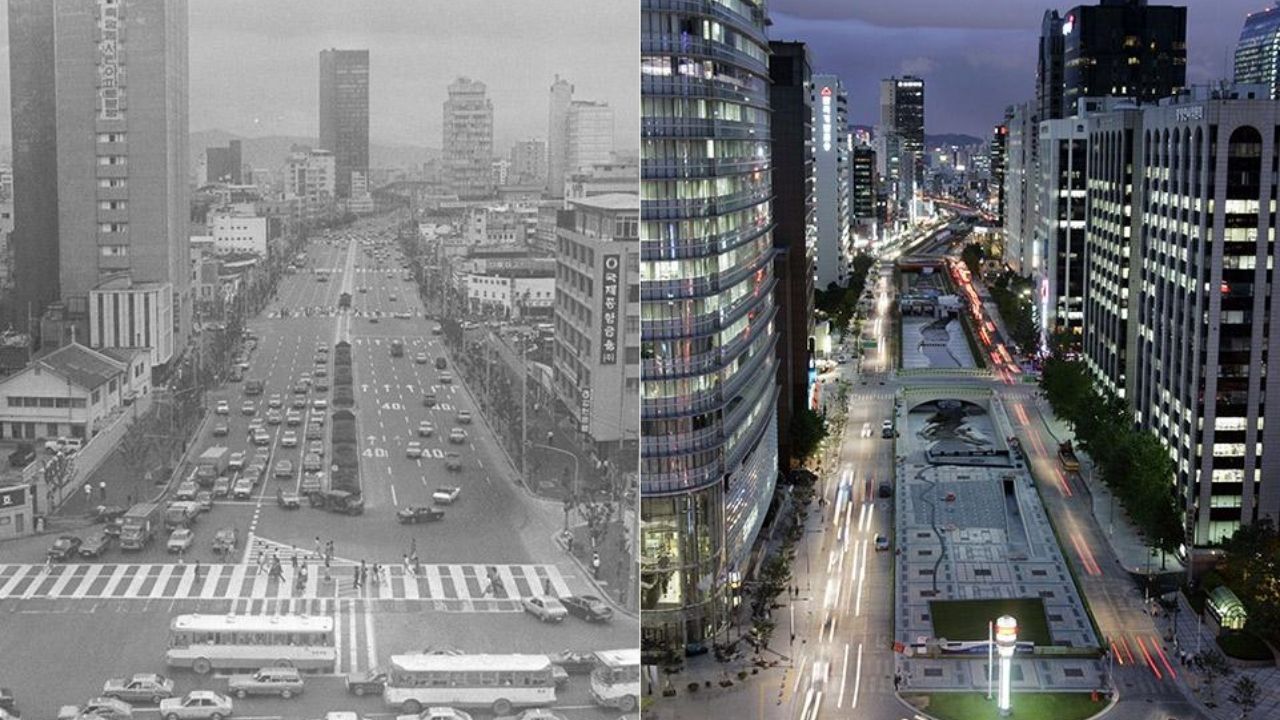
A river buried under a highway became an urban park in Seoul after a multimillion-dollar project at Cheonggyecheon, attracting 64,000 visitors per day, increasing biodiversity by 639%, and showing why cities are replacing concrete with water and green areas.

Recycling
The process begins with the separation of scrap at the selective waste collection stage, this organization can be manual or electromagnetic. The scrap is then compressed into bales to facilitate and optimize transportation to steel mills, where it is subjected to high temperatures in electric furnaces or oxygen that reach up to 1500º. At this temperature, steel reaches its melting point, becoming liquid and can be shaped into billets or metal plates to then be formed into sheets, profiles, and steel bars.
It is a process considered fast that reduces environmental impacts. In recycling, electricity consumption is up to 80% lower, and there is also a saving on water usage, particularly because there is no mineral extraction process. Additionally, each ton of steel represents a saving of 1,140 kilos of iron ore.
The final quality of the recycled steel is also indicated by Costa:
Rolling
Rolling is the process of reducing the thickness of a sheet, bar, or metal profile by passing it between two or more rotating cylinders. And the rolling process of steel from scrap produces a higher quality product.
Mechanical Properties
“When we talk about mechanical properties, we refer to elasticity, hardness, fatigue, and tensile strength, for example, and these characteristics of scrap steel tend to be more positive than those of regular steel.”
About Açovisa
Açovisa has over 25 years of operation in the steel market and is considered one of the leaders in the national steel industry. Its headquarters in Guarulhos, with 15,000 m², is equipped with a chemical and metallographic laboratory, in addition to state-of-the-art equipment to carry out tests, analyses, and the issuance of documentation, such as quality certificates. It has 400 employees across more than 13 units, with a presence throughout Brazil.
Author Source: Ortolani Comunicação




Be the first to react!