





 Portuguese
  English
  Spanish
  2 min of reading
  0 comments



With production already exceeding 27 million units in ten months and exports advancing to 6.8 million, China is entering the final stretch of 2025 ready to register the largest automotive growth in its history and reinforce its global dominance
The Chinese automotive industry is preparing to end 2025 with a historic performance, driven by domestic growth and global expansion. According to Chen Xu, deputy secretary-general of the Chinese Association of Automobile Manufacturers (CAAM), the expectation is to surpass 34 million vehicles sold, with 16 million being new energy – a category that includes electric, plug-in hybrid, and extended-range vehicles.
Export Record
Among the most significant figures is the projection of exporting more than 6.8 million vehicles by the end of the year. This mark represents a continuous advance that reinforces China’s global leadership in the sector. The country had already surpassed Japan in 2024, becoming the world’s largest automobile exporter.
According to CAAM data, exports have been growing consistently: 3.11 million vehicles in 2022, 4.91 million in 2023, and 5.86 million in 2024. From January to October 2025, 5.62 million units were shipped, an increase of 15.7% compared to the same period the previous year.
-
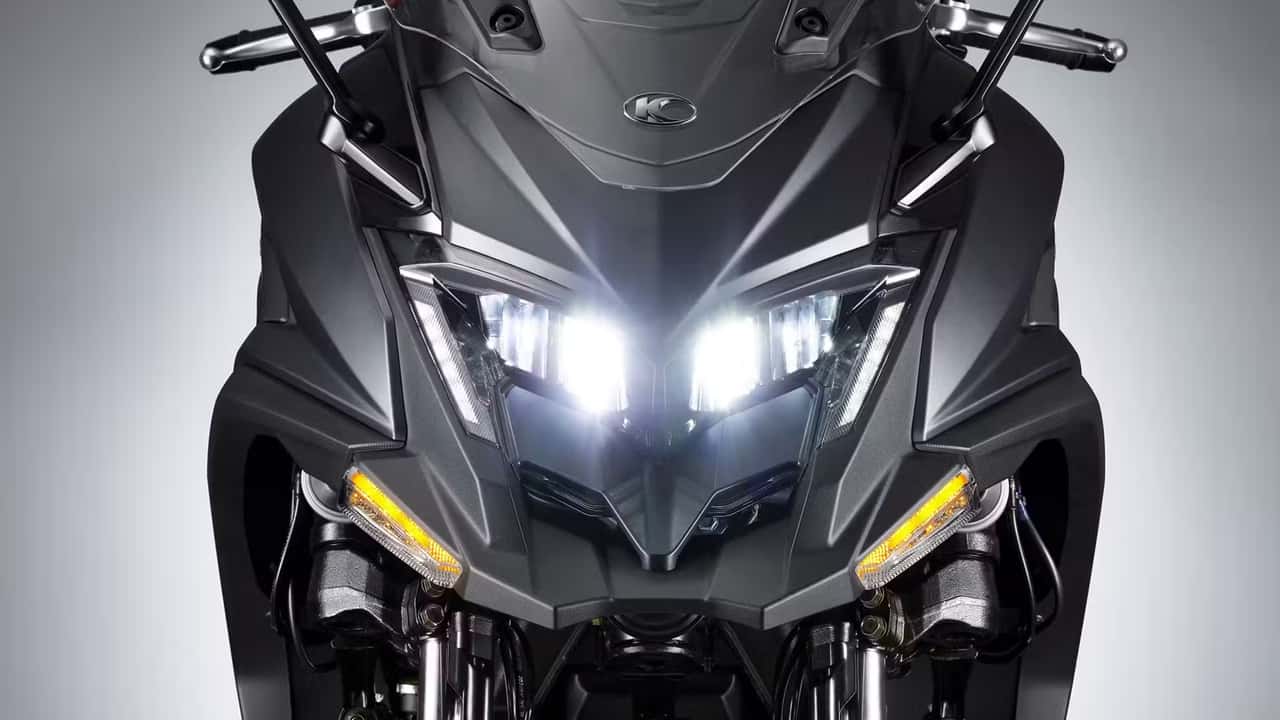
Kymco launches a 3-wheeled scooter with a 52 hp engine, a tilting front, and an audacious proposal to address one of the biggest fears of those who want to ride a motorcycle but still do not trust two wheels.
-
Most drivers make a big mistake on the road without knowing: there is an exact speed that makes the engine work with minimal effort and saves much more fuel, and it is neither 80 km/h nor 100 km/h as many imagine.

-
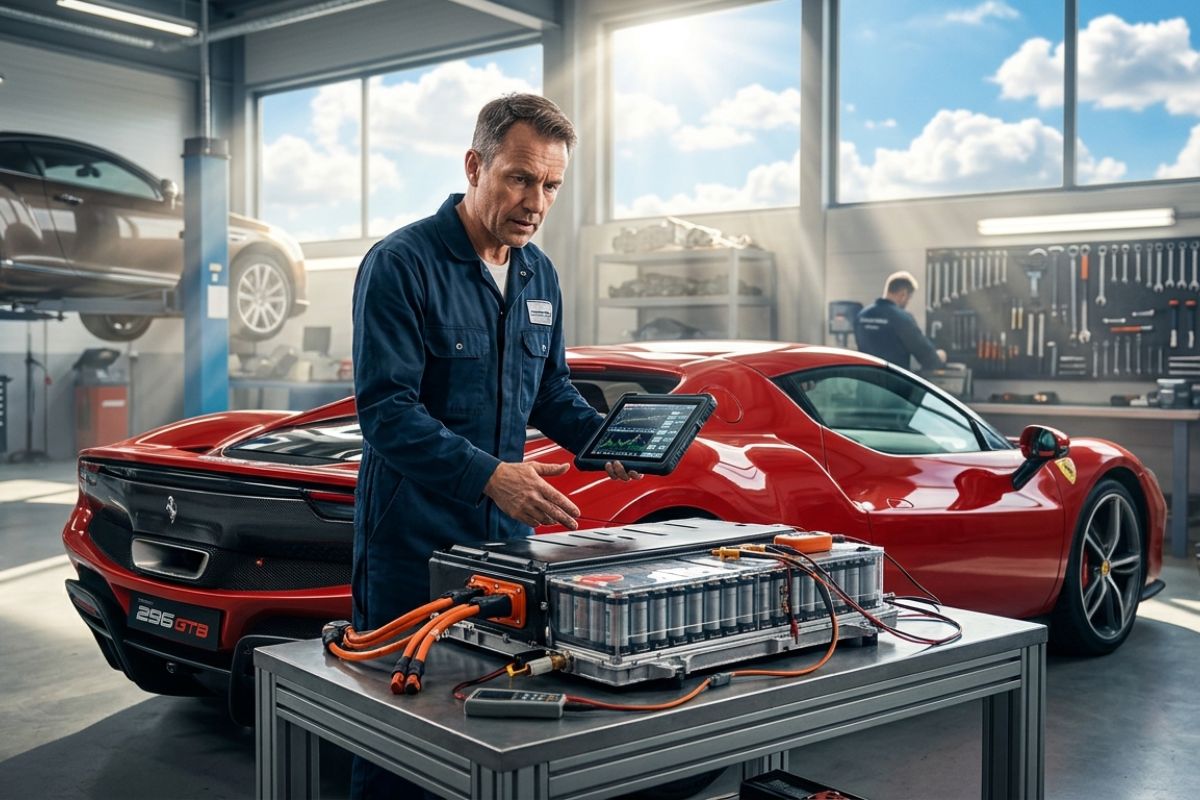
Mechanic explains: Ferrari 296 has a hybrid system management failure that can drain the high-voltage battery to an “irrecoverable” point in the car; recovery requires charging cell by cell on a bench, is risky, and the battery can cost R$ 250,000 imported.
-
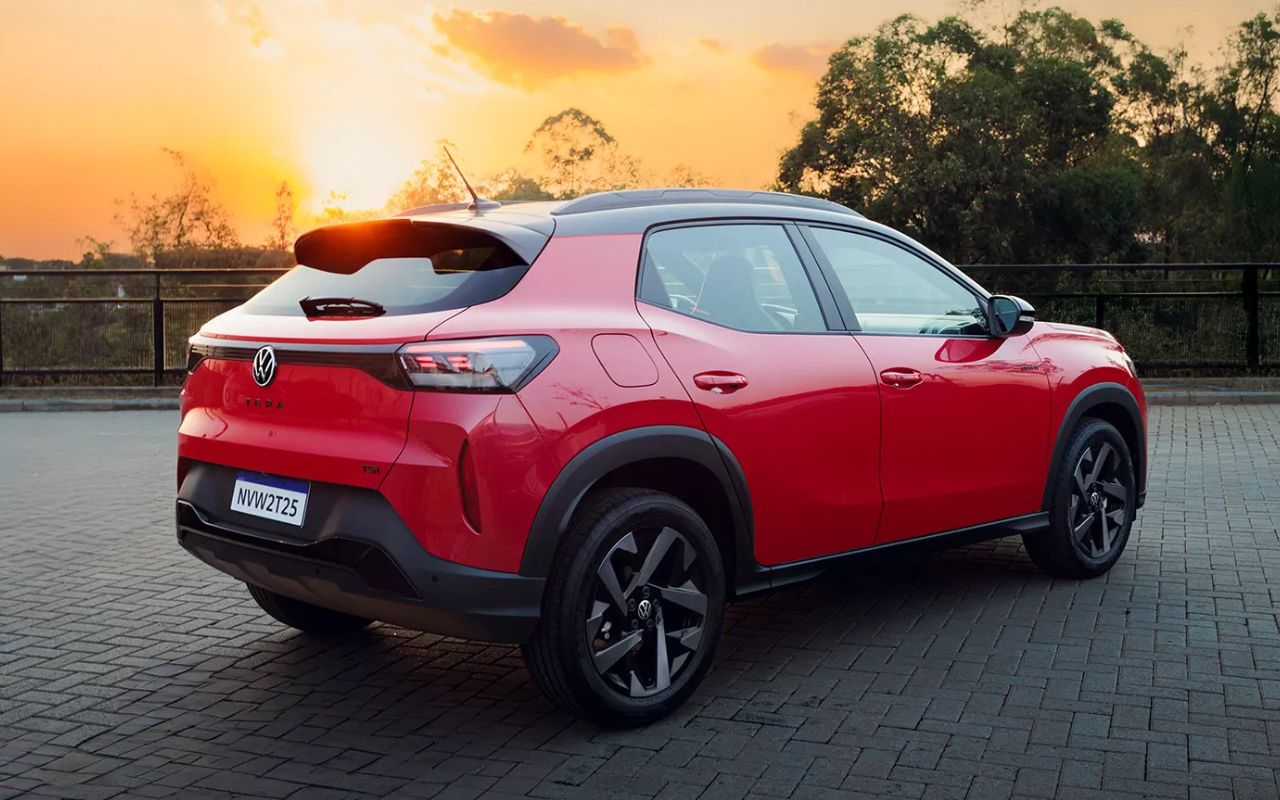
It surpassed the T-Cross, Creta, and Tracker: with nearly 8,000 units sold, the Volkswagen Tera was the best-selling SUV in March 2026.
Global Expansion and Productive Structure
The international advancement relies on three main pillars. The first is the increasing demand for Chinese vehicles in markets such as Europe, the Middle East, South America, and Asia.
The second is the expansion of distribution networks, with manufacturers like BYD, SAIC, Geely, and Chery investing in factories and logistics infrastructure outside the country. The third factor is industrial scale, which allows China to maintain low costs and extensive production capacity.
From January to October 2025, the total value of exports reached 798.39 billion yuan, about 97.05 billion euros, representing a growth of 14.3% over the same period in 2024.
Rising Domestic Production
The performance of the domestic market reinforces this expansion. In the first ten months of the year, national production reached 27.7 million units, an increase of 13.2% compared to 2024. This pace ensures solid internal supply and enough surplus to meet international demand.
Based on projections, China will end 2025 consolidating itself as the largest automotive hub in the world, with a new historic record of production and export.








Seja o primeiro a reagir!