Portuguese
  Spanish


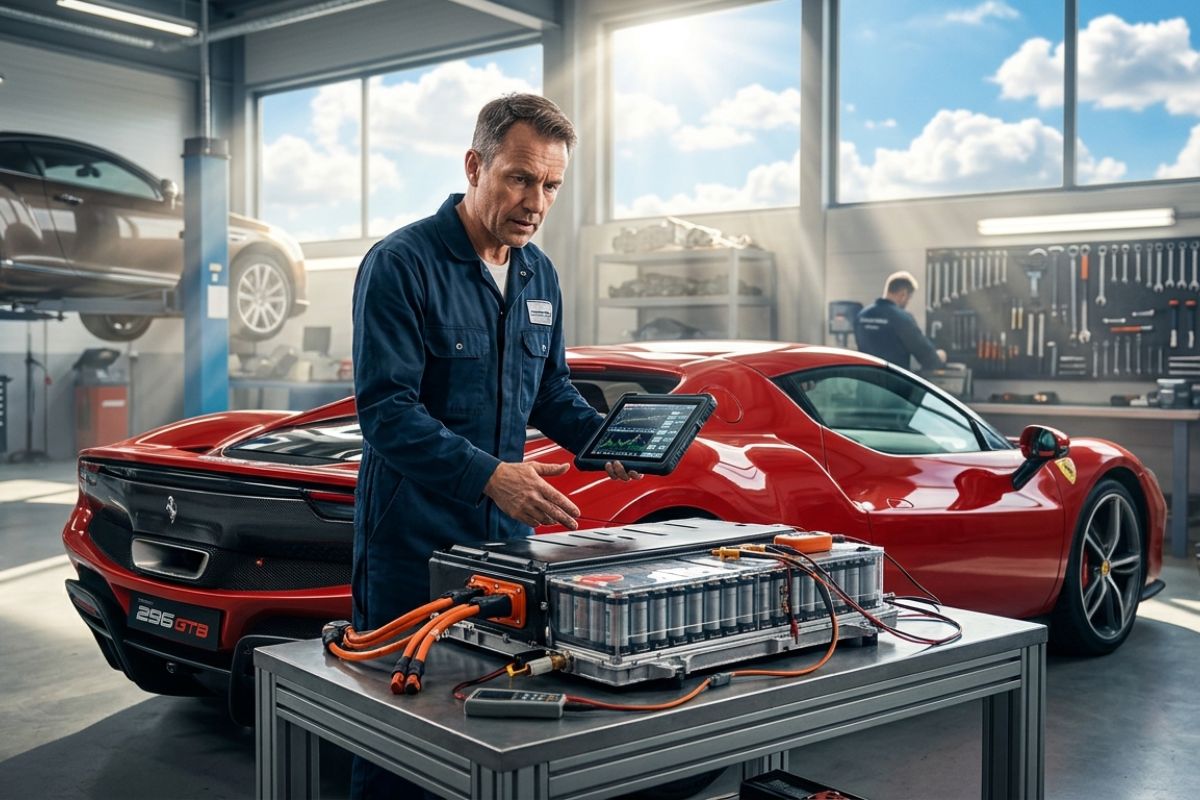

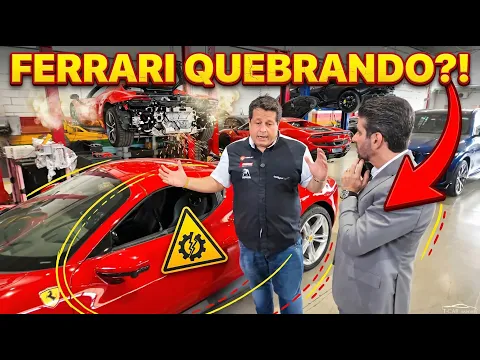
Mechanic reports that the Ferrari 296 keeps consuming energy to cool the hybrid system even when turned off, can drain the charge to an unrecoverable point and generate extremely high costs
The Ferrari 296 is at the center of a warning that mixes technology and real risk: according to a mechanic, there is a software management error in the hybrid system that can drain the high-voltage battery even when the car is stationary, to a level where the car no longer “raises” the battery.
The problem is that, in this scenario, the solution is no longer simple. The report states that recovering the battery may require cell-by-cell charging on a bench, a delicate process with risks, and the harshest alternative is replacement, with a quoted value of R$ 250,000 for an imported battery.
What causes the drain in the Ferrari 296 even with the car turned off

The explanation given is straightforward: even when turned off, the Ferrari 296 keeps systems energized to protect the hybrid battery. The car can activate water circulation and fans to maintain the battery at an appropriate temperature.
-
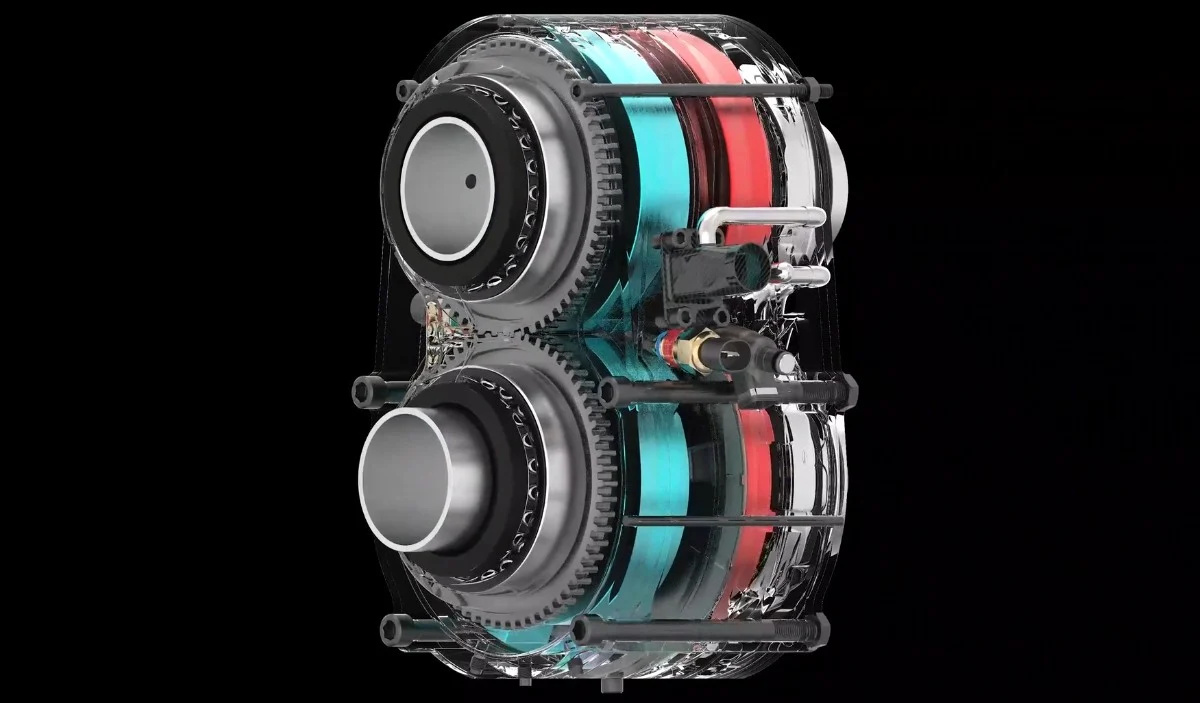
Suitcase-sized hydrogen engine spins at 25,000 rpm, nearly doubling the efficiency of conventional cars and replacing exhaust smoke with water vapor

-
1983 Chevrolet Runs Over 100,000 km Without Gasoline, Powered by Wood Chips, Reaches 125 km/h in Airport Test

-
Workshop Converts Giant Tractor Tire Tricycle into a Three-Wheel Drive Hybrid with 36,000-Watt Electric Motor Capable of Climbing Hills

-
Sales of Brazil’s Cheapest Electric Car Halted Before First Deliveries: E-Motors Suspends Emova Easy Due to Import Tax Increase and Rising Freight Costs




The critical point is the habit of leaving the car stationary with the battery “full” without plugging it in. The battery continues to power these systems until, at some point, the charge drops too low and enters the zone where the car can no longer recover on its own.
When the battery enters the “unrecoverable” point
The term used in the report is strong: the battery can be drained to a level where the Ferrari 296 won’t start anymore, and disconnecting or attempting common procedures does not resolve the issue because the battery “zeros” below a limit where it cannot rise again through the car’s own system.
At this stage, the problem is no longer just “dead battery.” It becomes battery locked below the operational limit, requiring specialized technical approach and appropriate equipment.
Bench recovery and the risk of working with high voltage

The report states that there are recovery paths, depending on how long the battery has been discharged. In the best-case scenario, the team can recharge the battery outside the car and make the system recognize the charge again.
The heaviest part is the cell-by-cell charging. The mechanic mentions a battery with “80-some cells” and describes the process as something done independently of the car, on a bench, to later reinstall and allow for starting.
Here comes an important detail: working on a Ferrari with high voltage is treated as a dangerous procedure. He emphasizes that the environment needs to be isolated and that a mistake can cause shock and damage, because it is not “just loosening a screw.”
The size of the loss: battery of R$ 250,000 and complicated logistics

The value quoted in the report for the high-voltage hybrid battery is R$ 250,000 imported. And there is a practical point that worsens the situation: if there is no one to carry out the recovery, the alternative may turn into heavy logistics, such as sending the car abroad.
The text also mentions Via Itália as the only Ferrari dealership in Brazil, and that access to technical information may be restricted, which pushes independent workshops to invest in tools, courses, and research to solve this type of failure.
Why the Ferrari 296 became a “fight car” in the workshop
The mechanic describes the Ferrari 296 as a well-balanced car to drive, but suggests that it was launched in a hurry and with little testing in some areas, due to the pandemic context, lack of components, and rush.
Besides the battery, he mentions that he has already seen basic errors, such as loose grounding, with the car lighting up several dashboard lights and the problem being reduced to a loose screw. The result is a combination of high complexity, low tolerance for failures, and high costs when something goes wrong.
What the owner of a Ferrari 296 can learn from this warning
The practical message of the report is that, in a high-performance hybrid, “stopping the car” does not mean “turning everything off.” The Ferrari 296 can continue consuming energy for thermal protection, and if the battery is drained too much, the repair goes beyond the common level and becomes specialized service.
For the owner, this changes routine and care. It is not just about performance, it is about charge management, storage, and maintenance, because the greater risk is not just being unable to start, but falling into a scenario where recovery requires a bench and delicate procedures. Credits: content based on report and images from the channel TCAR SHOW.
Do you think it is acceptable for a car like the Ferrari 296 to have behavior that can drain the battery to a critical point, or should this be corrected with an update and clear guidance to the owner?