





 Portuguese
  English
  Spanish
  5 min of reading
  0 comments


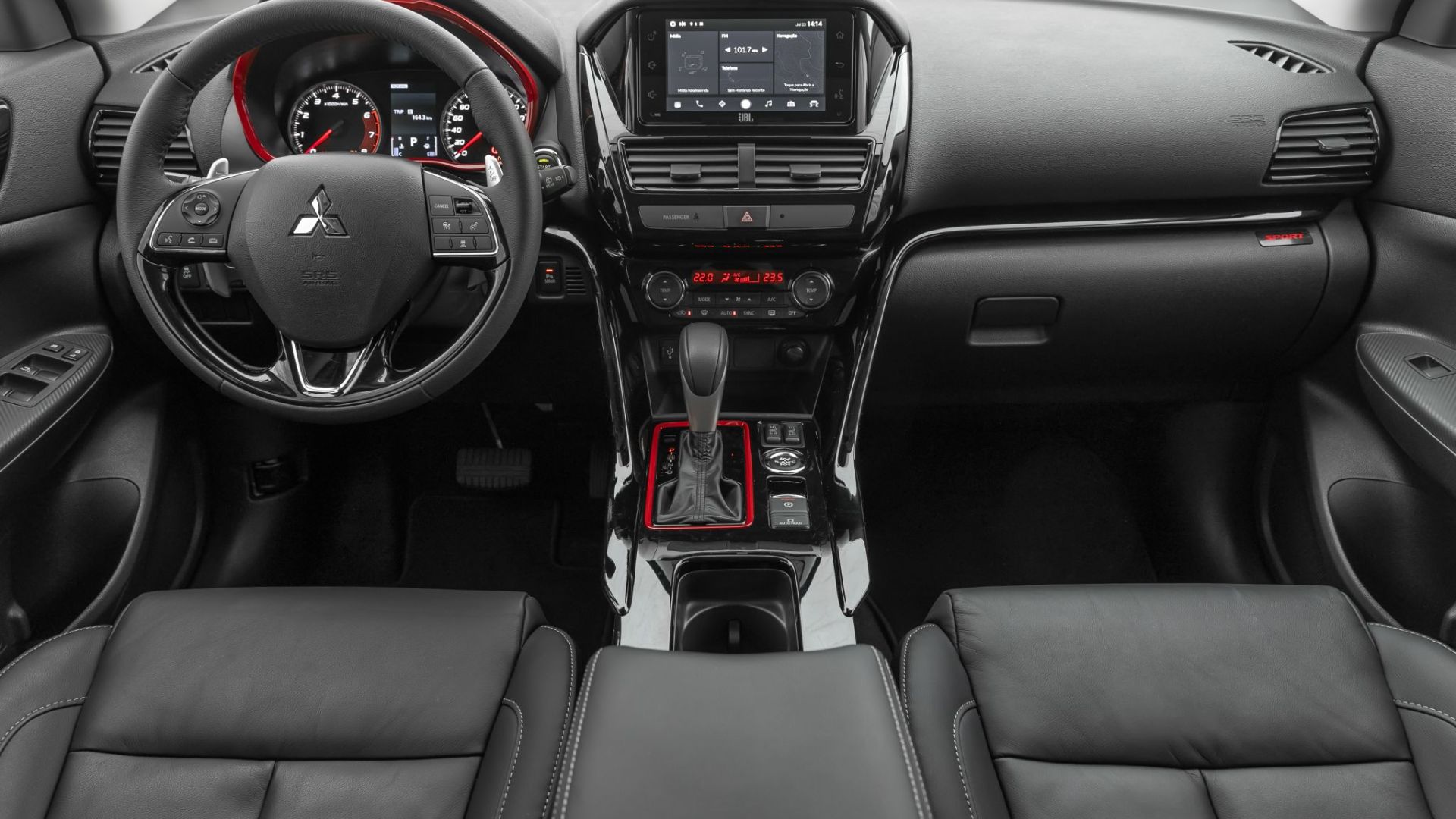
Some Models That Got Out of the Spotlight Still Offer Performance, Comfort, and Good Value for Money. Even with Modest Sales, They Maintain Appeal That Makes Them Good Options in the Market for New and Used Cars.
Despite being overshadowed in showrooms, some models continue to deliver a good balance of space, performance, and features, with competitive prices and fuel consumption within the expected range for their proposals.
Next, the four “forgotten” models that still yield good deals — and a bônus at the end.
The registration volumes mentioned were reported by the Fenabrave survey referring to September, used as the basis for this selection.
-
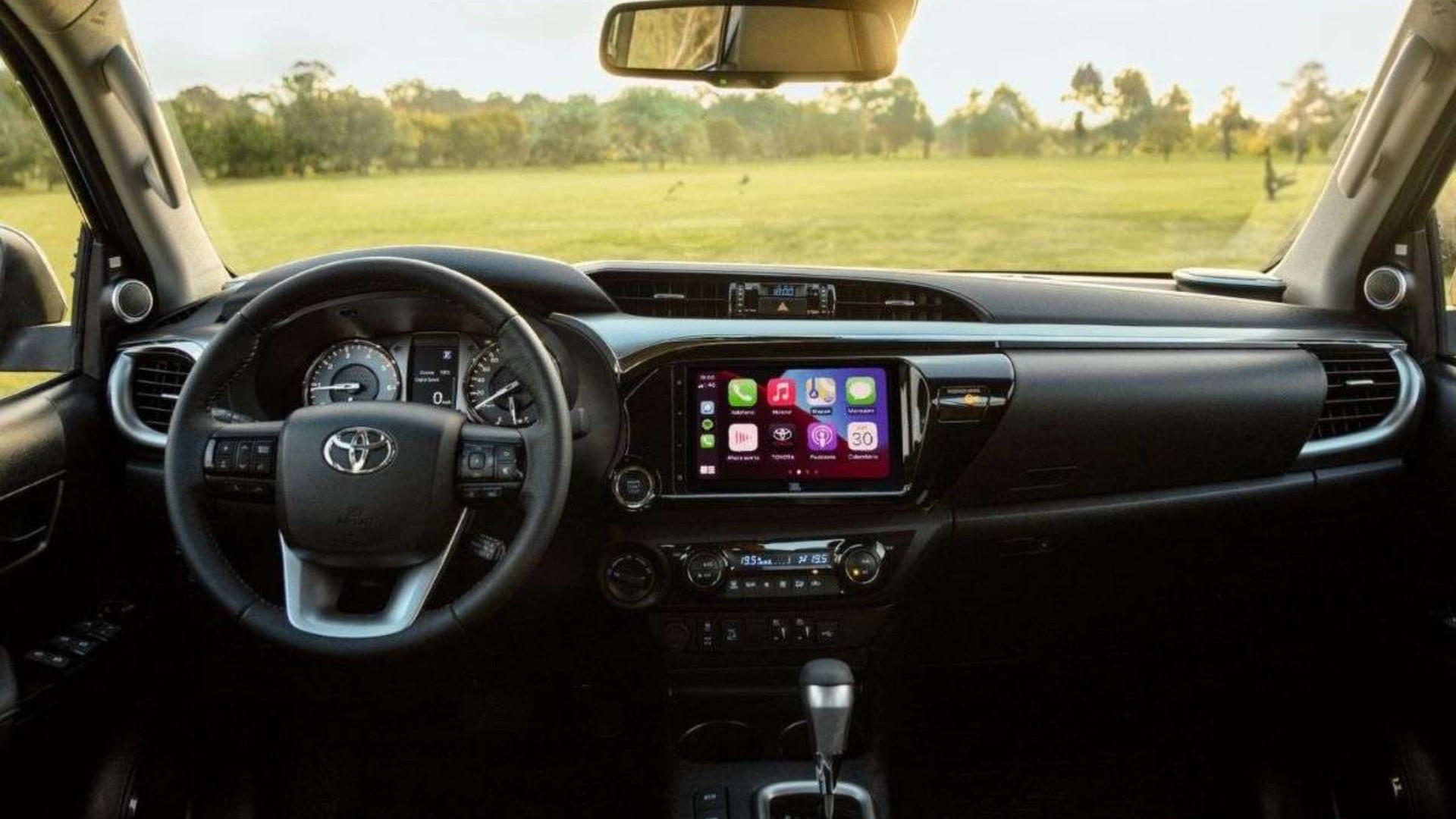
The Toyota Hilux is R$ 75.5 thousand cheaper and bets on the 2.8 turbodiesel engine with up to 204 hp and 50.9 kgfm to catch up with the VW Saveiro, which leads with 4,472 sales.
-
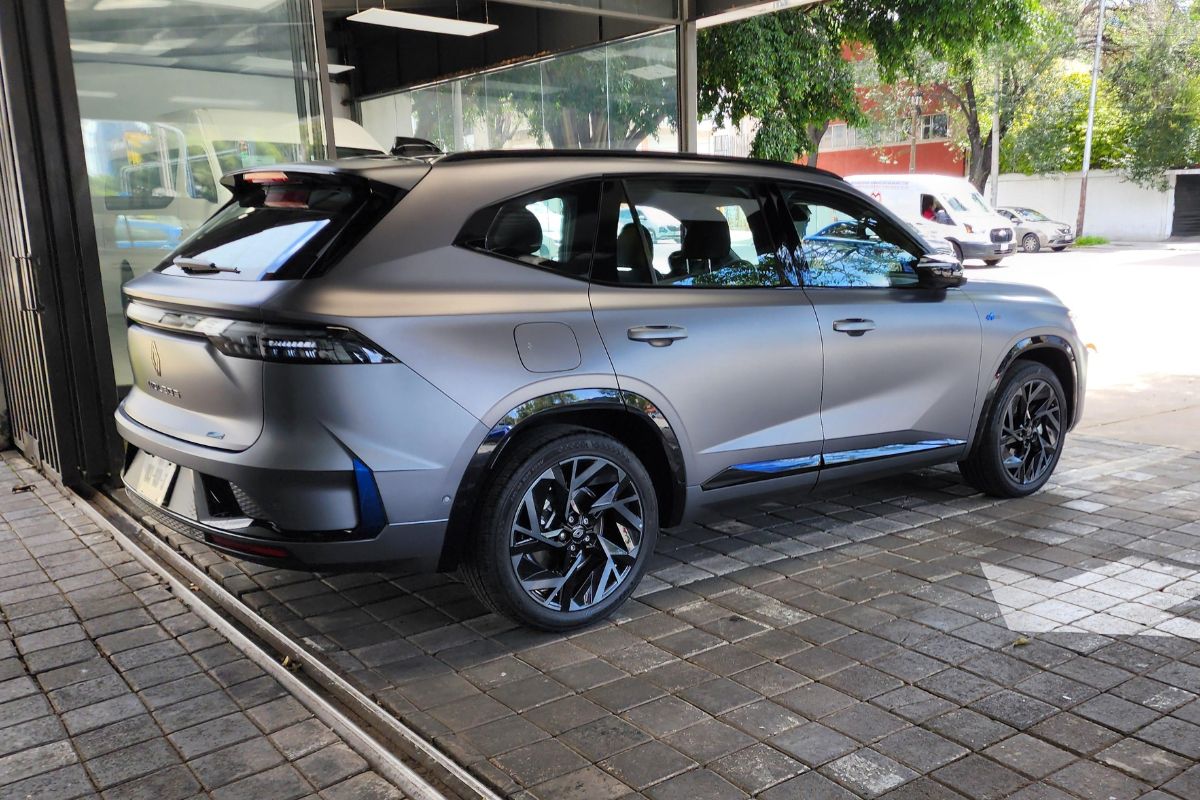
The new Renault Koleos has a screen exclusively for the passenger that is invisible to the driver, heated rear seats, and 29 assistance systems, but its Chinese competitors cost R$ 40,000 less and deliver more power.
-
The car stored for 38 years: when opening the barn door, what appears is breathtaking and looks like a scene from a movie!

-
Fiat works miracles in the Brazilian market, lowers the price of its 0 km hatch to R$ 69,990, reestablishes the model as the cheapest car in the country, and reignites the battle against Kwid and C3.

Citroën Aircross: Compact SUV with 7 Seats and Good Value for Money
The only national compact SUV with up to seven seats, the Aircross relies on the 1.0 Turbo 200 Flex engine and CVT automatic transmission to combine urban use with family versatility.
The combination provides enough performance to carry the family without major jolts and keeps maintenance costs low, helping its value proposition compared to minivans and larger SUVs.
In terms of energy efficiency, official data from Inmetro indicates 10.6 km/l in the city and 12.0 km/l on the highway (gasoline), or 7.4 km/l and 8.6 km/l (ethanol), results that are consistent with its size and the seven-seat proposal.
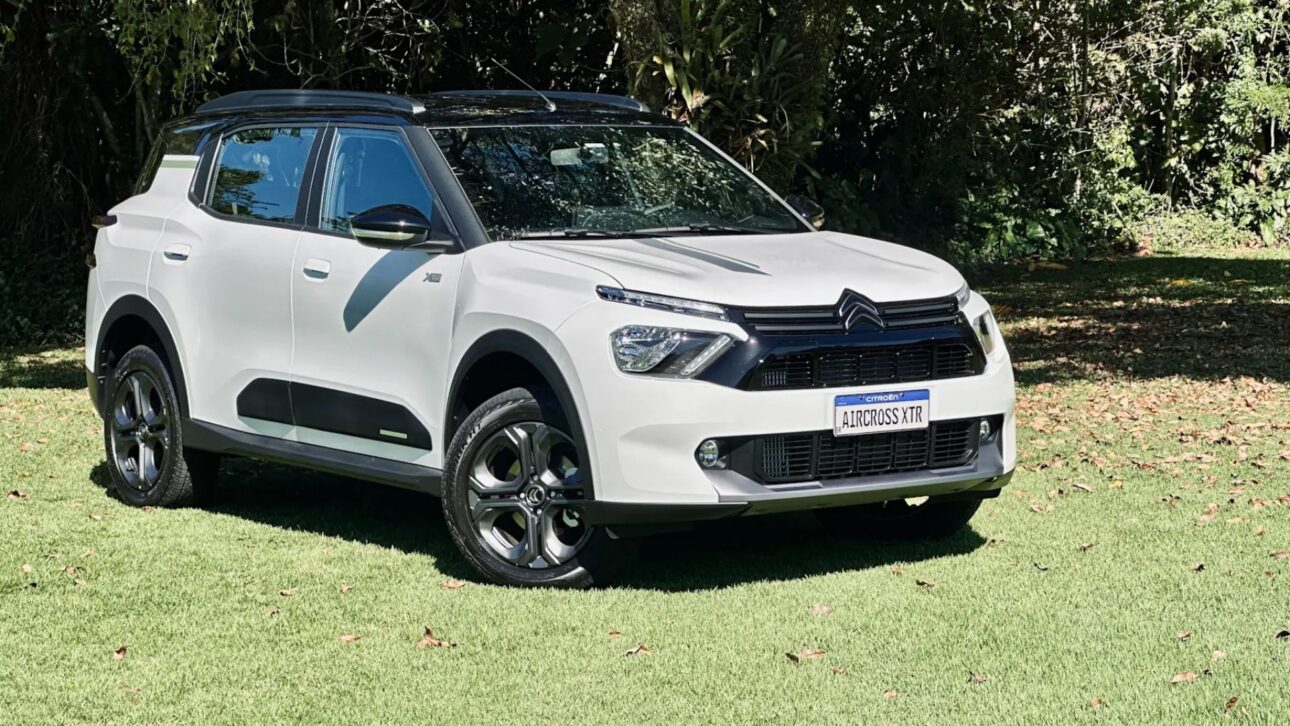
In dimensions, it measures 4.32 m in length and 2.675 m in wheelbase, measurements that explain its good interior space.
The trunk offers 493 liters with the third row removed and significantly reduced volume when all seven seats are in use, suitable only for small luggage.
Additionally, features like multimedia center, hill start assist, and LED DRLs are available from the entry-level trims.
For those seeking utility at a reasonable price, the fact that it offers seven seats in a B-SUV body remains its main advantage over the Chevrolet Spin, which is more well-known but has a different design.
Renault Oroch: Robust and Rational Pickup
Renault’s pickup has been on the market for a decade and remains valued by those who prioritize chassis robustness and a useful bed.
The current lineup uses the 1.6 SCe Flex engine and manual transmission, a solution that appeals to fleet users and those who do not require high torque figures, although it may limit its appeal among urban users who prefer automatic transmission.
In efficiency tests by Inmetro, the Oroch 1.6 records 7.6 km/l in the city and 8.1 km/l on the highway (ethanol), or 11.3 km/l and 11.7 km/l (gasoline).
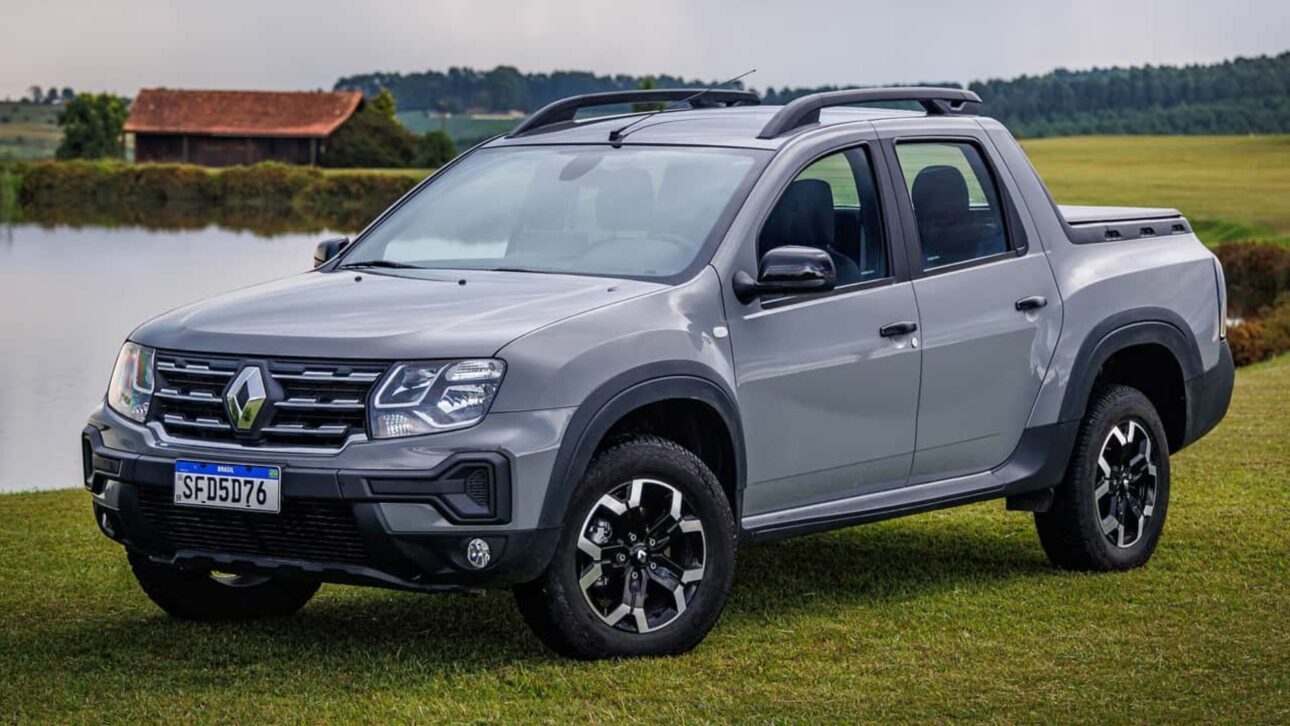
The 683 liters bed and the payload capacity that ranges from 650 kg to 680 kg, depending on the version, provide real utility for work and leisure.
In terms of equipment, traction and stability controls, speed control, and adventurous look make up the standard list.
The price positioning is often an attraction, being lower than competitors that offer turbo engines and automatic transmissions.
For those who consider ownership costs and prioritize a simple structure, the pickup still delivers a rational package.
Mitsubishi Eclipse Cross: Medium SUV with Strong Name and Complete Package
In the realm of medium SUVs, the Eclipse Cross maintains the 1.5 turbo gasoline engine with 165 hp coupled with CVT, as well as versions with 4×2 or 4×4 traction.
The Rush configuration, for example, already comes with seven airbags, cruise control, and 10” multimedia, offering a complete package at prices that are generally lower than the segment leaders.
According to Inmetro, the official average fuel consumption of the model is 10.3 km/l in the city and 11.3 km/l on the highway (gasoline), figures aligned with its size and focus on comfort.
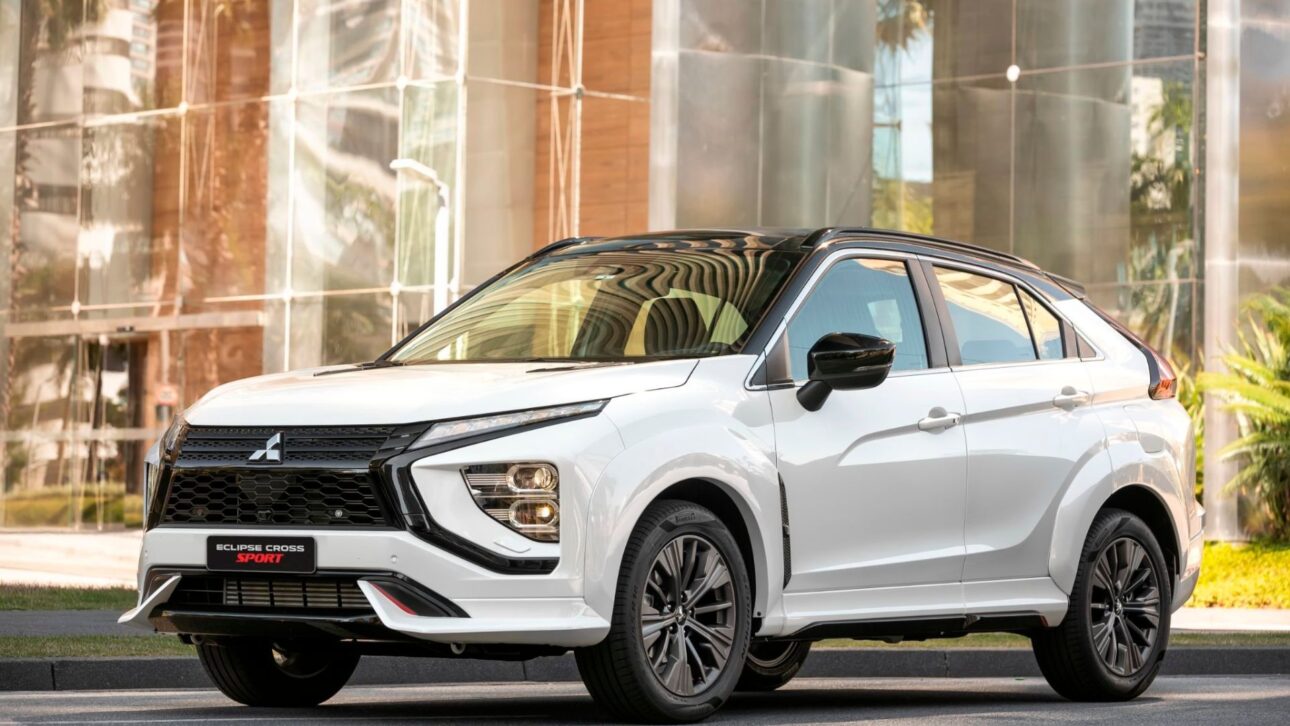
In size, it measures 4.54 m in length and 2.67 m in wheelbase, with a trunk capacity of 473 liters, sufficient for family and weekend luggage.
The combination of light steering, good sound insulation, and extensive safety package supports its comfort proposal — even with sales much lower than the Jeep Compass.
For those who want to stand out, the relationship between content and price is a recurring argument, especially in entry-level configurations that already deliver the essentials without inflating the bill.
Peugeot 2008: Sophisticated Design and Efficient Semi-Hybrid Engine
Among compact SUVs, the Peugeot 2008 gained momentum with the arrival of the 12V semi-hybrid system paired with the 1.0 turbo engine with 130 hp in the top versions, while retaining options with the same non-electrified 1.0 in other configurations.
The external design and internal finishing remain as notable features in showrooms, but it is in consumption that the updated model has made the most progress.
According to Inmetro, the GT T200 Hybrid version records 9.0 km/l in the city and 9.6 km/l on the highway (ethanol); with gasoline, it achieves 13.0 km/l and 13.7 km/l in the same cycles.
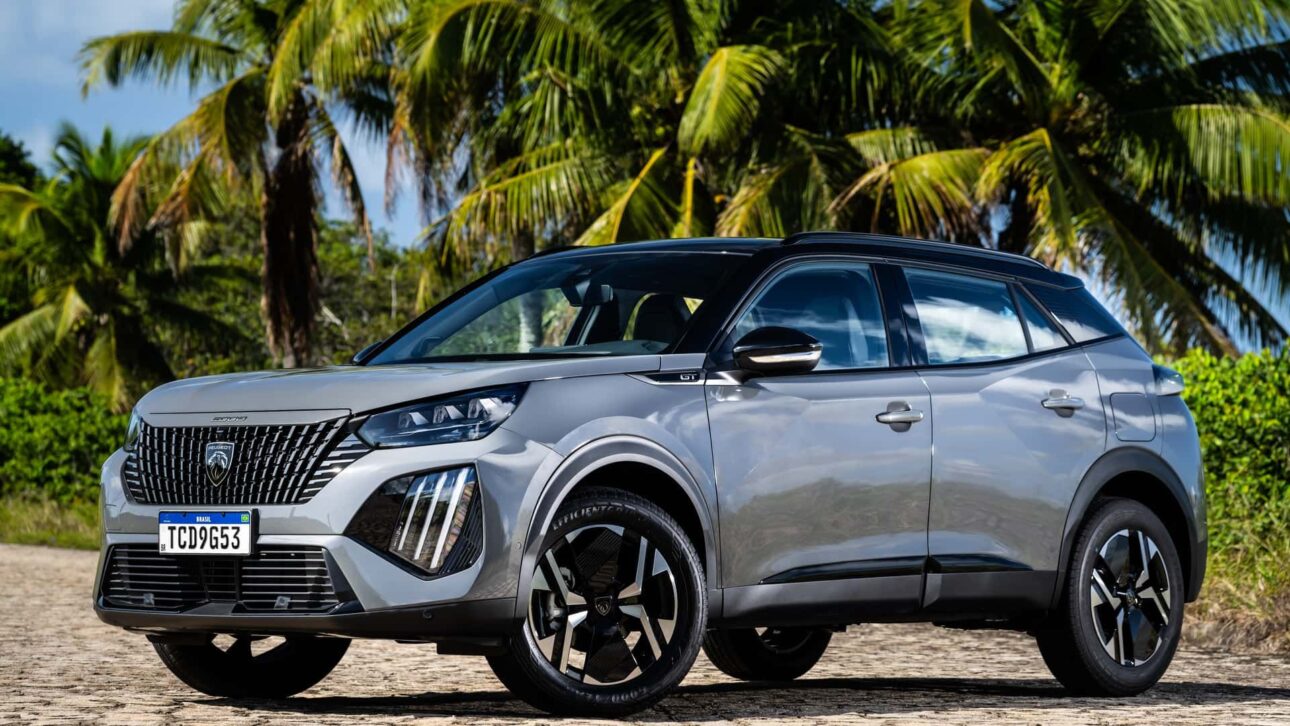
The dimensions — 4.30 m in length and 2.61 m in wheelbase — place the 2008 at the heart of the segment, with good use of space and a trunk compatible with family proposals.
Features like electronic parking brake, 17” wheels, and updated multimedia are included, and the dealership network often runs price campaigns on the better-equipped versions.
For those who drive mainly in the city, the 12V system aids in quick accelerations and short starts, contributing to efficiency without altering the user experience.
Bonus Car: Nissan Versa, the Rational and Economical Sedan
Among compact sedans, the Nissan Versa stands out as an alternative for price, rear space, and fuel consumption.
The 1.6 flex engine with 113 hp works with a CVT transmission, prioritizing smoothness.
Official numbers from Inmetro show 7.9 km/l in the city and 10.5 km/l on the highway (ethanol), or 11.5 km/l and 15.0 km/l (gasoline), performance that appeals to those who drive a lot and want predictable expenses.
In size, the sedan measures 4.49 m in length, has a 2.62 m wheelbase, and a trunk of 482 liters (VDA standard), a high point of the three-volume body style for families and app drivers.
Features like electric steering, hill start assist, and Zero Gravity technology seats are available in the lineup, enhancing comfort and ergonomics without raising the price to the levels of larger sedans.
In a scenario with crowded showrooms and marketing concentrated on sales champions, these models offer concrete usage arguments — whether in the versatility of seven seats, the robustness of the bed, the complete package of a medium SUV, or the contained consumption of a rational sedan.
In your situation, which of these “forgotten” models seems like the best deal today?






-

-

-

-

-

16 pessoas reagiram a isso.