





 English
  Francês
  Alemão
  Italiano
  Japonês
  Norueguês
  Portuguese
  Spanish
 3 min of reading


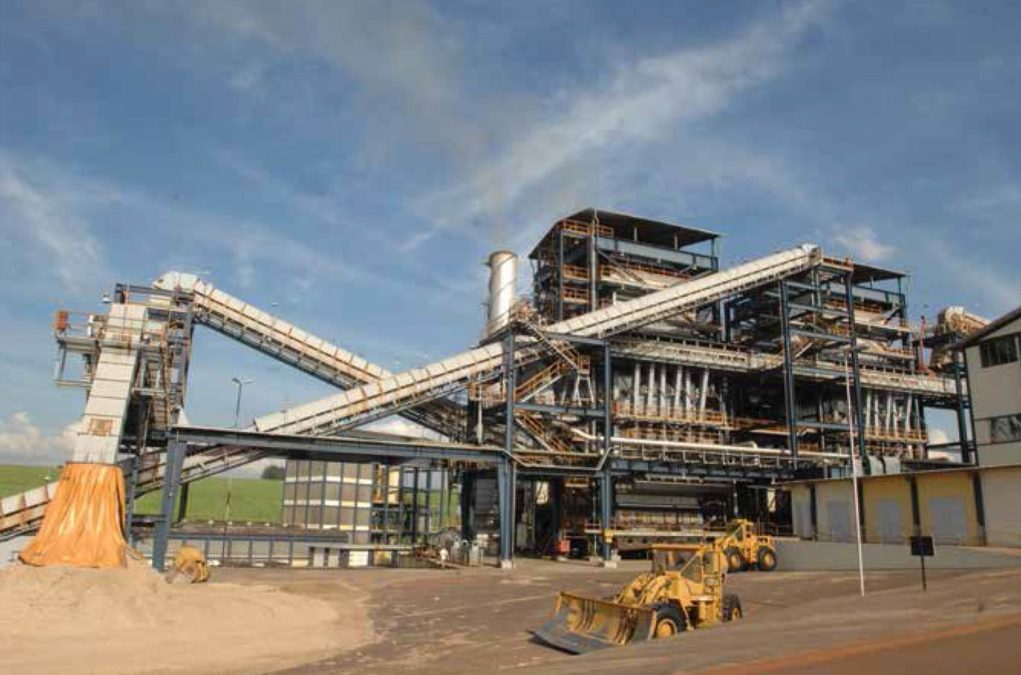
The São Francisco Plant Will Install, at the Agro-Industrial and Bioenergy Hub of the Médio São Francisco, in Bahia, Its New Enterprise and Jobs Will Be Created
Last Friday, the government of the state of Bahia signed a letter of intent with the São Francisco Plant to install the third sugar and ethanol plant at the Agro-Industrial and Bioenergy Hub of the Médio São Francisco. The new enterprise will be dedicated to the production of anhydrous and hydrated ethanol, animal feed, and electricity. Initial investments in the new plant may reach R$ 400 million, and the expectation is that 8,000 jobs will be generated in the state of Bahia. Also see: Santa Adélia Plant Secures R$ 100 Million Financing from BNDES for Biofuels Production Unit in Jaboticabal (SP)
- Labor Ministry Raids Rescue Workers from MRV Subjected to Slave Labor in RS; Constructor Has a Long History on the Matter
- Car with Personality: Check Out What Can Be Customized on Your Vehicle
- Israeli Company Prepares Another Test for What Will Be the World’s First Highway with Electric Vehicle Charging Capability
- Subsea 7 Secures Billion-Dollar Contract to Manufacture Submarine Structure for FPSO Duque de Caxias from Brazil’s Largest Oil Company
- Unifor Opens 1,050 Free Course Slots in Administrative Assistant, Pharmacy Attendant, Human Resources, and More in Fortaleza
Signing of the Protocol Between the Plant and the Government of Bahia
João Leão, Vice-Governor of Bahia, stated that the goal is to create 11 plants with production capacity to supply all of Bahia. People who always refuel their cars with ethanol will now refuel with ethanol produced directly in the state. He also emphasizes that the plan is to stop importing ethanol from other states and to become competitive in the market, as well as to develop the region where the municipalities hosting this project are located: Barra, Muquém do São Francisco, and Xique-Xique.
Nelson Leal, head of SDE, says that the state of Bahia has incredible agro-industrial development potential. Leal further states that the letter of intent signed with the plant strengthens the implementation of the Agro-Industrial Hub and that he visited the municipality of Barra in Bahia, getting to know the ongoing works for the first plant of the Hub – Serpasa – and was impressed with the quality of the sugarcane planted in the region for sugar and ethanol production. Nelson concludes by saying that jobs, income, and revenue will be generated for the municipalities, and they will advance and overcome the crisis.
-
Unemployment rises again to 5.8% at the beginning of 2026, raising alarms about the end of temporary positions and its impact on the Brazilian job market.

-
Document organization can cut invisible costs in small businesses, a simple step that prevents waste, rework, and losses in daily operations.

-
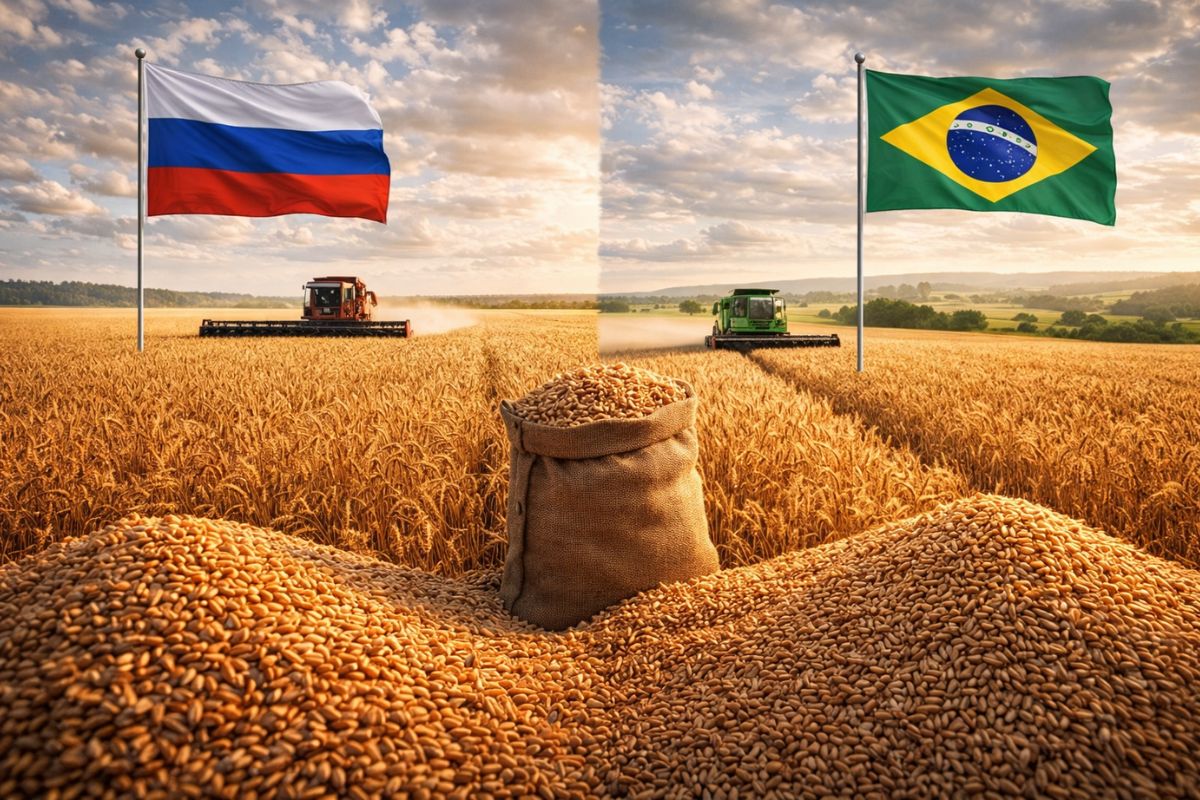
While Russia dominates the global wheat market, Brazil emerges as an unexpected competitor in the Cerrado, offering grain available in July and August when stocks in the Northern Hemisphere are at their lowest point of the year.
-
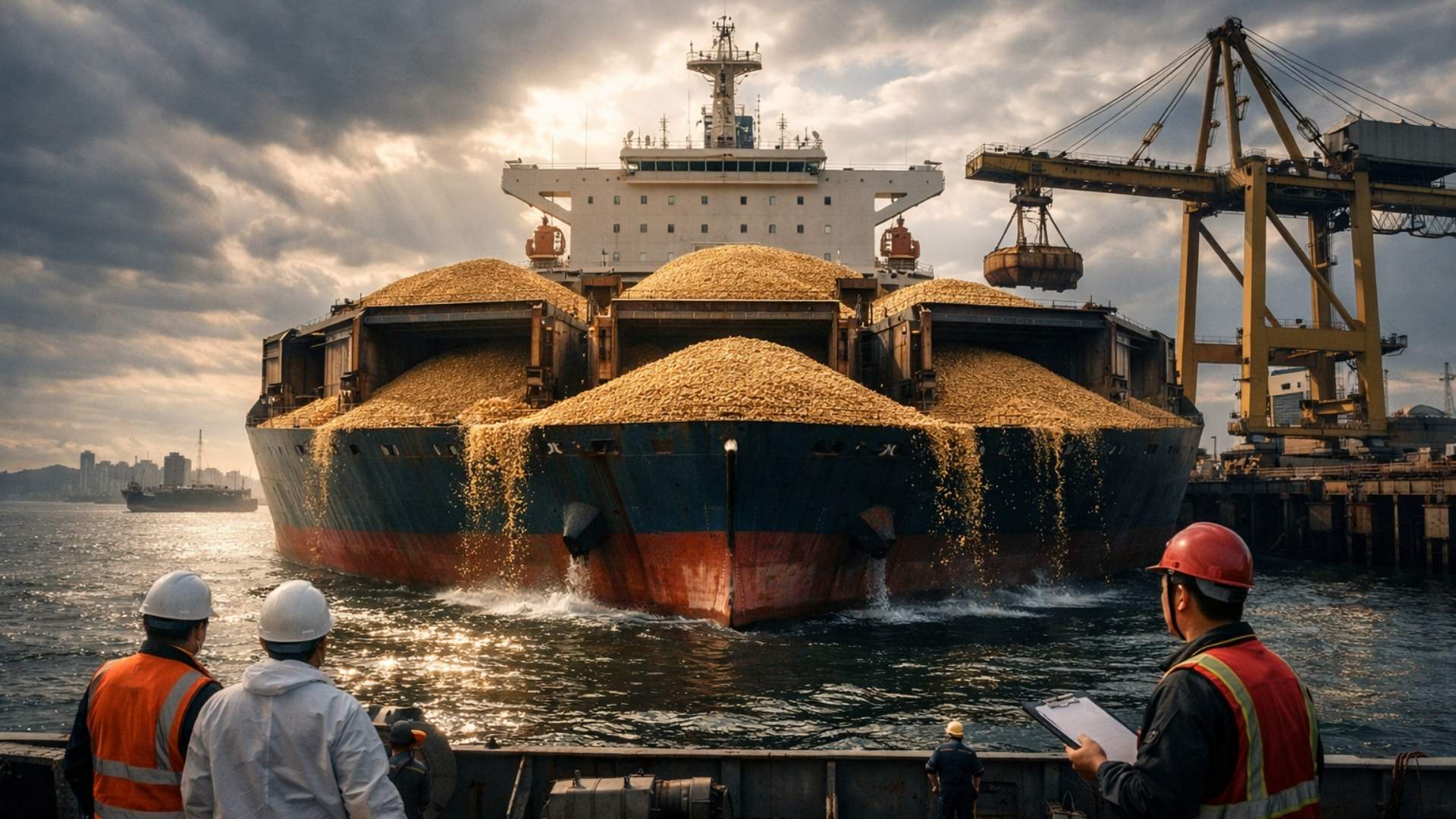
China returned almost 20 Brazilian ships with soybeans, but now everything could change: the country that buys 80% of the grain is considering relaxing regulations after impurities held up shipments of thousands of tons and caused million-dollar losses.

The Enterprise to Be Installed in Bahia and the Creation of New Jobs
Pedro Leite, director of the plant, says they are happy to participate in this initiative of the government of Bahia, of the Bioenergy Hub in the Médio São Francisco, a region with wonderful potential from the point of view of bioenergy, of the zero carbon agenda, and of balancing greenhouse gas emissions, which plays a pivotal role in the state’s energy matrix. Leite also states they are very confident about starting operations immediately and being able to contribute to development in the state of Bahia, with the generation of income and jobs.
The investment group that intends to set up the sugar-energy plant was part of the institutional mission of the government of Bahia that visited the region this week. The new plant is expected to produce 2 million tons of sugarcane per year, 80,000 liters of anhydrous ethanol/year, and 85,000 liters of hydrated ethanol/year.
According to the plant’s director, 1,000 new direct jobs and an additional 7,000 indirect jobs will be generated when the enterprise is fully operational. In the first phase of implementation, there will be 400 direct jobs, prioritizing the qualification and hiring of local labor. The idea, according to him, is to contribute to the growth of per capita GDP in the region and, in doing so, promote socio-economic development.






Seja o primeiro a reagir!