Portuguese
  Spanish


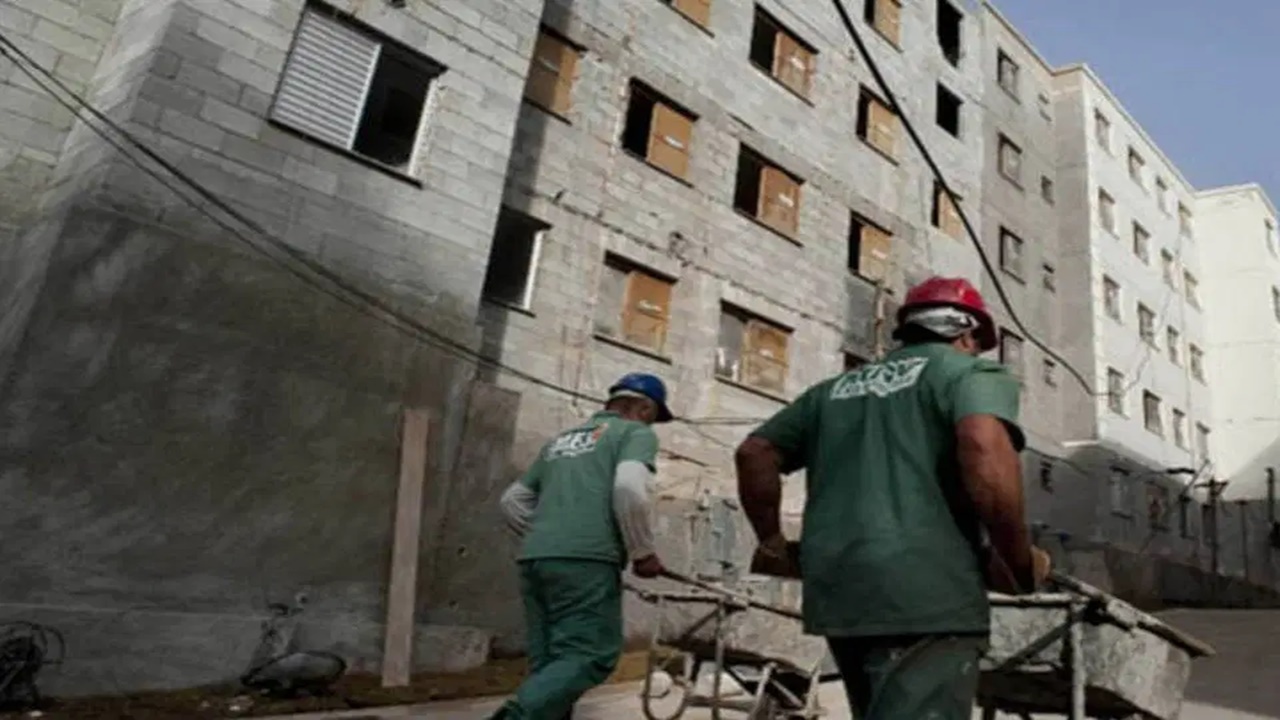

Gruesome Details Are Reported by MTE Auditors Involving Slave Labor at MRV Construction Sites in Macaé, São Paulo, Minas Gerais, and Curitiba.
An operation by the Public Ministry of Labor, involving the company MRV, rescued 16 workers in conditions akin to slavery at two of the company’s establishments located in São Leopoldo and Porto Alegre, in Rio Grande do Sul. The MRV Construction Company is owned by Rubens Menin, who also holds 100% of CNN Brazil. This is not the first time this has happened; the businessman has a history of lawsuits involving this type of situation.
Read Also
- Subsea 7 Secures Billion-Dollar Contract to Fabricate Subsea Structure for FPSO Duque de Caxias from Brazil’s Largest Oil Company
- Modec Opens Selection Process in Macaé, Rio de Janeiro, and Santos in the Areas of Operations, Administration, Engineering, Accounting, Economics and More in Its Internship Program
- Heavy Civil Construction Projects Demand Job Openings for Helpers, Carpenters, Masons, Technicians and More on This Day, May 24
- Multinational Owner of Veja, Vanish, SBP and Lysol Opens Dozens of Positions for Candidates Without Experience in the 2021 Trainee Program with Salaries of Up to R$ 8,500!
- Red Bull, the Global Leader in Energy Drinks, Calls for Job and Internship Openings for Candidates With and Without Experience, From High School and College in Its Factories in SP, RJ, RS, PE and More!
According to the Public Ministry of Labor of Rio Grande do Sul, the victims, who were recruited in cities in the interior of Maranhão, “were suffering deductions for a ‘basic basket,’ which further reduced the chances of workers being able to gather the conditions to leave the place and return to their state.”

MRV Has an Extensive “Curriculum” of Sanctions for the Same Reason
Gruesome details were reported in a report by five labor auditors from the Ministry of Labor and Employment (MTE) in 2014, involving a construction site of MRV in Macaé, Rio de Janeiro. In this operation, 118 workers were rescued from such violations.
-
Abandoned House Renovation Fixes Decades-Long Leak in Two Days with Red Steel Roof Installation

-
Man Builds Entire House by Hand from Abandoned Pallets Found in Brazilian Forest, Complete with Round Door and Matching Doghouse
-
California Diverts 65% of Construction Waste from Landfills, Repurposing Millions of Tons into Road Base, New Asphalt, and Wood Chips
-
Japan Constructs World’s Deepest Sea Wall in the Pacific, Sinking Massive Concrete Structures for Three Decades


“The housing was poor. The restrooms were terrible, with feces leaking. The workers had to shower using PPE [Personal Protective Equipment], such as boots. The cafeteria was located above the restrooms. The smell was unbearable. No one can eat in a place that smells like urine,” reported Márcia Albernaz, the auditor who led the inspection.
This was the fifth inspection conducted against the company since February 2011, when 63 workers were rescued from conditions analogous to slavery in the construction of a residential condominium in Americana, São Paulo.
At that time, the MRV construction company was fined R$ 6.7 million for slave labor, including the payment of a severance payment of nearly R$ 230,000 to the victims.
Between the two operations, rescues were made at construction sites in Contagem (MG) in 2013, and in Bauru (SP) and Curitiba (PR) in 2011.
In all operations carried out by the competent public agencies, the report of the situation was the same: forced labor, degrading conditions, and exhausting working hours.
MRV Hires Contractors to “Camouflage” Slave Labor and Transfer Responsibility to These Small Companies
The labor was done by companies outsourced by the construction company to exempt itself and transfer the responsibility to these small companies.
Only between 2004 and 2012, the MRV construction company faced 3,029 labor lawsuits, with an absolute concentration (74%) from 2009 to 2011.
Rubens Menin has been leading various actions since 2014 to prevent the names of companies that exploit workers from being disclosed. On several occasions, the businessman managed to have the name of the MRV construction company removed from the so-called “dirty list of slave labor.”
The first action by the businessman resulted in the suspension of the list by the Supreme Court, from the end of 2014 until May 2016. In March 2017, the Temer government again blocked the disclosure of the ‘dirty list,’ which was only considered constitutional by the Supreme Court again in September 2020.
If institutions do not take seriously the absurdities practiced by Rubens Menin, he will remain free to subject workers to the most inhumane conditions possible.
The MRV construction company is present in approximately 100 municipalities across 17 Brazilian states, and Rubens Menin’s company is the largest contractor operating the federal housing program Minha Casa Minha Vida.