





 Portuguese
  English
  Spanish
  4 min of reading
  3 comments


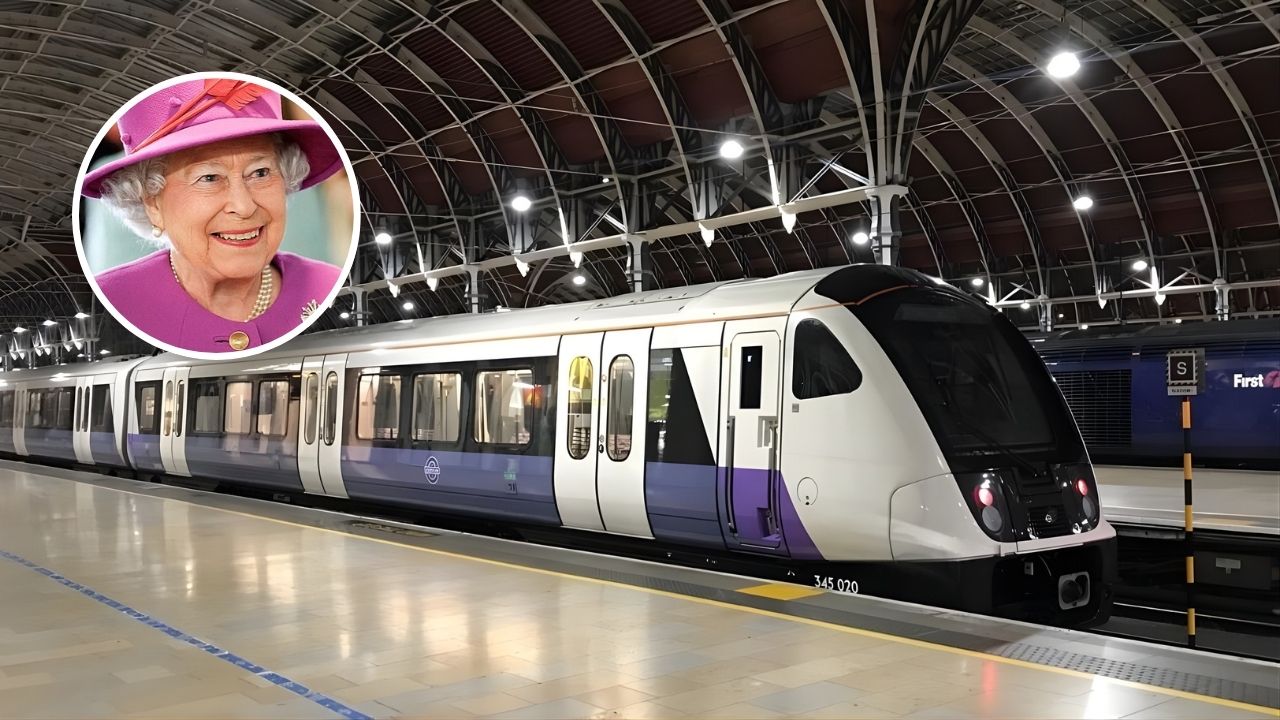


To Build 42 Km of Tunnels Beneath London, the Elizabeth Line Crossed Historical Foundations and Operated TBMs Centimeters from Active Stations, Becoming a Global Benchmark in Underground Engineering.
London is a rare case of a metropolis that grows over its own history. Medieval streets, Victorian buildings, underground galleries, sewage networks from the 1860s, electrical cables, fiber optics, church foundations, pioneering 19th-century subways—all compressed into urban layers that make any excavation a millimeter-surgical procedure. Now imagine inserting 42 km of new railway tunnels within that complexity, without paralyzing the city, without visible dust, without surface invasion, and with high-capacity trains running beneath iconic monuments.
This is the achievement of the Elizabeth Line, the largest recent urban infrastructure project in the United Kingdom, which expanded London’s railway network and provided global lessons on how to build in living and historically dense cities.
Precision Engineering Under a City That Cannot Stop
The first major challenge was not excavation—it was understanding what was underground. The planning required three-dimensional mapping, radar imaging, geotechnical surveys, and consultation of historical archives to reconstruct everything that already existed below street level. London has 19th-century gas pipes, modern aqueducts, monumental sewer ducts, telecommunication cables, and the structures of the Underground, the oldest subway in the world, inaugurated in 1863.
-
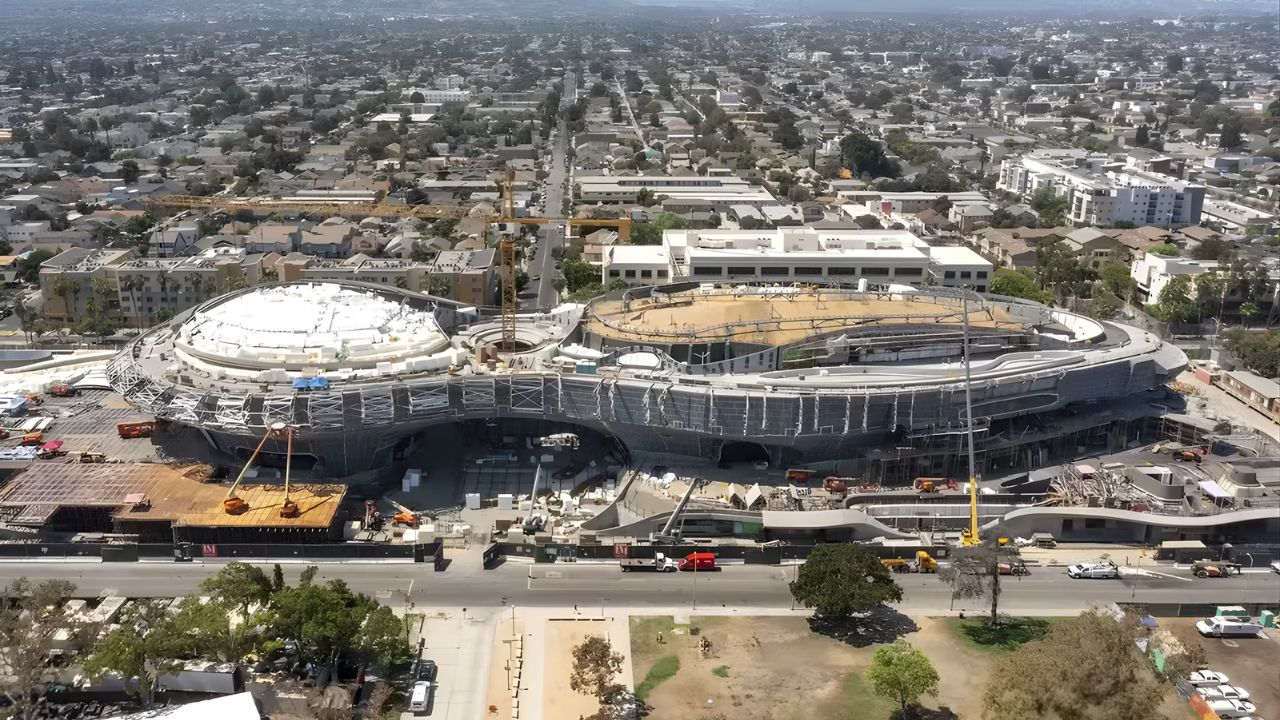
Created by George Lucas with over $1 billion, a futuristic museum in the shape of a spaceship with 1,500 curved panels is about to open in Los Angeles and will house one of the largest private collections of narrative art in the world.
-
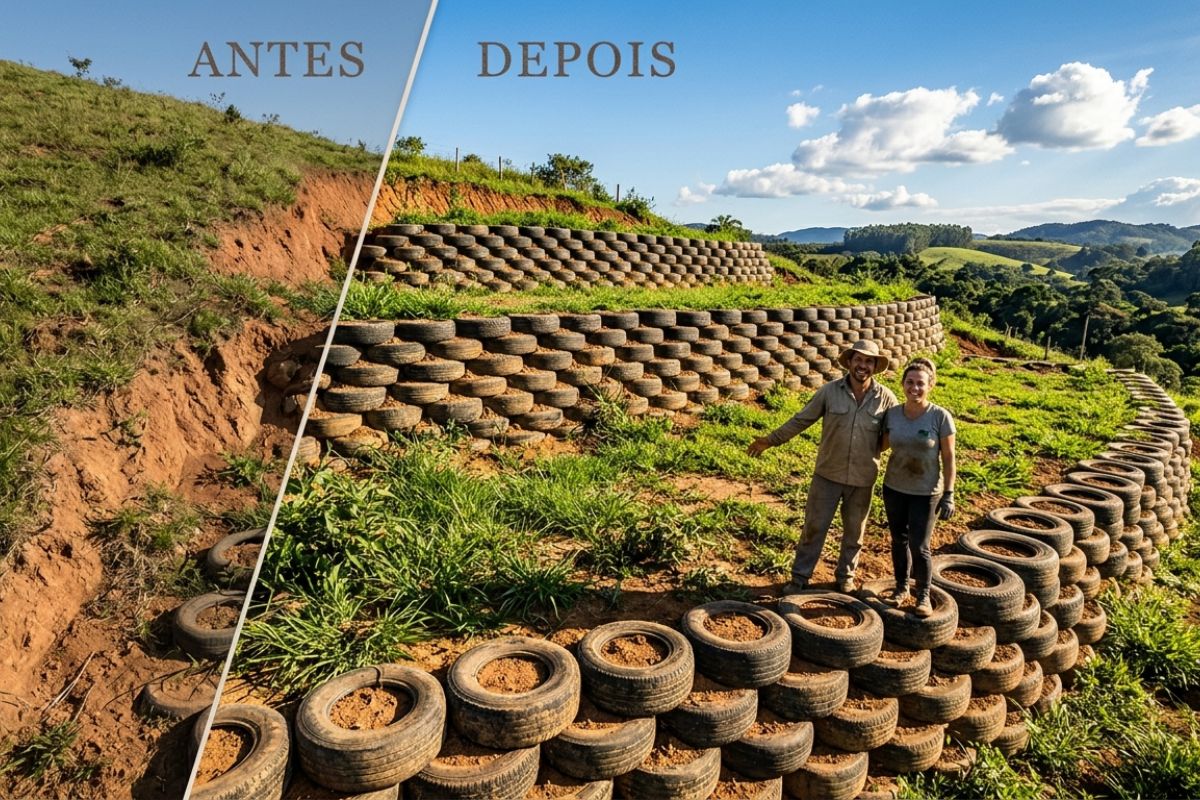
Couple shows how they built a retaining wall on their property using 400 old tires: sloped land turned into plateaus, tires are aligned, filled, and compacted with layers of soil, with grass helping in support and at almost zero cost.
-
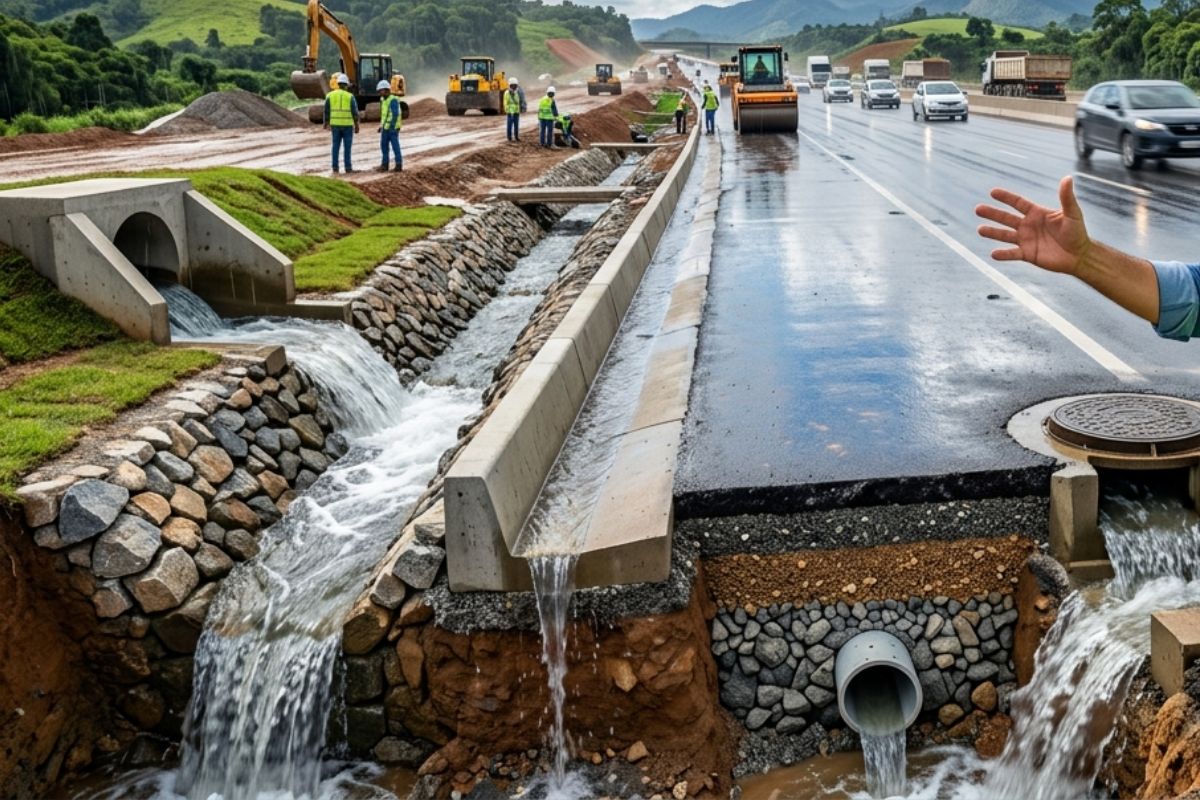
Engineer explains drainage during the rainy season: the difference between surface water and deep water, ditches, gutters, and water outlets on the road, as well as drains and drainage mattresses, to prevent erosion, aquaplaning, and flooding at the construction site today.
-
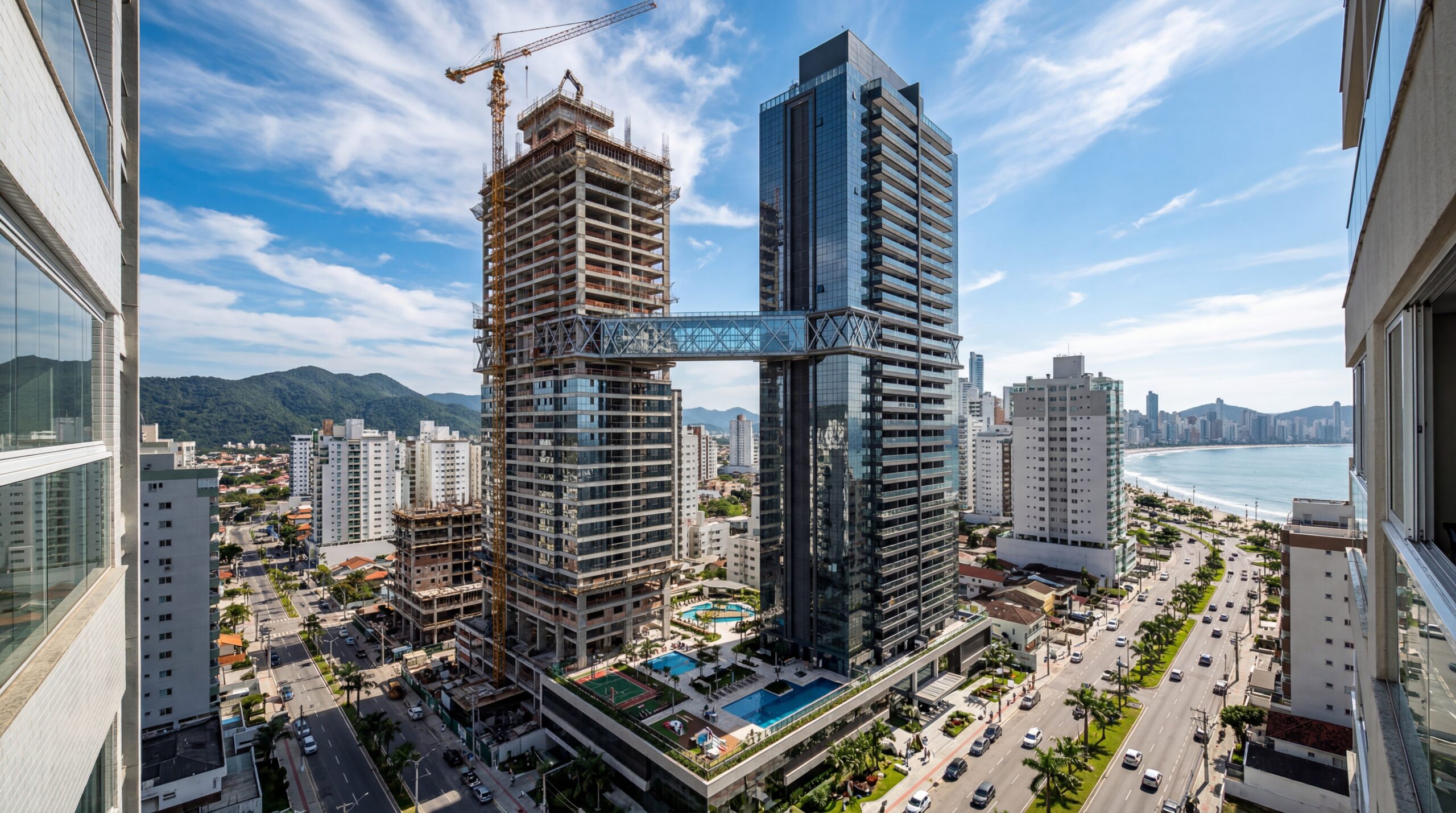
With 55 floors, 177 meters in height, a 15-meter walkway between the twin towers, ventilated facade, and 6,300 m² of leisure space, Ápice Towers already has one tower completed and another nearly at the top.

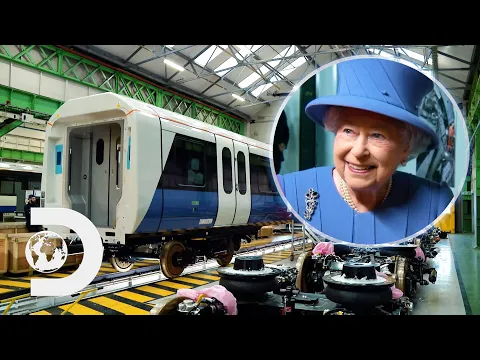

The risk of collision was real: breaking a drainage gallery, hitting an operational tunnel, or destabilizing historical foundations would mean paralyzing entire areas of the city and causing enormous losses. The solution was to use Tunnel Boring Machines (TBMs) guided with millimeter precision, accompanied by deformation sensors in the soil, accelerometers in buildings, and continuous vibration monitoring.
In some sections, the TBMs passed centimeters from existing tunnels and old platforms, such as at Tottenham Court Road and Liverpool Street, where the underground was already a tangled web of railways. There was no service interruption, which reveals the care taken with geotechnics and ground settlement control.
The Meeting of History and Geology
Few people imagine that the underground of London is composed of layers with radically different characteristics. The most important for the project is the London Clay, a relatively stable clay, ideal for excavations because it reduces the risk of disintegration. However, the route was not uniform: some stretches required crossing sandy, gravelly, alluvial sediments, mixed formations, and areas with groundwater presence.
Engineers had to adjust the pressure of the cutter heads of the TBMs, deal with infiltrations, stabilize the ground with chemical injections, and install pre-cast segment linings almost in real-time to prevent collapses. Each meter excavated required rapid geotechnical decisions, calibrated from data collected minute by minute.
At the same time, architects and historians monitored excavations near listed buildings, ensuring that vibrations did not exceed tolerable limits, preserving heritage sites such as Georgian period churches and 19th-century Victorian structures.
Subterranean Stations That Function as Modern Cathedrals
The impact of the project is not only in the tunnels. The new stations, such as Paddington, Farringdon, and Whitechapel, were designed as large underground volumes with ventilation, full accessibility, elongated platforms, and integration with old lines.
The case of Farringdon is emblematic: the station connects the Elizabeth Line to Thameslink and the subway, creating one of the most efficient railway nodes in Europe. All of this was excavated beneath active streets, with traffic, commerce, and residences intact.
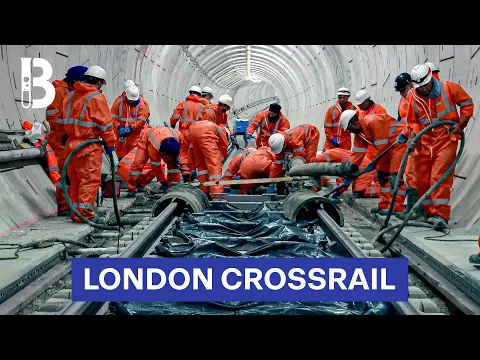
The architecture used pre-cast panels, high-strength concrete, and modular linings to facilitate maintenance and prolong the life of the structure. The result is a type of technical cathedral: spacious, artificially lit, quiet, and with smooth human circulation, supported by mechanical ventilation and smoke extraction systems prepared for emergencies.
Urban, Logistical, and Economic Impact
The Elizabeth Line began to open to the public in May 2022. Its effects are not only on mobility—they are on urban reconfiguration:
- Integrates peripheral regions that previously depended on slow trains;
- Reduces travel time between areas such as Heathrow, Canary Wharf, and Paddington;
- Increases property value in connected neighborhoods;
- Relieves pressure from old subway lines, reducing overcrowding;
- Increases the capacity of the urban system, essential in a global capital.
Preliminary studies estimated an accumulated economic impact of tens of billions of pounds over the coming decades, considering productivity, tourism, logistics, and the labor market.
The Global Lesson: The Future of Megacities Passes Through the Underground
The London case echoes a global trend: consolidated megacities no longer have surface space for large infrastructures, and the solution is to go underground. Tokyo, Paris, New York, Hong Kong, Seoul, and São Paulo face similar challenges.
What sets London apart is the mix of heritage, complex geology, and extreme technical necessity. Excavating under empty streets would be easy; the difficult part is excavating under dense historic centers, with no perceptible noise, no evacuating populations, and no shutting down essential services.
In the End, a Work Designed to Disappear
The Elizabeth Line was not created to be seen, but to become an invisible part of the city. Its tunnels do not appear on postcards, yet carry hundreds of thousands of people a day, sustaining a financial metropolis that relies on fast, quiet, and predictable mobility.
This raises an important reflection: how many works essential for the urban future will never be celebrated because they remain hidden?
In the case of London, perhaps the greatest success of the project is precisely this: it has become impossible to notice—and therefore, absolutely indispensable.









Foi sensacional os beneficios desta linha
Tive a oportunidade de presenciar sua construção em especial a reforma da estação de ILFORD…A discrição dos Ingleses foi fantastica, a reabertura da entrada principal foi feita sem alardes…o sucesso foi total….
ENQUANTO ISSO NO BRASIL AS OBRAS DO METRÔ EM VÁRIAS CAPITAIS SEGUEM A PASSO DE TARTARUGA, OU SIMPLESMENTE NÃO SAEM DO LUGAR HÁ ANOS, BILHÕES SÃO GASTOS E OS PRÉDIOS HISTÓRICOS SE PRECISAREM SÃO DEMOLIDOS SEM NENHUM PLANO PARA PRESERVAÇÃO. MUSEUS PEGAM FOGO DO NADA, NINGUÉM É RESPONSABILIZADO, E A CORRUPÇÃO IMPERA. VIVA O BRASIL!
Idéntica porquería en Lima, Perú.