





 Portuguese
  English
  Spanish
  7 min of reading
  0 comments



Engine Choice Directly Influences How Much the Driver Will Spend on Repairs Over the Years, According to Experts, and Some Sets Stand Out for Their Simplicity, Parts Availability, and Good Reputation Among Mechanics.
In a country where the car is still, for many people, the main means of transportation, the expense with repairs weighs increasingly on the budget.
Among mechanics consulted in independent workshops and specialized networks, some sets are repeated when the topic is cheap-to-repair engine, forming a group of five engine families that manage to combine accessible parts, simple labor, and a low incidence of serious failures.
In practice, choosing a car equipped with these engines is a financial decision as much as a mobility one.
-
The Toyota Hilux is R$ 75.5 thousand cheaper and bets on the 2.8 turbodiesel engine with up to 204 hp and 50.9 kgfm to catch up with the VW Saveiro, which leads with 4,472 sales.

-
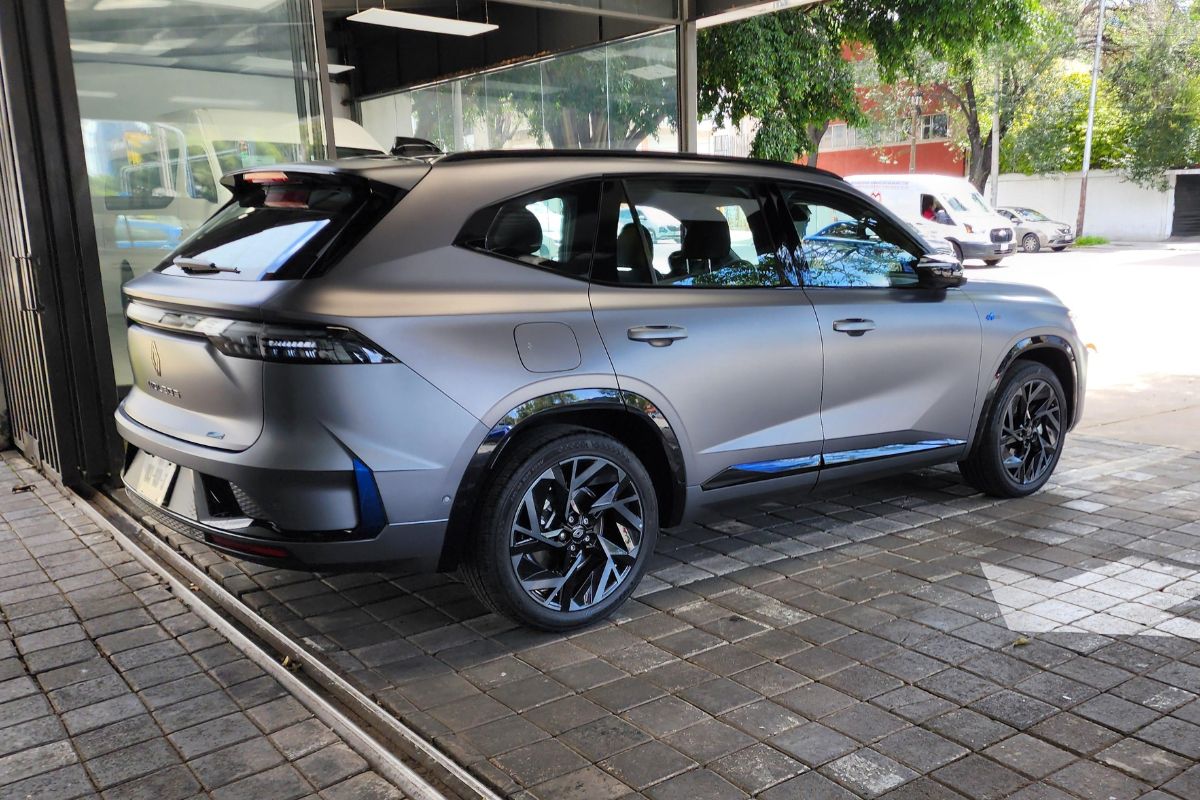
The new Renault Koleos has a screen exclusively for the passenger that is invisible to the driver, heated rear seats, and 29 assistance systems, but its Chinese competitors cost R$ 40,000 less and deliver more power.
-
The car stored for 38 years: when opening the barn door, what appears is breathtaking and looks like a scene from a movie!

-
Fiat works miracles in the Brazilian market, lowers the price of its 0 km hatch to R$ 69,990, reestablishes the model as the cheapest car in the country, and reignites the battle against Kwid and C3.

Instead of just looking at fuel consumption and comfort, owners have given more weight to the lower repair cost, a term that encompasses price and availability of components, mechanical complexity, and the frequency with which defects appear that require opening the engine.
See below how these factors intersect in the engines most mentioned by repairers and by specialized technical publications in the automotive sector.
What Defines Low Maintenance Cost
The maintenance cost of an engine does not depend solely on the dealership’s price list.
In engines used for many years in popular cars, a broad market for original, aftermarket, and refurbished parts forms, which pushes prices down.
This is the case with engines widely used in entry-level and commercial models, which have been circulating on Brazilian streets for decades.
Another decisive point is the simplicity of construction.
Aspirated engines, with four cylinders and eight valves, without turbo and without direct injection, are usually easier to diagnose and repair.
This reduces service time and allows for more skilled workshops to perform the work, which, consequently, also tends to lower the final price.
On the other hand, sets with turbochargers, complex multi-valve cylinder heads, or more sophisticated fuel systems require specific tools and knowledge, which increases labor costs.
Finally, the history of chronic failures weighs in.
Even a simple engine can become expensive if it frequently presents problems with the cylinder head, overheating, or lubrication that require recurring overhauls.
When the design is robust, interventions tend to concentrate on items of natural wear, such as belts, spark plugs, coils, and water pumps, with more predictable costs for the car owner.
Fiat Fire: Simplicity as an Advantage
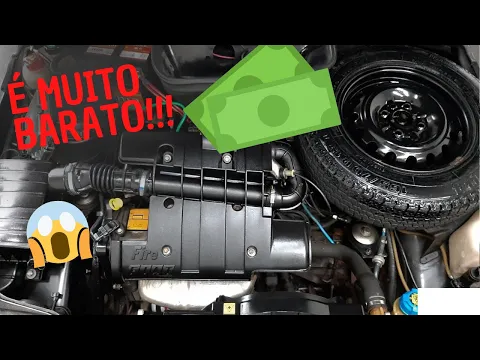
Among the engines most mentioned by repairers when the topic is cheap maintenance is the Fiat Fire, in the 1.0 and 1.4 versions with eight valves, which equip models like Uno, Palio, Siena, Mobi, and Strada over the years.
Launched in the early 2000s, the family gained fame precisely because of the combination of low consumption, simple design, and a large supply of components in the aftermarket.

Mechanics highlight that most services involve replacing belts, clutches, cooling items, and repairing small oil leaks.
There are reports of cylinder head gasket burn, especially in units that have operated under overheating or neglected maintenance, but the repair is relatively straightforward and is generally performed by neighborhood workshops at considered low costs.
The fact that almost every repairer has disassembled a Fire at some point helps keep costs under control.
Chevrolet Family I / SPE/4: Abundant Parts and Accessible Labor
Another family that often appears on the list of most friendly maintenance engines is the Chevrolet Family I, including the SPE/4 versions used in Corsa, Celta, Prisma, and first-generation Onix, among other compact models from the brand.
This is an old design that has received updates but has maintained the basic structure of four cylinders and eight valves, with relatively simple mechanics well-known in Brazilian workshops.
As with the Fire, mass production and presence in various popular models have favored a vast stock of parts at different price points.

Routine services such as cylinder head inspections, ring replacements, seals, and cooling components are considered predictable in terms of cost.
Mechanics just warn about the importance of respecting oil and belt change intervals, as neglecting these can significantly increase the cost of any potential larger repairs.
Volkswagen EA111: Popularity That Reduces Expenses
In Volkswagen’s lineup, the EA111 in the 1.0 and 1.6 versions with eight valves, found in previous generations of Gol, Fox, and other compacts, is also frequently associated with relatively low repair costs.
The reason is similar: mass production over many years, a large circulation of these cars in the used market, and ample availability of new and refurbished parts.

Repairers, however, remember that the EA111 has already registered cases of lubrication problems, especially in certain 1.0 variants, as well as cooling and ignition failures in vehicles with neglected maintenance.
When the owner follows the maintenance schedule, uses oil with the correct specification, and does not postpone basic repairs, the engine remains reliable and, primarily, inexpensive to maintain.
It is precisely this difference between well-maintained units and cars running on the edge that determines whether the EA111 will continue to be among the engines with the lowest maintenance costs.
Toyota NR: Timing Chain and Few Serious Failures
Among the more modern engines, the Toyota NR family, in the 1.3 and 1.5 Dual VVT-i versions used in Etios and Yaris, is noted for combining good efficiency with a discreet history of serious failures.
Produced in Porto Feliz (SP), these engines use a timing chain instead of a timing belt, which eliminates the need for periodic replacements of that component, reducing a typical expense in other designs.

Workshops report that, except in cases of misuse or lack of basic maintenance, the NR engines tend to require few major interventions throughout their lifespan.
When there is a need to replace internal components, original parts tend to have a value above the average for more popular models.
Still, since the number of heavy repairs is lower, the total cost spread over the years ends up being competitive for the owner who follows the manual’s guidelines.
Hyundai Kappa and Gamma: Predictable Maintenance in Daily Life
Among the best-selling compact cars in the country, the Hyundai Kappa 1.0 and Gamma 1.6 aspirated engines, used in popular versions of the HB20 and models of the same base, appear on lists of engines well-rated by mechanics concerning maintenance costs.
They also use a timing chain, a feature seen as an advantage because it eliminates regular belt changes, and they have a good level of parts standardization across different years and versions.

In the daily work of the workshops, tasks focus on wear items such as spark plugs, coils, mounts, cooling components, and auxiliary systems.
Labor costs are considered average, but the good availability of parts, both original and aftermarket, helps keep the budget under control.
Mechanics just recommend special attention to using oil within the specified grade and to regularly cleaning the cooling system to avoid overheating, which can make any repair much more expensive.
Other Engines Remembered by Repairers
Although the main selection includes five families of engines frequently mentioned by repairers, other sets appear just behind when the topic is ease of maintenance.
The Volkswagen EA211 1.0 MPI aspirated, found in entry-level versions of models like Up! and newer Gol/Polo, is one example.
The aspirated configuration, without turbo, simplifies interventions and shares several wear components with other versions of the line, which helps keep costs at competitive levels.
Another recurring name is the Renault K7M 1.6 8V, used in Logan, Sandero, and older utility vehicles.
This is a simply designed engine, with widely available parts, well-known in independent workshops.
Problems such as cylinder head gasket failures can arise, especially in units that have operated for a long time with neglected cooling systems, but the repair usually has a cost considered acceptable by owners and mechanics.

How to Reduce Repair Costs Even Further
Opting for an engine known for having a low maintenance cost is just the first step to protecting the budget.
The second is to strictly follow the maintenance schedule indicated in the manual, adhering to oil, filter, and fluid change intervals.
Opting for quality parts, whether original or well-rated aftermarket, reduces the risk of rework and premature failures that require the car to return to the shop shortly after repair.
Choosing trustworthy workshops with a proven track record and proper equipment also makes a difference.
Even in simple engines, inaccurate diagnostics can lead to unnecessary part replacements, increasing the cost of a repair that should be cheap.
A good dialogue with the repairer, with a detailed budget and explanations about what will be replaced, helps avoid surprises.
For those considering buying a used car, it is worth investigating the vehicle’s maintenance history, asking for service receipts, and checking if the main items related to the engine have been changed within the recommended timelines.
A pre-purchase inspection with a trusted mechanic can identify signs of overheating, leaks, or unusual noises that indicate the need for an expensive repair in the short term.
When evaluating the next car, do you plan to prioritize one of these engines highlighted by mechanics as being cheaper to maintain, or are you willing to pay more in repairs in exchange for more power and technology?






-

-

-

-

-

-

45 pessoas reagiram a isso.