





 Portuguese
  English
  Spanish
  5 min of reading
  1 comment




From Compacts to Mid-Size Pickup Trucks, Brazil Accumulates Examples of Identical Cars with Different Logos — A Practice Known as Rebadge, Involving Automakers Such as Chevrolet, Fiat, Renault, and Peugeot in Curious Global Partnerships
Recently adopted by Chevrolet with the Spark EUV, the strategy of launching cars developed by other manufacturers under its own brand is not new in Brazil. Over the years, this tactic has been widely used by automakers and has generated curious cases — some successful, others quickly forgotten. The method, known as rebadge, has appeared in practically all categories: from urban compacts to SUVs and mid-size pickups. The information in this article is from Auto Esporte.
The practice is simple and advantageous. Within rebadge, the automaker saves development costs and time because it does not need to create a vehicle from scratch.
This way, it reduces investment in engineering and speeds up the arrival of new models at dealerships. Furthermore, the strategy allows for catering to specific niches or testing segments without compromising the company’s cash flow.
-
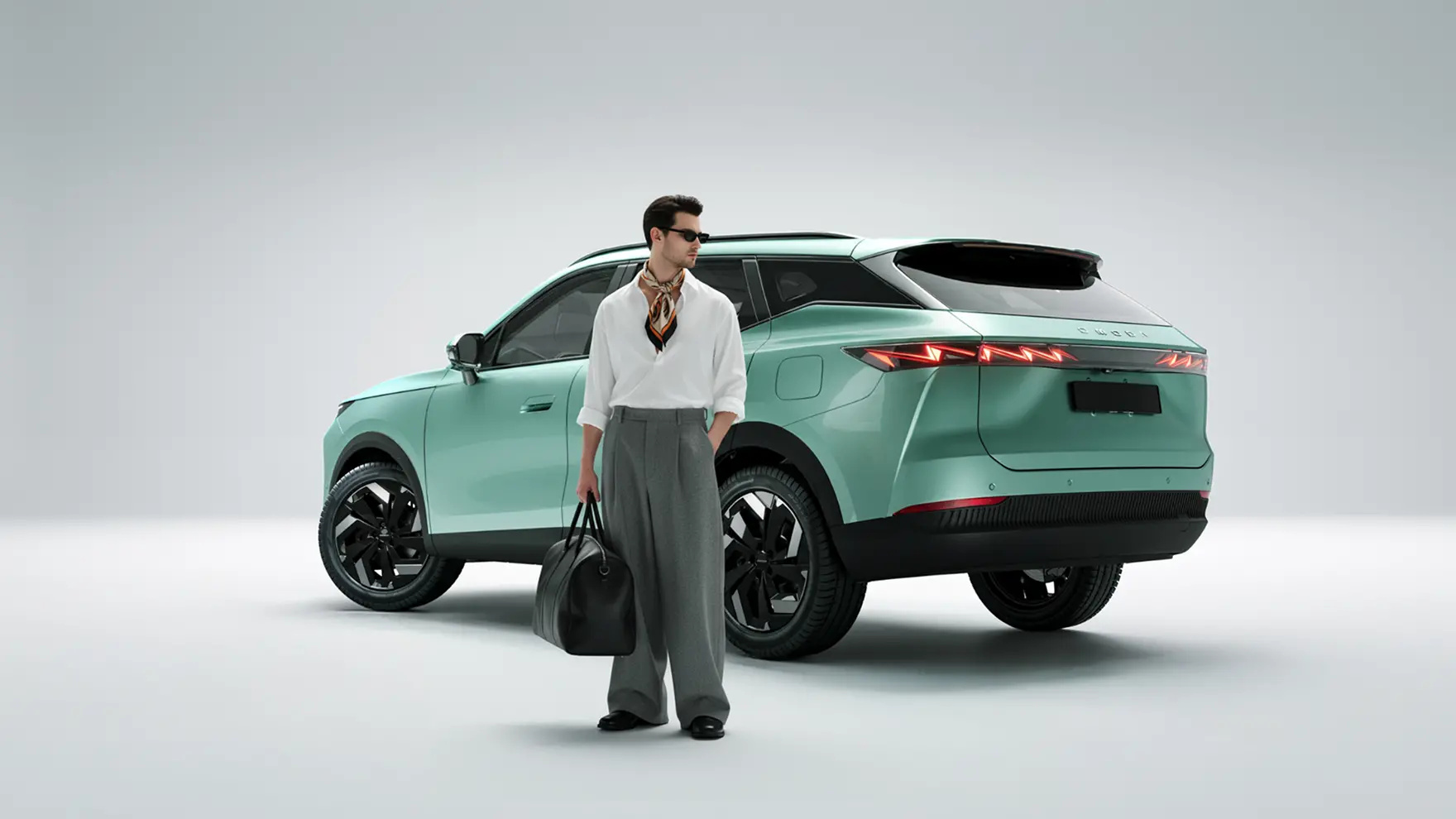
OMODA 7 transforms the car into a global aesthetic expression by combining automotive design and fashion in London.
-
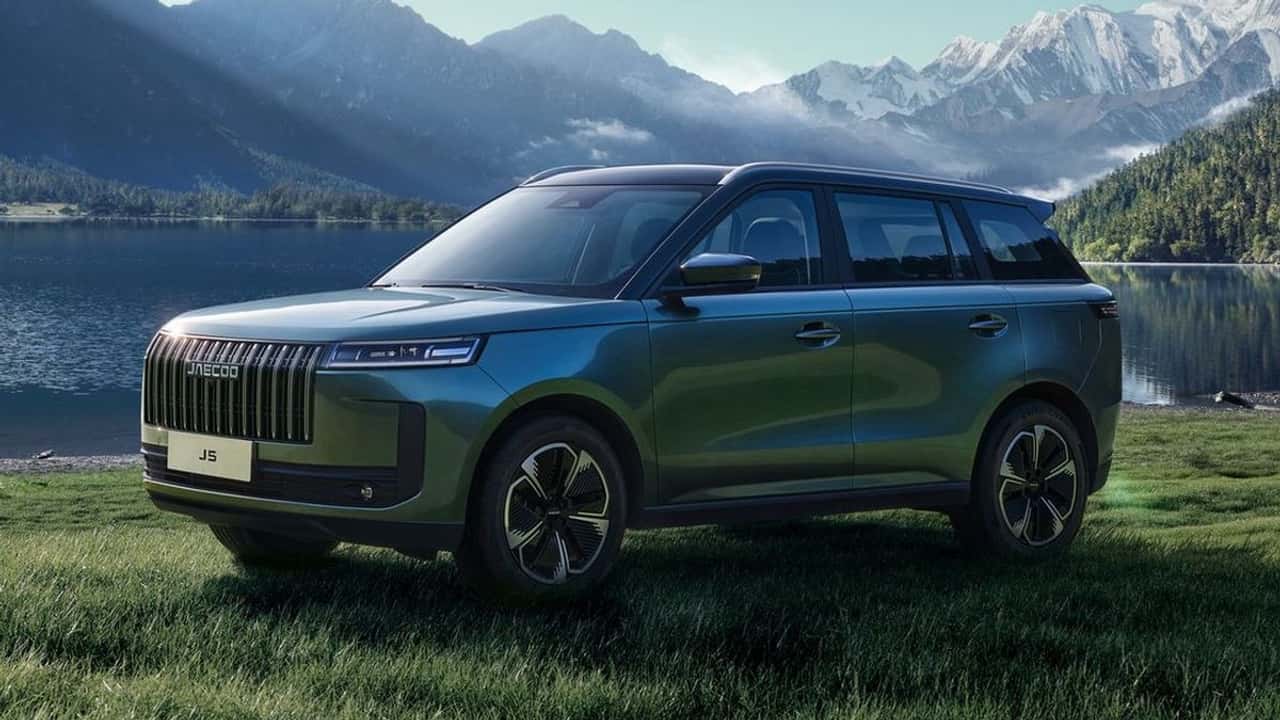
JAECOO takes the lead in global strategic markets and accelerates its trajectory to become a “global blockbuster maker” in the automotive industry.
-
OMODA redefines global aesthetics and elevates the OMODA 7 to a multicultural fashion icon, uniting design, technology, and international identity.
-
A 2024 Toyota Corolla hybrid with only 12,500 km ended up in the junkyard, and when the dismantling staff saw the car, they were shocked because they know that this model easily exceeds 300,000 km without serious mechanical issues.


This was the case with the Chevrolet Spark, which entered the compact electric market leveraging an already established project.
Autoesporte gathered five emblematic examples showing how rebadge has shaped part of the recent automotive history of the country — involving Chevrolet, Fiat, Renault, and even Peugeot.
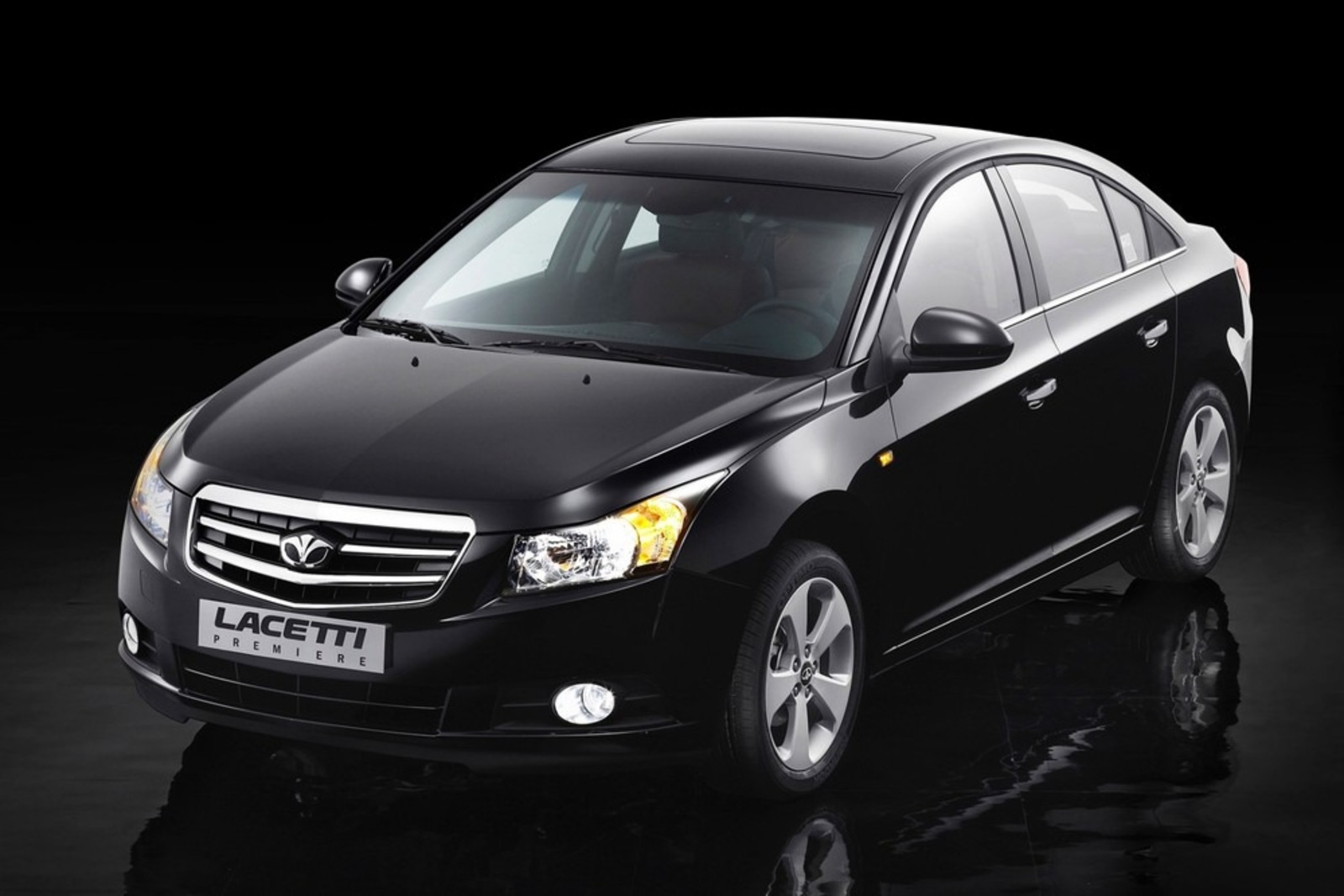
Daewoo Lacetti / Chevrolet Cruze
The first Chevrolet Cruze arrived in Brazil in 2011 to replace the Vectra and Astra, but its story began much earlier.
The model was originally developed by the defunct Daewoo, a subsidiary of General Motors in South Korea, and launched in 2008 as the Lacetti Premiere.
With the project ready and tested, Chevrolet simply applied its traditional gold bowtie and gave the car global projection, selling it also in the United States and various European markets.
The differences were minimal, mainly limited to the design of the front grille.
The technical base was the Delta II platform, created by Opel, which served as a foundation for several other GM vehicles.
This engineering sharing made the Cruze a classic success story of rebadge, showing that efficiency and standardization can go hand in hand.
Dodge Journey / Fiat Freemont
Even before the merger that would give rise to Stellantis, Fiat relied on rebadge to establish a presence in the medium SUV segment.
Thus was born the Fiat Freemont, twin to the Dodge Journey, launched in 2011 and produced in Mexico. The differences between them were almost imperceptible: grille, logos, and minor aesthetic adjustments.
Despite the similarity, each targeted a distinct audience. The Freemont was positioned as more accessible, with a simple interior and a 2.4 engine producing 172 hp paired with a four-speed automatic transmission.
In contrast, the Journey, sold until 2020, offered superior finishes and a V6 3.6 engine with 280 hp, with a six-speed transmission.
Both accommodated up to seven people, reinforcing their family appeal. However, the Freemont was discontinued in 2016, while the Journey maintained a strong presence until the end of the decade, standing out for its comfort and robustness.
Chevrolet Tracker / Suzuki Vitara
Long before the current national SUV, Chevrolet had already used the Tracker name in a project of Eastern origin.
In the late 1980s, the brand partnered with Suzuki to launch a model derived from the Grand Vitara in the United States.
The vehicle only arrived in Brazil in 2001, already in its second generation, manufactured in Argentina until 2006.
Visually, the differences compared to the Suzuki were discreet — basically the logos and the grille.
The model even offered a 2.0 turbodiesel engine, later replaced by a 2.0 gasoline engine, always maintaining 4×4 traction as a highlight.
The proposal was clear: to deliver robustness and off-road performance in a more accessible package.
Renault Logan, Sandero, and Duster / Dacia
Renault also adopted rebadge as a pillar of expansion in Brazil. The first example came with the Logan, launched here in 2007 but already sold in Europe since 2004.
Created by the Romanian Dacia, the model won over the European public with generous space and a competitive price — a formula that was repeated here with enormous success.
At the same time, the Sandero arrived, also developed by Dacia, which quickly became one of Renault’s best-selling cars in the country.
The model was so popular that it ended up replacing the Clio and marked a phase of strong growth for the French brand.
The success of Logan and Sandero paved the way for the Duster, launched in 2011 in Brazil, two years after debuting in Europe.
The SUV, also designed by Dacia, made its mark with good cost-benefit and simple mechanics.
Today, it is on its second national generation and third European version, still without a confirmed date to arrive in Brazil.
Fiat Titano / Peugeot Landtrek / Changan Hunter
More recently, Fiat repeated the formula with the Titano pickup, launched in 2024. The model is based on a project by the Chinese Changan, which created the Kaicene F70 (or Hunter) in 2019. The following year, the then PSA presented its own variation: the Peugeot Landtrek.
With the creation of Stellantis, Fiat inherited the project and adapted it to its visual identity. The Titano maintained the structure of the Landtrek, changing only the grille, logos, and wheels.
Under the hood, it received a 2.2 turbodiesel engine with 200 hp and an eight-speed automatic transmission, targeting the segment dominated by Hilux, Ranger, and S10.
Abroad, the original Changan project continues to evolve, with versions featuring an extended bed, gasoline options, and even an extended-range electric variant capable of exceeding 1,000 km.
A Strategy That Is Here to Stay
The rebadge remains a powerful tool for brands looking to expand their presence quickly and with lower investment.
Whether to test new segments, take advantage of global partnerships, or reduce costs, the practice has shown that a car’s identity goes far beyond the logo on the grille.
From Korea to Romania, from China to Brazil, these examples reveal that the automotive world is increasingly interconnected — and that behind a familiar emblem, there may exist a long shared history of engineering and strategy.
With information from Auto Esporte.






Great article, thank you for sharing these insights! I’ve tested many methods for building backlinks, and what really worked for me was using AI-powered automation. With us, we can scale link building in a safe and efficient way. It’s amazing to see how much time this saves compared to manual outreach.