





 Portuguese
  English
  Spanish
  4 min of reading
  0 comments


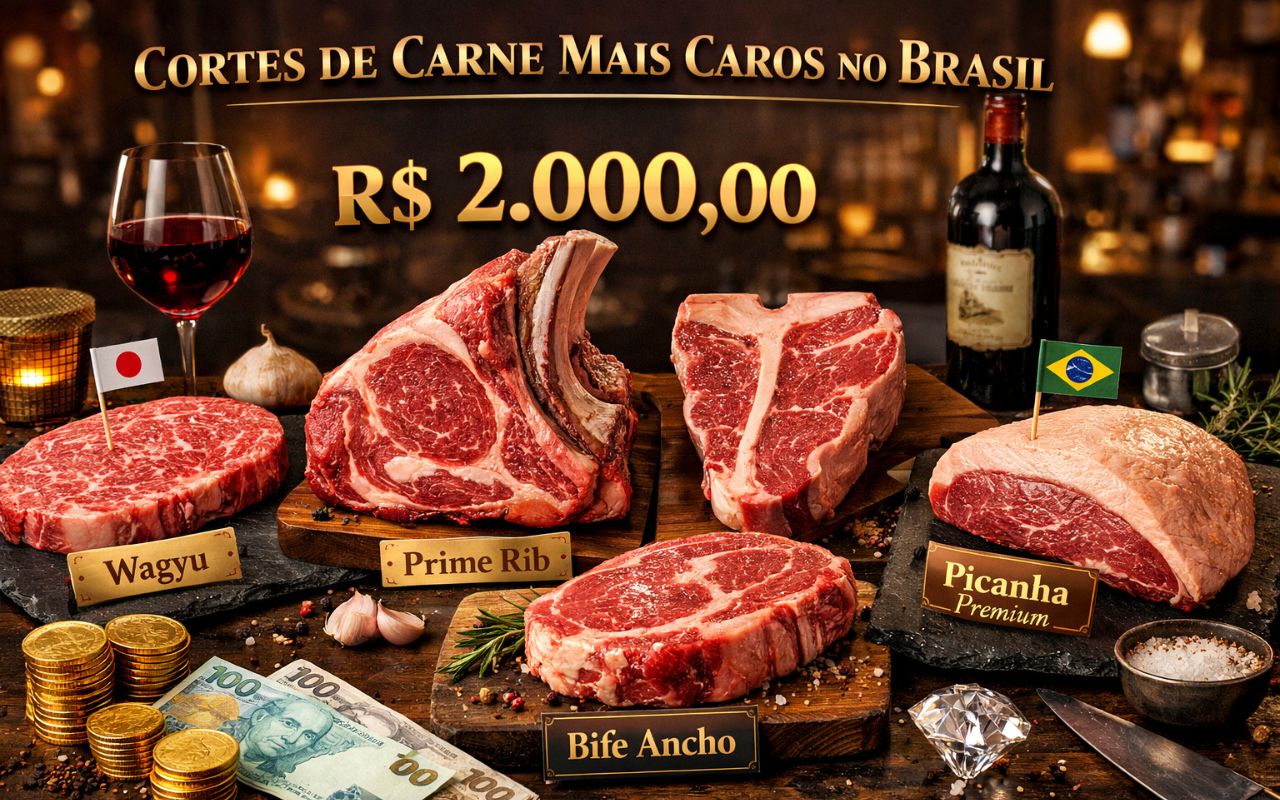
Know The Most Expensive Meat Cuts In Brazil, What Drives The Price And Why Wagyu, Prime Rib, T-Bone, Ancho Steak And Premium Picanha Belong To This Exclusive Niche.
The most expensive meat cuts have arrived on the specialized shelves in Brazil and arouse interest among enthusiasts of fine gastronomy.
Among the elite cuts are Wagyu, Prime Rib, T-Bone, Ancho Steak, and premium versions of Picanha — all classified as some of the most expensive meat cuts sold in the country.
What determines the high price of these cuts? Refined genetics, degree of marbling (intramuscular fat), breed certification, traceability, and sometimes aging techniques — factors that ensure flavor, tenderness, and exclusivity.
-
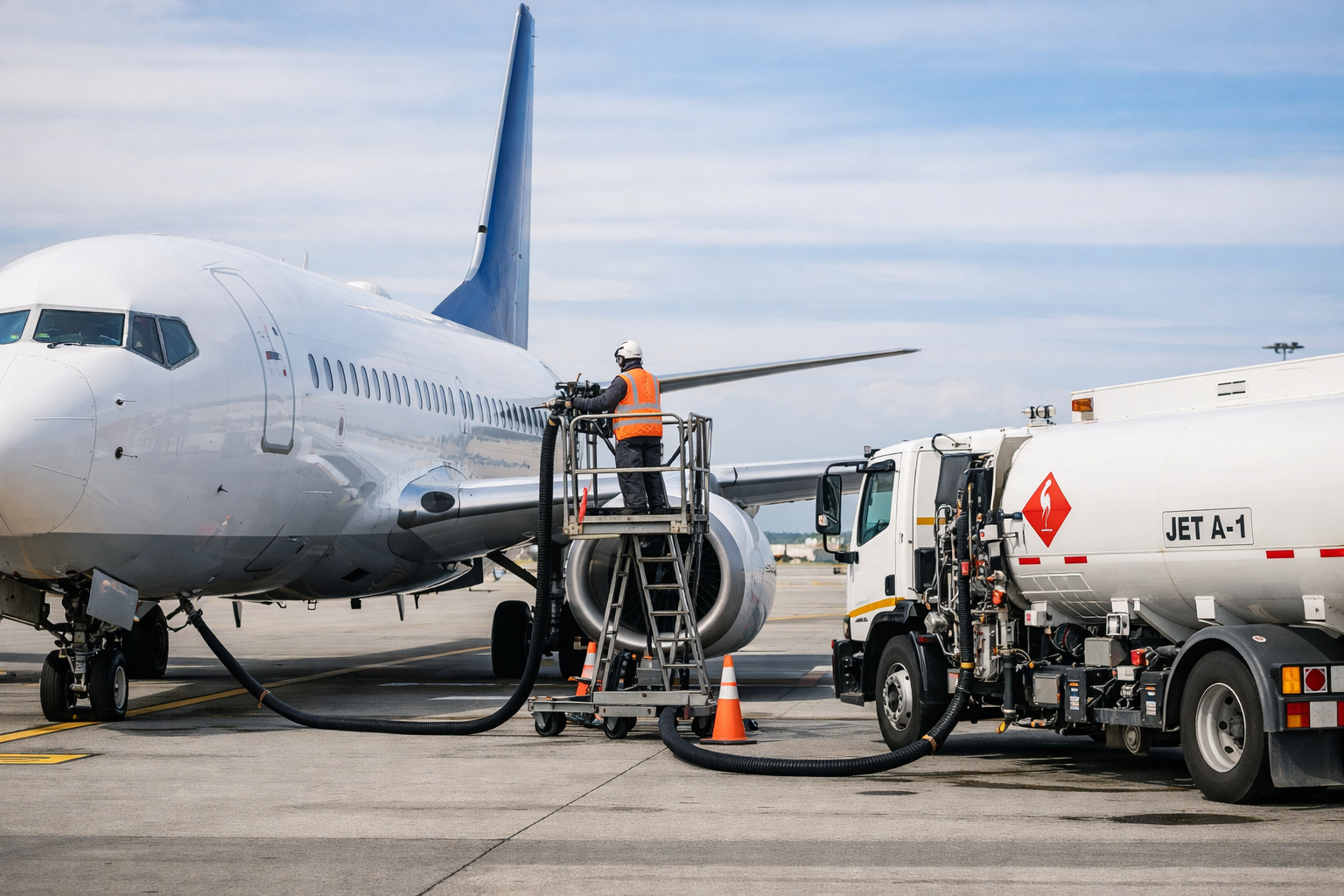
Airfare prices may rise with increasing fuel costs, and the government is considering urgent measures to avoid a direct impact on the wallets of Brazilians.
-
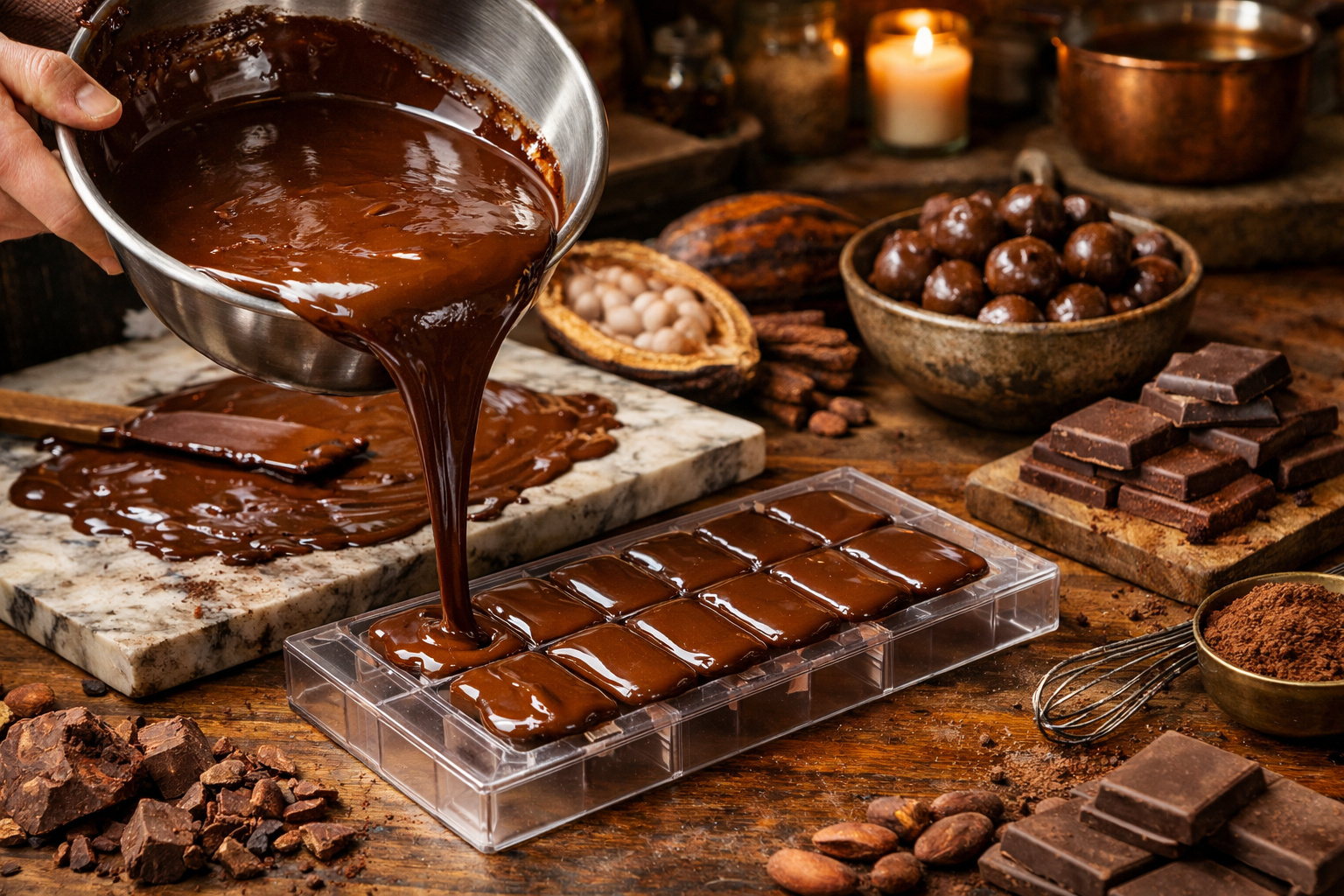
Chocolate prices soar nearly 15% and become a luxury item for Easter 2026, with increases surpassing inflation and changes in Brazilian consumption habits.
-
The Federal Revenue issues a good alert for Brazilian taxpayers: 60.9% are already using the pre-filled tax return, automatic refunds via Pix reach millions, and the government plans for a fully automated income tax in the coming years.

-
India announces a plan of $3.06 billion to bring aviation to forgotten regions: 100 new airports, $1.07 billion in subsidies, and regional routes guaranteed for 10 years, from 2026 to 2036, away from the centers.


See What The 5 Most Expensive Meat Cuts In Brazil Are
Wagyu: Top Of The List Of The Most Expensive Meat Cuts
Of the most expensive meat cuts available in Brazil, Wagyu stands out. The meat from this Japanese breed combines intense marbling — often classified as BMS 8–9 — with tender texture and distinctive flavor.
For this reason, Wagyu pieces can cost, per kilogram, from R$ 1,300 to R$ 2,000, and the picanha from this lineage is often the most valued.
Another noble cut from this breed, the Wagyu Ancho Steak, also ranks among the most expensive.
Depending on the piece, the price per kilogram can reach values only pursued by those looking for exclusivity.
Prime Rib, T-Bone And Ancho Steak: Genetics And Aging That Impact Price
Among the most expensive meat cuts, Prime Rib and Ancho Steak represent the top of the scale in the ribeye.
When sourced from certified breeds — such as high-standard British breeds — and subjected to aging, their value can exceed R$ 240 to R$ 280 per kilogram.
For its part, the T-Bone — which combines filet mignon and ribeye separated by a bone in the shape of a “T” — also ranks among the elite cuts.
Versions that undergo dry aging or come from premium breeds stand out and are among the most expensive meat cuts offered.
Premium Picanha And Traceability: When The Favorite Becomes A Luxury Cut
Even traditional cuts, such as picanha, can become part of the select group of the most expensive meat cuts when subjected to strict quality criteria.
To achieve this, it is necessary for the piece to have traceability — that is, certified origin — ideal fat covering, and verified tenderness.
Thus, a certified breed picanha (like a “Angus Black Picanha,” for example) can cost between R$ 200 and R$ 350 per kilogram, elevating the cut to a differentiated status, well above the average of conventional cuts.
What Drives Up The Price Of Cuts: Genetics, Management, Technique And Certification
The price difference of the most expensive meat cuts is not merely the result of marketing promotion.
The added value stems from the back — from the farm to the butcher shop. Some factors that justify the high prices include:
- Genetics And Marbling: Animals of special lineages and controlled feeding have greater marbling, ensuring tenderness and flavor.
- Traceability And Certification: Ensuring origin, sanitary control, and proper management provides assurance to the consumer and value to the product.
- Aging (Dry-Aged): This dry aging process imparts texture, depth of flavor, and tenderness — and increases the final cost.
- Demand And Luxury Market: For consumers seeking superior culinary experiences, the added value justifies the cost, driving up the prices of the most expensive meat cuts.
The Premium Meat Niche: Who Consumes It And Why It’s Worth Paying More?
The most expensive meat cuts cater to an audience seeking more than sustenance: they seek experience.
Specialized restaurants, gourmet barbecues, high-quality meat enthusiasts, and discerning consumers are the ones who most often turn to Wagyu, Prime Rib, T-Bone, and certified picanhas.

For these consumers, the high price represents real added value — whether through texture and flavor, or the guarantee of origin and exceptional quality of the cut.
Moreover, this demand for premium meat raises the overall market standard, encouraging producers and meatpackers to invest in genetics, management, and traceability. This, in turn, contributes to the appreciation of quality meat in Brazil.
Is It Worth It? Most Expensive Meat Cuts Involve Costs And Choices
Choosing the most expensive meat cuts means paying for real distinctions: flavor, tenderness, texture, certified provenance, and culinary experience.
However, the cost does not always justify — especially for those seeking a simple daily meal.
For those looking for the best meat performance — whether at a special barbecue or in a gourmet experience — investing in these cuts can make all the difference.
But for everyday meals, more affordable alternatives still fulfill their role well without straining the budget.
What Represents The High Value Of The Most Expensive Meat Cuts
The most expensive meat cuts sold in Brazil represent the intersection of tradition, technique, and the premium market.
Wagyu, Prime Rib, T-Bone, Ancho Steak, and certified picanha transcend the conventional concept of meat — becoming symbols of quality, luxury, and experience.
When you invest in one of these cuts, you pay for refined genetics, rigorous production control, special aging techniques, and, above all, for meat with distinct flavor and tenderness.
Thus, these cuts are not merely expensive products — they are a promise of quality and a conscious choice for those seeking the best in gastronomy.
Source: Compre Rural









-

Uma pessoa reagiu a isso.