





 Portuguese
  English
  Spanish
  3 min of reading


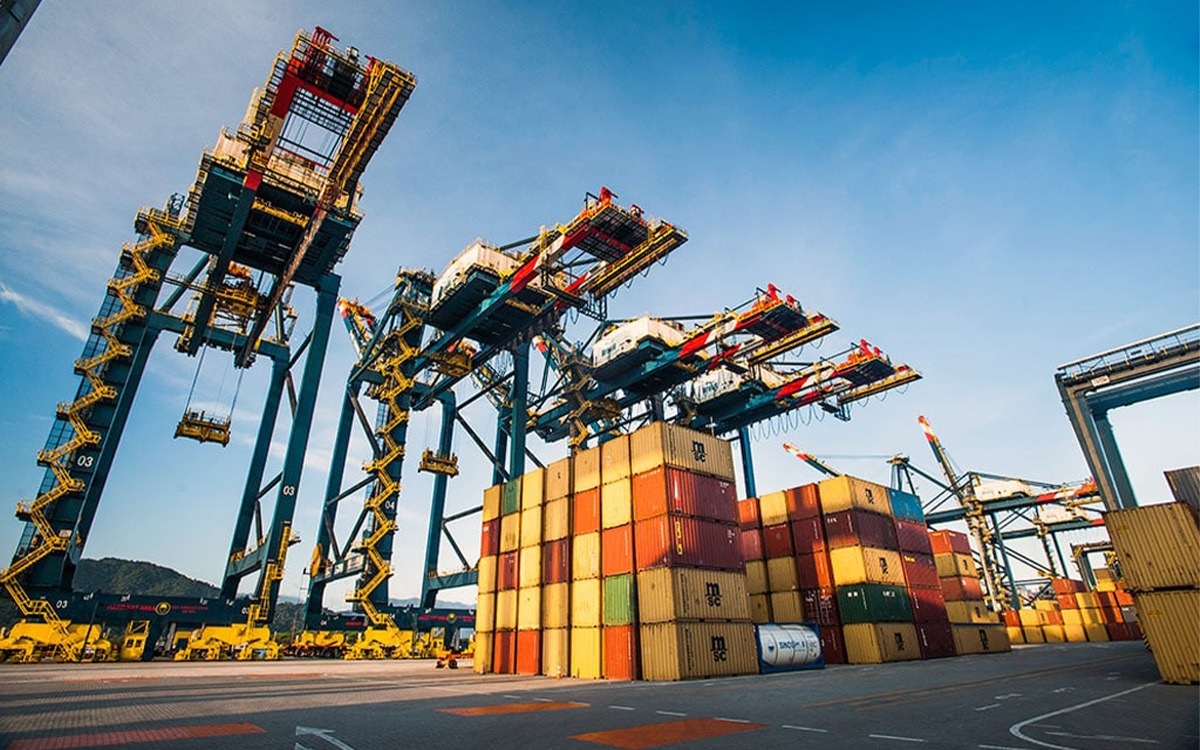
IT Company Partners With Nokia To Offer 5G Services To Port Terminals In The Country
The arrival of 5G in Brazil has generated expectations in different areas, including the port sector. This is due to the possibilities that the technology allows, which should ensure more speed and agility in operations.
Although it may seem the same, the 5G used in ports is different from what we use at home or in mobile phones, tablets, among others, which is referred to as domestic use.
According to the computer engineer, university professor, and one of the directors of T2S Tecnologia, Rodrigo Lopes Salgado, what 5G enables for ports is much greater and broader as it is a private solution.
-
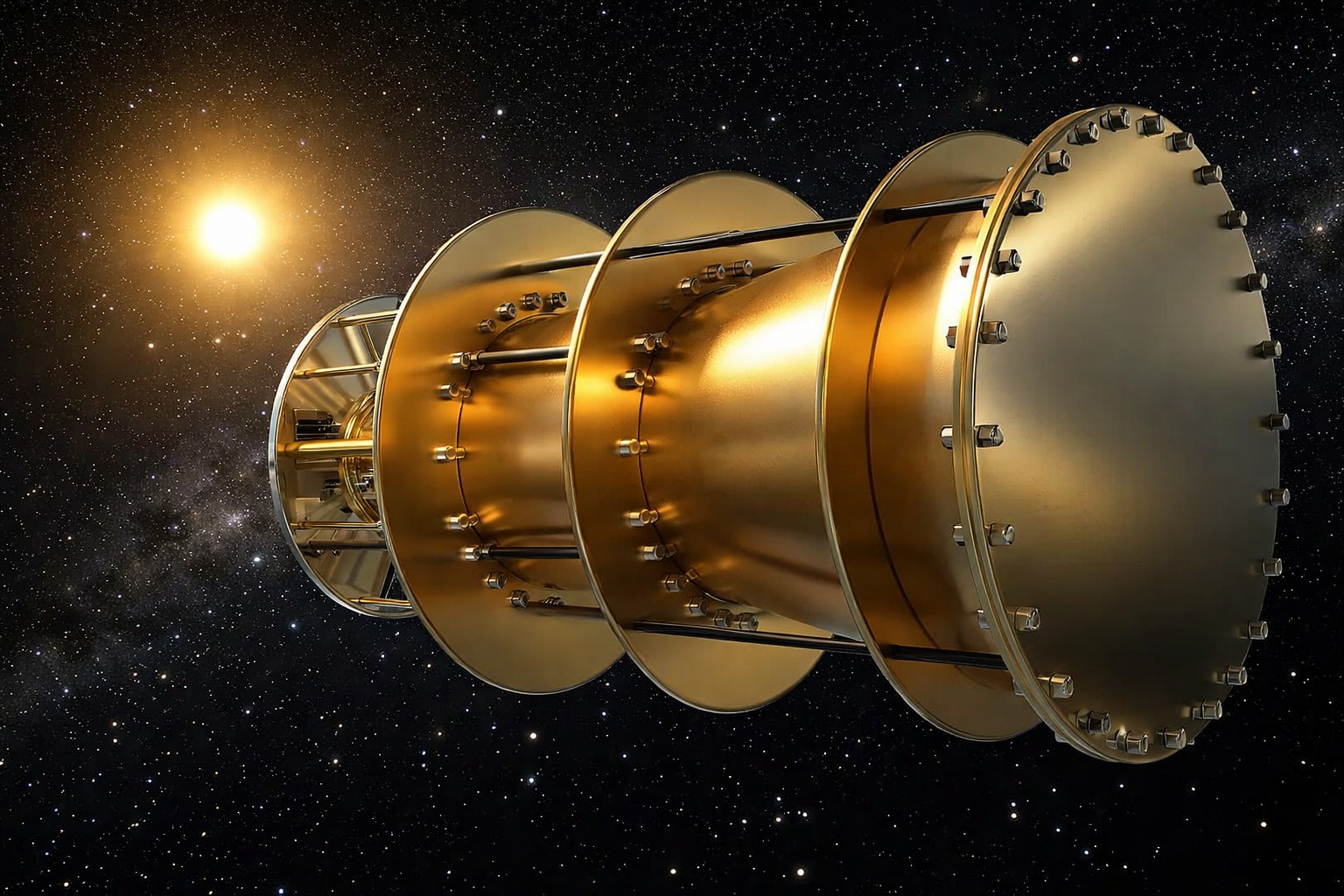
NASA engineer creates project for a “nearly theoretically viable” engine capable of reaching 99.99% of the speed of light, but this problem must be solved first.
-
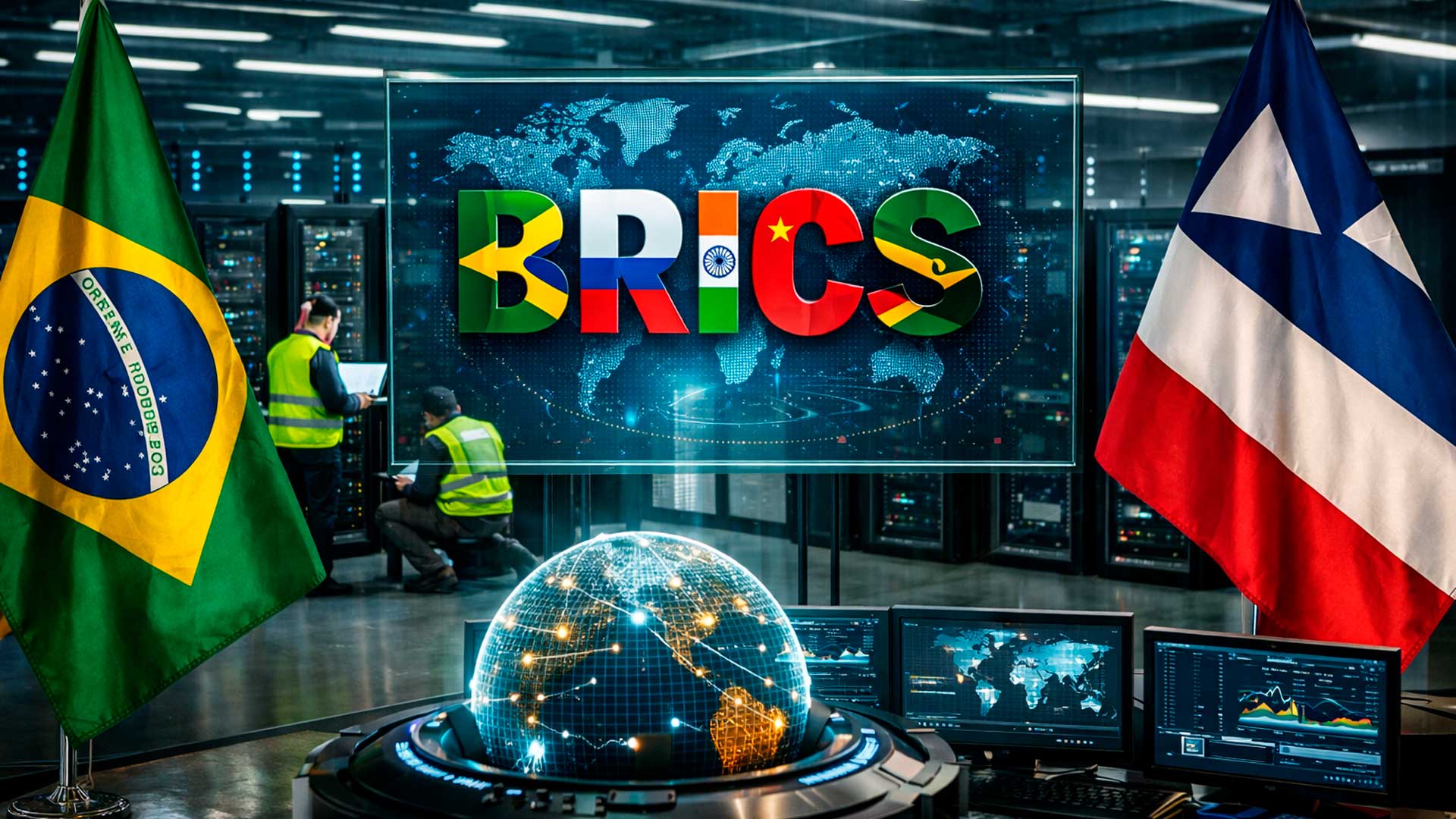
Bahia becomes a key player in the new BRICS plan for a sovereign data center and brings Brazil closer to the competition for the future of cloud computing and AI.
-
Giant and invisible structure that has been around for decades emerges near the Solar System and could change what astronomy knows about the birth of stars.

-
Research gives new weight to the quipu and suggests that the Inca Empire developed an advanced method for organizing and processing data, with a structure of knots and strings that now brings the artifact closer to logics used in computing.

Salgado explains that proprietary antennas are installed at the port, meaning that the terminal purchases the antennas and installs them within its coverage area, functioning only within that network, as if it were a new mobile operator. The network is private and requires a license from Anatel – National Telecommunications Agency to operate within the terminal.
The professional also states that the technology allows for a larger number of devices to be connected to a mobile network antenna. “It’s much larger, with the possibility of thousands of devices on the same 5G antenna. It is this gain that we talk about, the speed and quantity of devices on the antennas at the same time, without impact,” he declares.
According to the computer engineer, university professor, and also director of T2S, Ricardo Pupo Larguesa, 5G will be 20 times faster than the technologies currently in use.
Another important point, according to the professional, is the number of devices that can be connected at the same time. For example, while 4G covers 10,000 devices per km², 5G connects up to 1 million devices per km².
Advantages of 5G in Ports
The expectation for 5G in Brazilian ports arises precisely because the technology signifies a digital transformation, bringing some advantages, such as improved connectivity.
Ricardo Pupo states that at a port terminal, many vehicles are in transit and therefore the signal is unstable and slow, something that does not occur with cellular networks. “So, both LTE, which is a technology that already exists and is in operation, and 5G will allow for more efficient communication among devices,” he explains.
Moreover, this action should increase the productivity of the systems operating within this network with greater efficiency and can guarantee a more agile and accurate communication. An example of this is that containers with devices connected to 5G can allow for the registration of the entire operation in real time, from positioning in the yard, delivery to a truck, to tracking the cargo inside the ship.
Some actions are already underway. In the Port of Santos, the forecast is that the first private 5G network will be implemented later this year.
Partnership
With the aim of preparing port terminals, T2S Tecnologia has partnered with the multinational Nokia, and will bring 5G to Brazilian terminals, giving companies the chance to update and invest in the main trend of the coming years.
The partnership begins to offer the sector network solutions in place of Wi-Fi.







Seja o primeiro a reagir!